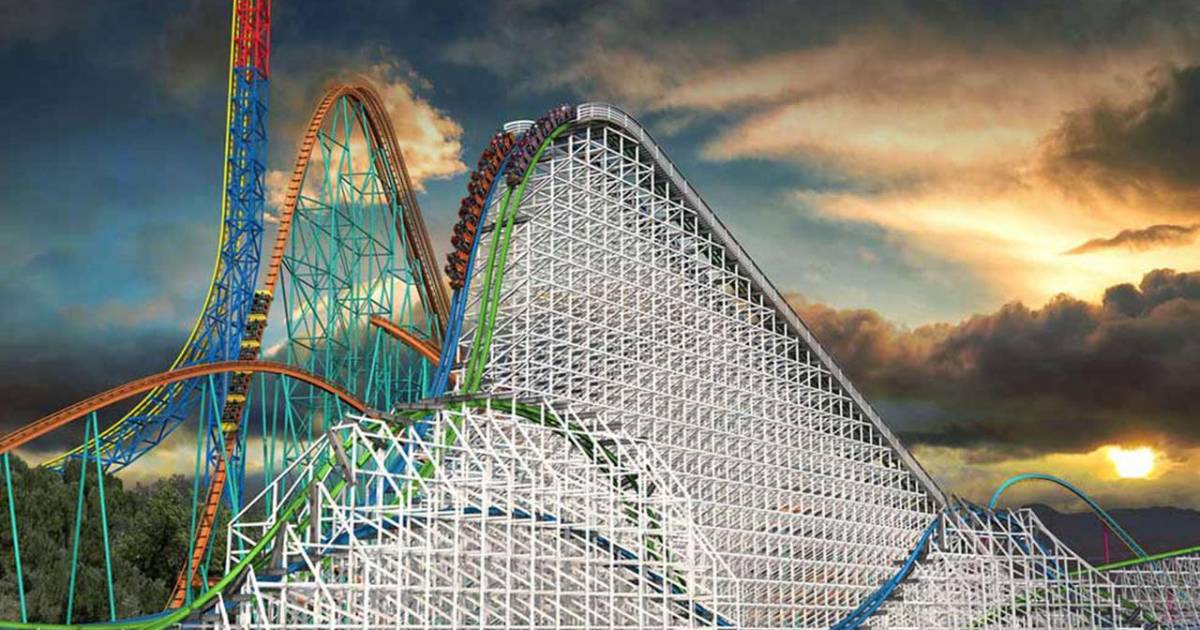
Scientists are saying that riding a roller coaster just might be a cure for kidney stones.
Riding On A Roller Coaster Can Help You Pass Those Nasty Kidney Stones!
By
Editorial Staff in
Facts
On 29th September 2016
advertisement
So what are kidney stones?
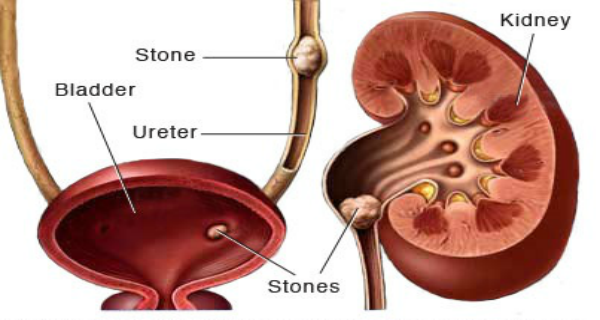
Kidneys act as one of the filters in your body. It filters waste from the blood and creates urine. Many things can be a factor in the creation of kidney stones. Minerals and salts in the urine stick together and form kidney stones. They start out as tiny as small as a grain of sugar but can grow to be as large as a ping pong ball. Most are unaware they have kidney stones until one breaks away from the walls of the kidney and becomes lodged. They can be extremely painful. Some say the pain is more intense than having a baby.
5 main types of stones
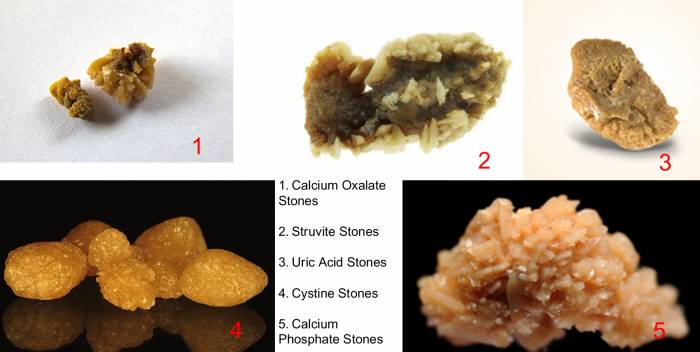
There are several different kinds of kidney stones. These are 5 of the most common stones.
1. Calcium Oxalate Stones are the most common stones. These crystals are caused by an abundance of calcium in the urine, which combines with oxalic acid. They can be up to 7mm in size and most can pass them with out having to have surgery. There are a few causes for these types of stones. Some are caused by a systemic disease, such as bowl disease. Although most care cause by diet and living habits and some are heredity. To reduce the risk of developing these stones the key is to drink plenty of water. At least a half gallon or more a day and get plenty of exercise. Eating less protein and limit your salt intake.
2. Struvite Stones affects the chemical balance of urine. The body creates different types of bacteria made up of magnesium, ammonium and phosphate. These stones are infectious stones and have jagged edges and can grow to be quite large and extremely painful. Because of their jagged edges they can cause issues outside of the kidney and can enter the bloodstream causing sepsis. These are more common in women because women are more prone to UTI's (urinary tract infections.
3. Uric Acid Stones are formed when the urine is too acidic. People with diabetes, kidney disease, obesity and gout are at high risk for developing these type of stones. Because they absorb hemoglobin in the urine, they are often orange or red. When small they can usually pass with out much problems but can grow very fast and cause problems and blockages and could require surgery or other procedures to remove them. It is best to consume less animal based proteins to avoid these types of stones as well.
4. Cystine Stones are indicative to people born with a kidney disorder called Cystinuria. People with this disorder have kidneys that function pretty good for the most part but they allow abnormal amounts of several amino acids into the urine. Most are harmless, however this type is not. It is very hard to prevent and can be seen even in children. This condition can not be cured and treatments last a lifetime. One must drink very large amounts of liquids to keep the urine diluted and from forming a combination of crystals and stones. Alkalinization is a type of therapy that also helps keep these stones at bay.
5. Calcium Phosphate Stones, combines phosphoric acid and oxalic acid. They are larger than the calcium oxalate stones and are more often found in people who have alkaline urine. They can be broken down in to two other types of stones; brushite, which do not break easily and don't respond well to shock wave treatment, and hydroxyapatite, which can plug the kidneys and damage their cells. They are often caused by certain diseases such as hyperparathyroidism and renal tubular acidosis. Exercise and a diet low in salt are key in helping to avoid these type of stones. You will also want to add foods rich in calcium and cranberry juice to your diet. You will also want to stay away from soda.
advertisement
What are the signs of kidney stones?
1. Severe Back Pain (Below The Ribs)
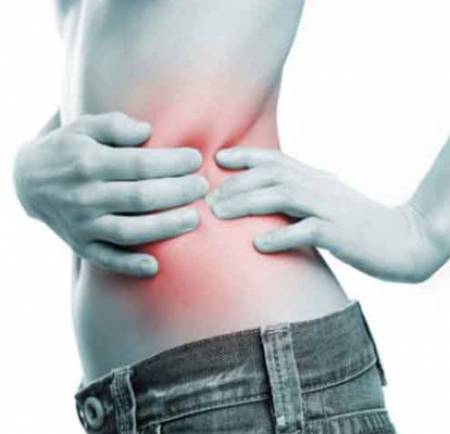
It can often be a radiating pain that may be felt in front and in the groin and testicles. It can be very intense and cause vomiting and at the very least nausea. The area can also feel hot/warm to the touch. The kidney could also be swollen causing this pain as well.
2. Frequent Urination (Usually Painful)
Even when you haven't drank much you will have an urge to have to go to the bathroom. Even when you are done you will often feel the urge to have to go again although you most likely wont produce much. You will feel a pressure to have to go. Some times you will have pain especially if the stone is moving down the tract. This can also cause a UTI.
3. Discomfort While Sitting or laying down
Often times it will cause discomfort to sit or lay down. It can also prevent the stone from passing. Movement is usually best to keep the stone moving.
4. Fever and Chills
Some times you will experience fever and or chills which could be a sign of a UTI caused by the kidney stone scratching up the walls of the ureter and urethra.
5. Nausea and Vomiting
You may experience nausea and vomiting not only from the pain but because the stones could block the kidney from getting rid of the body's toxins. So your body must find another way to get rid if them.
6. Bloody Urine
Many times your urine will have blood in it. Could be red to a dark brown. This happens because as the kidney stones travel they scratch the tract causing it to bleed. You may also notice a pungent odor and or cloudiness in the urine.
7. Sweating
Night sweats shouldn't be ignored. It can be one of the major signs of a kidney stone.
8. Weakness and Confusion
It may also cause weakness due to fatigue. Pain often drains the body. Also making it hard to concentrate.
Surgical procedures
There are many ways to aid in getting rid of kidney stones.
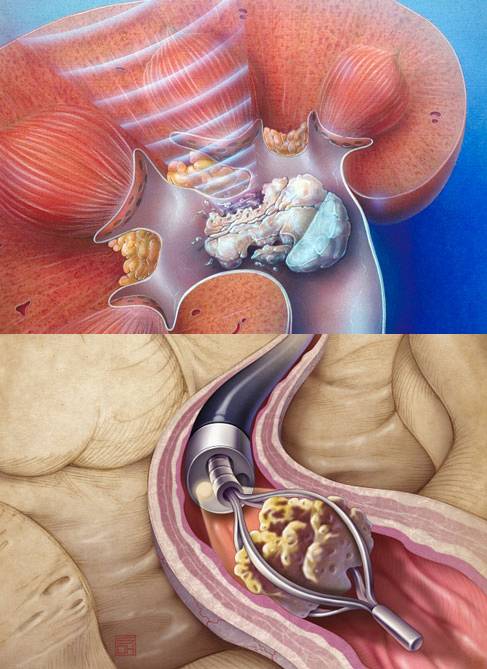
One could have a procedure called Shock Wave Therapy(ESWL). This is probably the most common procedure. It is non-invasive as it uses Thigh-energy shock waves to break a kidney stone down allowing it to pass on its own. Commonly called "sand" because they are broken down so small. You could pass these "sand" like stones for up to 6 months. They pass relatively painlessly. Most times you wont even notice however you might experience some bleeding when passing them. Also you might have some pain on the site of the procedure and some bruising (personally I've had neither pain not bruising)
Another procedure is called Ureteroscopy. This is usually done when the stone has left the kidney and is close to the bladder. The surgeon uses a thin tube inserted into the urinary tract. The surgeon then breaks up the stone and removes it through the tube. There is no need for incisions for this procedure. If the stone is too large the surgeon might opt for other procedures. They also might insert a web type netting that keeps the tract expanded until other stones have passed.
advertisement
Home remedies
Many people opt to try home remedies. Or at least maintain a clean kidney by using these same remedies.
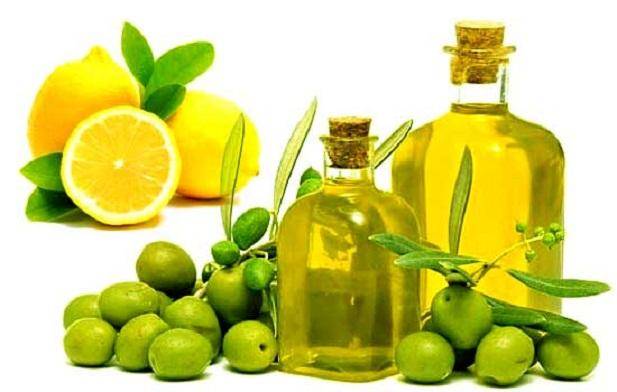
Lemon juice and Olive oil are used by many. Especially for larger stones. You should drink a lot of water after taking this.
Apple Cider Vinegar is another great way to maintain a kidney stone free kidney. Just two tables spoons several times a day and it can also be mixed with water.
Pomegranates are good especially if you suspect you might have a stone. Pomegranates are rich in anti- oxidants too which helps keep the body healthy.
Basil, believe it or not, chewing on 2 or 3 basil leaves a day can also help. You can also make a mixture of basil leaf and honey. Do this for 5 months.
Kidney Beans, yes, kidney beans! Should be eaten daily. It helps treat kidney stones and keeps the kidney healthy. They are rich in fiber and have vitamins and proteins not found in animal protein. Use no water when boiling them and also the kidney bean broth will flush out minerals and toxins as well
There are many home remedy recipes that can be found online.
advertisement
A roller coaster?
Scientists are saying that taking a ride on a roller coaster can help you get rid of those nasty kidney stones! Many people have informed their doctors of passing a stone shortly after taking a ride on a roller coaster. This is due to the jostling ones body gets while being tossed around on the coaster and riding in the back gives the best results in helping to dislodge a stone.
Personally I'll stick to a good healthy diet, exercise and plenty of water. All of which will help keep the stone moving out and help in maintaining a healthy kidney. The last thing I'd want to do is get on a ride when I am having that kind of pain!