

Misdiagnosed with Parkinson's but actually suffering from another disease, comedian Robin Williams' health deteriorated, creativity waned, and he tragically died by suicide, highlighting the complex impact of his misdiagnosis on his well-being.
Robin Williams Was Given The Wrong Diagnosis Which Was Only Discovered In His Autopsy
By
Haider Ali in
Showbiz
On 31st August 2023
advertisement
Getty Images
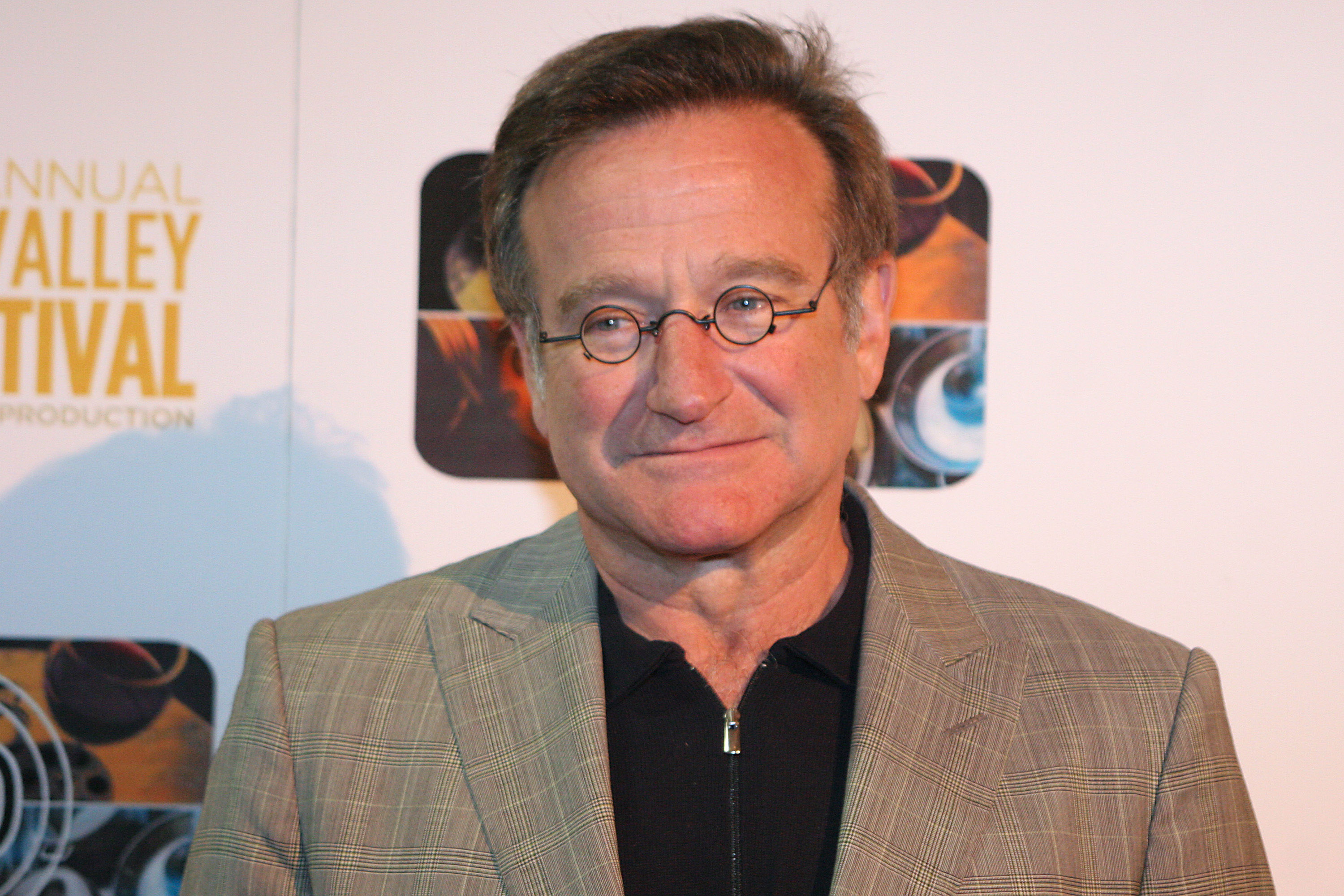
The top comedian in Hollywood, Robin Williams, had a misdiagnosis of Parkinson's disease that wasn't revealed until after his death, according to his son.
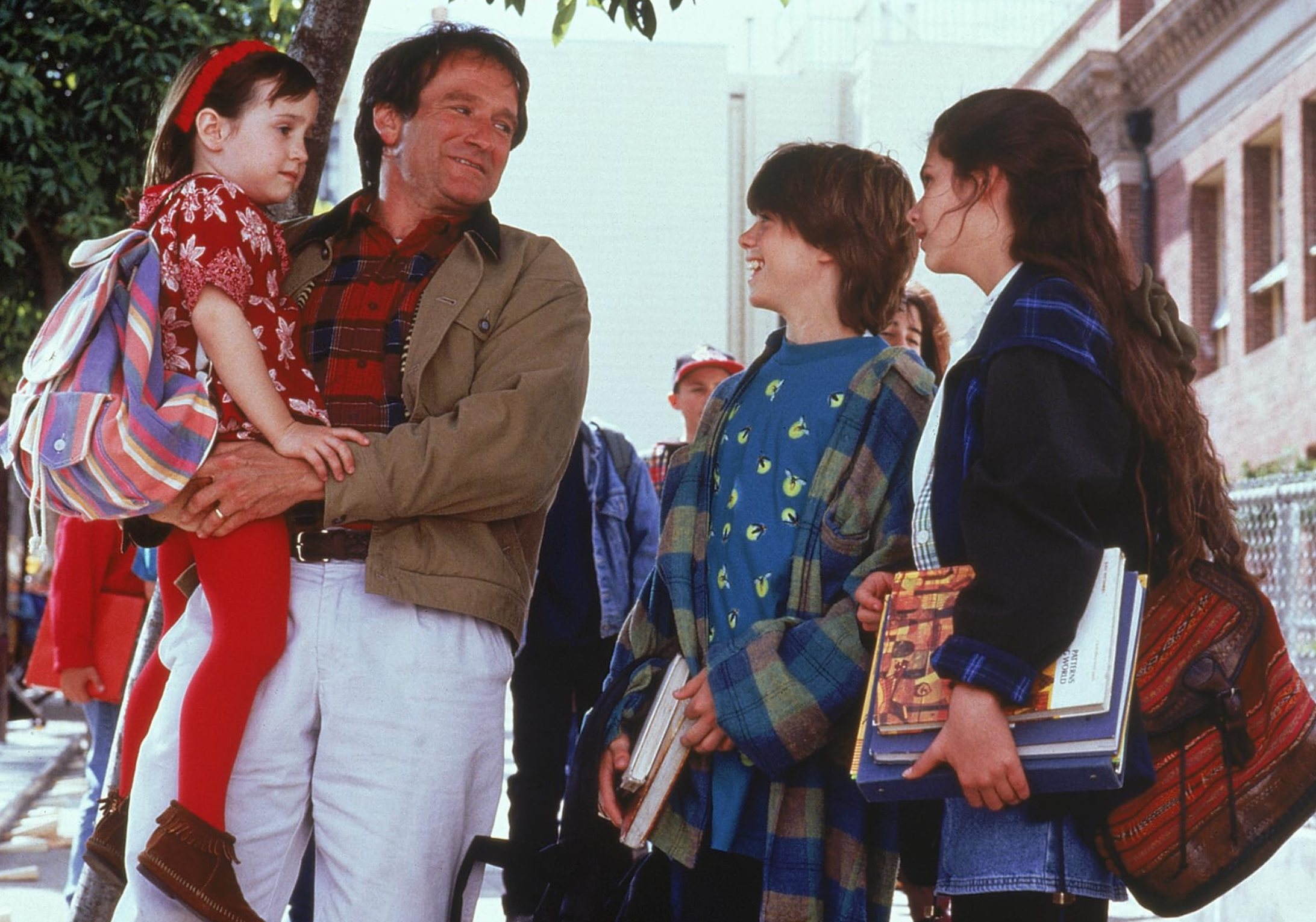
Two years prior to his passing, the Mrs. Doubtfire actor received a false Parkinson's disease diagnosis, a brain condition that results in unintentional or involuntary movements including shaking, stiffness, and problems with balance and coordination.
Tragically, the 63-year-old actor who was well-regarded committed suicide in 2014.
Later, an autopsy revealed that he had Lewy body dementia (LBD), which was gradually generating his Parkinson's-like symptoms.
advertisement
Credit: 20th Century Studios
LBD is the second most prevalent form of dementia after Alzheimer's disease, according to the Mayo Clinic.
It explains: "Protein deposits called Lewy bodies develop in nerve cells in the brain. The protein deposits affect brain regions involved in thinking, memory and movement."
There is presently no known way to stop or decrease the progression of the severe neurological condition.
Susan Schneider, the actor's widow, sent an article to the scientific journal Neurology entitled "The Terrorist Inside My Husband's Brain" after his passing.
advertisement
Getty Images
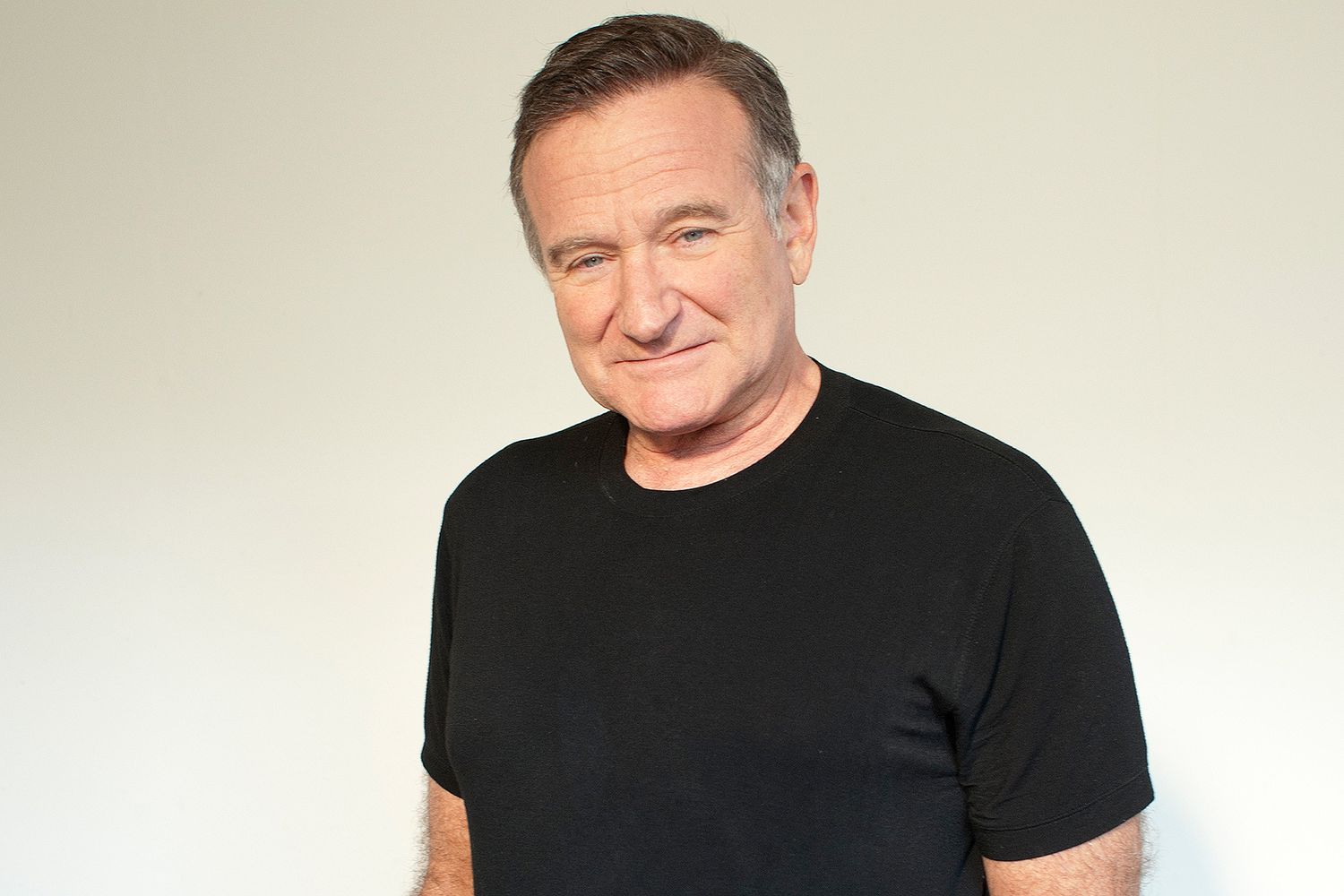
She described how the disease "had damaged neurons and neurotransmitters to such an extent that, in effect, you could say he had chemical warfare in his brain."
On Max Lugavere's The Genius Life podcast in 2021, the Oscar winner's son Zak also discussed the neurological condition and his father's incorrect medical diagnosis, claiming it left him feeling "very uncomfortable" and "frustrated" in what would be his final years.
advertisement
Zak remembered: "What he was going through didn't match one-to-one [with] many Parkinson's patients' experiences. So, I think that was hard for him."
He continued: "There was a focus issue that frustrated him, there were issues associated with how he felt, and also from a neurological perspective, he didn't feel great. He was very uncomfortable", adding that the incorrect medical information and medication may have 'exacerbated the situation'.
advertisement
"They're also really hard on the mind and the body," he said.
"The diagnosis was different than the disease so I think it could be a situation where you're taking stuff and experiencing purely the side effects of [the drug]."
advertisement
He continued by explaining how his father's inability to "perform his craft" as a result of the illness and incorrect diagnosis had an adverse effect on his mental health.
"I don't want to say it was a short period. It felt a lot longer than it actually was because it was a period for him of intense searching and frustration.”
advertisement
"I couldn't help but feel beyond empathy. I couldn't help but feel frustrated for him.”
"It can be really isolating even when you're with family and loved ones."
advertisement
The discrepancy between diagnosis and reality, along with medication side effects, worsened his condition. Williams' inability to perform due to the illness and wrong diagnosis took a toll on his mental health, leaving him frustrated and isolated even among loved ones.