

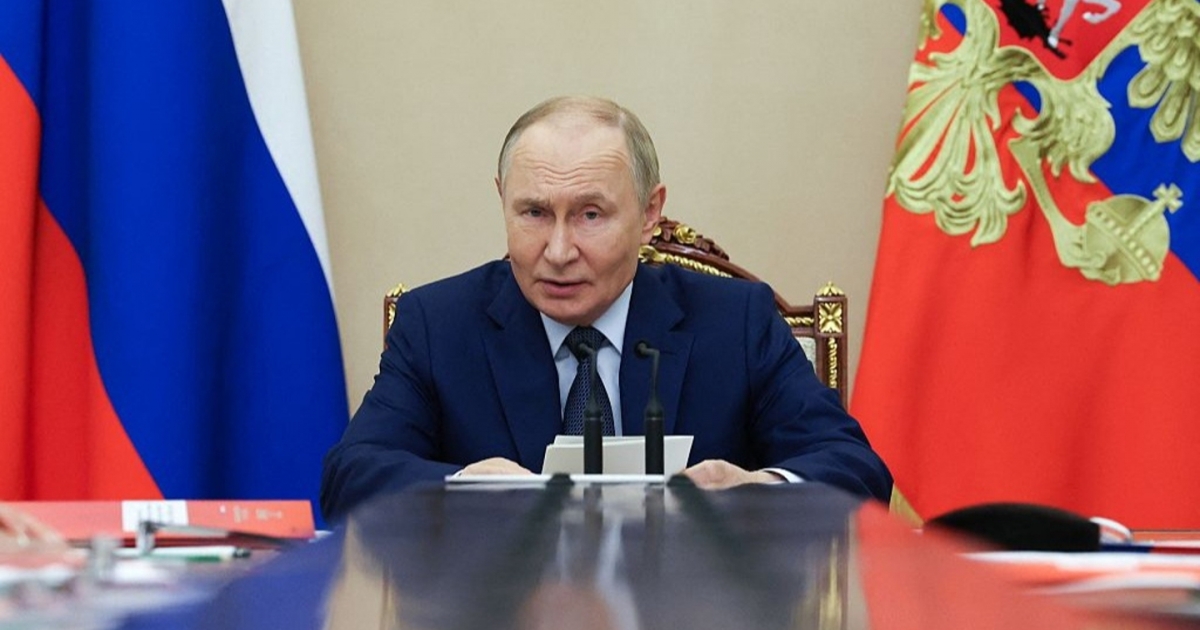
In recent weeks, tensions between Russia and NATO allies have sharply escalated, raising concerns of an even wider conflict.
advertisement
Russia has reportedly delivered a stark warning, making it clear that any attempt by NATO to shoot down one of its jets would trigger an extreme response.
The past few weeks have seen growing friction between Moscow and Western powers after repeated claims that Russia has intruded into the airspace of NATO nations, further straining already fragile relations.
Just last week, three Russian MiG-31 fighter jets were said to have entered Estonia’s airspace and remained there for about 12 minutes, sparking outrage and immediate calls for accountability.
Estonia’s Foreign Minister, Margus Tsahkna, publicly condemned the action and described it as both dangerous and provocative, going so far as to call it “unprecedentedly brazen.”
He declared: "Russia has violated Estonian airspace four times already this year, which is unacceptable in itself, but today's violation, during which three fighter jets entered our airspace, is unprecedentedly brazen."
"Russia's ever-increasing testing of borders and aggressiveness must be responded to by rapidly strengthening political and economic pressure."
advertisement
Russian officials denied the accusations, insisting their fighter jets had only been flying through neutral Baltic airspace and had not actually crossed into Estonia’s territory.
The incident followed another alarming development. Poland’s Prime Minister, Donald Tusk, confirmed that his country’s military intercepted multiple drones, later identified as Russian, which had strayed into Polish skies in what many see as yet another deliberate provocation.
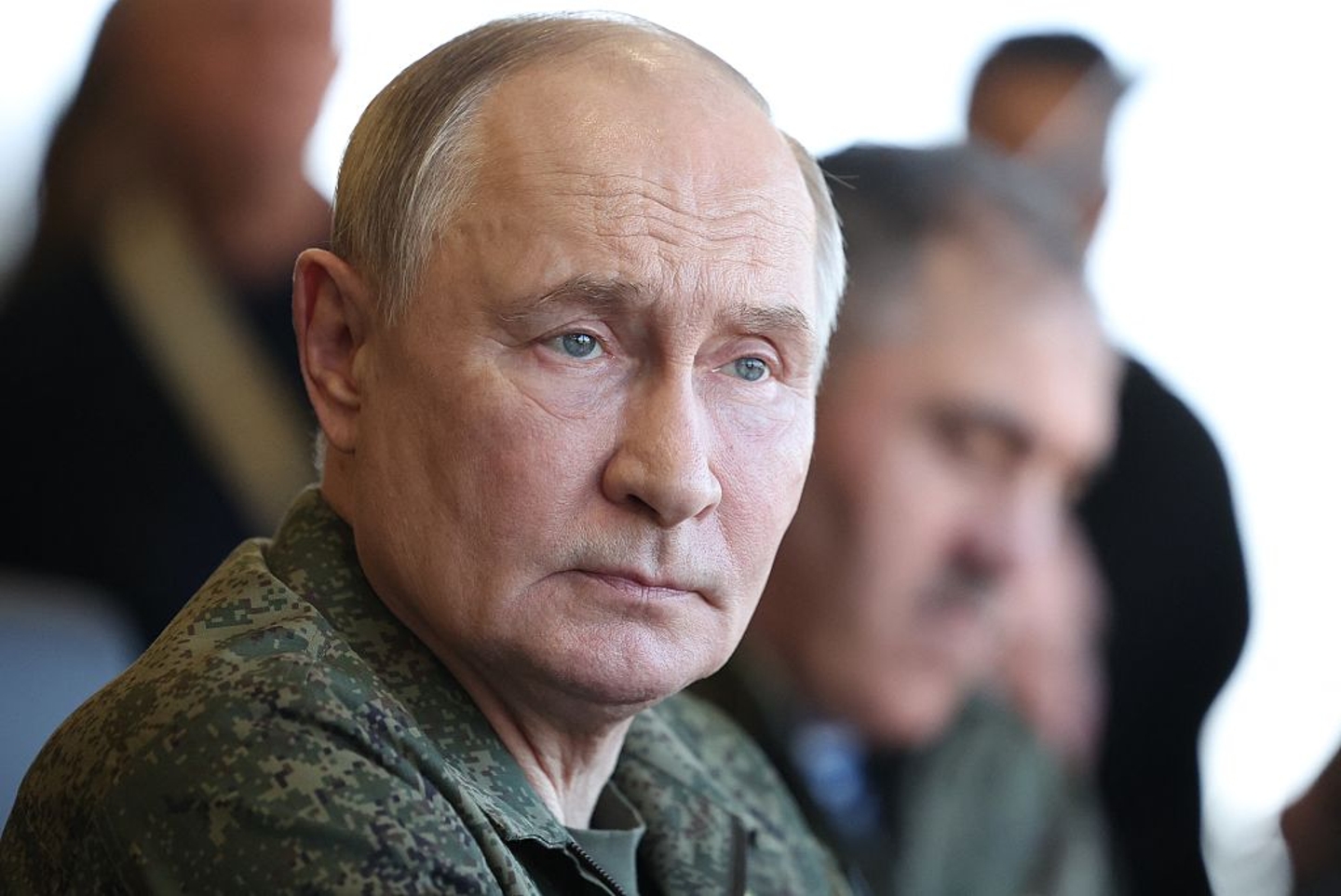
Tensions have been rising between Russia and the West
VALERY SHARIFULIN/POOL/AFP via Getty Images
Addressing the violation, Tusk explained: "Last night, the Polish airspace was violated by a huge number of Russian drones. Those drones that posed a direct threat were shot down."
He also noted: "I am in constant communication with the secretary general of NATO and our allies."
In response, Poland requested the activation of NATO’s Article 4 clause. This provision requires all alliance members to consult one another whenever they believe their sovereignty, independence, or national security is under direct threat, highlighting just how seriously Poland views the situation.
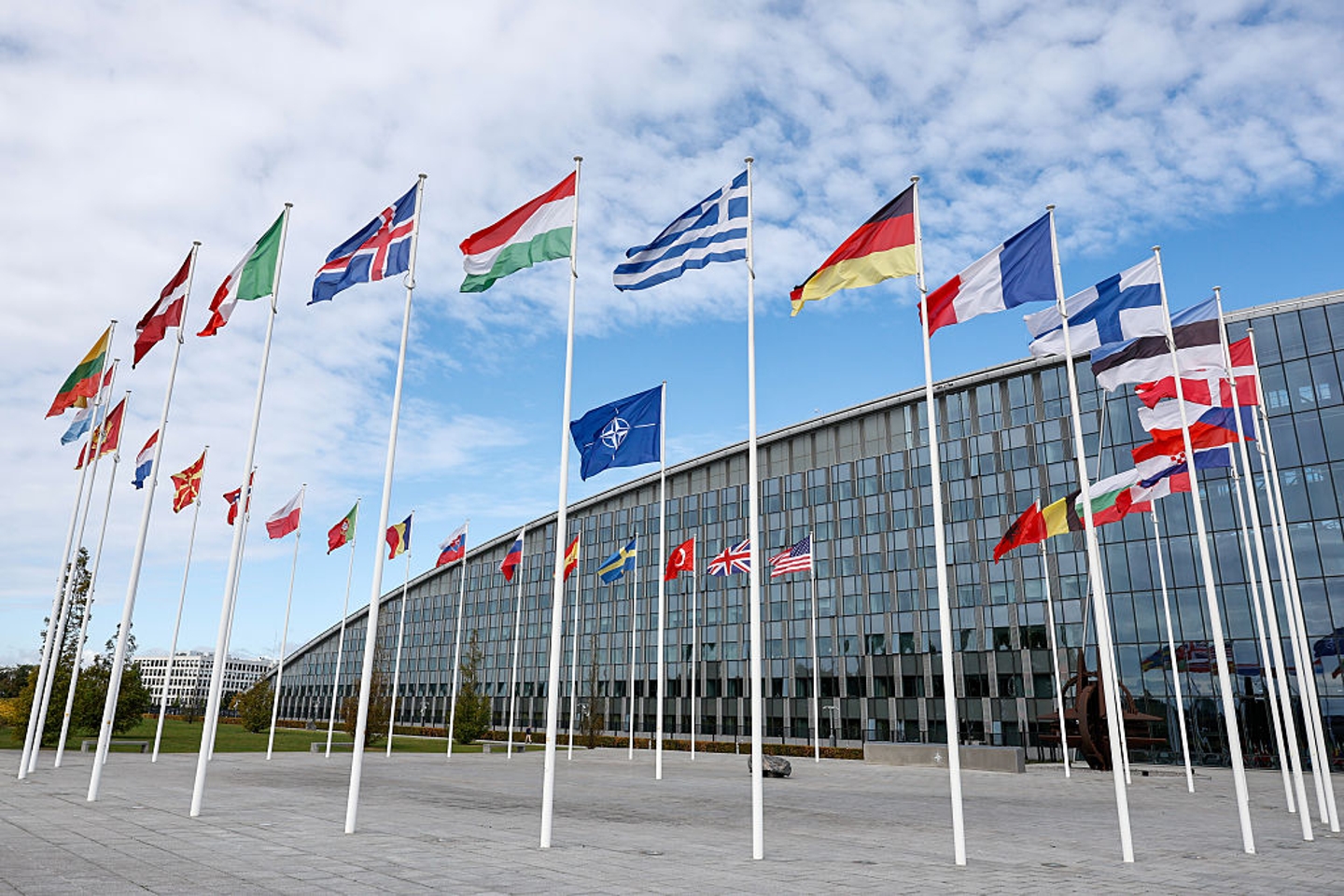
Both Estonia and Poland reported that Russia had entered their airspace
Simon Wohlfahrt/Bloomberg via Getty Images
advertisement
After these escalations, former U.S. President Donald Trump weighed in, telling NATO members that they should take decisive action by shooting down Russian aircraft if they cross allied airspace again.
When asked directly by a reporter whether NATO countries should move forward with such a step in the event of another breach, Trump responded firmly, “yes, I do.”
But Russia’s ambassador to France, Alexey Meshkov, countered with a grim warning, stressing that any attack on their jets “would be war,” signaling just how dangerous the standoff has become.
advertisement
In a translated report from RTL, Meshkov was quoted as saying: "You know, there are many NATO aircraft that violate Russian airspace (...) it happens quite often. Afterwards, they are not shot down."
Meanwhile, Ukrainian President Volodymyr Zelenskyy used his platform at the United Nations to caution the world, stating that “no one can feel safe right now.”
In his remarks, he emphasized: "Putin will keep driving the war forward, wider and deeper."
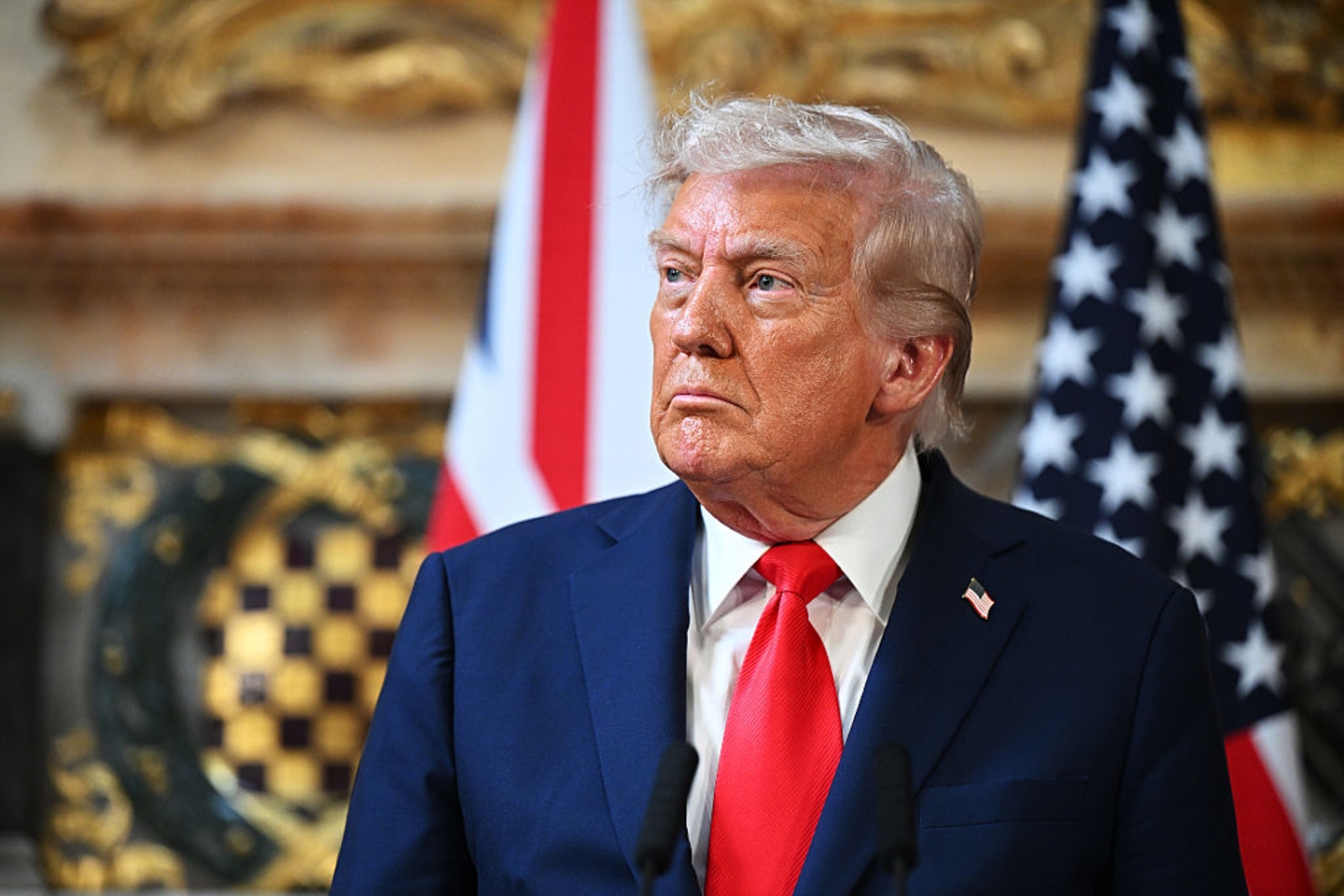
Trump said that NATO countries should shoot down Russian jets that enter their airspace
Leon Neal/Getty Images
advertisement
"We told you before: Ukraine is only the first. Now, Russian drones are already flying across Europe, and Russian operations are already spreading across countries."
"Putin wants to continue this war by expanding it, and no one can feel safe right now."