

Russian Blue or archangel blue cats are an original natural breed of cat found in Russia.
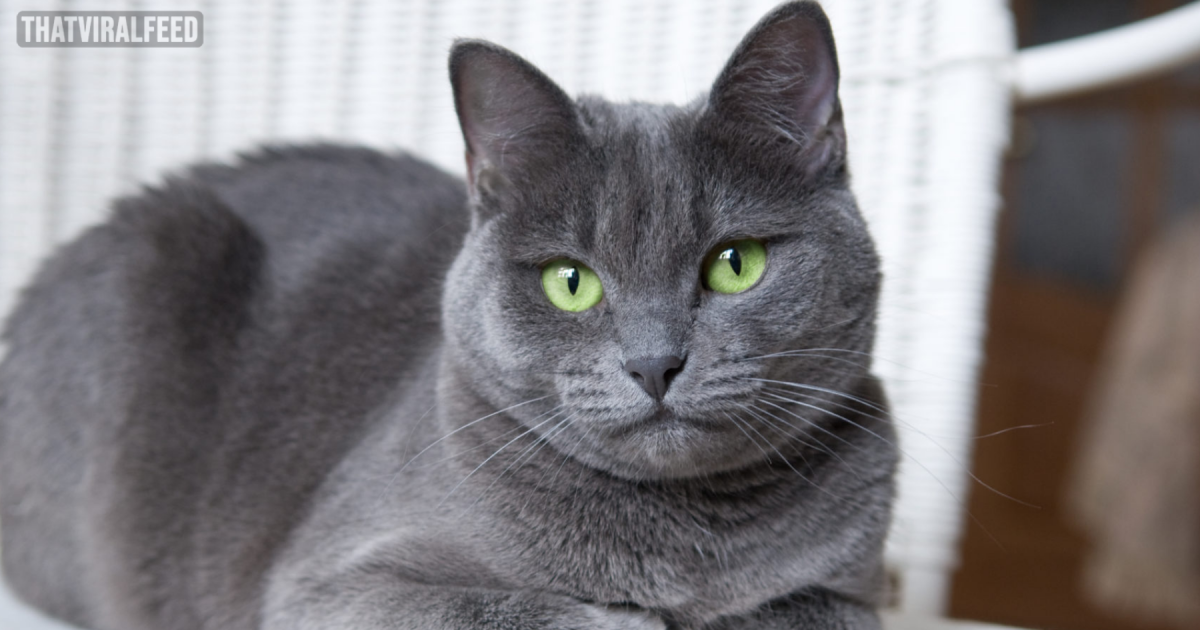
Russian Blue Cats Are One Of The Most Elegant And Distinguished Cats
By
Editorial Staff in
Animals
On 1st February 2016
advertisement
The sparkling, silvery blue coat and brilliant green eyes of the Russian Blue draw immediate attention to this shorthaired breed.
But it’s the intelligent and playful disposition that makes the Russian Blue a perfect pet for most households.
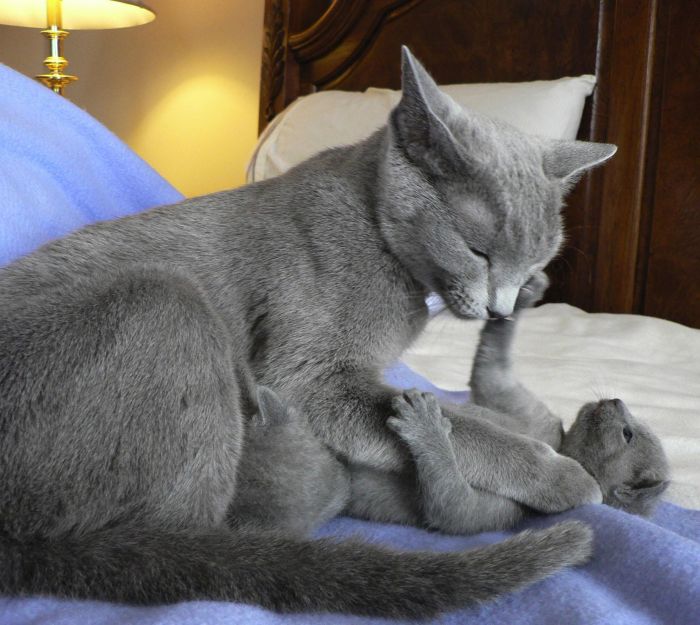
The Russian Blue cat can be called a 'true cat'.
You will find this cat to be lively, playful, cautious, and intelligent.
When you bring a Russian Blue cat into your family, it will get very attached to the family. It tends to be attached specifically to one or two family members.
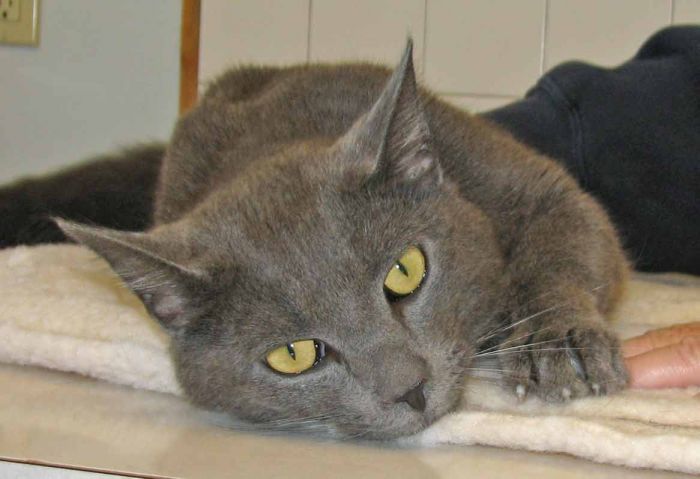
Once the cat selects you as a friend, you need to be ready to give lots of attention and care to it.
advertisement
Did You Know?
The Russian Blue was once known as the Archangel Cat, not for his angelic temperament but because he originated in the Russian port city of Archangel.
Russian folklore credits him with healing abilities and bringing good luck.
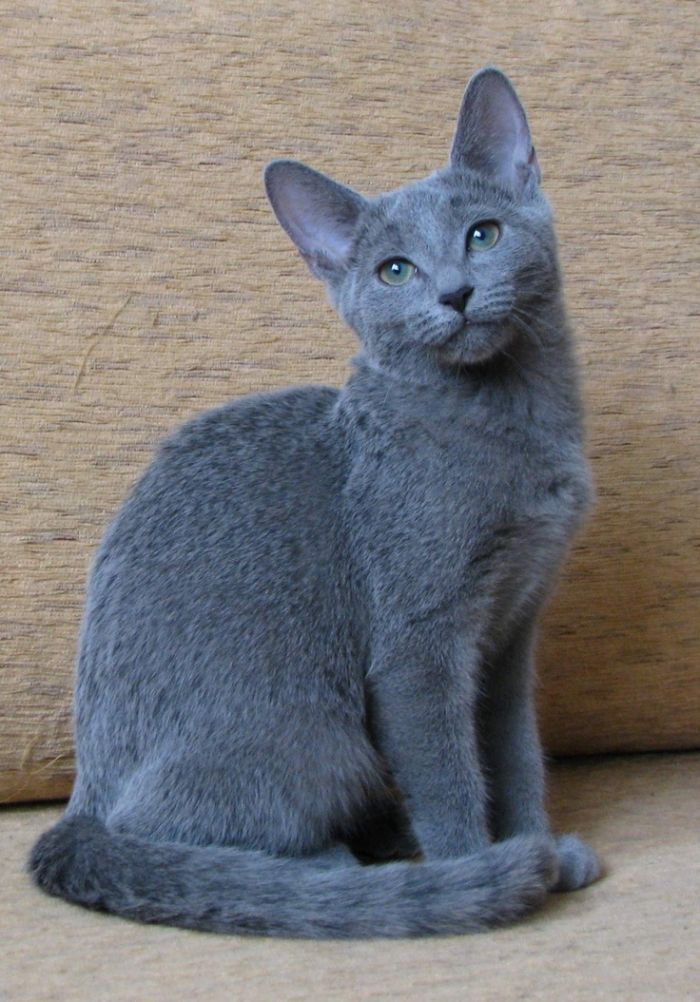
The Russian Blue is a cat breed that tends to come in colors varying from a light shale grey to a darker, opaque black.
The lighter-colored felines in this specific family tend to be more aggressive and territorial than their counterparts but are both very intelligent and playful, also tending to be more shy around strangers.
They develop close bonds with their human companions and are sought out as pets due to their personalities and coats.
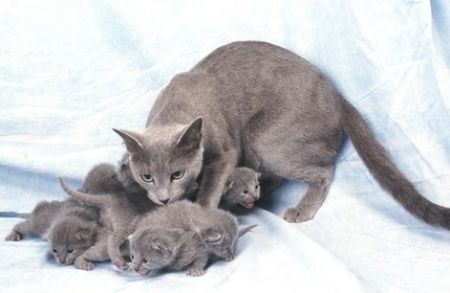
advertisement
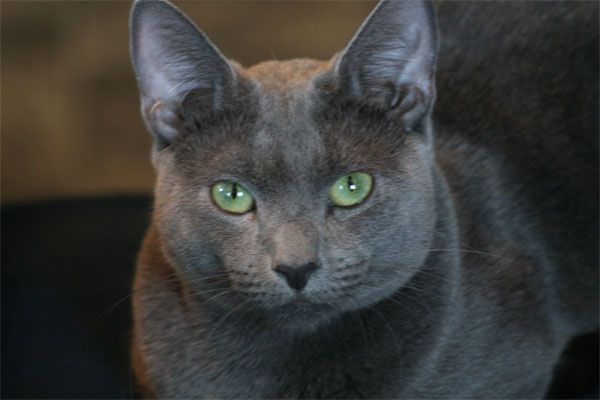
The Russian Blue is easily distinguished with her emerald green eyes and silver-tipped blue coat.
Though naturally shy, this feline is affectionate toward her family and gets along well with older children.
Highly intelligent, the Russian Blue has been reported to open doors. This clean, quiet-mannered cat thrives in a consistent, routine environment.
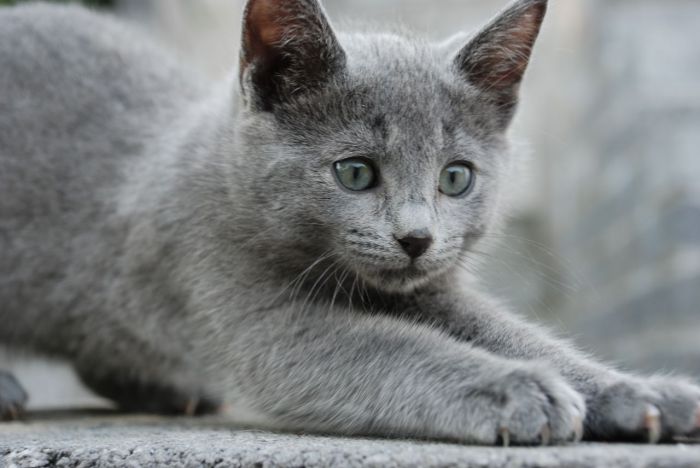
The Russian Blue is a healthy breed that does well when left alone for long periods.
advertisement
Did You Know?
The Russian Blue is believed to have descended from the royal cats of Russian czars.
The breed has been known by several names, including Archangel Blue or Archangel Cat, since it is believed to have originated in Russia’s port city of Arkhangelsk on the White Sea.
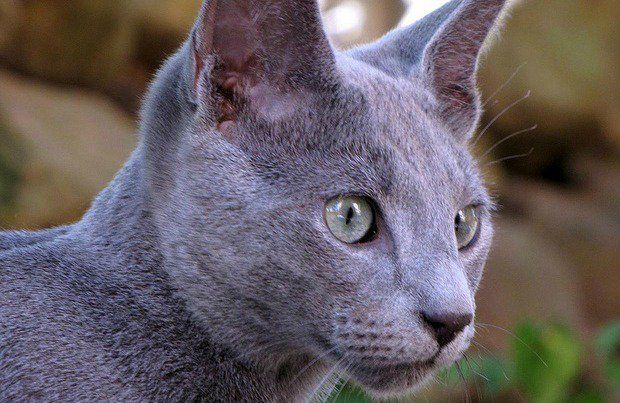
Other names are Spanish Blue, Foreign Blue, and Maltese Blue.
advertisement
The Russian Blue is a robust breed, with firm muscles and an overall dose of good looks.
It is physically in the same class as the Korat and Oriental Shorthair - long, slender, and elegant.
It is of a medium size and muscular, but compared to a swimmer in the compactness of its musculature.
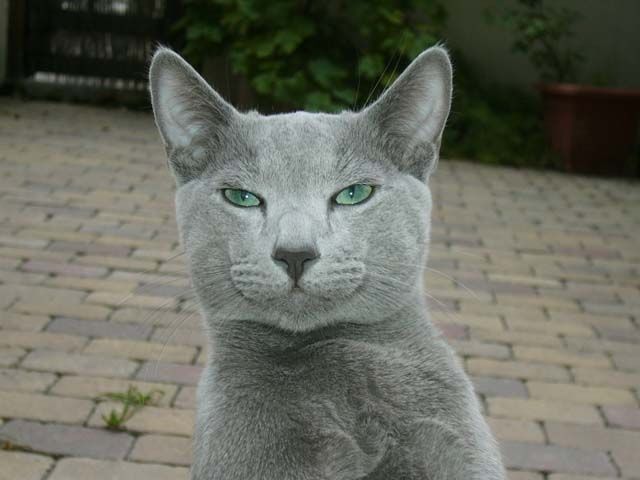
When it is in full motion and stretched out, one can see that it has a long, graceful neck, but the neck is hidden by thick fur and high-set shoulder blades when the cat is sitting, making it look as though it has a short, thick neck.
advertisement
The Russian Blue appears bigger than it actually is because of its double coat, which is the most eye-catching feature of this breed.
Dense, silky, and plush, the hair stands out at a 45-degree angle, allowing you to literally trace patterns into it, where they will remain until you smooth your hand over them.
According to some legends, the Russian Blue was at one time the target of hunters, who likened their luxuriant fur to the fur of seals.
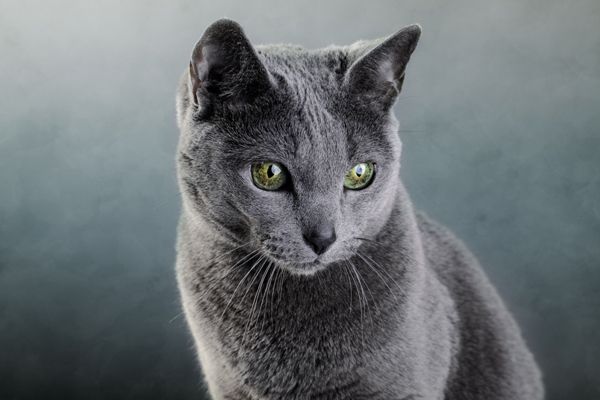
The coat is bright blue, preferably lavender at the base (root), darkening along the shaft up to the tips of the guard hairs (protective hairs in the topcoat), which are tipped in silver.
The coat shimmers with reflective light.
advertisement
Adding to the captivating physical qualities of this breed is the eye color.
The eyes are yellow while the Russian Blue is a kitten, and by four months there is a bright green ring around the pupil.
As the cat matures, the eye color graduates into a bright, vivid green, aesthetically intensifying the already remarkable blue-silver coloring of the cat.
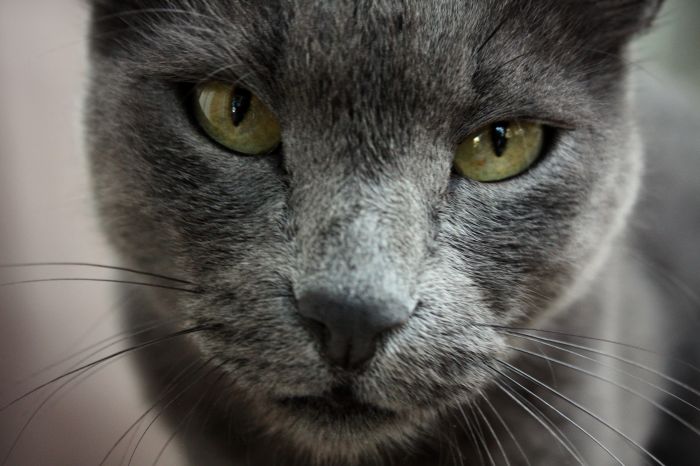
The eyes are wide set and round, and only slightly slanted at the upper corners, giving the Russian Blue a sweet expression that matches well with its gentle temperament.
advertisement
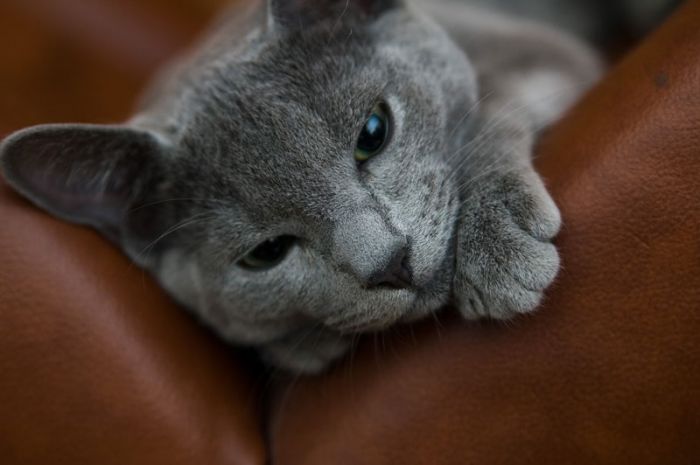
One of the more curious and amusing features of the Russian Blue is its “smile.”
It has a slightly upturned mouth, which is frequently compared to the enigmatic Mona Lisa smile.
advertisement
Russian Blues are gentle, genteel cats, and are usually reserved, or absent, when strangers are around.
When they're with their own beloved humans, however, they are affectionate and playful.
Russian Blues are active but not annoyingly so.
They like nothing better than to spend time retrieving a favorite toy or chasing sunbeams.
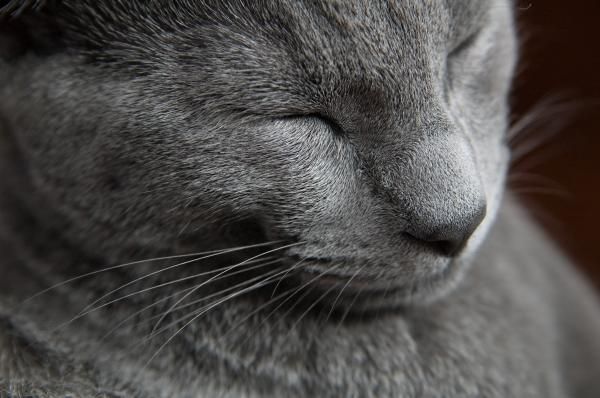
They willingly entertain themselves but prefer that their favorite humans join in the fun.
When you're home, they follow you around, unobtrusive but ever-present companions.
advertisement
Russian Blues like their usual routine and dislike environmental changes more than the average cat.
They particularly dislike changes to their dinner schedule.
They are also fastidious about their litter boxes and will complain if they're not spic and span.
The members of this breed are polite, quiet, and well-behaved.
It is easy to train them to stay off counters and out of off-limit areas with a simple 'No', but Russian Blues seem to think politeness should go both ways and take offense at being made to look silly.
You can trust them to know when you're laughing at them and they won't soon forget it either.
This breed's most distinctive feature, its beautiful double coat, is silky, plush, and so dense it stands out from the body.
You can literally draw pictures in the fur with your fingers and the patterns will remain until you smooth them over or until your feline friend tires of the game and walks off.
The coat's guard hairs bear silver tipping that reflects light, giving the coat a silver sheen. Combined with the vivid green eyes, the Russian Blue is a strikingly beautiful breed.
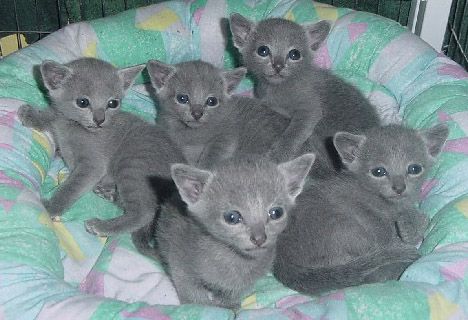
Even though it's short, the dense double coat does require some grooming to keep the coat looking its best.
Although blue is the only color accepted by the North American registries, in Australia, New Zealand, and England, other colors are recognized.
advertisement
This is a well-behaved cat that is easy to train.
Or, rather, it easily trains its people. It enjoys a good game of fetch and will keep the game going longer than you may have time for, and you will make time because the Russian Blue is known for actually appearing hurt when it has been ignored.
Elegant, and reserved, this cat is also very playful, and loves to chase after toys or sunbeams.
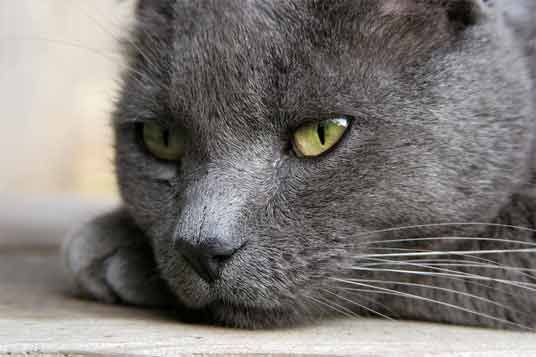
One of the Blue Russian's vulnerabilities is its tendency to be startled easily.
They also have a natural proclivity to shyness and nervousness around strangers and in strange environments.
If it is true that this breed was once the target of fur hunters (as some say), this would easily account for their caution and quick-footedness.
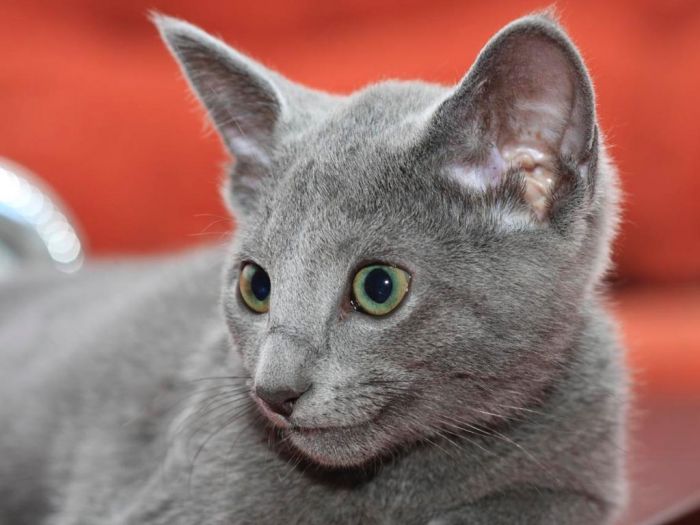
They would have had to move fast at the slightest sound to quite literally preserve their own skins.
The Russian Blue are not believed to be related to other short-coated blue breeds, like the Korat, Chartreux or the British Shorthair.