

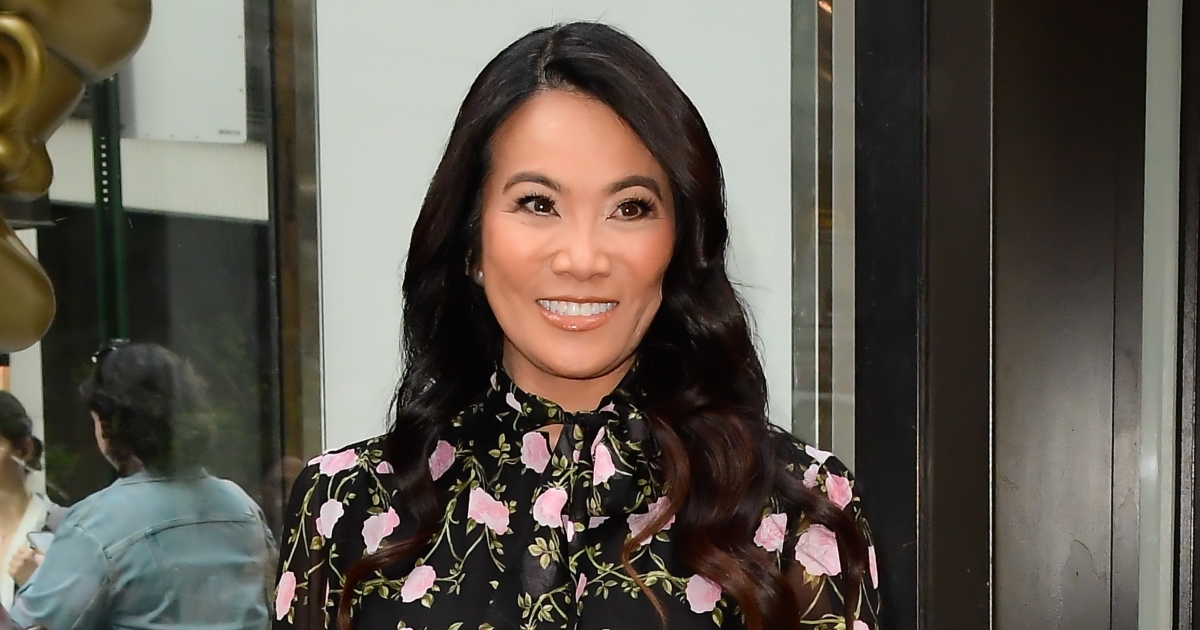
Sandra Lee has shared the early warning signs she noticed before suffering a stroke.
advertisement
Sandra Lee, best known to many viewers as Dr. Pimple Popper, has spoken about the frightening reality of suffering a stroke four months ago and the effect it has continued to have on her daily life. Her story has drawn attention because the warning signs started in a way that could have been easy to brush off.
The 55-year-old dermatologist said she began feeling unsteady on her feet while filming her show before eventually going to the emergency room. Speaking on Today With Jenna & Sheinelle on Wednesday, April 15, she looked back on the experience and explained how the symptoms first started showing up.
"At the end of the day I was feeling crabby, as I usually am because it's a long day [of shooting], but I was having trouble swallowing," Lee recalled as she described what happened in November last year.
"I had a very restless night, and I got up to go to the bathroom in the middle of the night, and I felt like I was unsteady but… I was just trying to sleep, because I knew the next day I had to work, right?"
When the symptoms were still there the next morning, Lee decided to carry out a small neurological check on herself. As a doctor, she knew enough to test whether both sides of her body were responding the same way.
She held both arms straight out in front of her. One stayed where it should have, but the other dropped, which was a clear sign that something was wrong and that this was not just ordinary tiredness after a long day.
advertisement
Why her symptoms stood out
What made the situation especially serious was that more than one warning sign appeared at the same time. Trouble swallowing, balance problems, weakness in one arm, and changes in speech can all point to a stroke, especially when they come on suddenly.
Lee's account also shows how easy it can be to delay action, even for someone with medical training. She was tired, it was late, and she knew she had work the next day, so part of her hoped it might pass.
That kind of hesitation is one reason stroke awareness matters so much. People do not always expect something severe to begin with symptoms that can at first feel vague or easy to explain away.
"It wasn't huge," she said, "but it was something."
Once she saw that change, Lee became much more concerned about what it might mean. She contacted both of her parents, who are also doctors, and they immediately told her she needed to go to the emergency room.
"As soon as I told them, I'm noticing weakness and I'm stumbling and my voice is a little bit… I was dysarthric, which means you have a tough time enunciating. They just swept me right in," she said.
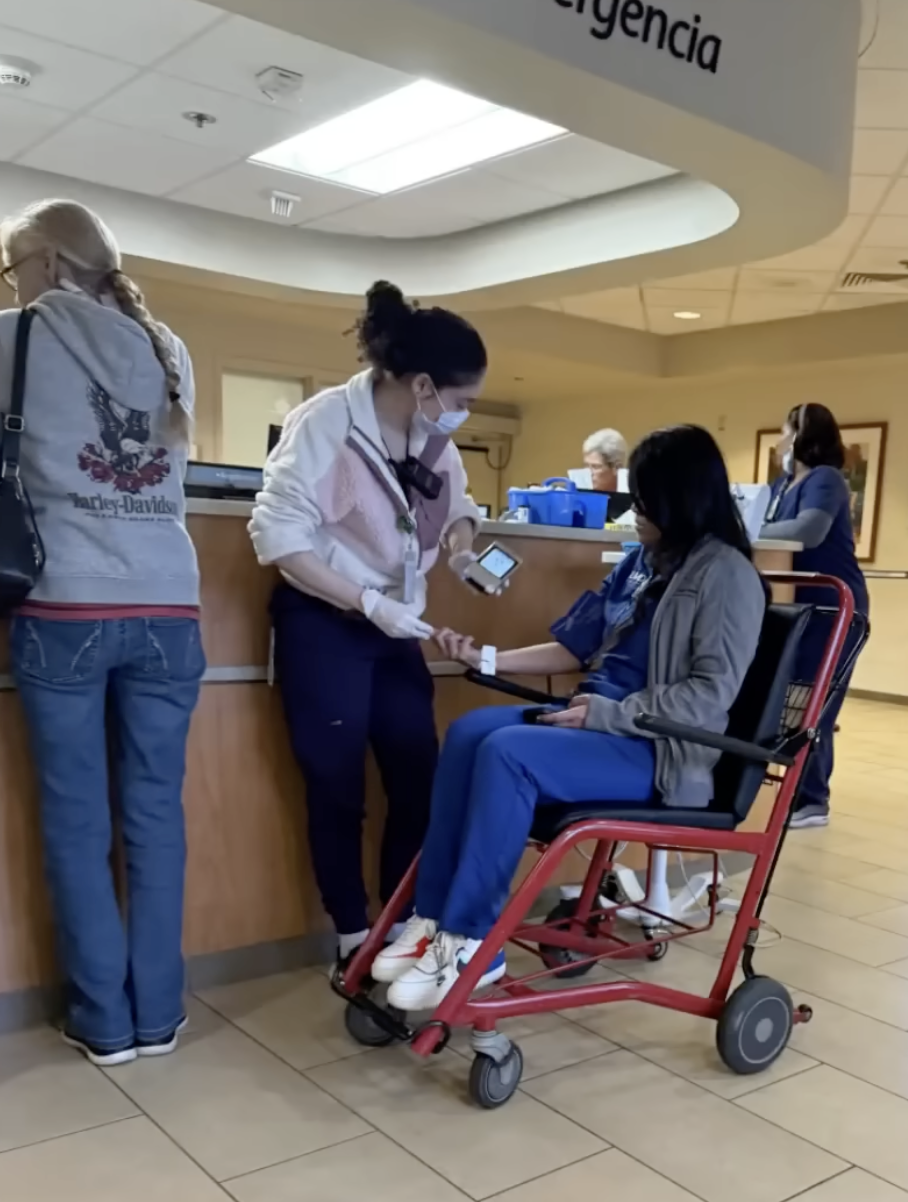
Sandra Lee was filming for her show, Dr Pimple Popper, when she suffered a stroke
TODAY with Jenna & Sheinelle
advertisement
"It's like stroke protocol. I was talking to them, and as I was speaking to them, they wheeled in a wheelchair and just took me back."
Looking back on the experience, Lee stressed how important it is for people to recognize stroke symptoms and respond right away if they think they or someone close to them may be having one. Her message was simple: fast action can make a major difference.
advertisement
B.E.F.A.S.T stroke symptoms
- B - Balance
- E - Eyes
- F - Face Drooping
- A - Arm weakness
- S - Speech difficulty
- T - Time to call 911
This is especially important in cases of ischemic stroke, which is the type Lee said she had. If treatment begins quickly enough, doctors may be able to reduce the risk of long-term damage.
"Even as a doctor, I could recognize these things, but as a woman, being young, you think it's not gonna happen to you," she said.
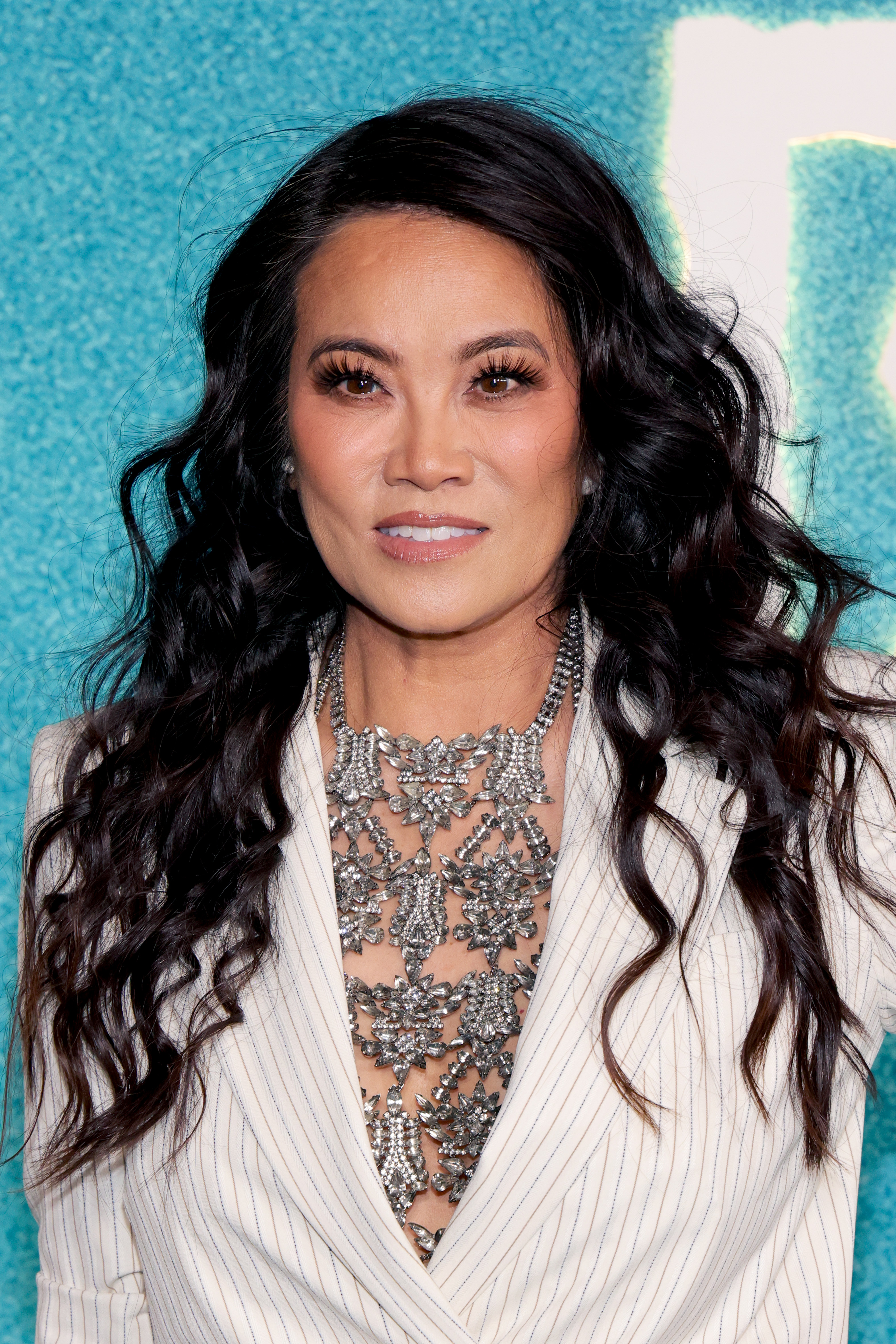
Lee almost ignored her life threatening symptoms
Julian Hamilton/FilmMagic
advertisement
Why acting fast matters
Lee's experience underlined one of the biggest stroke lessons doctors repeat over and over: time matters. The longer someone waits, the greater the chance that the stroke may cause damage that could have been reduced with quicker treatment.
That is why stroke checklists like B.E.F.A.S.T are pushed so heavily in public health advice. They give people a quick way to spot warning signs that might otherwise be missed in the moment.
Her case also stands out because she recognized several symptoms herself, yet still waited through the night. That delay is understandable, but it also shows why people should take even small changes seriously when they involve speech, balance, vision, or weakness.
advertisement
"It was at nighttime for me. Like, I tried to sleep on it, and so I think I missed that window, and that really is key."
After the stroke, Lee stopped filming her series Dr. Pimple Popper: Breaking Out right away and spent the rest of the year focusing on recovery. That pause gave her time to concentrate on healing rather than trying to push through work.
"I don't like that I don't have total control of my left hand or the grip wasn't as strong," she told PEOPLE.
advertisement
"If I feel like I'm not at my best, it's very scary."
Over the past few months, she has been doing physical and occupational therapy to help improve her balance and movement. Recovery has been ongoing, and her comments make clear that even when someone gets medical help, the effects of a stroke can continue long after the emergency itself has passed.