

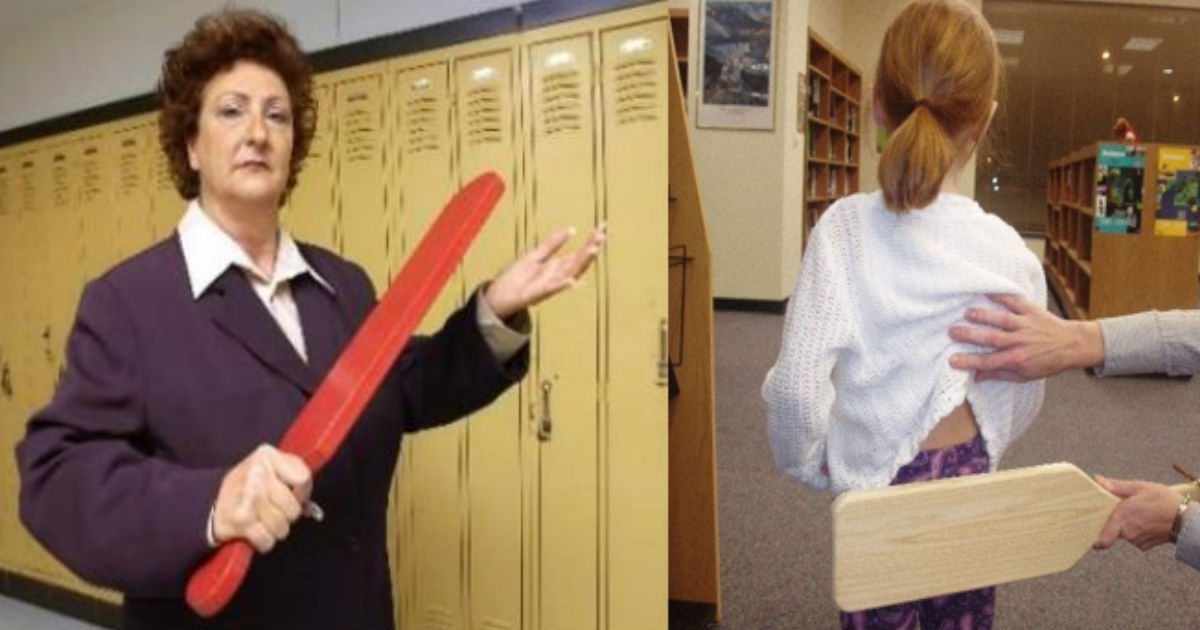
Texas public schools have decided to reintroduce corporal punishment bringing back paddling. Under the new policy, teachers can use a wooden paddle to punish disobedient students, administering one paddling for misbehaving attitude.
advertisement
#1
Handling school students can be a tiresome and nerve-wrecking job. Trying to discipline students and stopping them from misbehaving is a tedious job for teachers. But does this allow the teachers to use any form of physical punishment on the students?
Back in the days, physical punishment like whipping and hitting students was very common in the US. and this Texas school decided to bring these old punishments back, bringing back paddling.
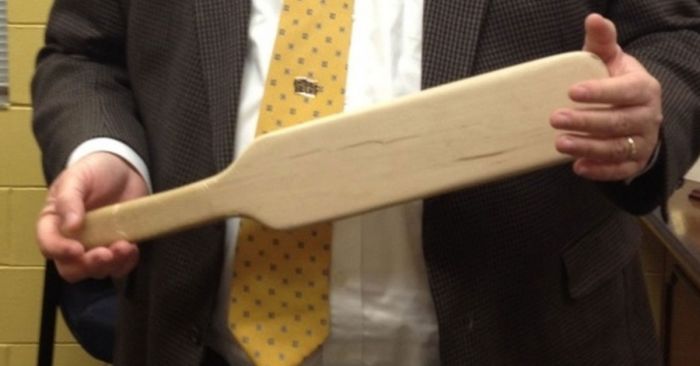
picture for representation purpose only
#2
Under the new policy, teachers can use a wooden paddle to punish disobedient students, administering one paddling for each misdemeanor.
At the time of enrolment, parents would have to sign whether they consent to this punishment or not. This needs to be done in both written and verbal complaints to avoid any future confusion. And guess what many parents support this new policy.
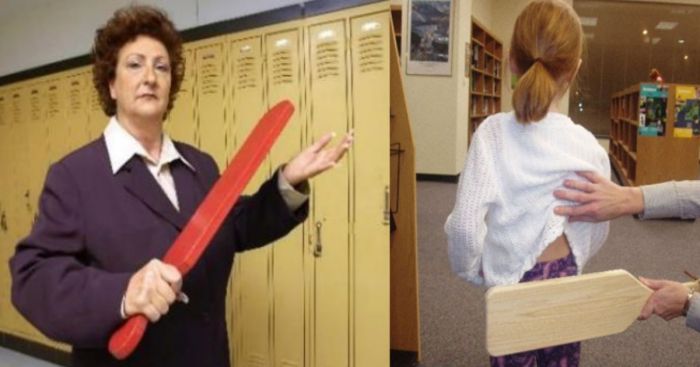
picture for representation purpose only
advertisement
#3
Paddling punishment is not for kids who forget their homework or who are found in the hallway. It is purposely for those who bully others or do wrong things.
The National Association of School Psychologists defines corporal punishment as:
“The intentional infliction of pain or discomfort and/or the use of physical force upon a student with the intention of causing the student to experience bodily pain to correct or punish the student’s behavior.”
And according to the Texas Classroom Teacher Association, corporal punishment is:
“Deliberate infliction of physical pain by hitting, paddling, spanking, slapping. Or any other physical force used as a means of discipline.”

picture for representation purpose only
#4
However, the American Academy of Pediatrics (AAP) has taken a strong stance against corporal punishment in schools. The organization claims schools shouldn’t use any type of physical punishment.
Despite these protests against paddling, public schools of 19 states throughout the US are allowing paddling. And schools that continue to use back paddling promises that there’s no prejudice or discrimination involved.
The schools have stated that these punishments work in helping kids remember they should stay well-behaved while at school. They hold the view that disciplining kids isn’t about controlling kids. Instead, it all about teaching them to control themselves thus, it is the best strategy to help children learn from their mistakes. Teachers should also use forms of punishment that cultivate better decision-making skills.
But honestly, is violence ever the answer?
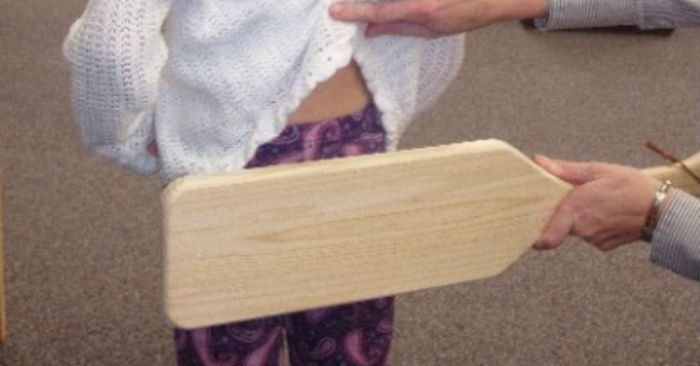
picture for representation purpose only