

Up until now, the scientific literature was pretty much as divided as the internet on whether the large amount of fluid emitted from women upon orgasm represents “real” female ejaculate, or whether it is simply urine. But a recent study published by the International Journal of Urology has proved that the main component of 'squirt' fluid is indeed urine.

Scientific Study Confirms Squirt Is Pee
By
Zainab Pervez in
Health and Fitness
On 22nd September 2022
advertisement
For many centuries, there has been the mystery of what and where the liquid that is expelled during vaginal sexual intercourse is and comes from. It was even mentioned in the fourth century in several Chinese Taoist texts.
Research has now shown that the main component of fluid produced by “squirting” is urine. A secondary fluid was also found, and scientists believe this ejaculate's origin to be Skene's gland also known as the Female Prostate. Yes, there was a study on this, that was approved by the Ethics Committee of Okayama Central Hospital, and the methods section of the paper is very intense.
For those who are unaware, squirting is the expulsion of fluid (involuntary) from the female urethra following stimulation and typically occurs before or during an orgasm.
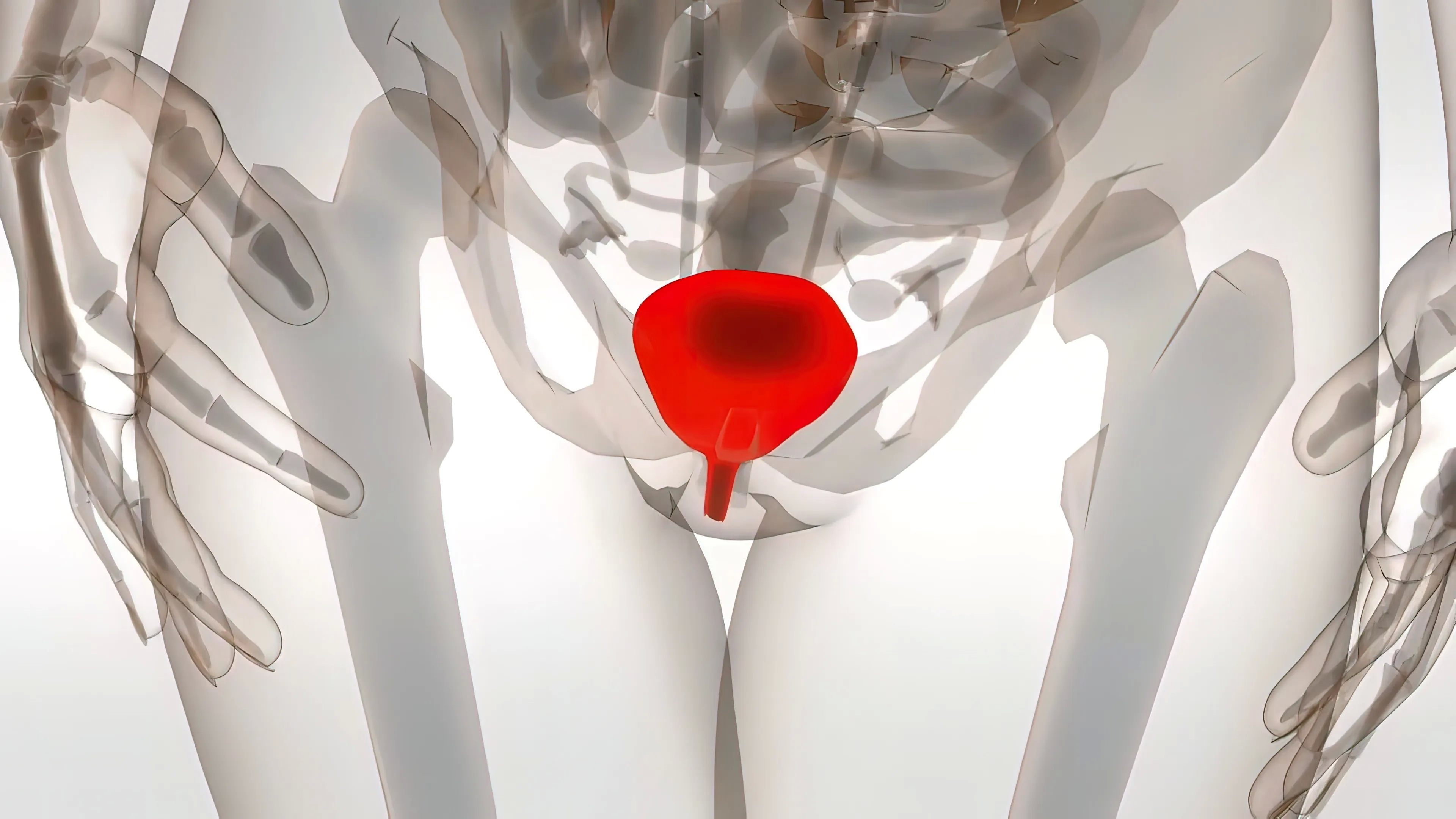
Previous experiments have focused on determining the liquid’s chemical makeup, finding it to be chemically identical to urine, but these studies ignored the physical source of the copious fluid.
advertisement
The study took place in Japan and is published by the International Journal of Urology. The subjects were women who were able to squirt. They were not sex workers. A urethral catheter was inserted before sexual stimulation and the bladder was emptied. Then, a mixture of indigo carmine (10 ml) and saline (40 ml) was injected into the bladder.
Sexual stimulation was provided to facilitate squirting, which was videotaped and verified. The secretions were collected in sterile cups, and prostate specific antigen (PSA) and glucose levels were measured.
Five women (2 in their 30s, 2 in their 40s, and 1 in their 50s) participated in this study. All women were able to squirt; three squirted only with manual sexual stimulation and two with penetrative sexual stimulation. The discharged fluid was blue in all cases, confirming the bladder as the source. The fluid was PSA-positive in four patients.
Meaning there most likely is extra ejaculation mixed in with the urine. Hence the Skene's gland theory. But the main component of squirt fluid is urine.
advertisement
It is thought that 10-54 percent of women are capable of squirting, and often the volume expelled is 1-900 ml. Despite this, the components of the fluid and how it is discharged were relatively unknown.
So, in conclusion, there are three fluids that females release during sexual stimulation. One is a 'lubricant' released upon arousal, the second is urine which makes up the majority of 'squirt', and third is the milky female ejaculate that sometimes accompanies the urine.
So there you have it: it’s mostly just pee after all!