

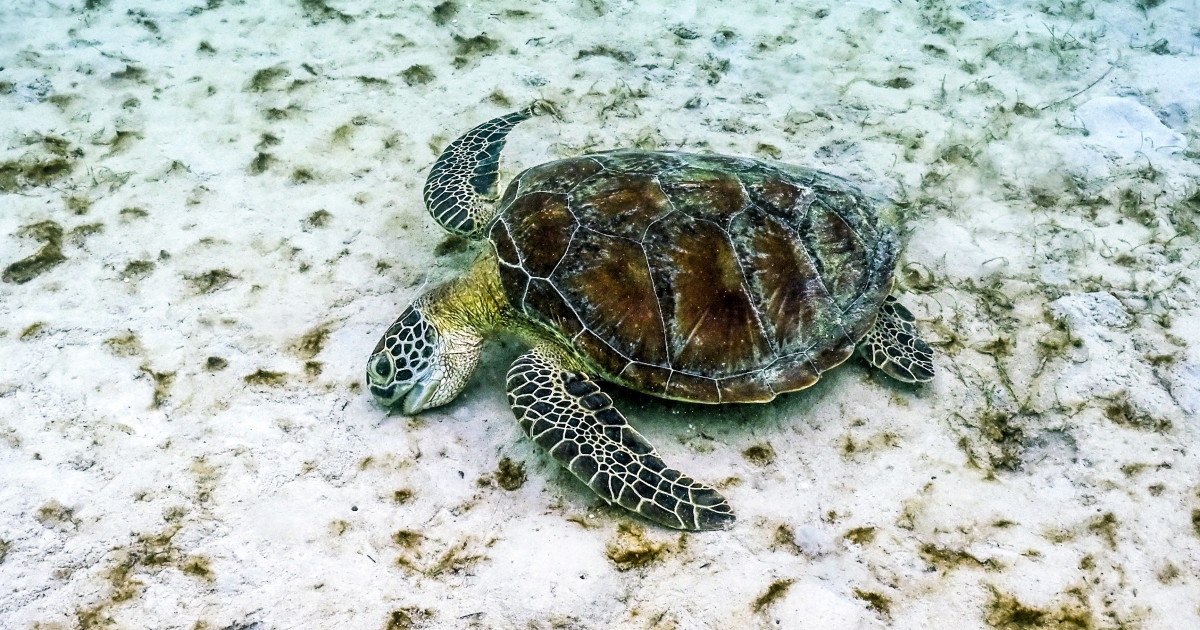
More than one hundred northern map turtles were discovered dead in a Canadian lake, raising questions about environmental changes and the future of the species.
advertisement
Researchers in Canada discovered more than one hundred dead turtles in a lake, and the finding raised serious questions about what might happen in the future.
Carleton University biologist Gregory Bulté encountered the grim scene in 2022 while studying wildlife in Ontario’s Opinicon Lake.
He found smashed shells and partially eaten turtles scattered throughout the area, showing that a major predation event had taken place.
As Bulté swam through the lake collecting the remains, he filled bucket after bucket with the bodies of northern map turtles that had died in the attack.
A shocking number of turtles discovered
Speaking with CNN about the experience, the scientist explained that he did not know when the grim collection process would finally stop.
By the time he finished gathering the remains, he had counted nearly 150 dead turtles.
Because Bulté monitors the wildlife population in the lake, he knew that the number represented about ten percent of the entire turtle population living there.
That raised an immediate question about what could have caused such a large number of deaths in one place.
Researchers initially considered several possibilities, including chemical contamination, pollution, human interference, or a natural environmental event.
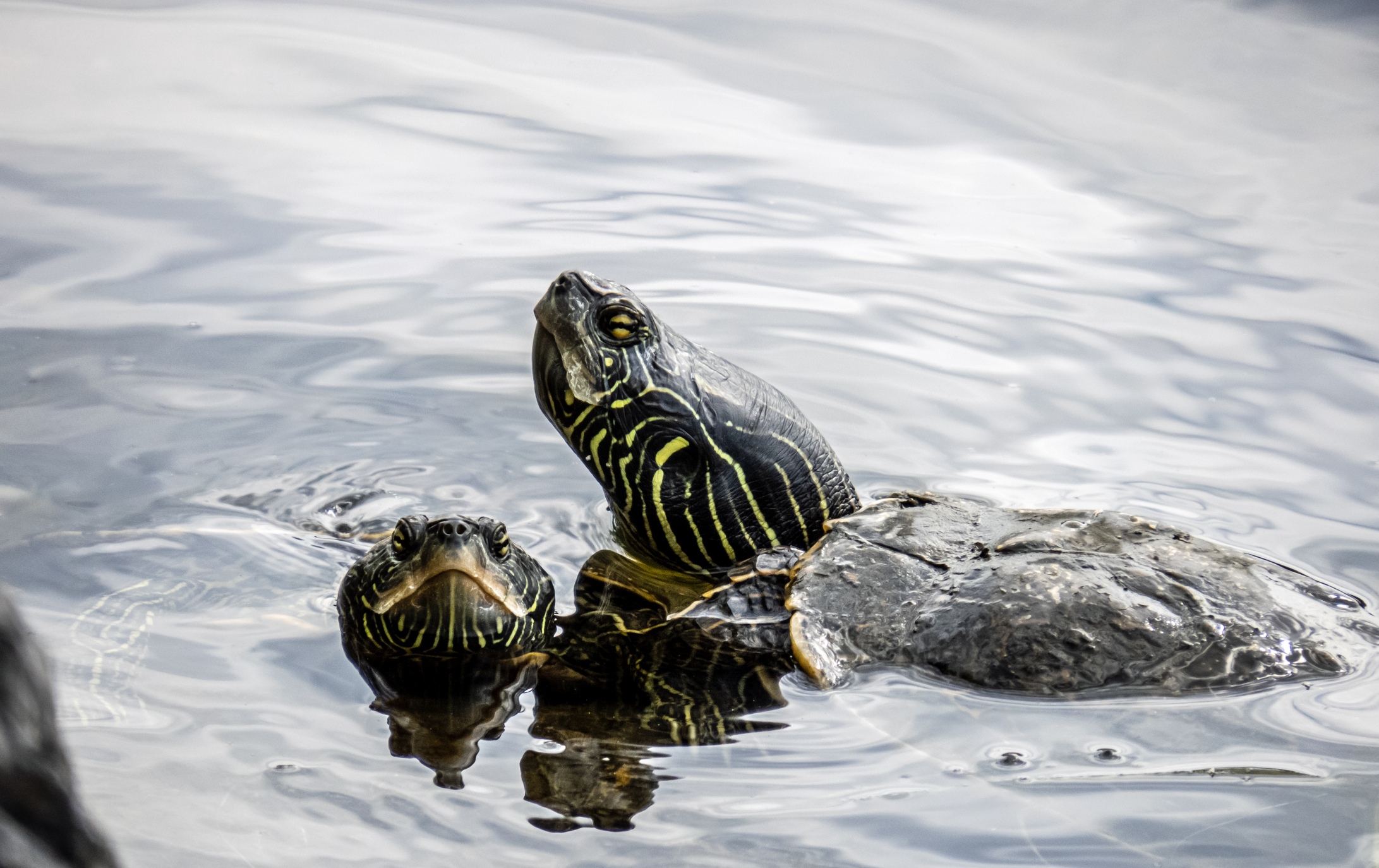
The northern map turtles were found dead
Getty Stock Images
advertisement
The unexpected predator behind the deaths
After further investigation, scientists identified the cause of the deaths.
The turtles had been killed by river otters, which are known predators of turtles.
While otters occasionally hunt turtles, the scale of this event surprised researchers.
According to Bulté, nothing like this had ever been recorded at the lake before.
To understand why it happened, the research team examined the conditions in the lake and began eliminating other possible explanations.
How changing conditions may have played a role
The investigation eventually pointed to a surprising factor that may have influenced the event: changing climate conditions.
Bulté explained that northern map turtles often spend the winter resting on the lakebed.
Unlike some other species, they do not bury themselves in the sediment for protection.
Instead, they remain exposed on the bottom of the lake, which can leave them vulnerable to predators.
"Maybe it got a little bit warmer, it melted along the shoreline and (otters) were able to sneak in," he said.
advertisement
The role of warming temperatures
The situation raises the question of whether climate change may be influencing these unusual predation events.
During winter, lakes in the region normally freeze over with thick layers of ice.
This natural barrier usually prevents predators from accessing the turtles resting below.
However, researchers observed openings in the ice during the period when the turtles were attacked.
These gaps in the ice may have formed because of unexpected warming during the winter season.
advertisement
Bulté explained that he has noticed earlier and earlier springs in recent years while studying the lake ecosystem.
Speaking to the outlet, he said: "We're going to have less reliable ice. So, we are certainly wondering if this is going to affect opportunity for predations in the future."
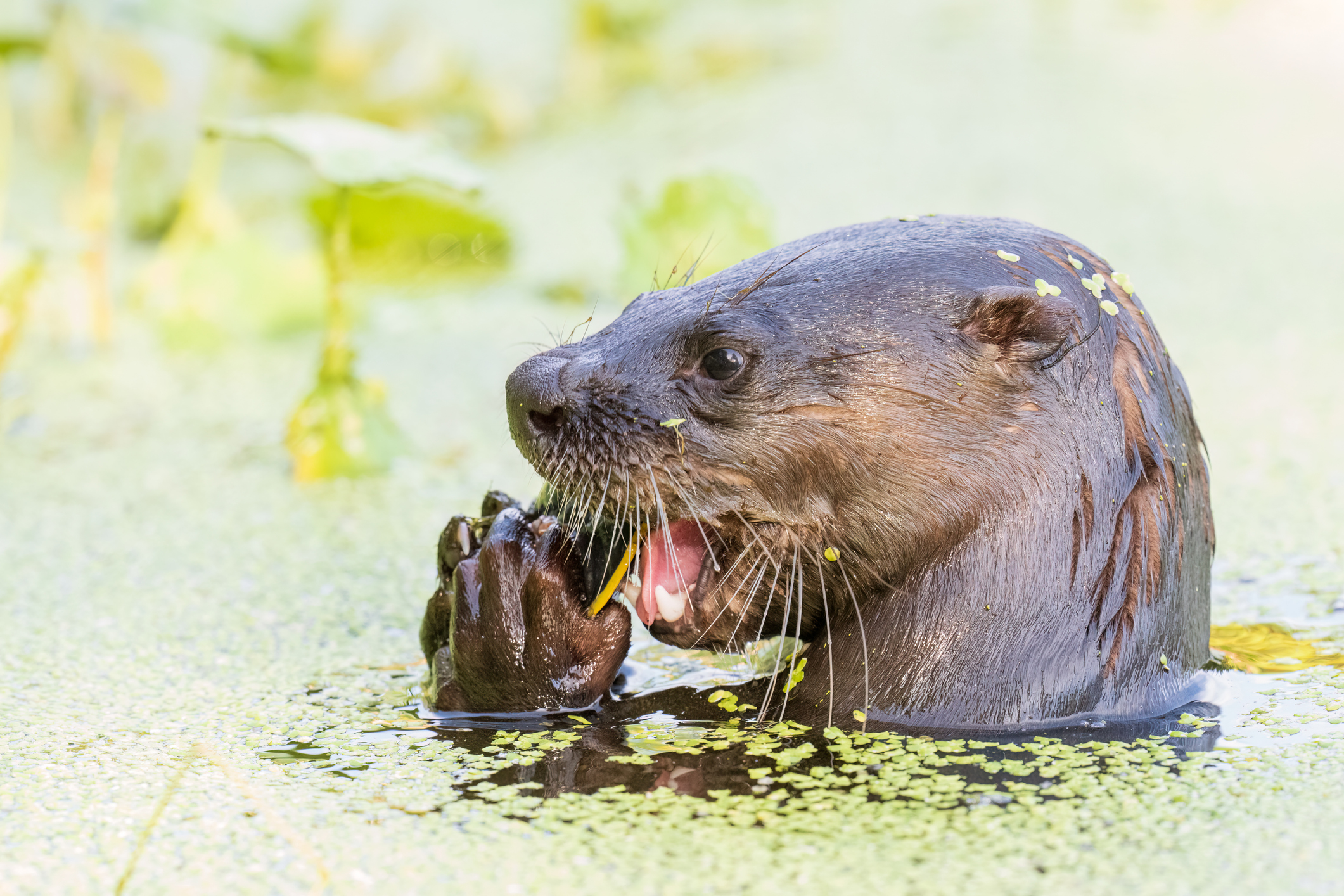
River otters made a snack of the turtles
Photo by Carlos A Carreno/c3.photos via Getty Images
advertisement
Why the discovery matters for the species
If warming weather continues to arrive earlier each year, turtles resting on the lakebed could face increasing danger.
When the ice cover becomes unreliable, predators such as river otters may gain easier access to the turtles below.
Because the turtles gather together in groups during winter, a single predation event can affect a large portion of the population.
Bulté noted that while the species may be able to cope with some predation events, the situation becomes more serious when multiple pressures occur at the same time.
He explained that environmental stress can accumulate over time and described it as “death by a thousand cuts.”
The concern is especially serious because similar predation events recorded in the 1980s are still affecting the population today.
advertisement
Protected status of northern map turtles
The Ontario Turtle Conservation Centre notes that northern map turtles already have a protected status in the region.
The organization explains that strict rules exist to protect the species from being captured or kept as pets.
According to information on its website: "The Map turtle has a status of special concern both provincially and federally. They are protected from collection and ownership in Ontario under the Fish & Wildlife Conservation Act."
Because of their protected status and slow reproductive cycle, scientists say large losses within a single population can have lasting effects.
For researchers studying the lake, the discovery serves as a reminder that even small environmental changes can have major consequences for wildlife.