

Researchers believe the new formula could soon be available as an everyday skincare product.
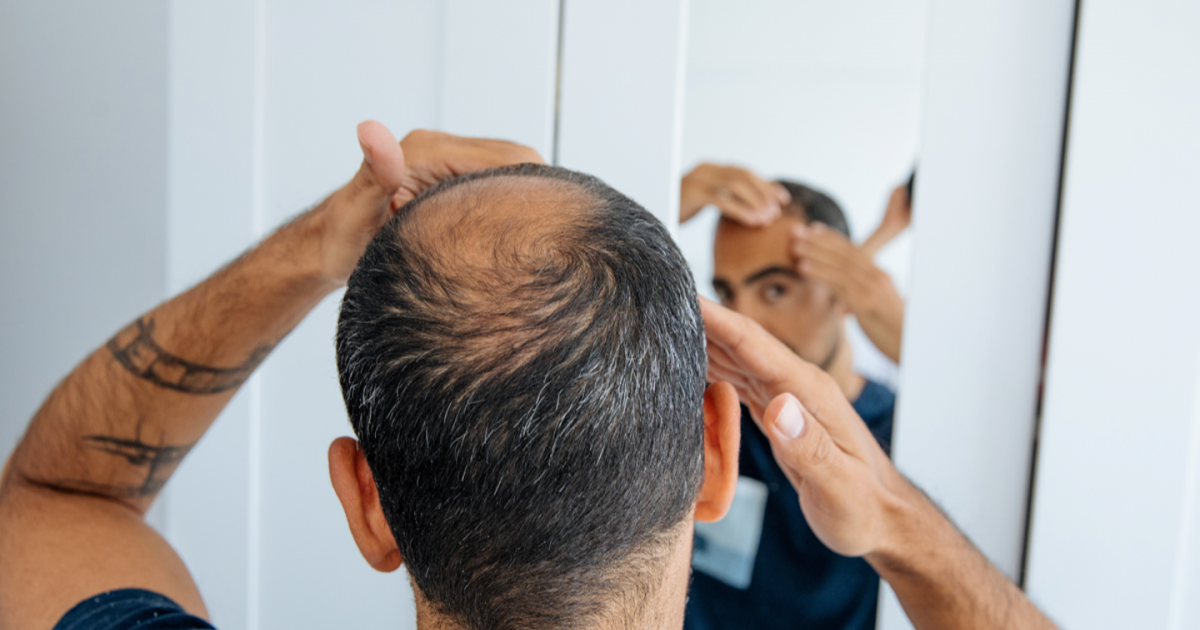
Scientists Discover Groundbreaking 20-Day Treatment That Could Reverse Hair Loss
By
maks in
Health and Fitness
On 3rd November 2025
advertisement
Scientists have announced what could be a major step forward in the fight against hair loss — a potential treatment that appears to restore growth in as little as 20 days. The discovery is already being described as one of the most promising developments in years.
Hair loss impacts over 80 million Americans, affecting both men and women, though it’s significantly more common among men. The condition most often linked to balding, androgenetic alopecia, affects millions every year and can begin much earlier in life than most people expect.
Research suggests that roughly two-thirds of men experience noticeable thinning or hair loss by age 35, and by age 50, that figure rises to nearly 85 percent. The emotional and psychological toll can be significant, driving many to seek solutions that often come with high costs and risks.
To maintain a youthful appearance, countless individuals have turned to hair transplant surgery — a costly and sometimes painful option that doesn’t always produce the desired results. While transplants are generally safe, the National Institutes of Health (NIH) warns of potential complications ranging from itching and scarring to more serious risks like infection or even skin necrosis.
Because of these concerns, experts say a non-surgical option would be a game changer. If the new treatment continues to show promising results, traditional procedures could eventually become unnecessary for many patients.
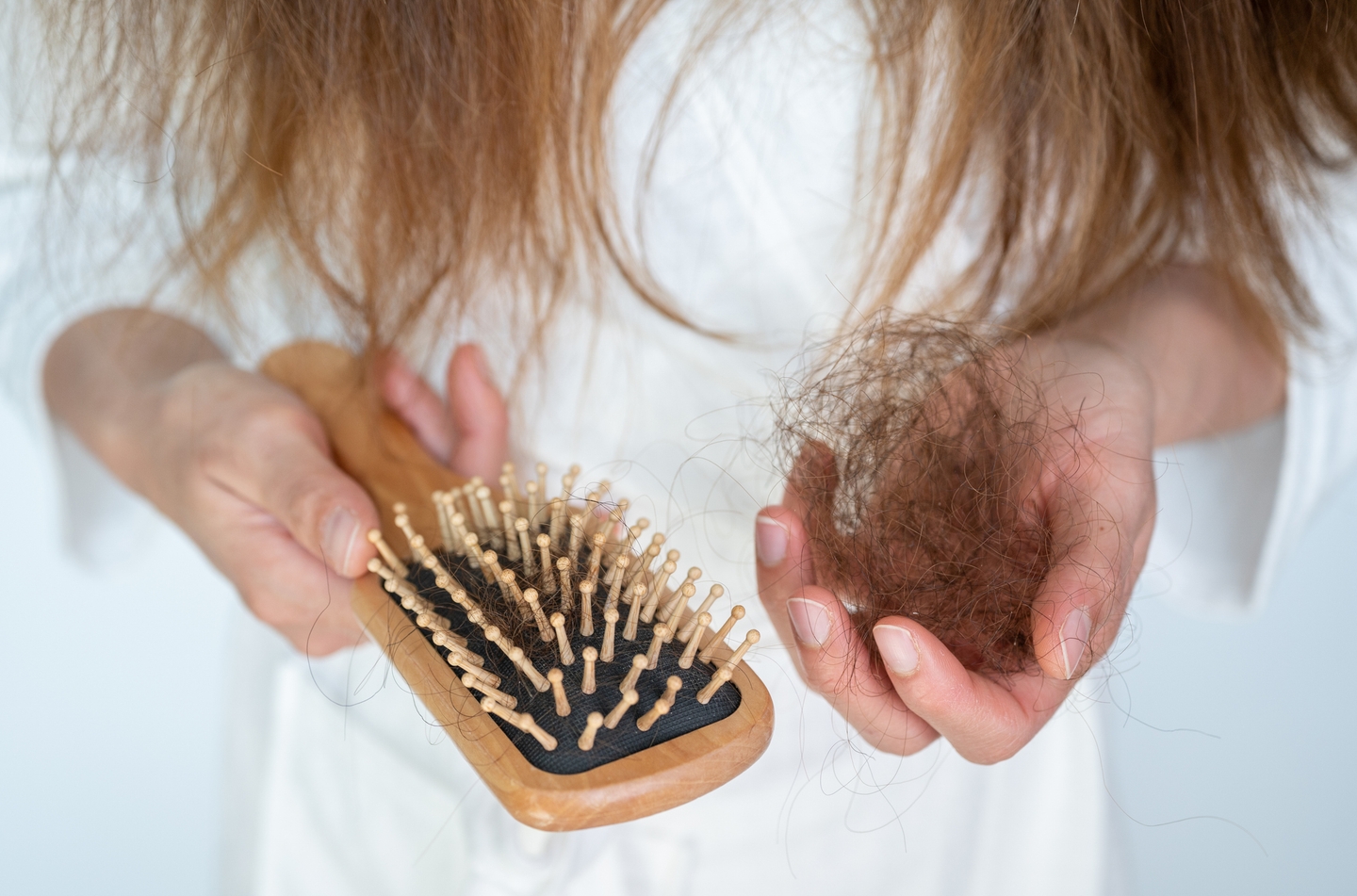
Hair loss affects a huge percentage of the population
Getty
advertisement
Researchers from National Taiwan University have developed a topical serum that can be applied directly to the skin — and early results in lab tests have been remarkable. Their study, published in the journal Cell Metabolism, shows the formula successfully restored hair growth in mice under controlled conditions.
The serum appears to work by stimulating fat cells beneath the skin, which in turn trigger the regeneration of dormant hair follicles. This biological reaction led to visible regrowth in areas where hair had previously been lost.
According to the scientists, the serum is made from naturally occurring fatty acids rather than synthetic chemicals, meaning it is gentle on the skin and unlikely to cause irritation. They believe the formula could eventually be adapted into a safe, over-the-counter skincare product.
Study author Professor Sung–Jan Lin from National Taiwan University said he was so confident in the formula that he decided to try it himself. Curious about the potential effects, he tested a small amount on his own legs to observe the results firsthand.
Speaking with New Scientist, he said: "I personally applied these fatty acids, dissolved in alcohol, on my thighs for three weeks and I found it promoted hair regrowth."
The findings also build on previous research suggesting that minor skin injuries or irritation can sometimes trigger hair growth, a reaction known as hypertrichosis. This provided a scientific foundation for exploring how controlled stimulation might encourage regrowth.
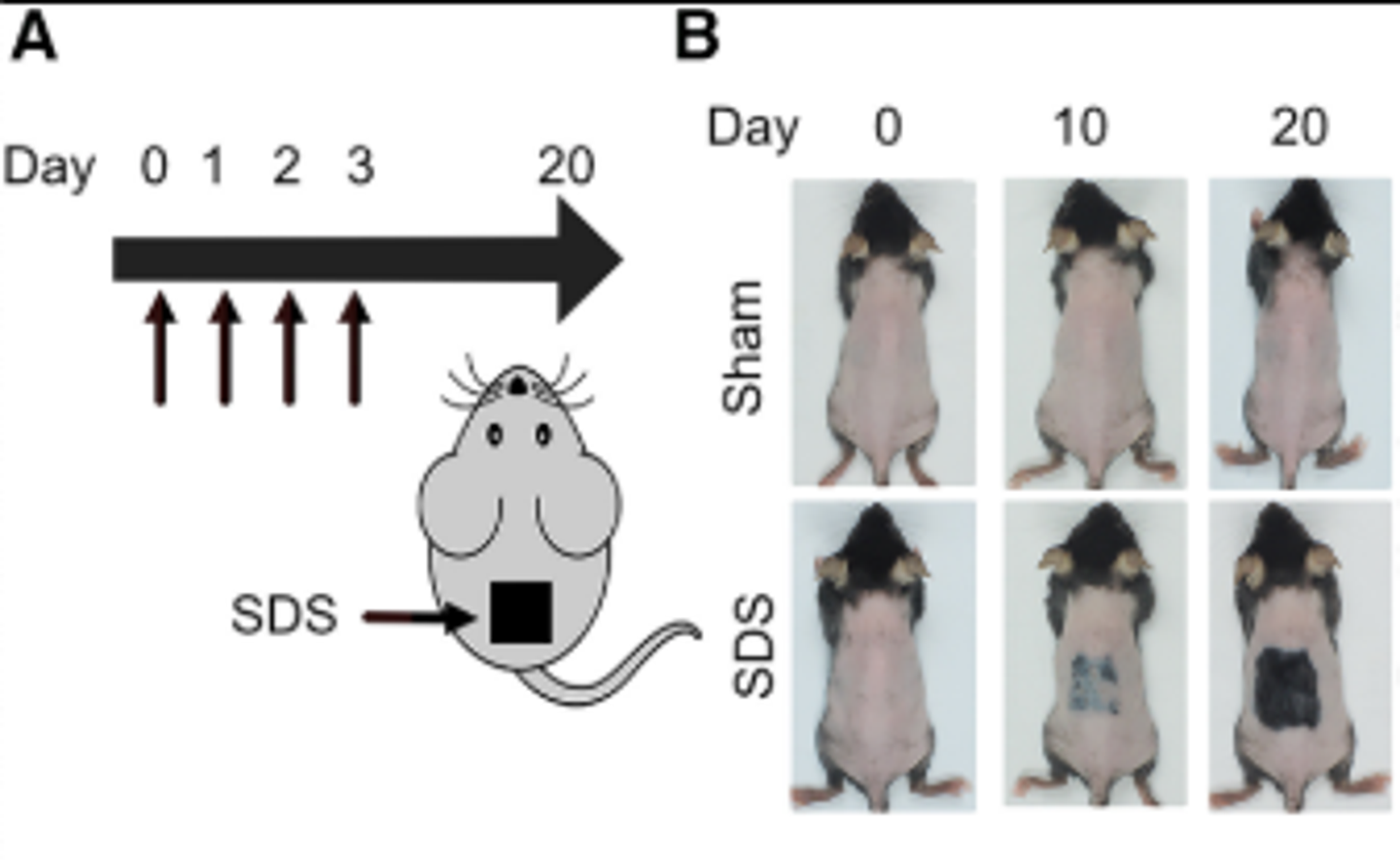
The research shows the hair grew back in the mice
Cell Metabolism
advertisement
To test the theory, the team created mild irritation on small shaved patches of skin on mice using a chemical called sodium dodecyl sulfate (SDS). Within 10 days, researchers observed new hair follicles forming — some measuring just fractions of a millimeter wide — across the affected areas.
Interestingly, no new growth appeared on untreated patches or in control groups that did not receive the chemical application. This clear difference helped confirm the connection between irritation and follicle activation.
advertisement
Researchers now believe that the irritation triggers immune cells to move into the fatty layer beneath the skin, where they release fatty acids absorbed by dormant hair follicle stem cells. This interaction seems to “wake up” the follicles and restart hair growth at the cellular level.
"These results demonstrate that skin injury not only induces tissue inflammation but also stimulates hair regeneration," the study authors explained in their report.
To reduce potential irritation, the team later developed a version of the treatment that used modified fatty acids without chemical additives. This approach produced similar regrowth results but caused far fewer side effects, making it more suitable for long-term use.
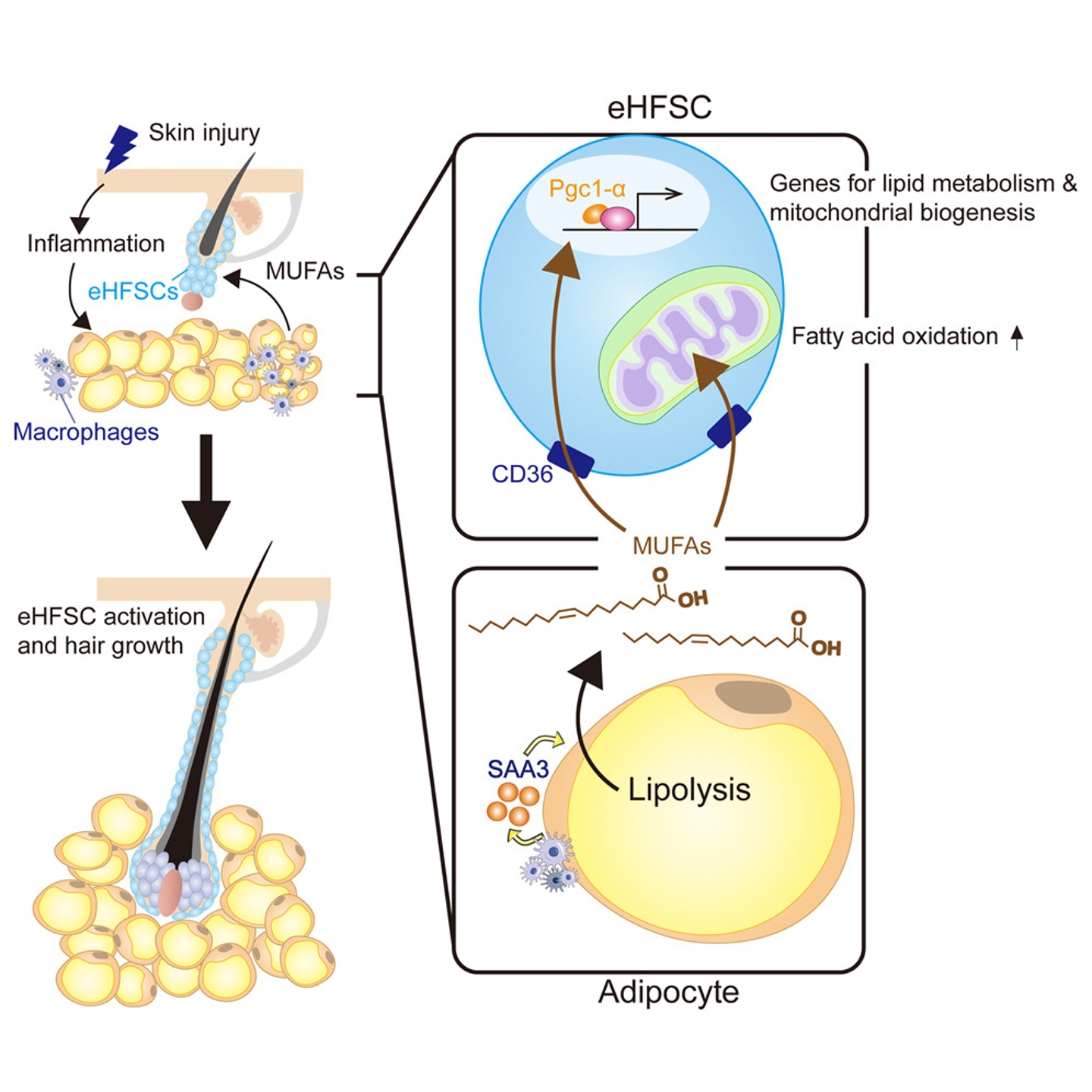
It all boils down to triggering immune cells
Cell Metabolism
advertisement
The next step for the research team is to begin testing the serum on human participants to determine the right dosage and safety for use on the scalp. If successful, this could lead to one of the first truly effective topical treatments for hair loss.
"Supported by our experimental results, demonstrating hair growth activation upon topical application of monounsaturated fatty acids, their natural existence and established safety profile suggest considerable potential for treating hair loss conditions in the future," the authors concluded, expressing optimism about the product’s potential as a safe and accessible solution for millions struggling with hair loss worldwide.