Scientists Discover New Virus-Like Lifeforms That Live Inside The Human Body In 'Colonies'
By
maks in
News
On 31st January 2024
The human body is an extraordinary and intricate entity.
As we dive deeper into understanding the world through scientific endeavors, we often overlook the dynamic and fascinating aspects of human biology.
It's a field that continuously surprises us with its complexity and adaptability.
A perfect example of this is the array of distinct and often unnoticed lifeforms that reside within our own bodies.
Some of these, like bacteria, viruses, and fungi, are familiar to most people, often being introduced in basic biology classes at school, highlighting their presence and roles.
However, recent scientific research has brought to light a previously undetected lifeform that may currently be living within our bodies, adding yet another layer to our understanding of human biology.
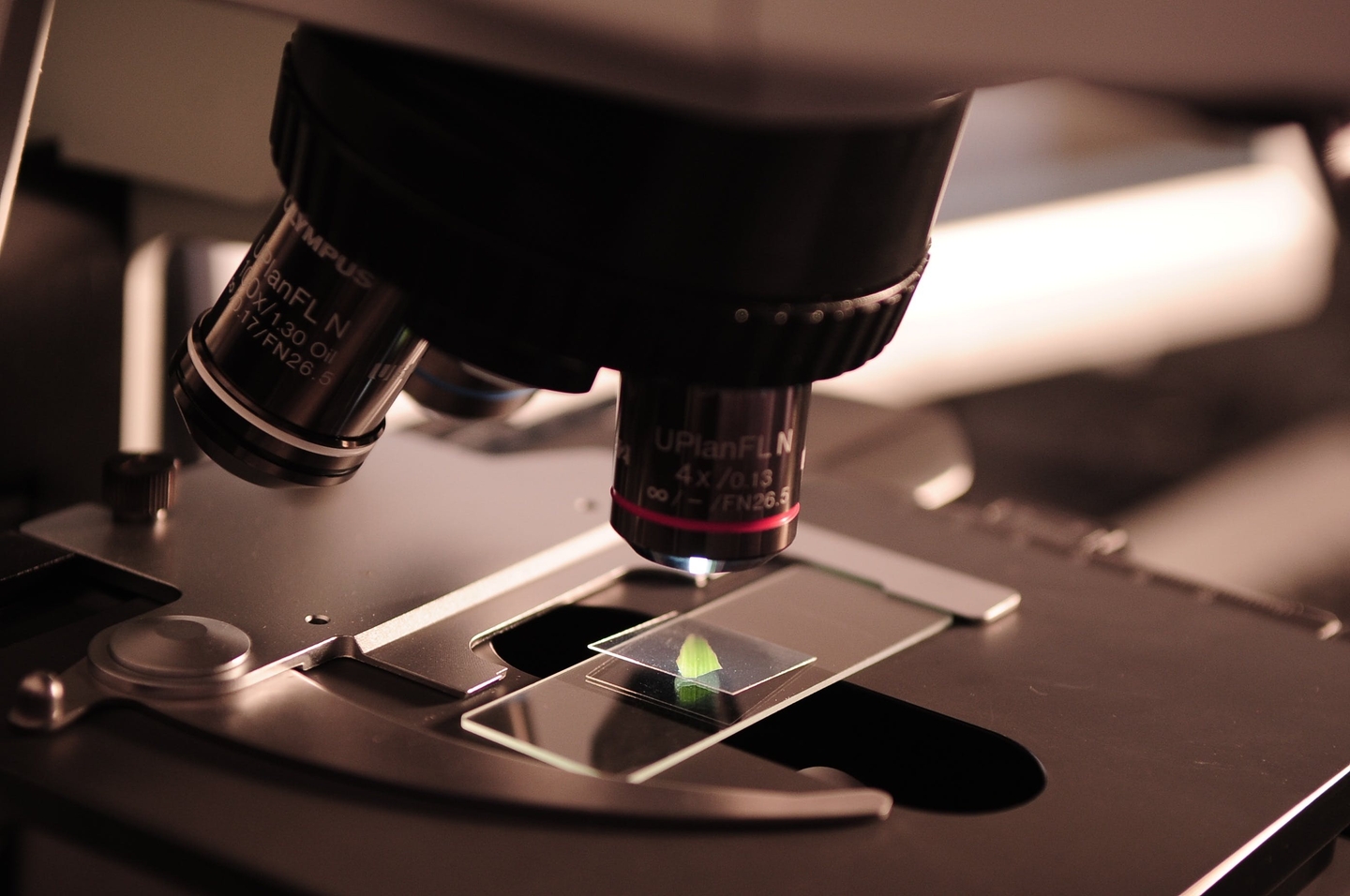
A Microscope being used to inspect an organism.
Credit: Pixabay
This groundbreaking discovery was made by a team of dedicated researchers during a recent study at Stanford University, with their findings fully published on bioRxiv.org in mid-January.
The study uncovered new genetic material, distinct from other types found in the human body. This discovery has intrigued the scientific world with its uniqueness.
In light of this remarkable discovery, the research team has named these lifeforms 'obelisks', noting their distinct characteristics in their study.
Although the genetic composition of the obelisks sets them apart from other known entities in the human body, some have described them as having virus-like characteristics.
This novel discovery has sparked widespread curiosity and excitement within the scientific community.
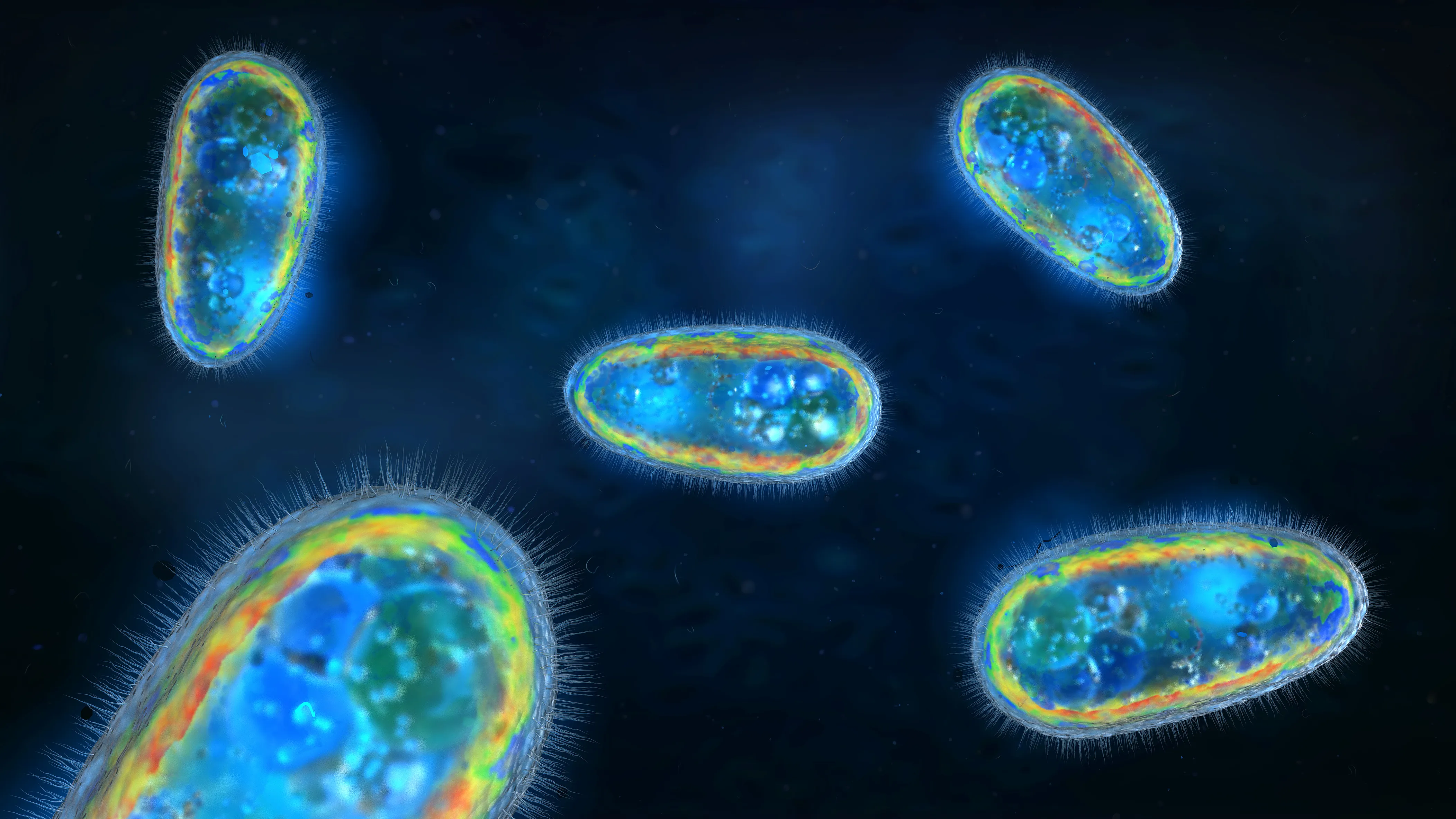
Credit: Getty Images
"It's insane," remarked developmental biologist Mark Peifer in an interview with Science.org.
He continued with an expression of wonder, "The more we look, the more crazy things we see."
Computational biologist Simon Roux shared a similar sense of awe when discussing the implications of the study, stating:
"I think this [work] is one more clear indication that we are still exploring the frontiers of this viral universe," he observed.
"I think this [work] is one more clear indication that we are still exploring the frontiers of this viral universe," added computational biologist Simon Roux, reflecting on the study's implications and the ongoing journey of discovery in the field of virology.
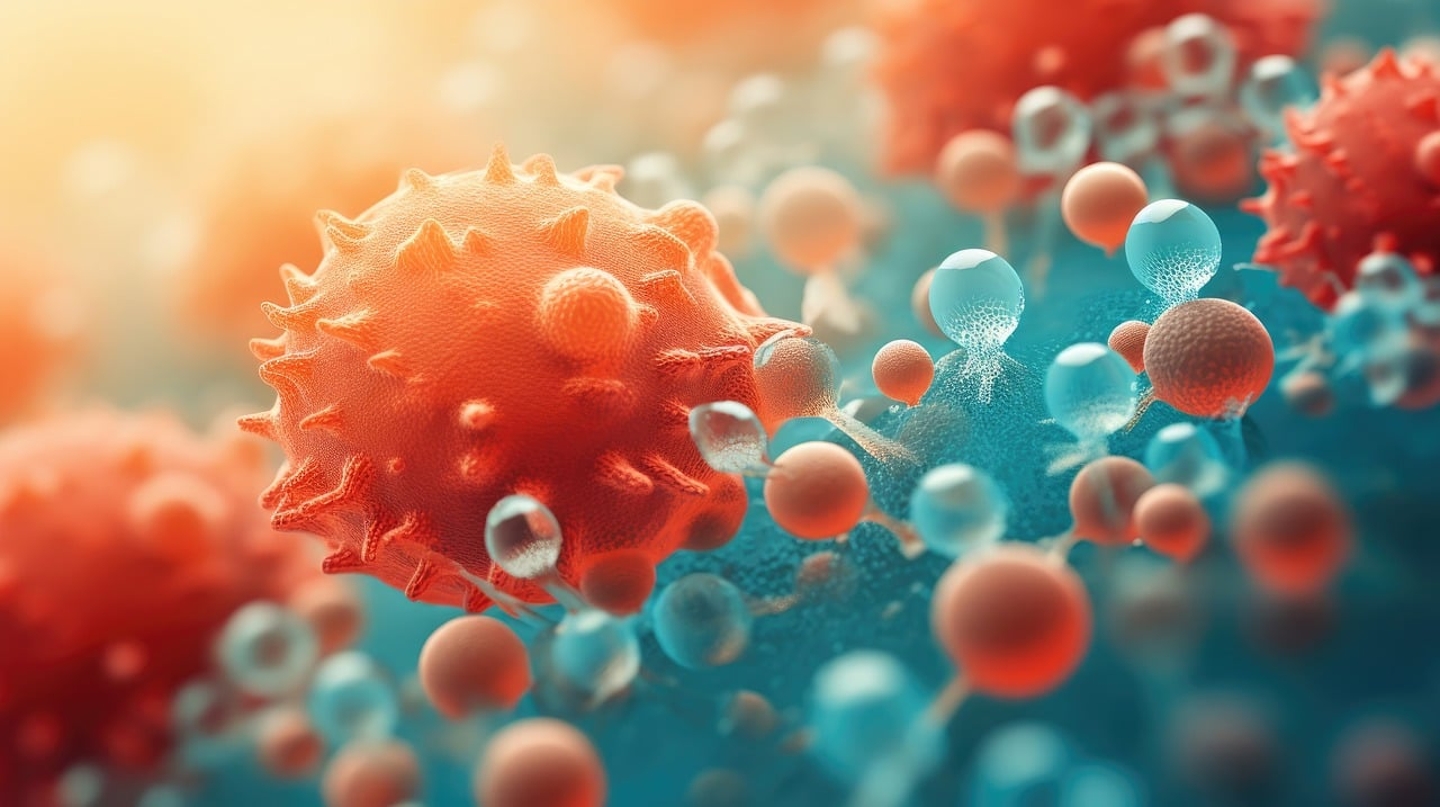
A virus attaching itself to bacteria.
Credit: Pixabay
In the study, obelisks were initially identified as RNA agents that colonize the human gut microbiome, abbreviated as hGMB.
This was an interesting discovery on its own, but further research revealed that obelisks were even more commonly found within the human mouth.
The study also suggested the possibility that these lifeforms might be present in other parts of the human body as well, hinting at a broader significance of their presence.
The term 'colonize' used in relation to obelisks might initially cause concern among those not familiar with microbiology.
However, it's important to note that these microorganisms reportedly lack certain characteristics that would classify them as a conventional virus.

Credit: Getty Images
In a world where interest in virus-like entities and human biology has dramatically increased, particularly following the COVID-19 pandemic, this new discovery holds the potential to captivate global attention.
The implications of the obelisks on the human bodies they inhabit could be a significant development in the field of biology and medicine.

