

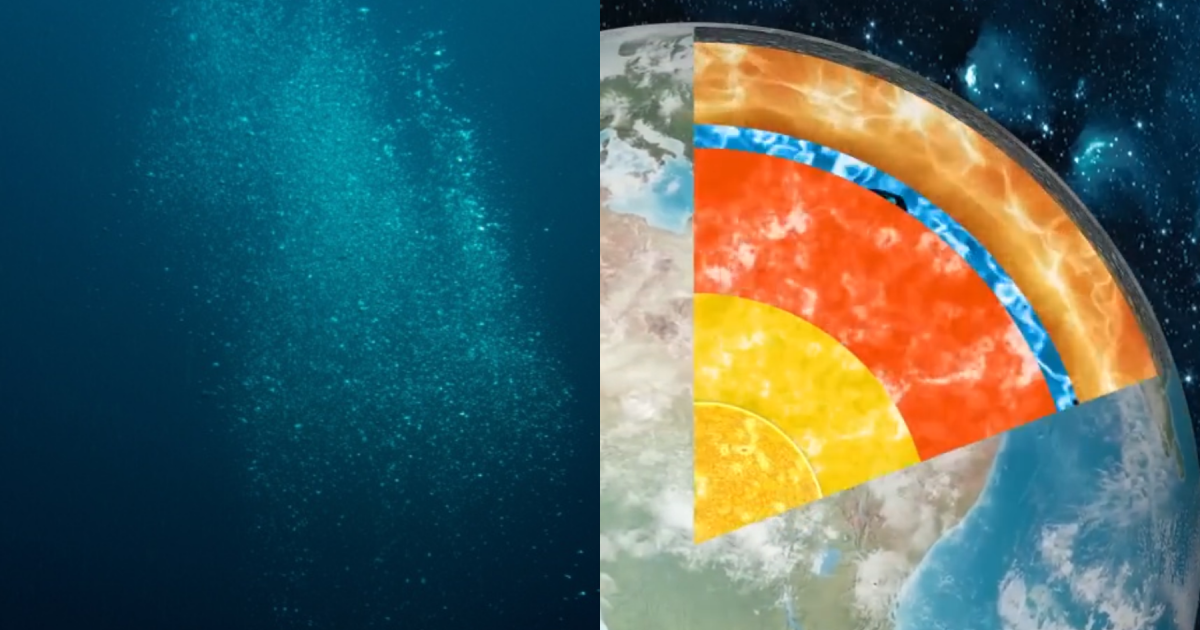
Scientists discovered the huge ocean while looking at the impacts of Earthquakes
advertisement
Though the ocean covers more than 70 percent of Earth's surface, it turns out it's not the biggest body of water on our planet after all.
For years, scientists thought it was, but that changed in 2014.
That year, a group of researchers from Northwestern University in Illinois made a groundbreaking discovery—a new ocean hidden far beneath the surface of the Earth.
This discovery came when the team used seismometers to track the waves caused by earthquakes across the United States.
As they analyzed the data, they realized that these waves weren’t just moving along the surface of the planet, but were also traveling deep into the Earth’s core.
The team then measured the speed and depth of these waves to figure out what kind of rock was trapping the water deep underground.
The newly discovered ocean is bigger than those on the surface
Getty Stock Photo
advertisement
Their research led them to discover the ocean, hidden a massive 400 miles beneath the ground, locked inside a blue rock called 'ringwoodite', which is found in the Earth’s mantle.
This water isn’t held in the usual liquid, solid, or gas forms but instead exists in a fourth molecular structure inside the mantle rock.
Geophysicist Steve Jacobsen, part of the research team, explained: "The ringwoodite is like a sponge, soaking up water.
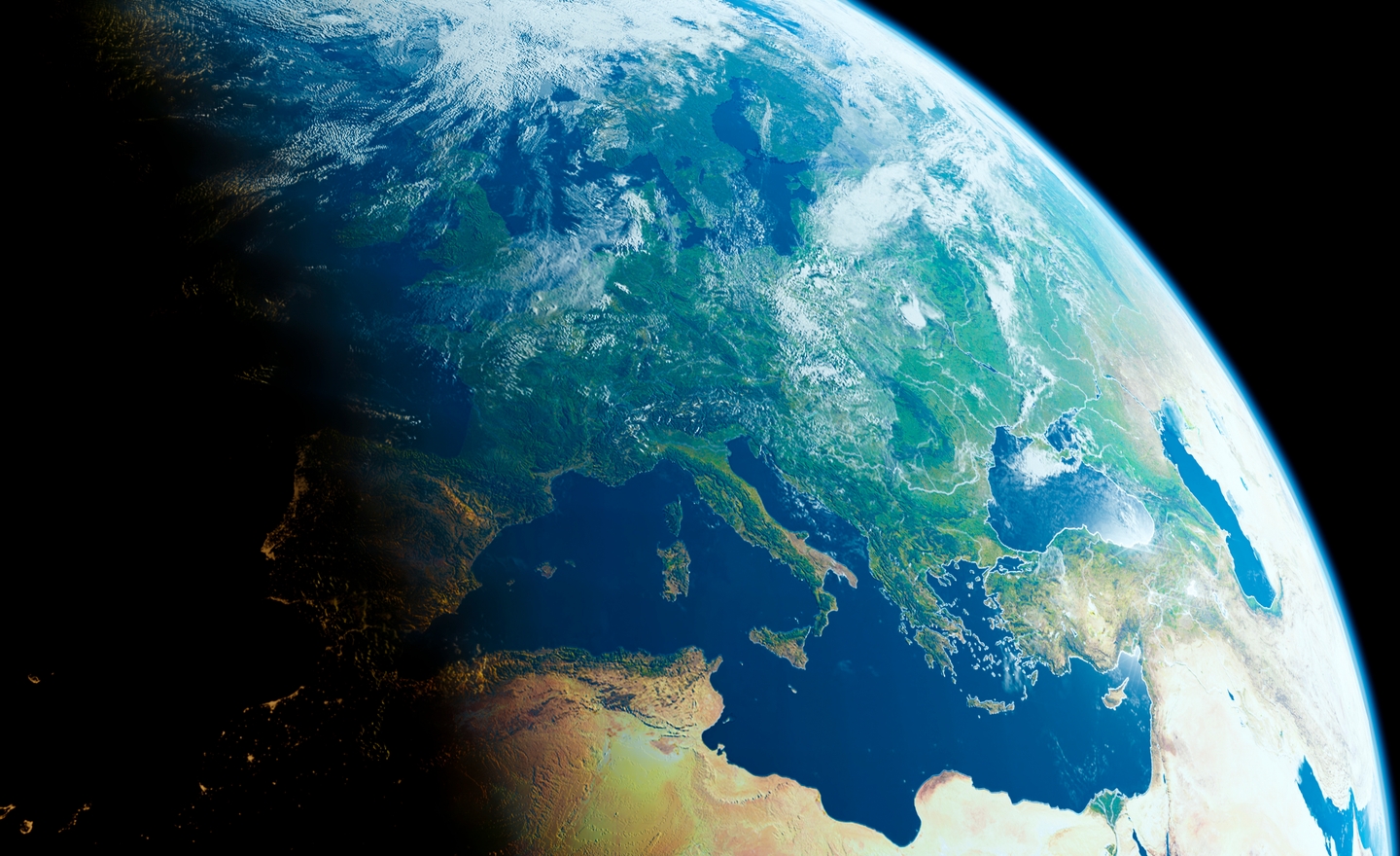
The underground ocean could offer insight into where the Earth's water came from
Getty Stock Photo
"There is something very special about the crystal structure of ringwoodite that allows it to attract hydrogen and trap water."
"This mineral can contain a lot of water under conditions of the deep mantle," Jacobsen added.
The substance can hold up to 1.5 percent water, and if the ringwoodite beneath Earth’s surface contains just 1 percent water, it would mean that it holds three times more water than all of the surface oceans combined.
advertisement
It’s pretty mind-blowing to think about, right? Studying this water could be key to understanding how the Earth was formed.
This discovery adds weight to the theory that Earth’s water may have originated from within, instead of coming from asteroids and comets as previously thought.
Jacobsen said at the time: "I think we are finally seeing evidence for a whole-Earth water cycle, which may help explain the vast amount of liquid water on the surface of our habitable planet.
advertisement
"Scientists have been looking for this missing deep water for decades."
After discovering this hidden ocean, Jacobsen and his team focused on investigating whether this layer of water could possibly wrap around the entire planet.