

Spoiler alert, it was really far away.
Scientists Finally Tracked Down The Source Of The Asteroid That Wiped Out The Dinosaurs
By
Khadija Pervez in
News
On 21st August 2024
advertisement
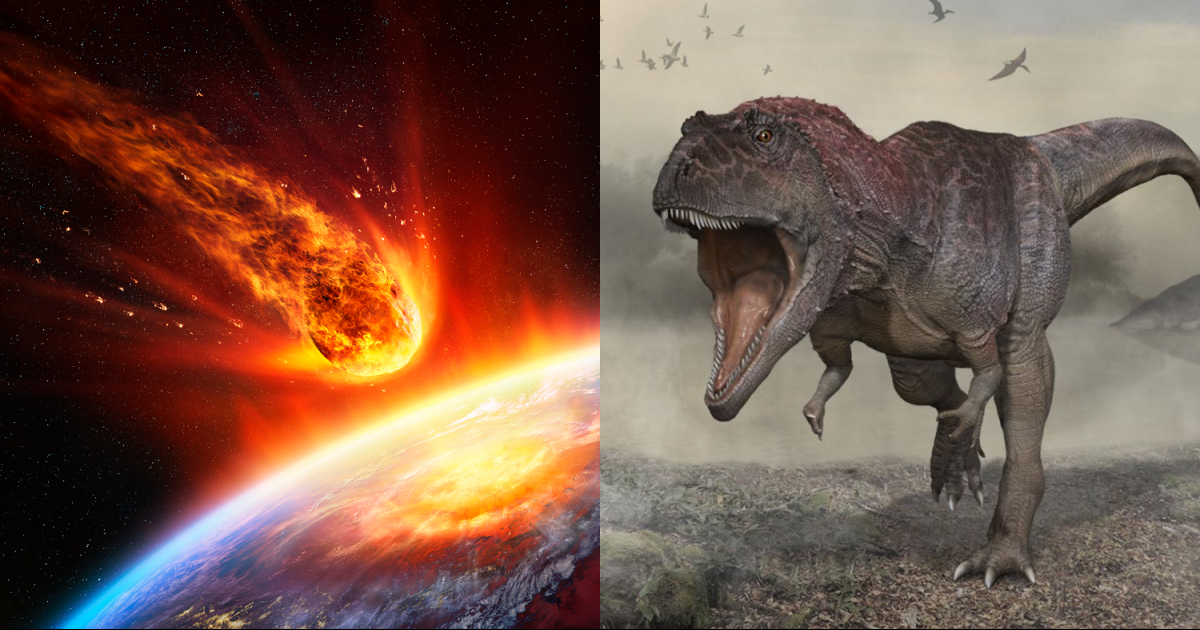
Scientists think they've pinpointed the origin of the asteroid that caused the dinosaurs to go extinct.
For those who remember their science classes, the mass extinction of the dinosaurs happened 66 million years ago.
advertisement
This event occurred due to a rare asteroid striking Earth.
The impact resulted in the death of about 60 percent of all species on the planet.
Research suggests that the aftermath of the asteroid likely enveloped the Earth in ash and created a climate so harsh that it became deadly.
Fun times, indeed.
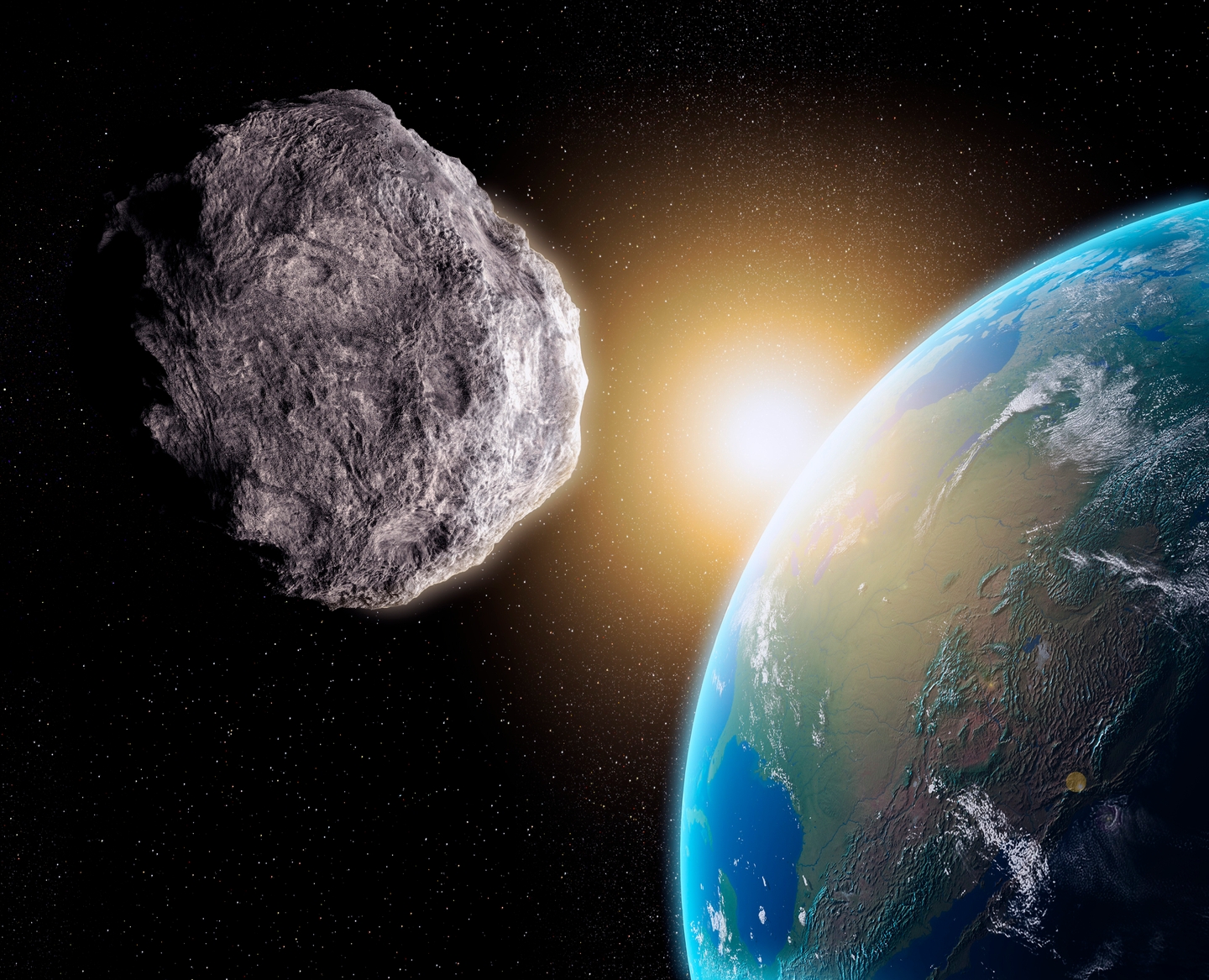
The asteroid formed in the outer parts of the solar system.
Getty Stock Photo
Until recently, details about where the asteroid came from, and even what type it was, remained unclear.
advertisement
However, a new study has shed some light on this mystery.
It suggests that the asteroid originated from the outer solar system, well beyond Jupiter.
advertisement
From this distant, and I mean incredibly distant, location, a C-type asteroid formed and hurtled toward Earth.
It ultimately crashed and formed what is now known as the Chicxulub crater — the spot where the asteroid hit, leaving a massive crater.
advertisement
The study, titled 'Ruthenium isotopes show the Chicxulub impactor was a carbonaceous-type asteroid,' was published in the journal Science.
It offers a detailed account of how researchers reached this conclusion.
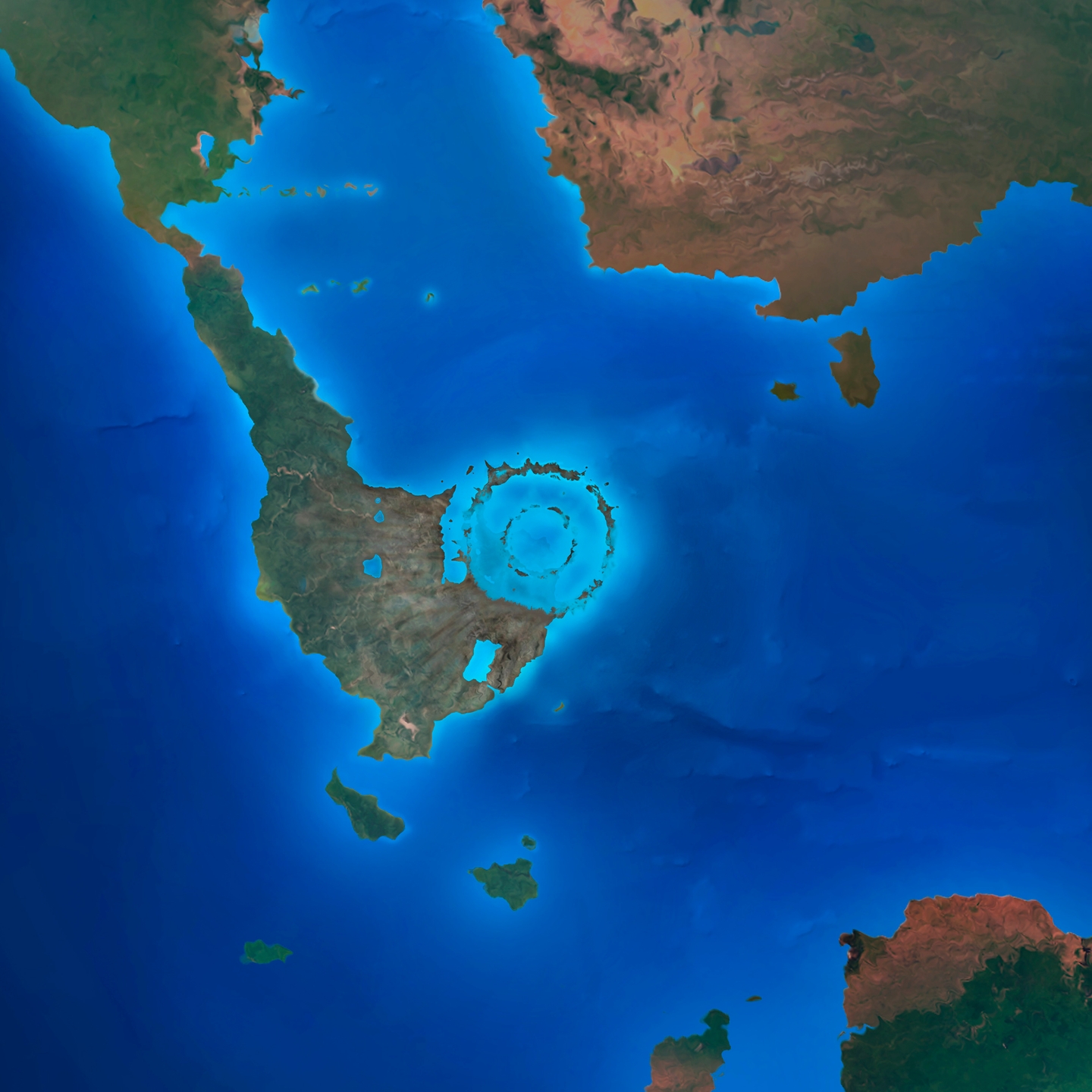
The Chicxulub impact crater.
Getty Stock Photo
They analyzed samples from the periods known as the Cretaceous and Paleogene eras, which correlate with the time of the mass extinction.
advertisement
The team also examined samples from five other asteroid impacts that occurred in the last 541 million years.
They even looked at samples from impacts that happened billions of years ago, to compare the data.
advertisement
Their findings showed that the ruthenium isotopes (a rare element on Earth but common in meteorites) in the samples from around the time of the extinction were mostly uniform.
This uniformity suggests they came from carbonaceous chondrites, a unique type of meteorite.
advertisement
This evidence indicates that the Chicxulub impactor, or the asteroid, originated from a remote area of the solar system and was not a comet.
Scientists believe that this discovery could help unravel longstanding mysteries about Earth's history.
It also provides insights into the types of objects that have collided with our planet from space.