

Experts hope the breakthrough will help with future medicine.
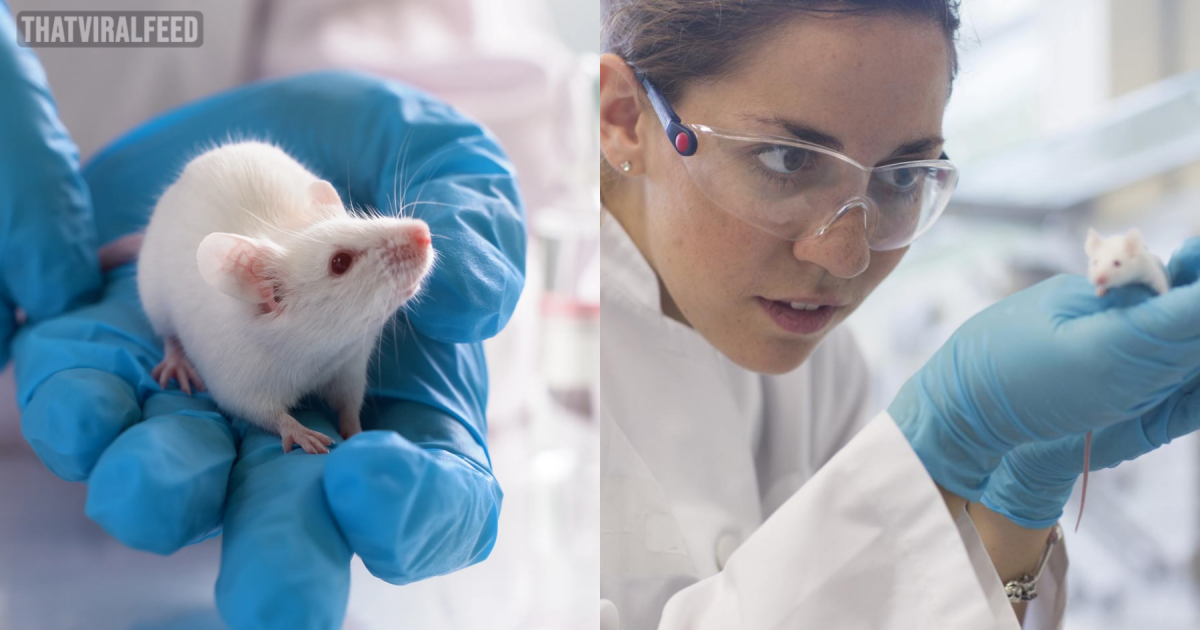
Scientists Grow ‘Mini Antlers’ By Implanting Mice With Deer Stem Cells In Major Breakthrough
By
maks in
Science and Technology
On 13th April 2024
advertisement
Scientists recently achieved a significant breakthrough by successfully implanting mice with deer cells, which resulted in the growth of 'mini antlers'.
Every day, advancements in technology lead to amazing new discoveries in the field of research.
This week alone, we’ve witnessed efforts to bring the mammoth back from extinction by 2028.
While this has stirred some debate, it has also generated considerable excitement and curiosity among science enthusiasts.
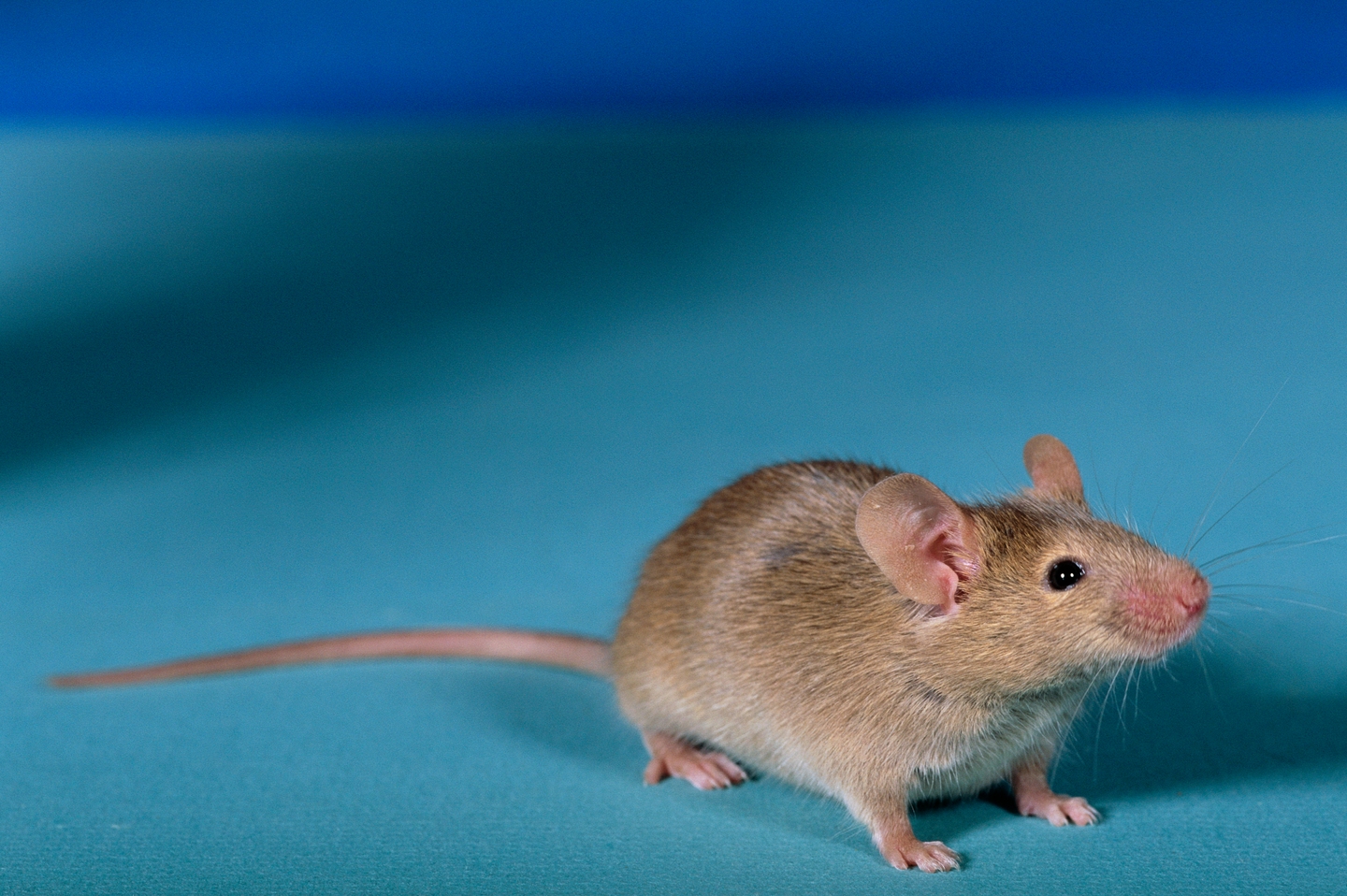
Scientists implanted mice with deer cells.
Getty Stock Image
In the realm of regenerative medicine, there's also exciting progress being made.
advertisement
A 2020 study published in the journal Science suggests that even mammals that have lost the ability to regenerate organs might still possess dormant regenerative genes.
Moreover, it appears that the rapid growth rate of antlers could be leveraged in ways that might be critical for future research.
These so-called 'mini antlers' grow at a rate of about 2.75cm per day, making them one of the fastest regenerating tissues found in nature.
Generally, mammals have lost the capacity to regenerate organs and most other tissues, so antlers offer a fascinating glimpse into potential bone regenerative therapies.
advertisement
Tao Qin and his team at Northwestern Polytechnical University in Xi'an have been examining how Sika deer antlers, which regenerate annually, manage this feat.
They managed to compile a regenerative 'atlas' of these antlers, identifying numerous single cells and genes essential for the development of antler tissue.
advertisement
After distinguishing various growth stages, the researchers cultured the most promising stem cells in a Petri dish.
They then implanted these cells into the heads of mice, which led to some intriguing results after 45 days.
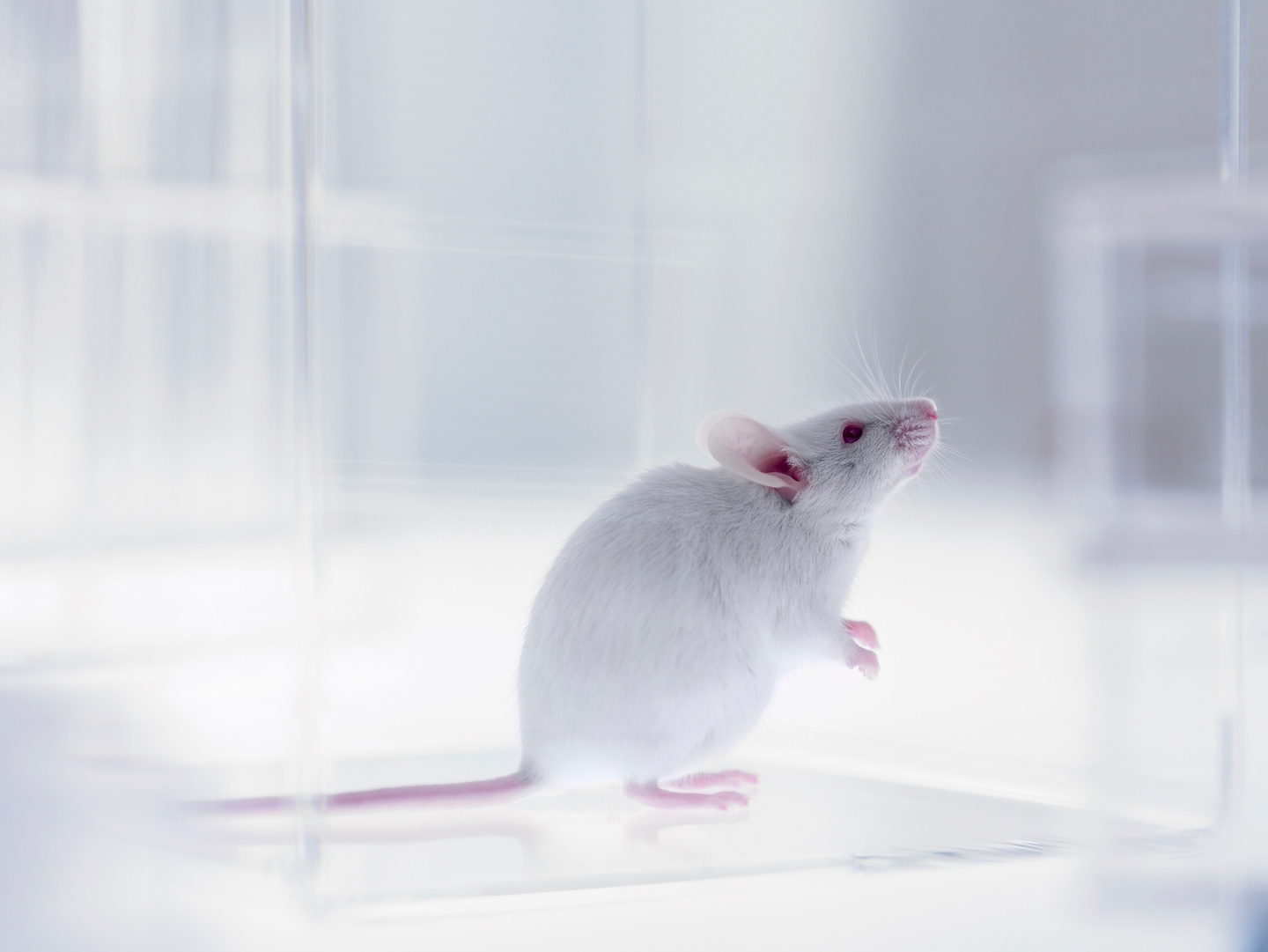
After 45 days, the mice had developed 'mini-antlers'.
Getty Stock Photo
In just a short time, the mice developed 'mini-antlers'.
advertisement
This rapid development has provided researchers with valuable insights into how regenerative techniques could potentially be applied to human medicine.
The study concludes, "We present a spatiotemporal cellular atlas of antler regeneration, which provides a useful genetic and histological resource for mammalian organ regeneration."
advertisement
It goes on to state, "Our results show that antler regeneration is consistent with a conceptual stem cell–based regenerative process."
Looking ahead, this type of treatment might raise ethical questions regarding cross-species cell implantation, and extensive safety trials would need to be conducted.