

Have we finally found Earth 2.0?
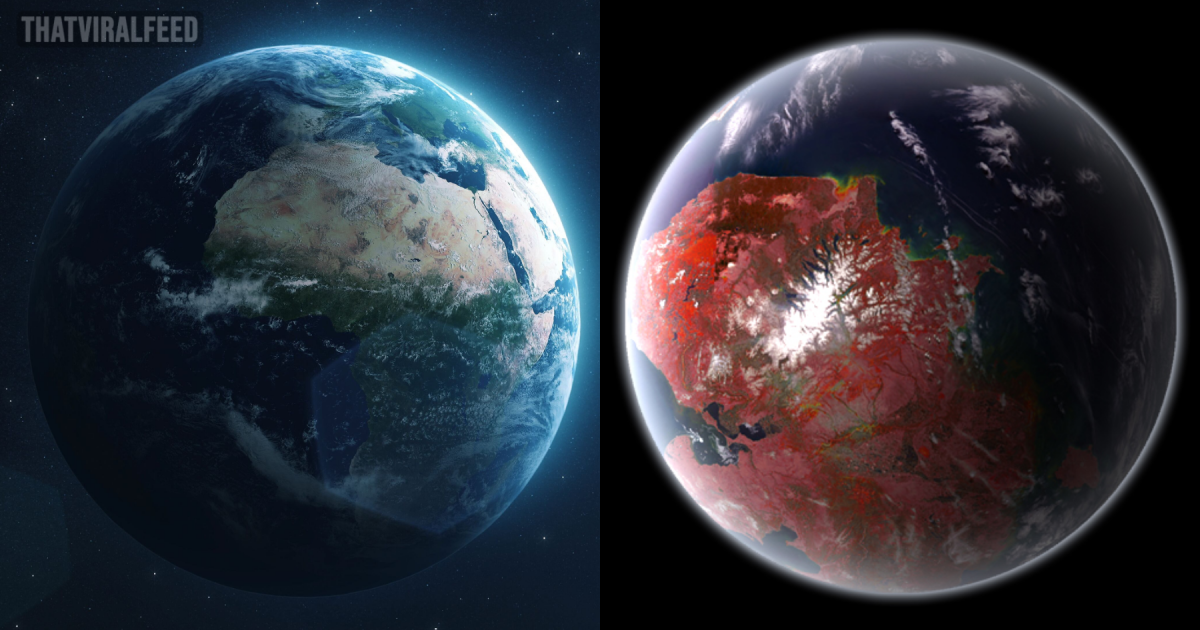
Scientists Have Found A Planet That May Be More Habitable Than Earth
By
maks in
Science and Technology
On 13th April 2024
advertisement
Scientists have recently found a planet about 1,200 light-years away that could potentially be more habitable than Earth.
To better understand which exoplanets—planets outside our solar system—might support life, researchers have developed a new index.
This tool will guide future efforts in identifying the best candidates for habitable environments.
A study published in the Astrophysical Journal outlines this new method.
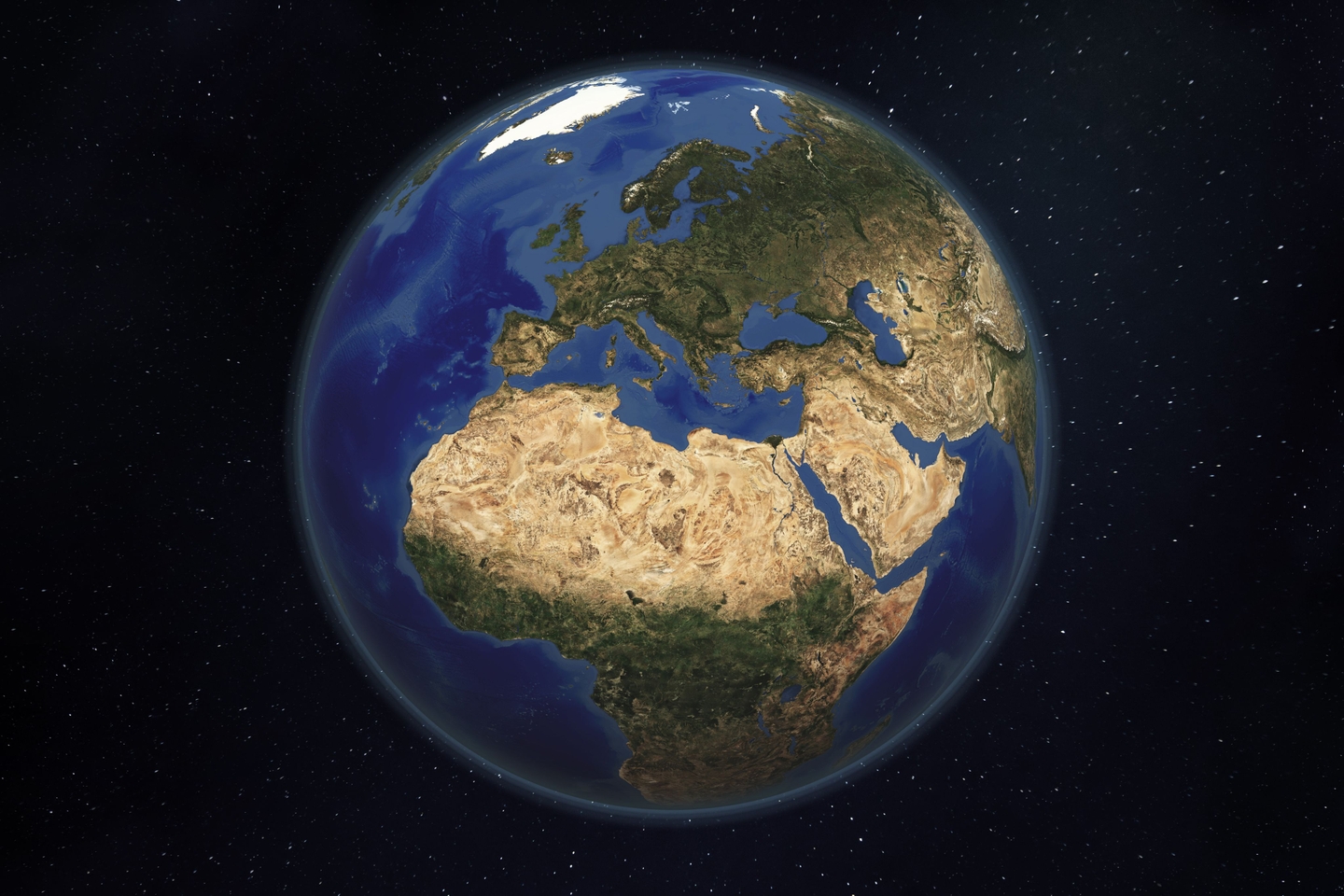
Have we finally found Earth 2.0?
Maps4media via Getty Images
It integrates various types of data, such as 'transit data, stellar properties, and previously reported limits on planetary emitted flux,' to achieve this.
advertisement
This approach improves on the older method that mainly focused on the 'Goldilocks zone.'
This zone refers to orbits around a star that maintain temperatures suitable for liquid water.
Under these new and improved criteria, Earth has received a habitability score of 0.829.
However, there appears to be a planet even more conducive to life.
advertisement
Kepler-442b, discovered by NASA’s Kepler spacecraft between 2009 and 2012, lies within the Goldilocks zone of its star, Kepler-442, and is located 1,200 light-years from us.
This exoplanet is classified as a super-Earth, meaning its mass and radius are larger than Earth's but smaller than those of Uranus and Neptune, and it maintains an equilibrium temperature of -40 degrees.
advertisement
With a habitability rating of 0.836, Kepler-442b is among the top contenders for potential habitability.
Rory Barnes, one of the study's lead authors from the University of Washington's Virtual Planetary Laboratory, explained the significance of the new index:
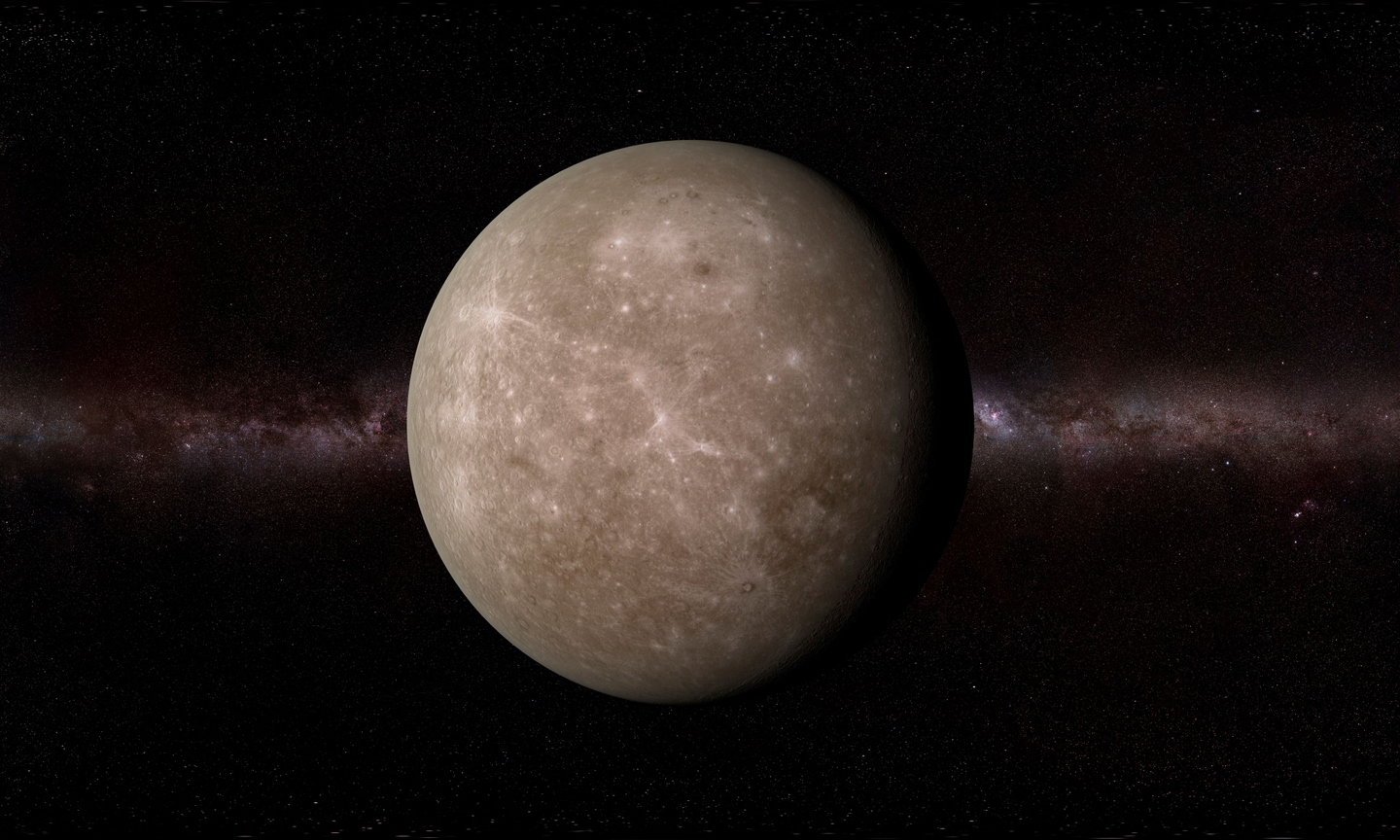
Kepler-442b has been given a habitability rating of 0.836 compared to Earth's 0.829.
Getty Stock Image
"Basically, we've devised a way to take all the observational data that are available and develop a prioritisation scheme, so that as we move into a time when there are hundreds of targets available, we might be able to say, 'Okay, that's the one we want to start with'."
advertisement
Yet, the search for an Earth 2.0 continues.
The true habitability of Kepler-442b remains a question mark since its atmosphere and surface conditions are not yet known.
advertisement
The paper in the Astrophysical Journal also notes that just because a planet has a higher rating than Earth, it doesn’t necessarily mean it’s more suitable for sustaining life.
In related space news, Mars has recently been deemed inhospitable for human habitation.
advertisement
Despite the successful deployment of robots to Mars, NASA's plans to send humans are still advancing.
However, any human visit will need to be brief. Research has shown that the high levels of radiation exposure—from the Sun, distant stars, and galaxies—make it impossible for humans to survive on Mars for more than four years.