

NASA forecasts the onset of the next solar maximum in late 2025, a recent study spearheaded by Dr. Dibyendu Nandi, a physicist affiliated with the IISER Kolkata Center of Excellence in Space Sciences in India, suggests the possibility of an earlier solar event in 2024.
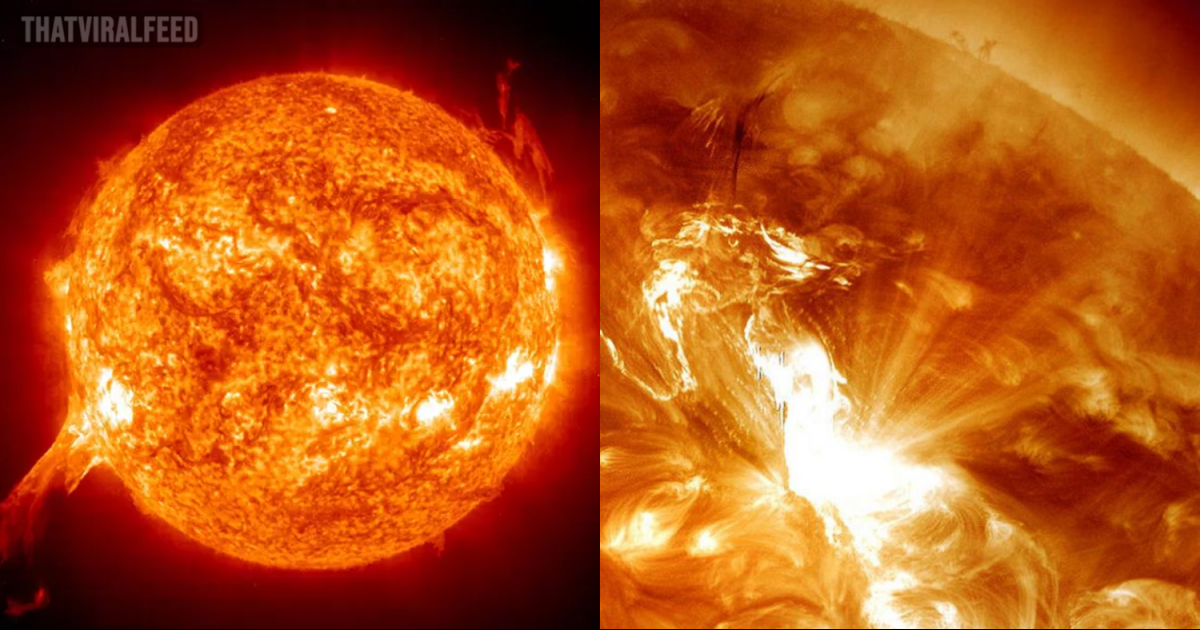
Scientists Predict Extreme Solar Storms That Can Cripple The Internet For Weeks
By
Khadija Pervez in
News
On 7th December 2023
advertisement
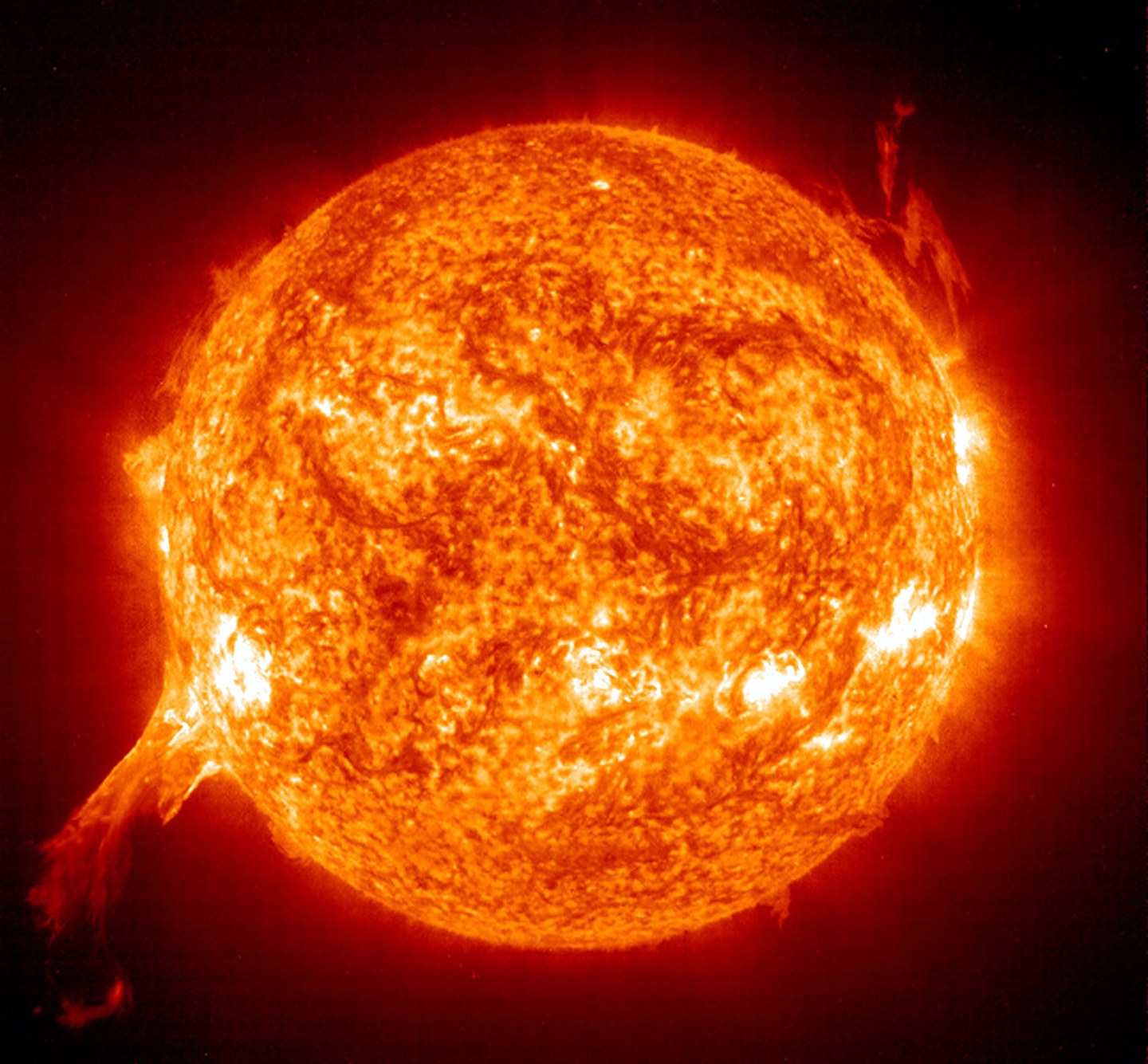
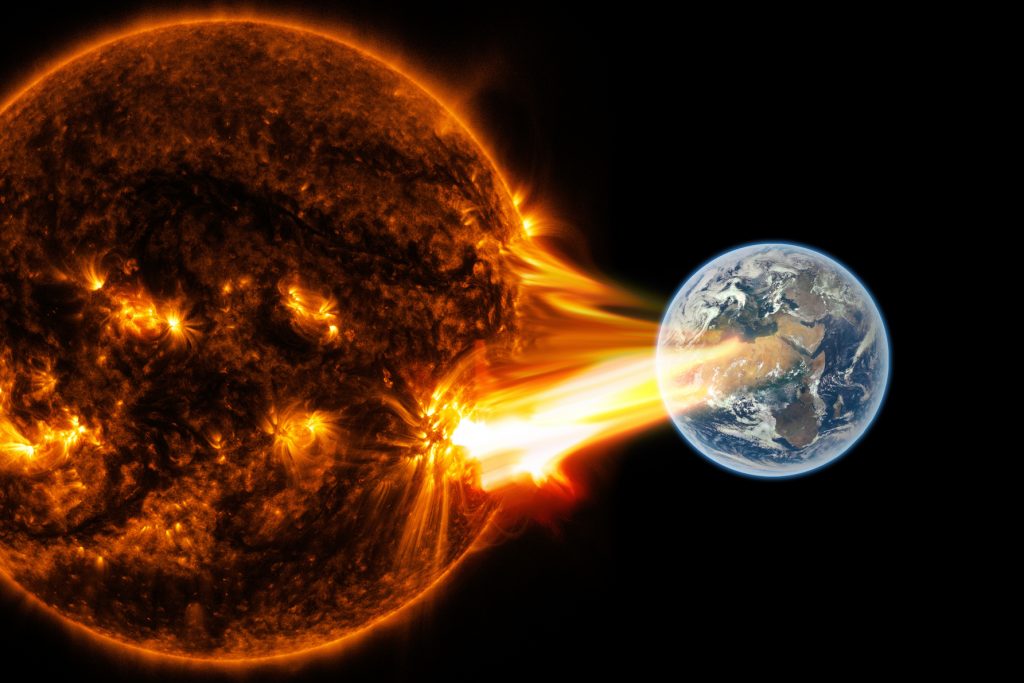
Experts are saying that big solar storms might happen soon, and they could be so strong that the internet around the world might not work well for a few weeks.
If your internet at home stops working for a couple of hours, it's already a big problem, especially if you urgently need to use it.
NASA/WireImage
Now, think about how much worse it would be if the internet all over the world had issues or completely stopped working.
Professor Peter Becker from George Mason University has suggested that a powerful solar storm has the potential to cause what he referred to as an "internet apocalypse" in the future.
advertisement

Andy Lyons
Becker said: “The internet has come of age during a time when the sun has been relatively quiet, and now it’s entering a more active time.
“It’s the first time in human history that there’s been an intersection of increased solar activity with our dependence on the internet and our global economic dependence on the internet.”
Fox Weather reports that Becker is leading a project in collaboration with George Mason University and the Naval Research Laboratory.
The goal of this project is to develop a warning system for potential solar storms.
advertisement
AFP
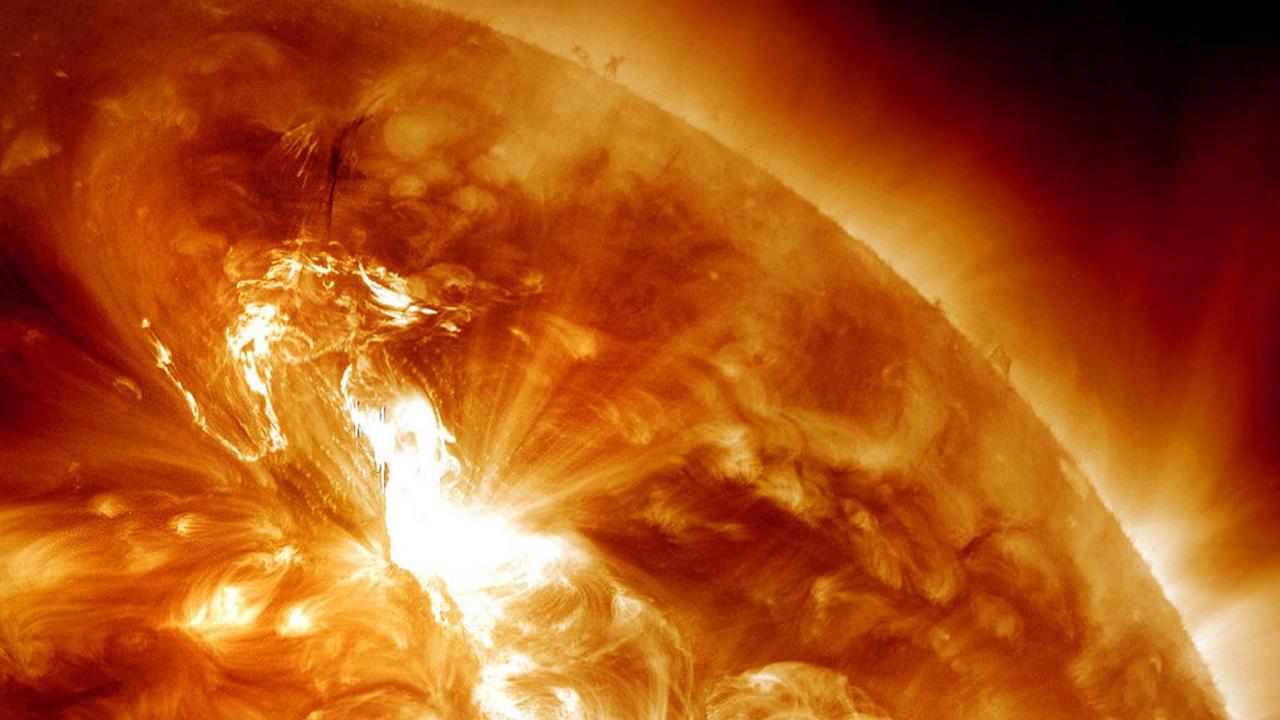
Speaking about solar flares, Becker said: “Flares are when the sun brightens, and we see the radiation, and that’s kind of the muzzle flash. And then the cannon shot is the coronal mass ejection (CME).”
advertisement
“So, we can see the flash, but then the coronal mass ejection can go off in some random direction in space, but we can tell when they’re actually going to head towards Earth.”
“And that gives us about 18 hours of warning, maybe 24 hours of warning, before those particles actually get to Earth and start messing with Earth’s magnetic field.”
advertisement
NASA/SDO
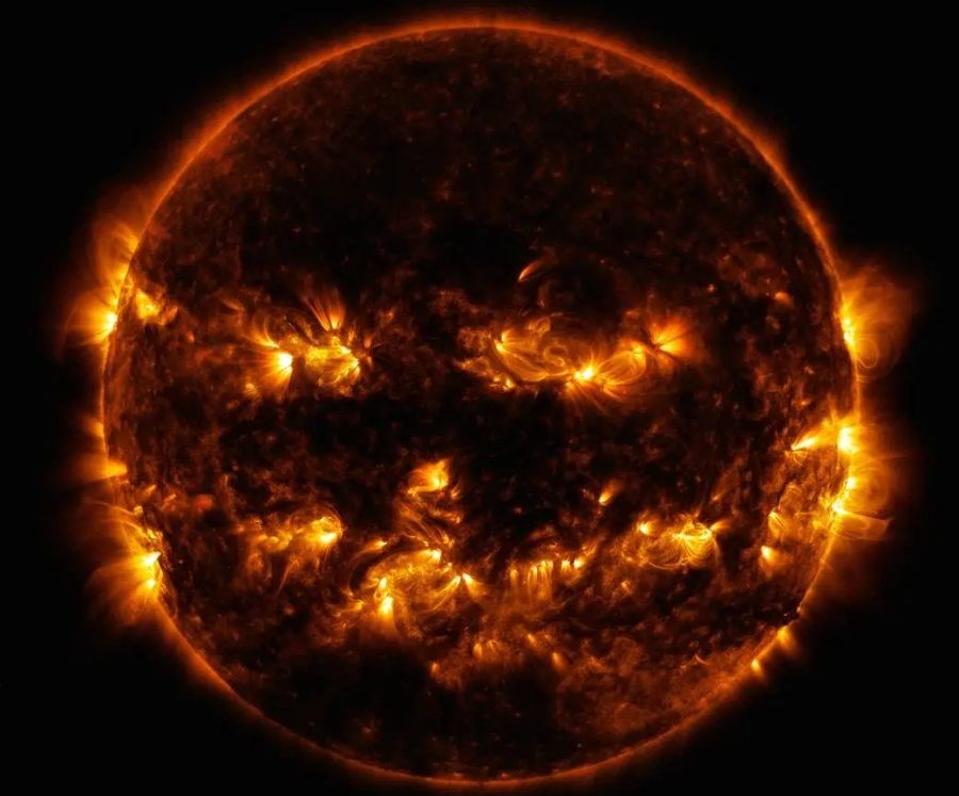
Becker explained that large masses of plasma travel through space, and when a certain portion of these masses collide with Earth, they have the ability to disrupt our planet's magnetic field.
He said: “So everybody thinks, ‘Oh, my computer’s grounded, I’m okay’, but in an event like this, if you drive inductive currents to the surface of the Earth, it can almost work backwards, and you can end up actually frying things that you thought were relatively safe.”
advertisement
A similar event occurred in the past, specifically in 1859, when a Coronal Mass Ejection (CME) reached Earth and caused significant disruption to the telegraph system.
Becker is of the opinion that if such an incident were to occur again, it could have a profound and widespread impact, causing substantial disruptions to the internet.
advertisement
NASA
He said: “So you lay that on top of the internet with its very delicate electronics, you’re talking about something that could really fry the system for a period of several weeks to months in terms of the time it would take to repair all the infrastructure – all of the electronic switches, all of these closets of electronics in all these office buildings.”
advertisement
Becker said: “That could all be fried. So we’re talking pretty major. And it’s not just communications. It’s economic disruption, too, obviously.”
Adding to the concerns, another theory has surfaced related to the sun's solar maximum, a cycle that repeats every 11 years. During this period, the sun's surface develops dark spots that release intense bursts of energy towards the Earth.
advertisement
Although NASA initially predicted the next solar maximum to commence in 2025, a recent study led by Dr. Dibyendu Nandi, a physicist from the IISER Kolkata Center of Excellence in Space Sciences in India, anticipates an earlier solar event in 2024.
advertisement
He explained to the MailOnline: “It is not possible to predict the intensity and consequences’ of solar storms this early, but we should learn more as the new year approaches.”
“The most intense storms can sometimes result in catastrophic orbital decay of low Earth orbiting satellites and disrupt satellite-based services such as communications and navigational networks.”