

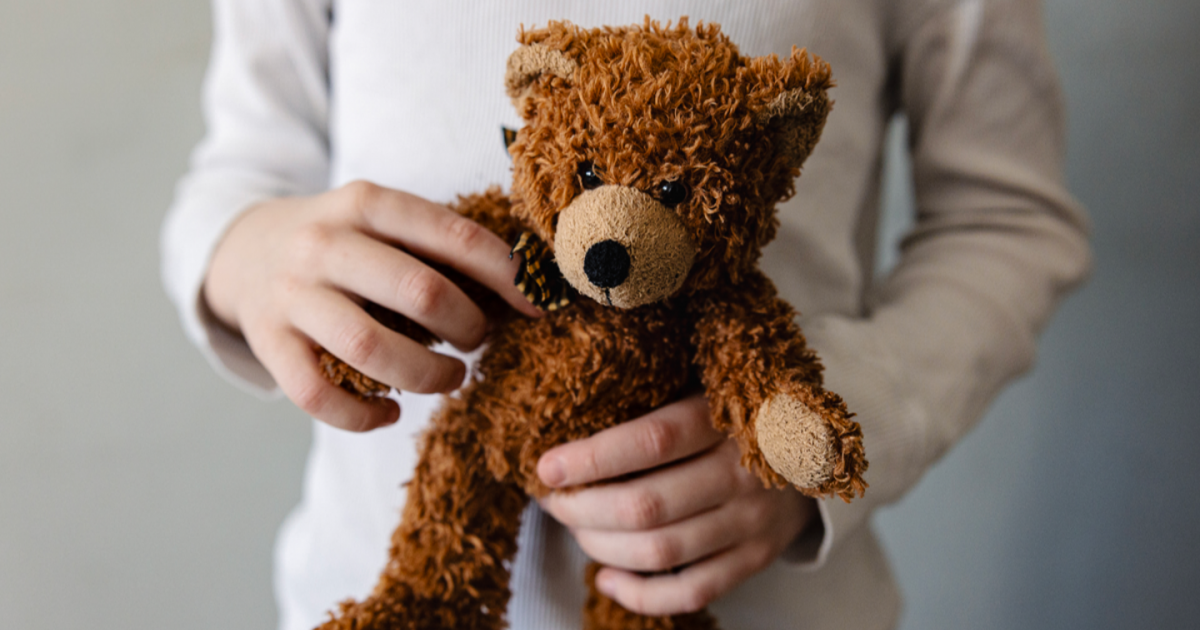
Teddy bears have long been a popular gift for children of all ages
advertisement
With gift-giving moments happening year-round, parents and relatives may want to pause for a moment before picking up a teddy bear for a young child.
Across the United States, many children receive soft, cuddly toys at different stages of childhood, continuing a tradition that has been passed down through families for generations.
However, researchers based in France suggest that these familiar favorites could influence how children think about animals and nature in ways that are not always positive.
According to the researchers, teddy bears are often a heavy exaggeration of real bears, with oversized heads, large eyes, round bellies, and long limbs appearing in many popular designs.
In simple terms, the scientists behind the study believe teddy bears should look more like real animals. They argue that doing so could help children build a healthier and more accurate connection with wildlife from an early age.
Dr Nicolas Mouquet, the lead author of the study and an ecologist at the French National Centre for Scientific Research (CNRS), told the Daily Mail: "For many children, their first 'wild animal' isn't spotted in the forest but cuddled in their crib."
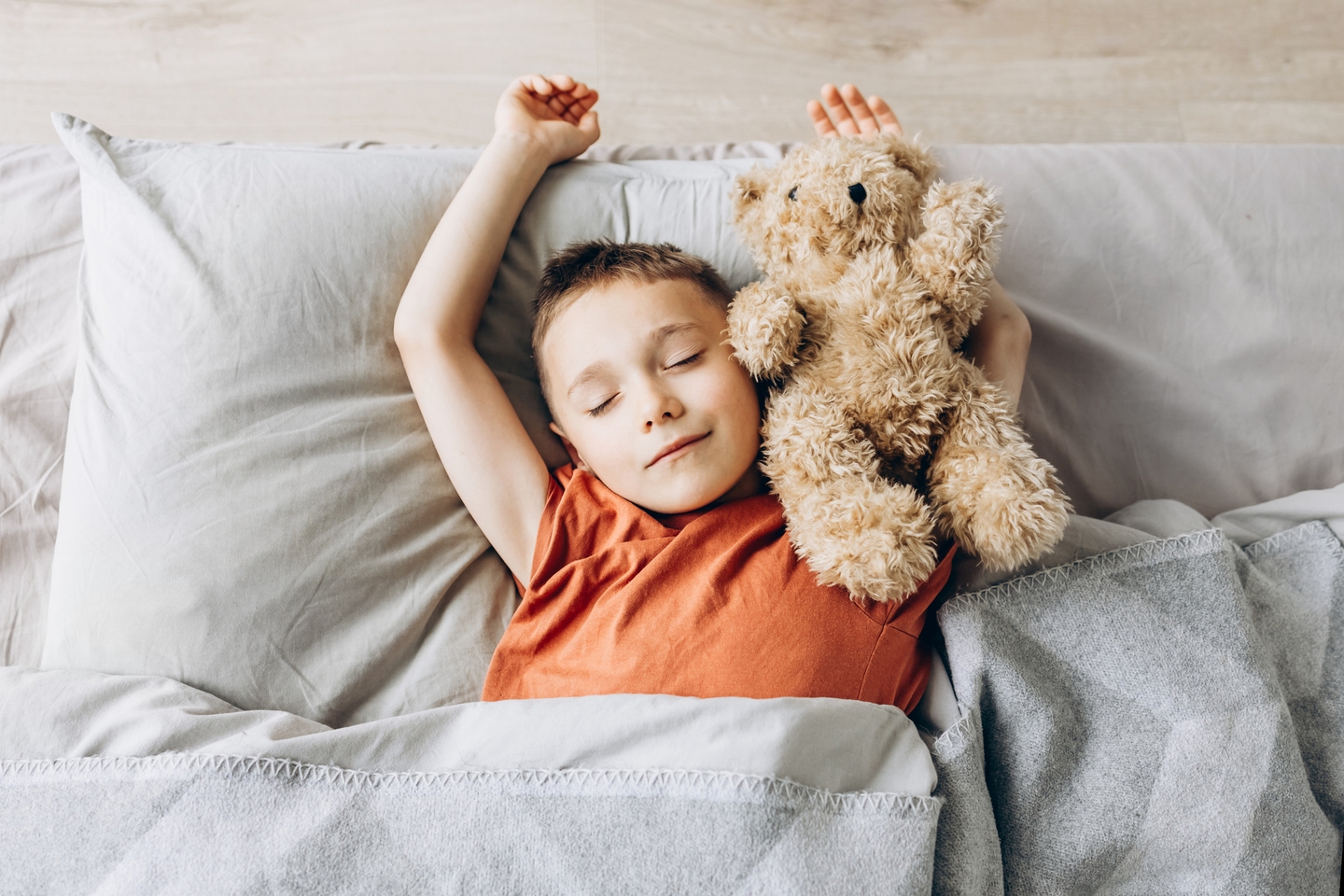
Scientists looked into the impact teddy bears have on children
Getty Stock Photo
advertisement
"The features that make teddy bears so lovable, big round heads, soft fur, uniform colours, and gentle shapes, don't resemble wild bears at all. If the bear that comforts a child looks nothing like a real bear, the emotional bridge it builds may lead away from, rather than toward, true biodiversity."
That said, real bears are obviously far less cuddly than their plush versions. In the United States, bears are responsible for around one human death each year, usually in situations where the animal feels threatened, making them far from ideal bedtime companions.
The study included responses from 11,000 people, with 43 percent saying that a bear had been their favorite childhood toy.
Scientists also pointed out that teddy bears tend to resemble humans more than actual bears, a detail experts see as a missed teaching moment when it comes to learning about the natural world.
Dr Mouquet added: "Teddy bears follow universal cuteness rules: big heads, round silhouettes, uniform soft fur, neutral colours, and expressive eyes, features that make them instantly lovable."
"Don't misinterpret our results, our goal isn't to get rid of teddy bears, far from it! These toys are wonderful companions. Instead, we think they can be used more thoughtfully."
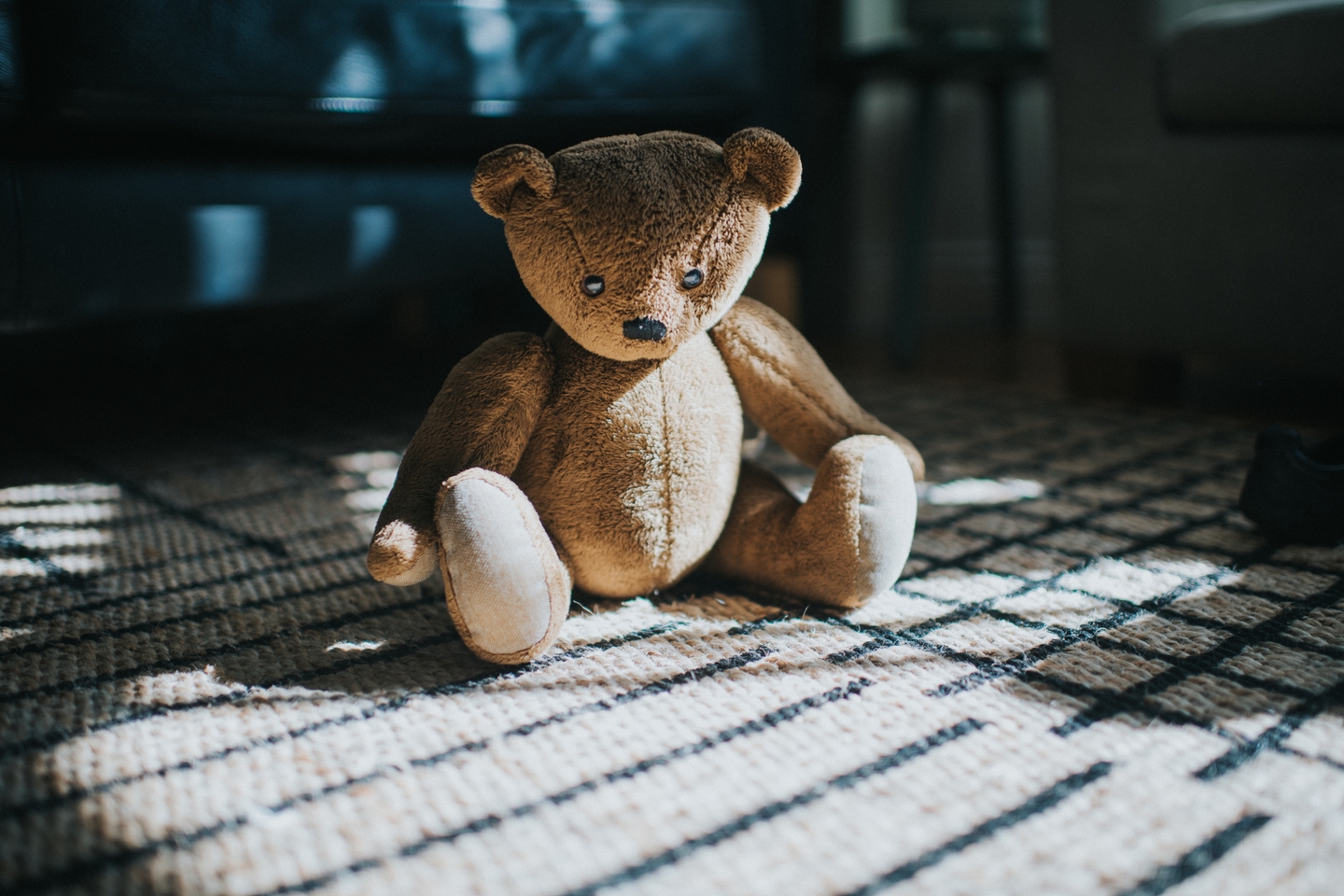
Teddy bears may not be the best idea after all
Getty Stock Photo
advertisement
Dr Mouquet explained that his interest in studying teddy bears grew from a larger question about why some animals receive attention and protection, while others are often overlooked.
"Teddy bears are a fun, almost universal way to explore this same bias, because they reveal which traits make us care about certain animals from a very young age," the researcher added.