We all try to stretch our dwindling dollar. Some wait for half-off sales, do extreme couponing, buy in bulk or shop thrift stores. But every day companies are doing their best to stay one step ahead of the thrifty shopper. From hidden fees to deceptive advertising, to downright lying and cheating, you'll be surprised at just how much you're getting ripped off.
advertisement
#1 Best-By Dates
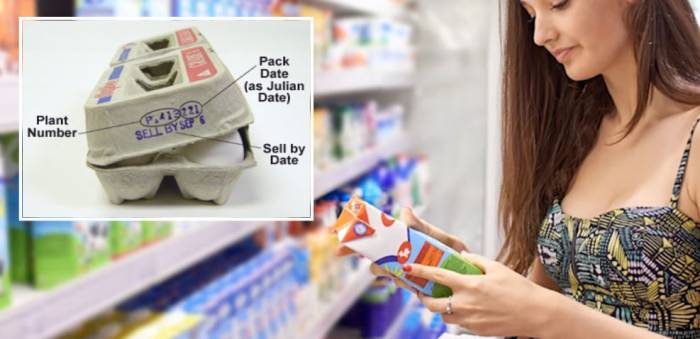
Everybody does this, and it's costing you a fortune. You grab some milk, or juice, and see that the expiration date has just passed or it's already a few weeks from its "best-by" date. So we toss it into the garbage and go grocery shopping for fresher products. Think twice before you do this. Expiration dates are not related to safety but 'optimum' freshness determined by the company itself. None of these dates are regulated. If you're not going to eat it right away, companies want you to return to the store so you have to keep buying the products. Experts say that by using your nose and eyes you can tell if something has "gone bad" or reached it's best-by date.
#2 A Pint Of Beer
Beer lovers know how good it is to go to a bar and order a nice pint of frosty beer. But make sure you're getting your whole 16 ounces! Many bars and restaurants have begun cutting corners by getting thicker mugs and mugs that make it seem like you're getting a lot. In reality, you're probably getting just 12 ounces in that glass, but paying for 16. Throw in a generous foamy head on that pint and you're getting even less beer.

advertisement
#3 Plumping
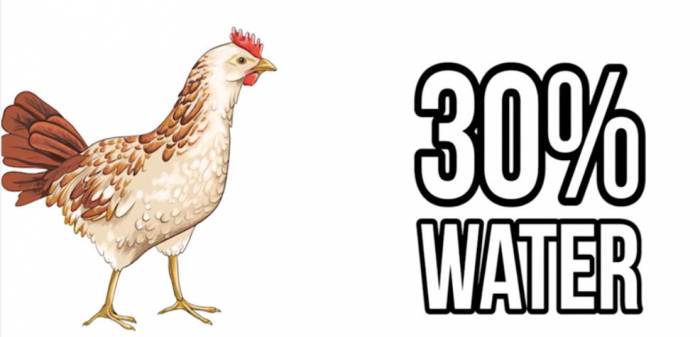
Here's a new one on us. Meat at the store is sold by weight. So how do they get more weight in a piece of meat without you knowing about it? The days of the butcher holding his thumb on the scale are long gone. Nowadays, the supermarket injects water into the meat to 'plump' it up for added weight. The meat looks fuller, fresher, and of course, weighs much more. Research shows that a single chicken bought at a grocer could include up to 30% water. This means you're literally paying for water weight and not meat.
#4 Cable Companies
Everyone loves television, and most get our favorite shows through cable companies, who often have a monopoly in certain areas. If you're like most people, you're tired of paying more and more money for much less. They lump a bunch of terrible channels into your package, slowly increase fees every couple of months, and spread out the most popular channels in other higher priced packages so that you can't get what you want until you pay more money. Cable companies have made so many enemies because of these tactics, which explains why so many people are beginning to cut the cord and go to satellite or other sources like Hulu, Netflix, and Roku.

advertisement
#5 Sun Screen
Just about anyone who goes out in the sun during the Summer months buys sunscreen. Recent advertising informs us that it is required to use because we may turn into fried bacon or worse, get cancer. They also warn us to go for the biggest SPF factor because it's better and will protect you more, so it should be worth more, right?. FALSE! The extra protection costs more but does not cost the manufacturer any more money to make SPF4 than it does to make SPF60. We are conditioned to pay a higher charge for something we believe is a better product and therefore the company can keep increasing the price because we just pay it.

advertisement
#6 Ice Cream
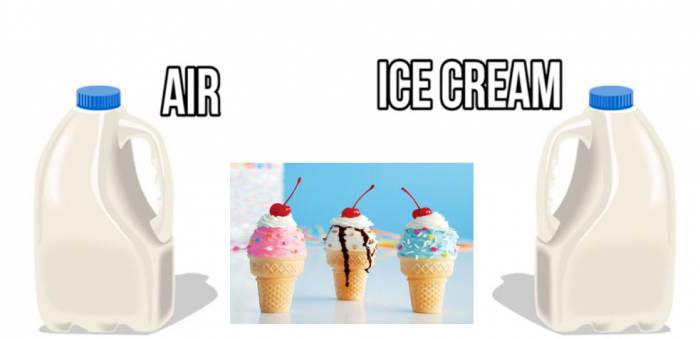
I scream, you scream, we all scream when we realize that we're paying for a whole lotta nothing. Ice cream naturally needs to have air whipped into it so it's not just a solid block. In fact, in addition to using higher quality products, the premium ice creams cost more because they have only been processed with about 25% air added. The other cheap contenders are cheap for a reason. They are often made with up to a gallon of air per gallon of ice cream. That means that half of what you paid for is 50% air.
advertisement
#7 Gasoline
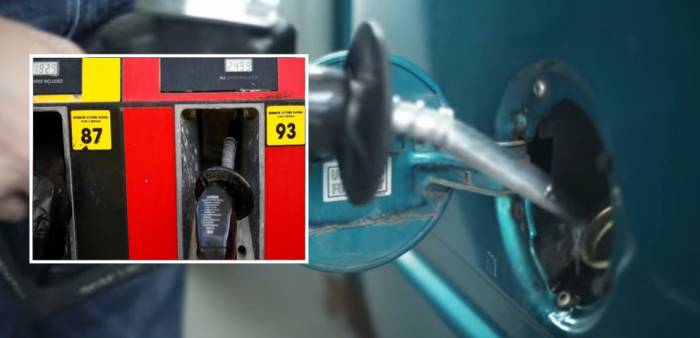
You've probably fallen for this one before, like most of us have. You're feeling generous and want to purchase that higher octane gas for your car because it's supposed to help flush out the engine and make it run better. You want to run a tank full of the better gas to boost performance and burn off the gunky crap that must be built up inside. So you pay almost double for your tank of gas than you would have otherwise. However, unless your car specifically requires premium gas, you're wasting your money. In the 'old days' premium gas could be beneficial to a car's engine, but today, with all the advances in computers and engine designs, your car will get ZERO benefit from buying that premium gasoline. Don't buy the hype. Stick with the cheapest gas you can find and your car will run just as well, and you'll save a whole lot of cash.
advertisement
#8 Potato Chips
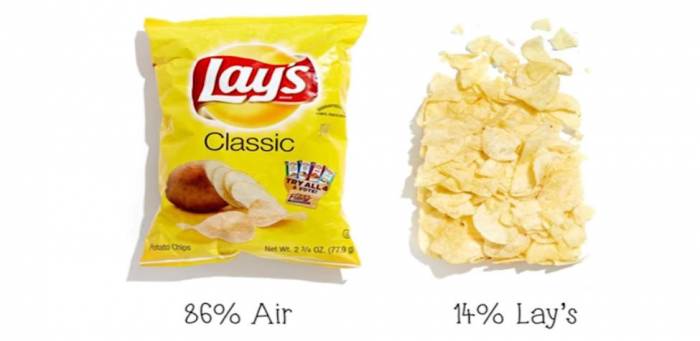
It's pretty well known that when you bust into a bag of chips, you're getting a bagful of air and not much of a snack. This isn't a rip-off because we're paying for the weight and not the size of the bag. On the other hand, the companies make the bags larger and larger to trick you into believing your eyes and stomach because you think you're getting more and are willing to pay a little bit more. The chip companies say this extra space is needed for nitrogen to keep the chips fresh. Most people don't buy that and are convinced the size of the package is all a marketing ploy. Twenty years ago or more we bought a bag of chips and it was full, and nobody complained that the bags were not that fresh.
advertisement
#9 Credit Card Annual fees
In the world of credit cards, a company offers you money and in return, you make monthly payments to them with an enormous interest rate. On top of that, they work in some type of annual fee to cover the cost of you using their cards. Ripoff! So in addition to them making tons of money off you from interest rates, you also get to pay this extra fee for holding their card. This membership fee ranges from $20 to $100 every year. Even if you explicitly signed up for a no annual fee card, chances are that they slipping the charge in there among all of your Amazon and Walmart purchases.

advertisement
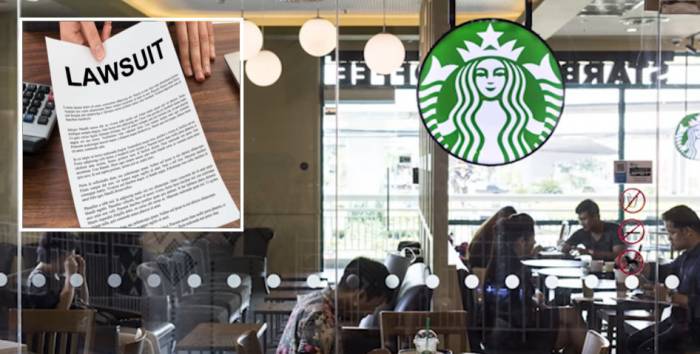
#10 Starbucks
Many people love Starbucks and to them, there is nothing better than their rich creamy coffee. But it turns out that they maybe purposely under-filling your cups and lattes. In 2016 a group of consumers filed a suit against Starbucks claiming that the company was under-filling their coffee cups by as much as 25%. It was proven that the advertised cups only held the amount of coffee it was supposed to hold when completely filled to the brim, which would not work because of the lids and spillage. They were also sued for putting too much ice in their drinks, and the court found that a 32 once cold drink or iced coffee only held about 15 ounces of the drink, the rest was all frozen water.