

Researchers now believe the hammerheads and silky sharks may have evolved in surprising ways to survive the harsh environment
advertisement
Back in 2015, a group of scientists traveled to study Kavachi, a well-known underwater volcano in the southwest Pacific Ocean, expecting to focus on its geological behavior. Instead, they ended up uncovering something far more unexpected.
Kavachi sits close to the Solomon Islands, and ocean engineer Brennan Phillips led a team there to investigate signs of hydrothermal activity. Since the volcano wasn’t erupting at the time, the researchers were able to lower equipment, including a deep-sea camera, directly into the caldera without risking damage.
After about an hour, the camera floated back to the surface. When the team reviewed the footage, they were stunned by what appeared on screen.
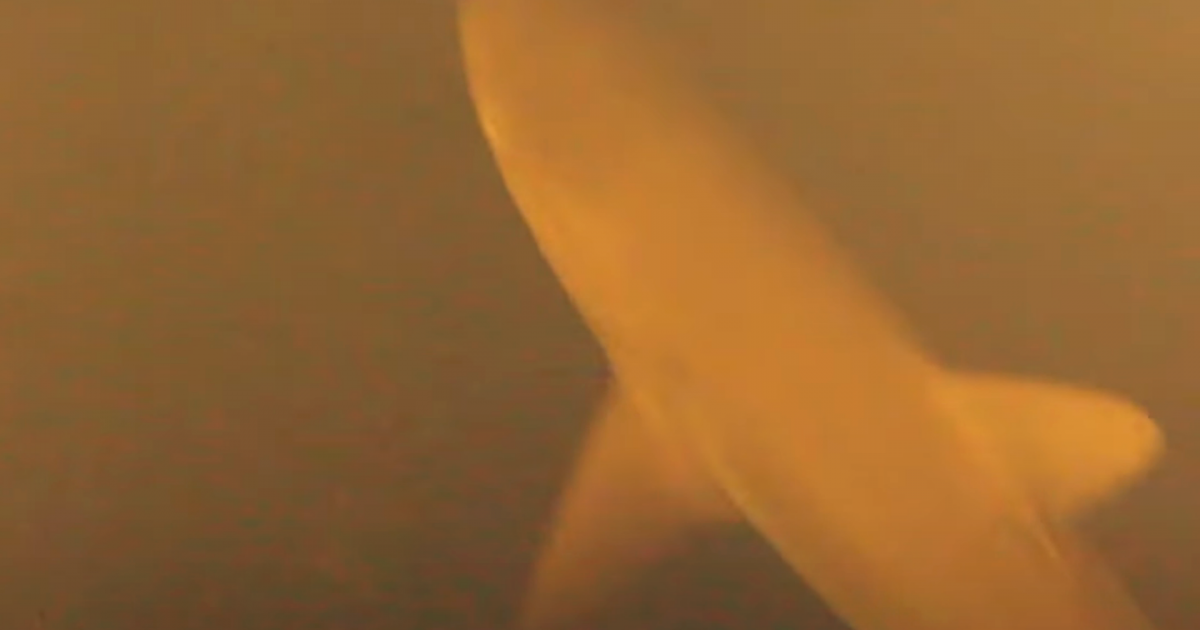
The scientists had captured images of silky sharks as well as hammerhead sharks swimming through the area as if the hot, acidic environment didn’t bother them at all.
The site is considered dangerous because of Kavachi’s highly active nature, which can result in bursts of lava, ash, and boiling water during eruptions.
The researchers had hoped to gather a better look at the volcano’s structure and check whether any animals could be living nearby. They did not expect to find multiple species confidently gliding around the hostile landscape.
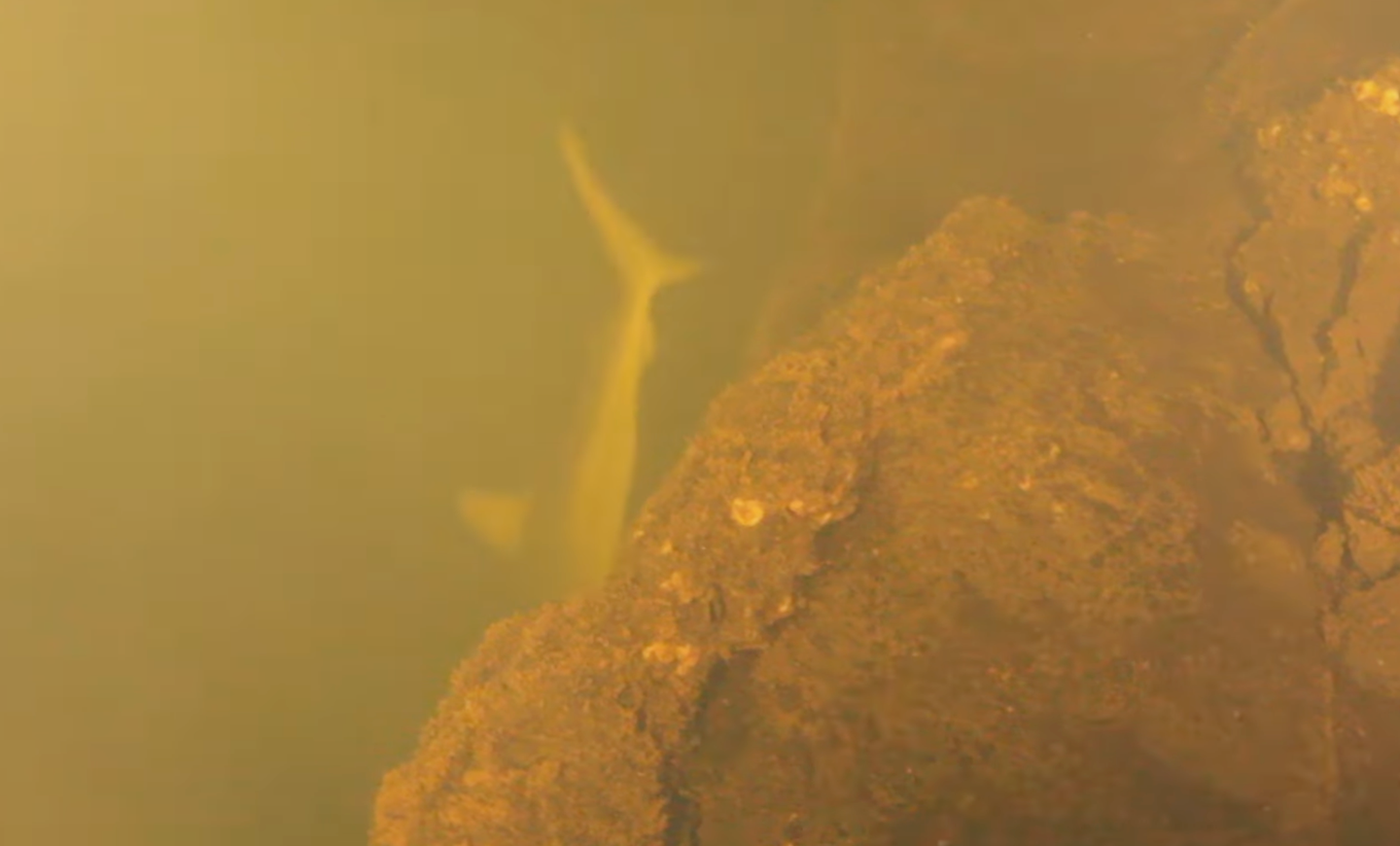
Sharks and other sea animals were seen going about their business
National Geographic
advertisement
While scanning the footage, the team even pointed out what looked like a small cave that might belong to a stingray, and they cheered out loud when the first shark swam across the frame.
Phillips explained: "The idea of there being large animals like sharks hanging out and living inside the Caldera (a large depression formed when a volcano's magma chamber empties), this volcano conflicts with what we know about Kavachi, which is that it erupts, but when it's erupting, there's no way anything could live in there."
"So to see large animals like this, that are living and (who could) potentially die at any moment, it brings up lots of questions - do they leave? Do they have some sort of sign that it's about to erupt? Do they blow up sky high in little bits?" he suggested.
Seven years later, NASA confirmed that Kavachi — nicknamed “Sharkcano” after the earlier discovery — erupted again when satellite images caught the volcano spewing material in May of that year.
The photographs showed lava, superheated acidic water, rock fragments, and sulfur blasting out into the surrounding ocean.
Scientists are still unsure whether any of the creatures known to live inside or near the volcano survived that eruption, which followed two earlier ones in 2007 and 2014.
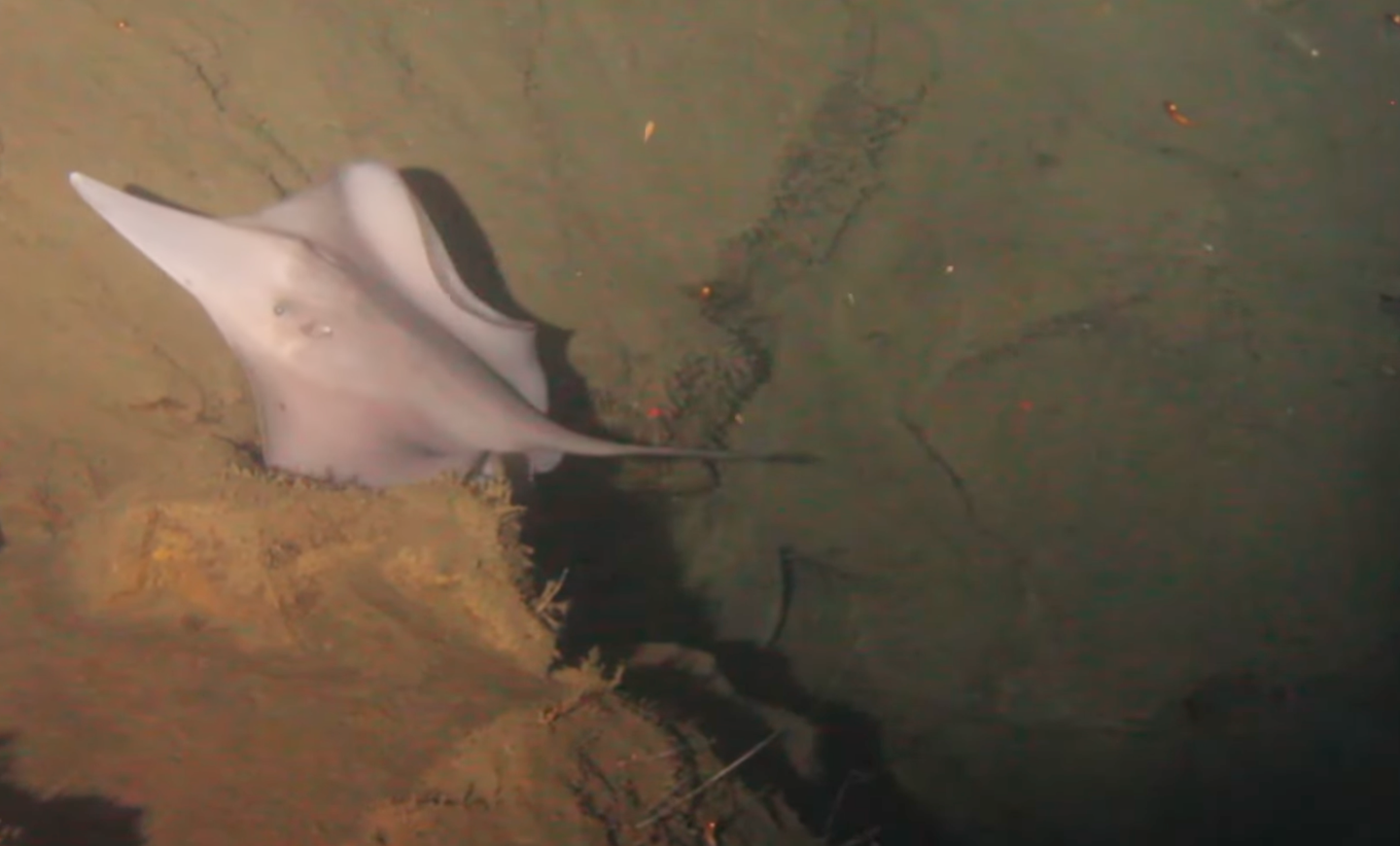
A stingray was also spotted in the volcano's crater by the camera
National Geographic
advertisement
Experts now believe the sharks might have undergone mutations or other adaptations that allow them to cope with the region’s extreme conditions.
These changes could offer clues about how different species might adjust to warming oceans in the future.