

We all love snuggling up with our furry companions, but is it really a good idea to let your dog sleep in bed with you? You might be surprised to learn about the gross and potentially hazardous reasons why it's worth reconsidering this cozy arrangement.

Should You Let Your Dog Sleep In Bed With You? Well, This Doctor Says There Is A Gross Reason You Shouldn't
By
Zainab Pervez in
Animals
On 6th May 2023
advertisement
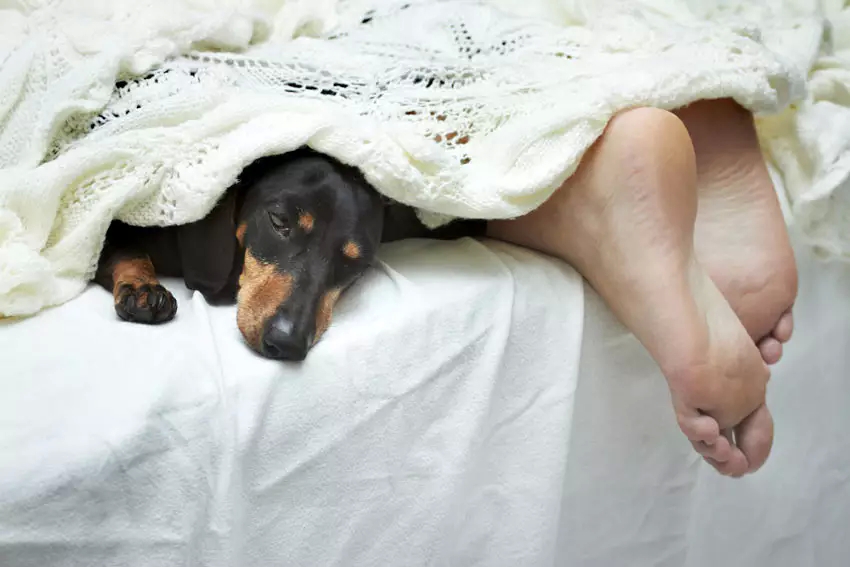
Sharing the bed with a beloved pet is a common practice for many dog owners.
Omlet Us
The warmth and companionship they provide can make bedtime feel extra cozy.
However, beneath the surface of this endearing habit lie some surprising reasons why you might want to think twice before letting your dog sleep in bed with you.
From hygiene concerns to potential health risks, understanding the drawbacks can help you make an informed decision about your sleeping arrangements.
advertisement
Let's delve into the less glamorous side of letting your furry friend join you under the covers.
According to Dr. Deborah Lee, it has been shared that allowing your dog to sleep in your bed can lead to the presence of dandruff in your bedding. This not only poses a gross factor but can also be potentially dangerous.
Pet dandruff has the potential to cause significant respiratory problems if inhaled and can trigger serious reactions when it comes into contact with your skin.

Vet street
It is important to be aware of these risks when considering whether to allow your dog in your bed.
advertisement
Dr. Deborah Lee highlights that during the spring season, pet hair shedding tends to worsen, which can exacerbate issues such as allergic rhinitis, dermatitis, hives, and asthma. Surprisingly, it is a common misconception that fur is the primary cause of these health risks.
advertisement
In reality, it is the dead skin cells that accompany the shed hair that pose the most significant threat and can lead to serious health problems.
Being aware of this distinction is crucial in understanding the potential health risks associated with pet hair shedding, especially during the springtime.
advertisement

Pinterest
Dr. Lee said: “Pet dander is a common cause of allergy in children and adults. Encountering pet dander can cause allergic rhinitis, dermatitis, hives and asthma symptoms.”
advertisement
“When you breathe the animal dander particles into your lungs, your body's immune cells recognise the dog or cat antigen as a foreign substance posing a threat to your health. As a result, an inflammatory reaction is initiated, and an antibody called Ig E is released.”
advertisement

Clinical Pain Advisor
“Cells called mast cells release histamine, which causes smooth muscle contraction, causing the airways to constrict, meaning you cannot get so much air into the lungs.”
advertisement
She added that histamine also causes an increase in bronchial secretions and swelling, producing typical unpleasant asthma symptoms such as coughing, wheezing, chest tightness and shortness of breath.
According to a recent study, it was discovered that a significant number of pet owners, 68%, permit their dogs and cats into their bedrooms, with 30% allowing them to sleep on the bed.
advertisement

Surprisingly, the study also revealed that a substantial percentage of these pets carry Enterobacteriaceae bacteria on their fur or foot pads. Specifically, 86% of dogs and 32% of cats tested positive for this group of bacteria.
advertisement
Enterobacteriaceae includes well-known pathogens such as salmonella, E. coli, and shigella, all of which are common causes of gastroenteritis in humans.
These findings highlight the potential health risks associated with close contact between pets and sleeping areas.
To conclude, the idea of letting your dog or cat sleep in your bed may seem comforting and appealing, it's important to consider the potential risks and drawbacks.

Hillspet
The presence of Enterobacteriaceae bacteria on the fur or foot pads of pets highlights the possibility of transmitting pathogens known to cause gastroenteritis in humans.
This serves as a reminder that close contact between pets and sleeping areas can introduce harmful bacteria into our personal spaces.
advertisement
Maintaining good hygiene practices, such as regular grooming and washing bedding, can help mitigate these risks.
Ultimately, it's essential to make informed decisions regarding pet sleeping arrangements that prioritize both the comfort and well-being of both humans and our furry companions.