

Whether the Shroud of Turin is truly authentic has sparked debate for generations
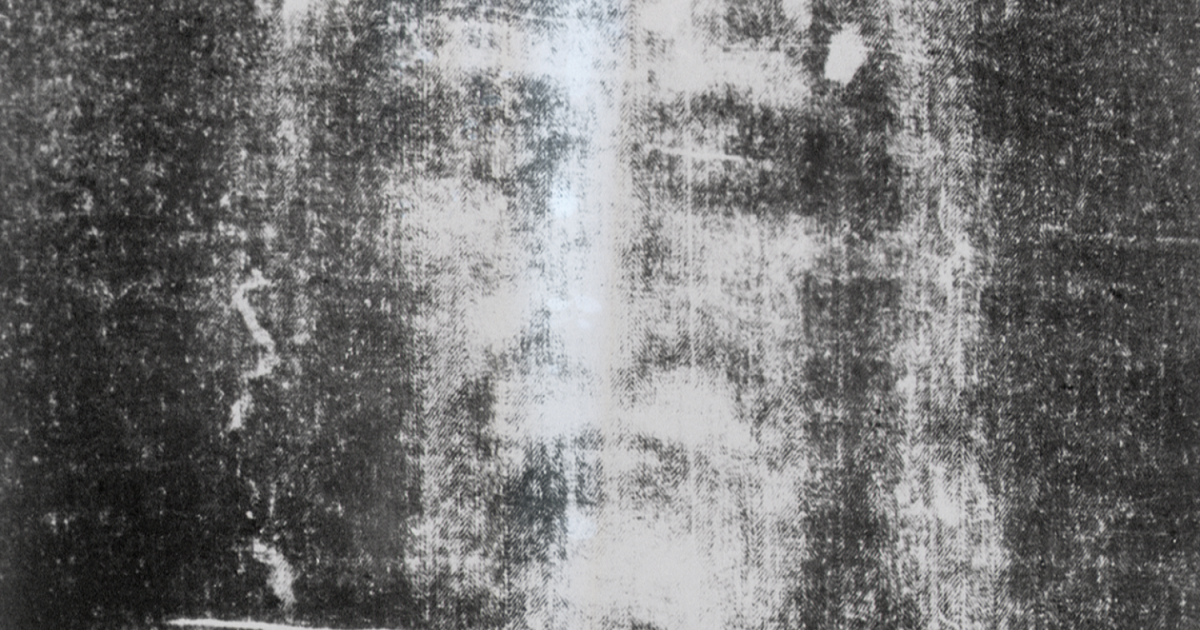
New Research May Unravel Shroud Of Turin Mystery Once Believed To Be Jesus' Burial Cloth
By
Khadija Pervez in
News
On 3rd August 2025
advertisement
A researcher studying the mysterious ‘Shroud of Turin’ has revealed new insights that could challenge long-held beliefs about the ancient linen.
The cloth, which first entered historical records around the year 1353, became famous for displaying what appears to be the faint outline of a man who had been crucified. Many believed the markings closely resembled the wounds Jesus Christ was said to have suffered, as described in biblical texts.
The image features what look like punctures from a crown of thorns, along with wounds on the wrists and feet — details that led countless Christians to think it could be the burial shroud of Jesus himself.
The question of whether the shroud is real or not has been debated for decades. Now, new research published in the journal Archaeometry adds fresh evidence suggesting it might not be what people once thought it was.
This latest analysis comes from Cicero Moraes, a Brazilian 3D digital designer known for his work on historical facial reconstructions. He used computer modeling software to simulate how cloth would realistically fall over a human form.
To add more depth to the study, Moraes also looked at how fabric behaves when draped over a low-relief sculpture — a type of sculpture where the raised elements barely stick out from the background.
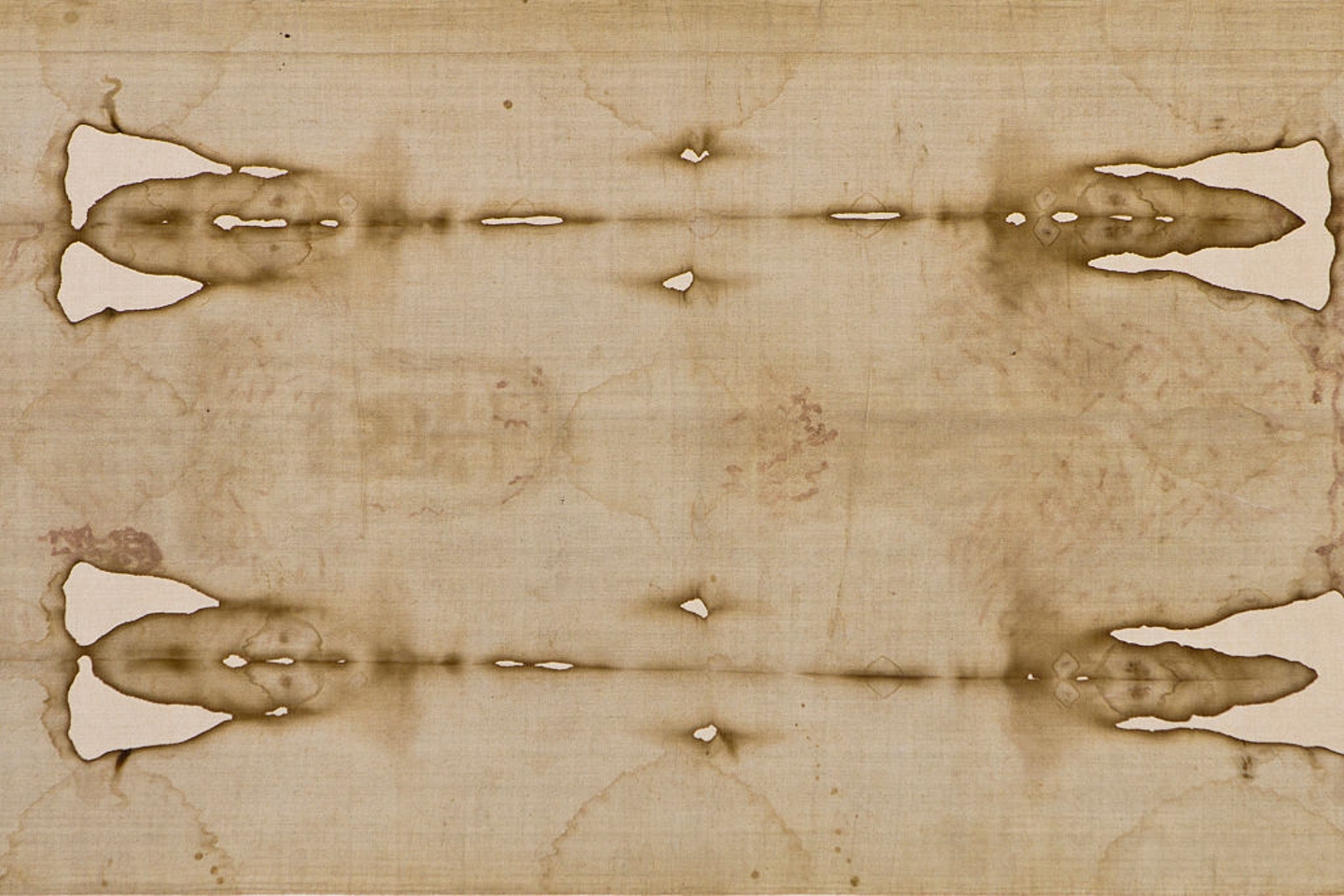
The linen material is considered by some to have covered Jesus
Marco Destefanis/Pacific Press/LightRocket via Getty Images
advertisement
By using advanced 3D modeling software, Moraes digitally laid cloth over both a human-shaped model and a low-relief sculpture. He then carefully compared those simulated results to actual photographs of the shroud taken back in 1931.
What he discovered was quite striking. The way the cloth looked when draped over a low-relief sculpture closely matched the historical images of the shroud. That led Moraes to conclude that the figure imprinted on the cloth likely came from a crafted model rather than a real human being.
In an email sent to Live Science, Moraes explained: "The image on the Shroud of Turin is more consistent with a low-relief matrix. Such a matrix could have been made of wood, stone or metal and pigmented (or even heated) only in the areas of contact, producing the observed pattern."
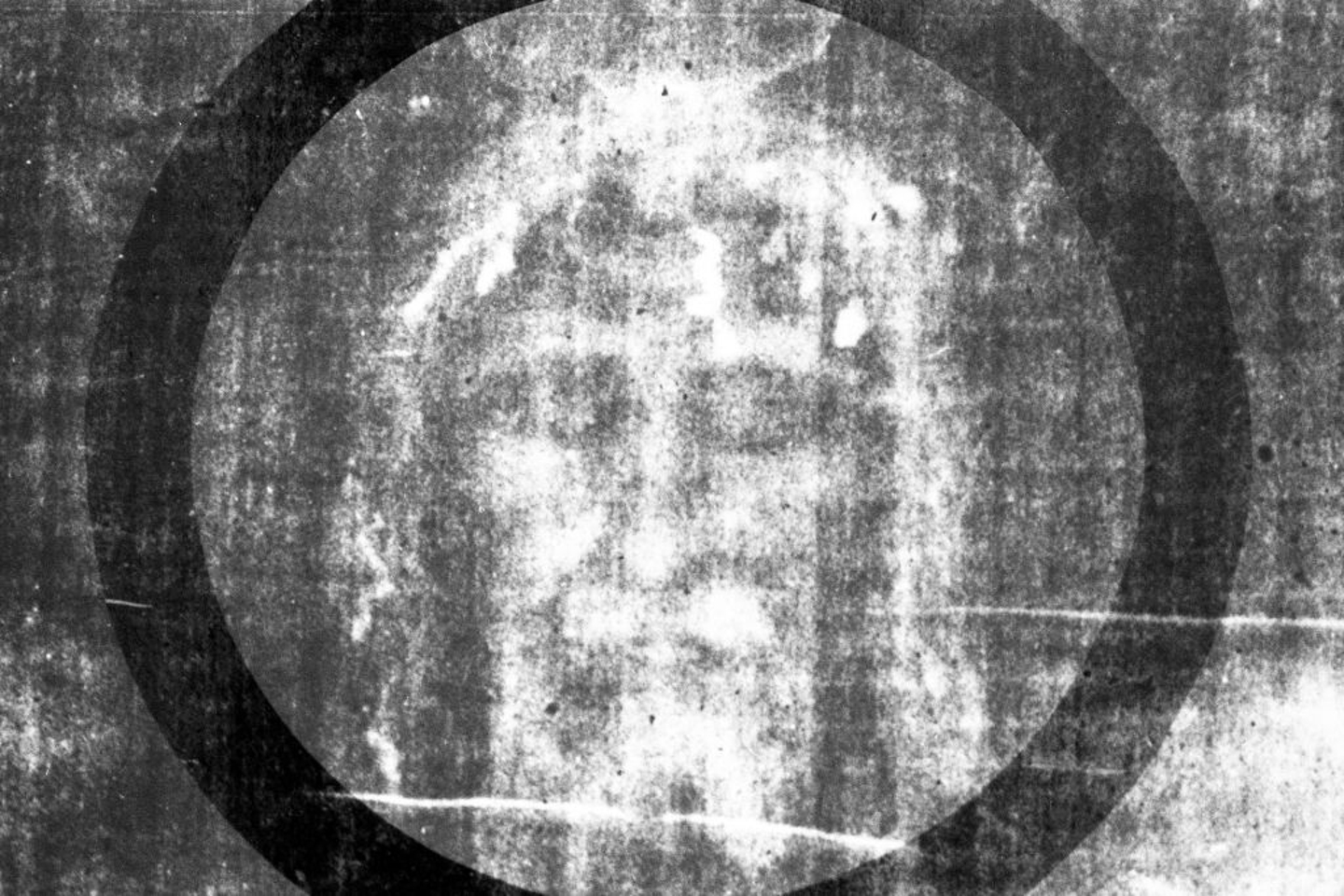
Moraes found the sculpture model more closely matched photos of the cloth
Edoardo Fornaciari/Getty Images
When Moraes ran the simulation using a 3D human body, he noticed that the cloth didn’t lie flat. Instead, it distorted and created a bloated-looking image that didn’t match the shroud’s clean lines.
Moraes wrote: "Although there is a remote possibility that it is an imprint of a three-dimensional human body, it is plausible to consider that artists or sculptors with sufficient knowledge could have created such a piece, either through painting or low relief."
These findings line up with results from earlier carbon dating studies, which placed the cloth’s origin somewhere between A.D. 1260 and 1390. That date range makes it more likely to be a medieval creation than an ancient religious artifact.