Side Effects That Will Force You To Say No To Cigarettes And Quit Smoking
All of us come across articles, pamphlets, news and what not, all advising the same, quit smoking cigarettes. Even the packets which contain these dangerous tubes of nicotine come with a statutory warning. And despite being aware of all the diseases it causes and knowing the reasons why one should quit smoking, we continue with our old habit. I know it ain’t easy to quit right away but with sheer will, one can really get over this harmful addiction.
Here is a list of diseases caused by smoking that will force you to say no to cigarettes!
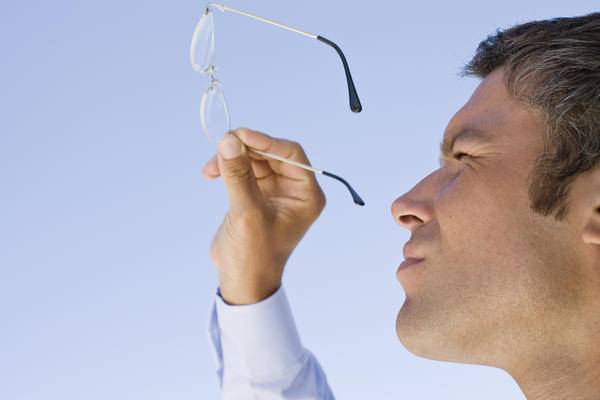
#1 Loss of vision
Smoking cigarettes make your body vulnerable to cataracts, age-related macular degeneration, diabetic retinopathy, and glaucoma. These diseases slowly lead to loss of vision
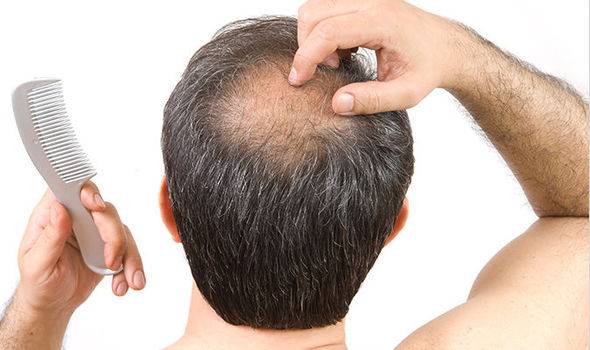
#2 Hair loss and baldness
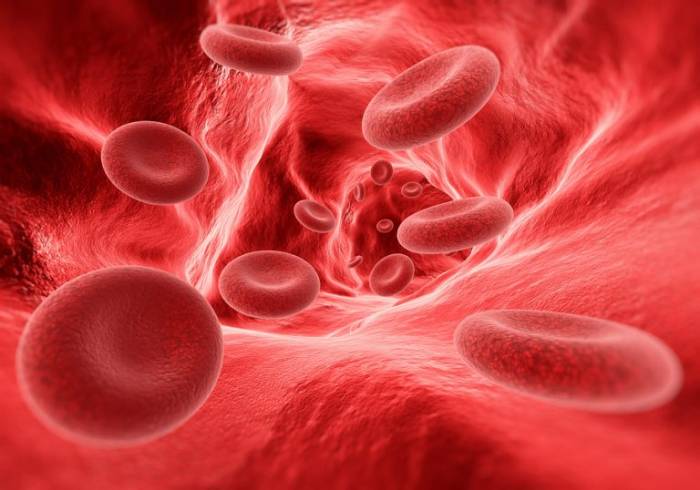
Yes, you read that correctly. If you do not want to lose your precious hair and go bald, you should quit Cigarettes right away. The reason being when a person takes in the smoke, it restricts the blood and oxygen flow to different body parts. And when this happens, the hair follicles get affected due to loss of hair nourishment which eventually leads to baldness.
#3 Reproductive health
Tobacco use can damage a woman’s reproductive health. Women who smoke are more likely to have trouble getting pregnant. When they are pregnant they also tend to have problems that can hurt both mother and baby, for instance:
Smokers are more likely to have an ectopic pregnancy (where the embryo implants outside the uterus), which can threaten the mother’s life.
Smokers are also more likely to have early membrane ruptures and placentas that separate from the uterus too early.
Serious bleeding, early delivery (premature birth), and emergency Caesarean section (C-section) may result from these problems.
Smokers are more likely to have miscarriages, stillbirths, babies with cleft lip or palate, and low birth-weight babies.
Smoking during pregnancy has also been linked to a higher risk of birth defects and sudden infant death syndrome (SIDS)
Women who smoke tend to be younger at the start of menopause than non-smokers and may have more unpleasant symptoms while going through menopause.
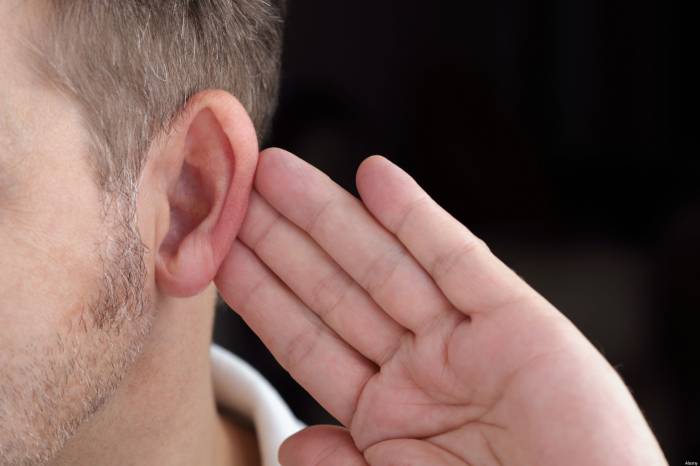
#4 Loss of hearing ability
If this of all reasons doesn’t scare you, what else will? A smoker is more likely to go deaf as their ears lose their capacity by 10 years.
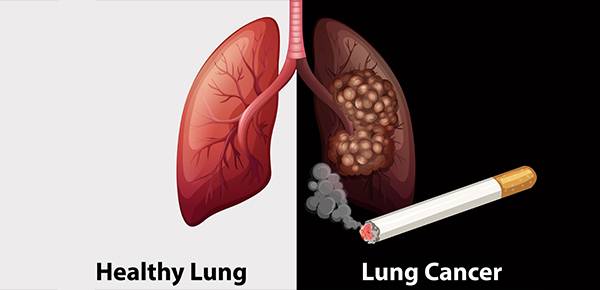
#5 Lung Cancer
More people die from lung cancer than any other type of cancer. Cigarette smoking is the number one risk factor for lung cancer; it's responsible for 87 percent of lung cancer deaths. Your chance of still being alive five years after being diagnosed is less than 1 in 5.
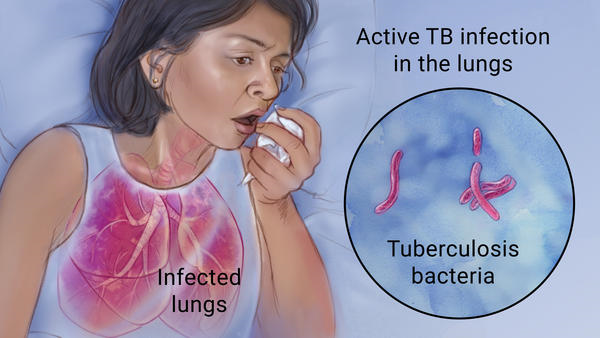
#6 Lung disease
Chronic Obstructive Pulmonary Disease (COPD) is a collective term for a group of conditions that block airflow and make breathing more difficult, such as:
Emphysema - breathlessness caused by damage to the air sacs within the lungs
Chronic Bronchitis - coughing with a lot of mucus that continues for at least three months.
Smoking is the most common cause of COPD and is responsible for 80% of cases.
It's estimated that 94% of 20-a-day smokers have some emphysema when the lungs are examined after death, while more than 90% of non-smokers have little or none.
COPD typically starts between the ages of 35 and 45 when lung function starts to decline anyway. In smokers, the rate of decline in lung function can be three times the usual rate. As lung function declines, breathlessness begins.
#7 Heart Disease
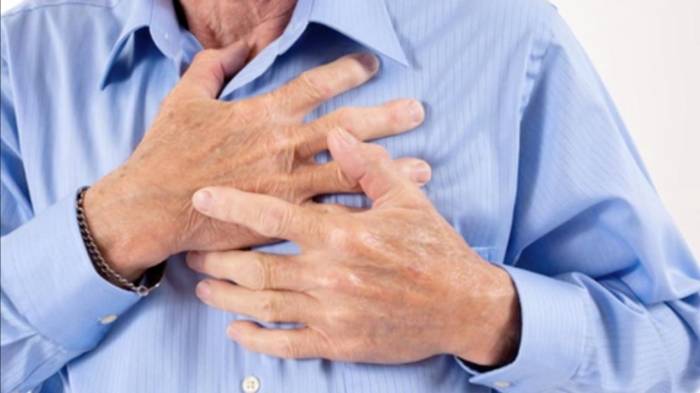
Smoking harms nearly every organ in your body, including your heart. Smoking can cause blockages and narrowing in your arteries, which means less blood and oxygen flow to your heart. When cigarette consumption in the U.S. decreased, so did the rates of heart disease. Yet, heart disease still remains the number one cause of death in the U.S.
#8 Cancer almost anywhere in your body
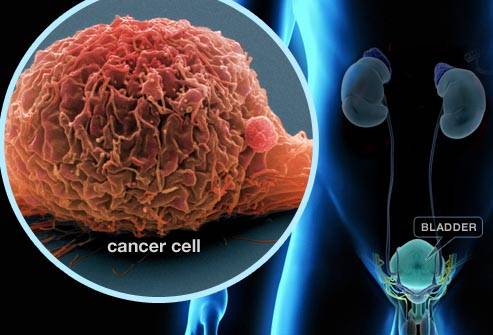
Smoking can cause cancer almost anywhere in your body
Bladder
Blood (acute myeloid leukemia)
Cervix
Colon and rectum (colorectal)
Esophagus
Kidney and ureter
Larynx
Liver
Oropharynx (includes parts of the throat, tongue, soft palate, and the tonsils)
Pancreas
Stomach
Trachea, bronchus, and lung
Smoking also increases the risk of dying from cancer and other diseases in cancer patients and survivors.
If nobody smoked, one of every three cancer deaths in the United States would not happen.
#9 Stroke
Because smoking affects your arteries, it can trigger stroke. A stroke happens when the blood supply to your brain is temporarily blocked. Brain cells are deprived of oxygen and start to die. A stroke can cause paralysis, slurred speech, altered brain function and death. Stroke is the fourth leading cause of death in the United States and a leading cause of adult disability.
#10 Healing Wounds
Smoking causes wounds to heal slower because it reduces blood flow to the skin.
#11 Erectile Dysfunction
Smoking damages the arteries, and blood flow is a key part of male erections. Male smokers have a higher risk of sexual impotence (erectile dysfunction) the more they smoke and the longer they smoke. At least one study has also linked cigar smoking to sexual impotence in men.
Smoking can also affect sperm (which reduces fertility) and increase the risk for miscarriage and birth defects.
#12 Other risks caused by smoking
Smoking raises blood pressure - a risk factor for heart attacks and stroke.
Couples who smoke are more likely to have fertility problems than couples who are non-smokers.
Smoking worsens asthma and counteracts asthma medication by worsening the inflammation of the airways that the medicine tries to ease.
Smoking stains your teeth and gums.
Smoking causes an acid taste in the mouth and contributes to the development of ulcers.
Smoking also affects your looks: smokers have paler skin and more wrinkles. This is because smoking reduces the blood supply to the skin and lowers levels of vitamin A.