Signs Your Body Is Full Of Toxic Heavy Metals And How To Detoxify
Exposure to heavy metals is on the rise. We are all repeatedly exposed to toxins on a daily basis, whether it is through the food we eat, the air we breathe or the products we use. Modern living and convenience carries a steep price.
Toxicity is such a problem that babies are now BORN with toxins, due to the toxic load of their mothers. A 2004 study by the Environmental Working Group (EWG) found that blood samples from newborns contained an average of 287 toxins, including mercury, fire retardants, pesticides and chemicals in non-stick cookware.
#1 Accumulating too much of certain metals in the body can lead to dangerous symptoms.
Heavy metal poisoning is caused by the accumulation of certain metals in the body due to exposure through food, water, industrial chemicals, or other sources.
While our bodies need small amounts of some heavy metals — such as zinc, copper, chromium, iron, and manganese — toxic amounts are harmful.
If your body's soft tissues accumulate too much of heavy metals, the resulting poisoning can cause serious damage.
Lead, mercury, arsenic, and cadmium are the metals most commonly associated with heavy metal poisoning in the United States.
Men and women are equally susceptible to heavy metal poisoning if they're exposed in the same ways.
While children in the United States are still more prone to getting lead poisoning than adults, the number of children with harmful levels of lead in the blood has dropped 85 percent over the past 20 years, according to the National Organization for Rare Disorders.
#2 Causes of Acute Heavy Metal Exposures
Mishandled metals at a job site
Chemical and heavy metal spills–even from a broken mercury thermometer
Chronic exposure happens over a period of time, and includes:
Having mercury amalgams (“silver fillings”) in teeth
Living in a home built prior to 1978 that has lead-based paint
Smoking and/or inhaling second-hand smoke
Eating foods (such as contaminated fish) that contain high levels of heavy metals
Living near a landfill
Working in an environment where exposure is prevalent, such as at a dentist’s office where amalgam is commonly used
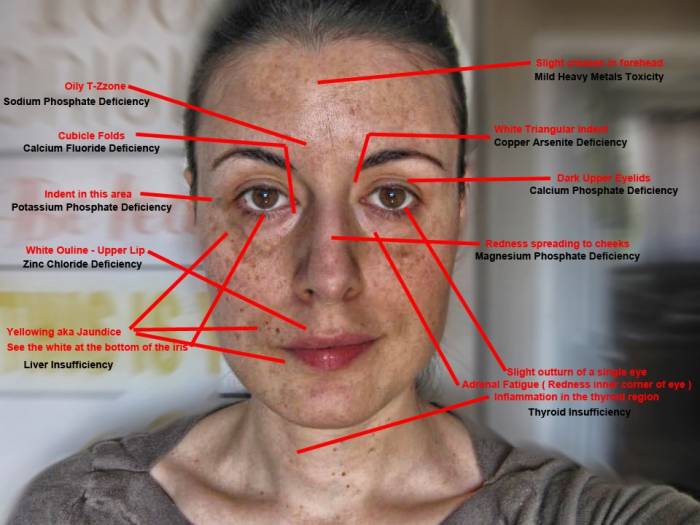
#3 Signs you’re suffering from heavy metal toxicity:
There are actually two different types of heavy metal toxicity, chronic and acute.
#4 Acute symptoms
Acute symptoms of toxicity are much more easy to recognize, as they tend to come on quickly and be severe. Those include:
Headaches
Sweating
Cramping, nausea, and/or vomiting
Difficulty breathing
Pain
Mania
Impaired cognitive, motor and language skills
Convulsions
#5 Chronic Symptoms:
Chronic exposure tends to produce different symptoms that are much more easily confused with symptoms of different conditions, and as they develop over time, they’re more difficult to recognize as stemming from heavy metal toxicity. Because toxic metals block the absorption and utilization of essential minerals, that can bring on an avalanche of symptoms that gradually worsen with time.
These are some of the signs of chronic exposure you’ll really want to look for:
Chronic malaise, meaning a frequent general feeling of fatigue, illness and discomfort
Chronic pain, mainly in the tendons, throughout the muscles or soft tissues of the body
Brain fog like being confused or forgetful
Digestive issues like constipation, bloating, gas, diarrhea, heartburn or indigestion
Dizziness
Migraines or headaches
Mood swings
Visual disturbances
Depression or anxiety
Nervous system disorders, including numbness, tingling, burning or paralysis in the extremities
Female reproductive issues like infertility, miscarriage and menstrual problems
#6 Easy Steps for Optimal Detoxification
While it’s impossible to avoid all exposure to toxins like heavy metals, there are many things you can do to eliminate or reduce the damaging effects.
#7 Improve Your Diet
Maximize your health by eating whole, organic foods. Eating a healthy diet is key to nourishing and rebuilding your body.
Eat whole, organic unprocessed foods.
Eat local in-season foods whenever possible.
Include cultured and fermented foods in your diet.
Include healthy fats in your diet.
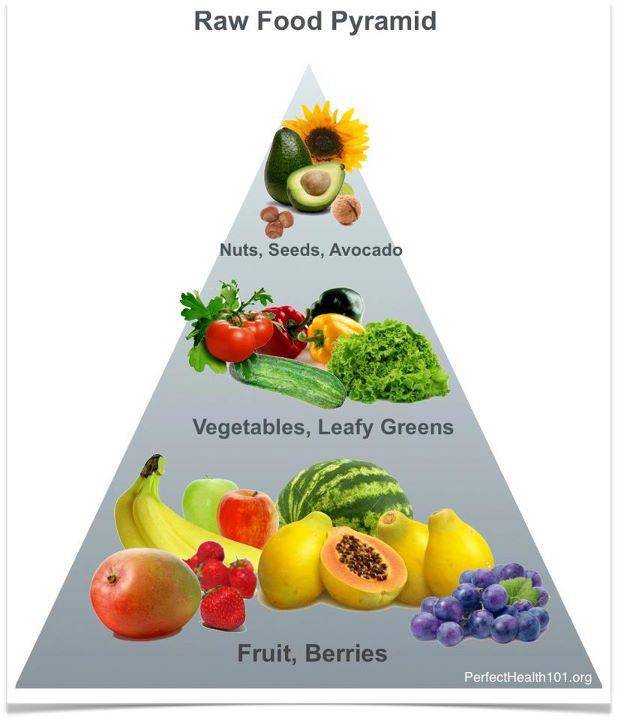
Eat one-third of your food raw.
Consume Foods That Help the Body Flush out Heavy Metals
The best foods for removing heavy metals from your body are wheatgrass, chlorella, spirulina, cilantro and garlic.
#8
Nutrition is key when faced with metal toxicity. That’s because when you’re deficient in essential metals, the body turns to toxic metals as an alternative. For example, if you aren’t getting enough calcium in your diet, it will be replaced by lead. Lead mostly deposits itself in the bones, and it disrupts the formation of red blood cells. It commonly contributes to weaker bones and issues like osteoporosis or osteopenia. The body may use aluminum to make up for a lack of magnesium, which contributes to developing Alzheimer’s, and zinc is replaced by kidneys, and often accumulates in the kidneys. It’s also associated with peripheral neuropathy.
Another reason nutrition plays such an important role is that essential nutrients are vital for aiding the natural detoxification process, to help your body get rid of those toxins on its own.
#9 Stay Hydrated
Water is an essential tool for your body to flush out the chemicals you are exposed to. Purchase a filter to make sure your water is pure and make sure you drink it in regular intervals. A minimum of 8-10 cups of water per day is recommended.
#10 Exercise
Getting active will fire up your circulation and turn your body into a toxin flushing machine. Going for runs, swimming, playing sports, or simply getting out to walk around once in a while will help keep you in shape and away from body toxicity.
#11 Heavy Metal Poisoning Prevention
The following tips may help you prevent heavy metal poisoning:
Wear masks and protective clothing if you work around heavy metals
Since many metals accumulate in dust and dirt, keep these out of your home as much as possible
Pay attention to local fish advisories regarding mercury levels
Be aware of potential sources of lead exposure
Check for any heavy metals listed on the labels of products you bring into your home