Simplest Ways To Overcome Anxiety
What if I start to feel worse? What if they hate my presentation? What if she sees me sweating? What if I bomb the exam? What if I don’t get the house?
When you’re feeling anxious, you might feel stuck and unsure of how to feel better. You might even do things that unwittingly fuel your anxiety. You might hyper-focus on the future, and get carried away by a slew of what-ifs.
#1
You’ve been in bed for an hour now and you still can’t get to sleep. Maybe you’re thinking about your job or your 401(k) or health insurance. Perhaps some problem with your kids has your mind spinning on its late-night hamster wheel of worry. Whatever the issue, you can’t get it out of your head, so you try to solve it then and there. Before you know it, another hour has passed. Now you start fretting about the fact that you can’t get to sleep. “I’ll be a wreck tomorrow,” you tell yourself. “I’ve got to sleep now.” Doesn’t do the trick though, does it?
We’ve all been there. But the good news is, there is something you can do to help―something more effective than the usual advice to “be positive” or just “stop thinking so much.”
Anxiety and stress are physical and emotional responses to perceived dangers (that aren’t always real). And since most of us aren’t running from tigers or hunting and gathering in the woods, it’s often the little things that put us over the edge: an over-loaded email inbox, morning rush hour, or losing those keys before running out the door. Luckily, it’s easy to beat this kind of stress with just a few easy changes added throughout the day.
#2 Take a deep breath
A useful tool to prevent panic attacks, the breath is also a great marker of where your anxiety level is at throughout the day. Short, shallow breaths signify stress and anxiety in the brain and body. On the flip side, consciously breathing, plus lengthening and strengthening the breath helps send signals to the brain that it’s okay to relax.
When you are stressed (sitting in a traffic jam is a good time to practice this), simply breathe in deeply and slowly breathe out. Do this five times. You will feel better very quickly.
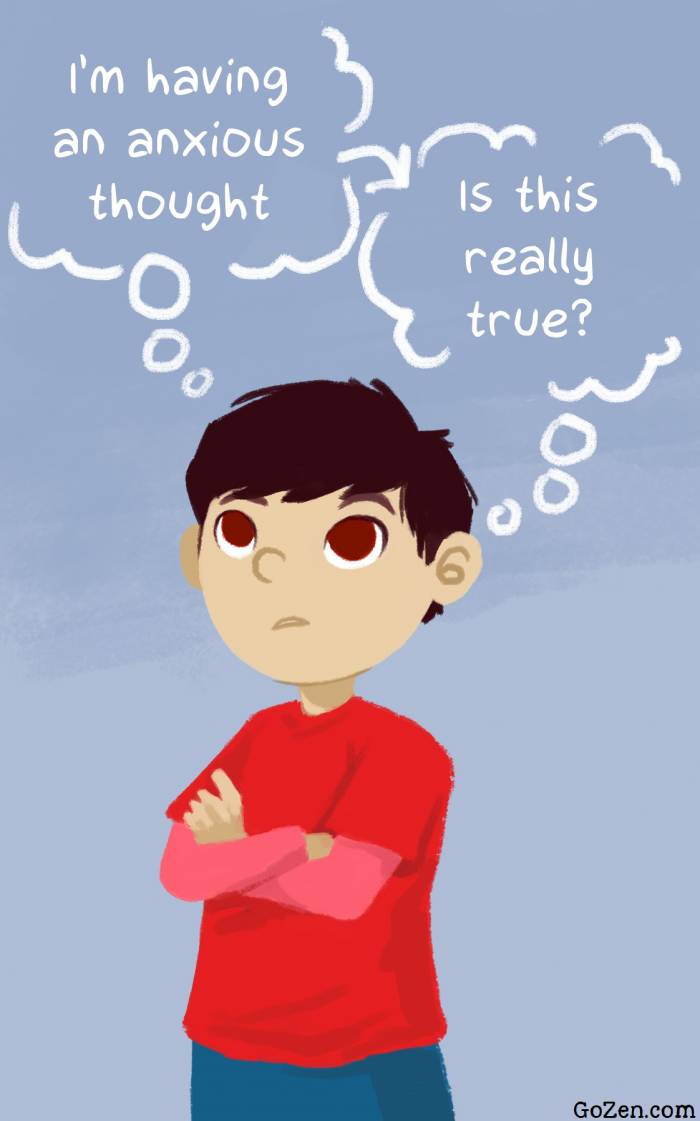
#3 Question your thoughts.
“When people are anxious, their brains start coming up with all sorts of outlandish ideas, many of which are highly unrealistic and unlikely to occur,” Corboy said. And these thoughts only heighten an individual’s already anxious state.
For instance, say you’re about to give a wedding toast. Thoughts like “Oh my God, I can’t do this. It will kill me” may be running through your brain.
Remind yourself, however, that this isn’t a catastrophe, and in reality, no one has died giving a toast, Corboy said.
“Yes, you may be anxious, and you may even flub your toast. But the worst thing that will happen is that some people, many of whom will never see you again, will get a few chuckles, and that by tomorrow they will have completely forgotten about it.”
Deibler also suggested asking yourself these questions when challenging your thoughts:
*“Is this worry realistic?
*Is this really likely to happen?
*If the worst possible outcome happens, what would be so bad about that?
*Could I handle that?
*What might I do?
*If something bad happens, what might that mean about me?
*Is this really true or does it just seem that way?
*What might I do to prepare for whatever may happen?”
#4 Get enough sleep
Inconsistent sleep can have some serious consequences. Not only does it affect our physical health, but lack of sleep can also contribute to overall anxiety and stress. And sometimes it turns into a vicious cycle, since anxiety often leads to disruptions in sleep . Especially when feeling anxious, try to schedule a full seven to nine hours of snooze time and see what a few nights of sweet slumber do for those anxiety levels throughout the day.
#5 Make peace with time.
When you’re a worrier, everything can feel like an emergency. But notice this about all your anxious arousal: It’s temporary. Every feeling of panic comes to an end, every concern eventually wears itself out, every so-called emergency seems to evaporate. Ask yourself, “How will I feel about this in a week or a month?” This one, too, really will pass.
#6 Turn Things Fun
Life isn't something that should be taken too seriously. So any opportunity you have to turn something more fun you should take. For example, if your work causes you anxiety, try to find ways to make work fun, like inventing little games for yourself that you can do without impacting your work ability. Be responsible, of course, but also don't let places or people that cause you stress be something that you fear. Instead, let it be something you try to change.
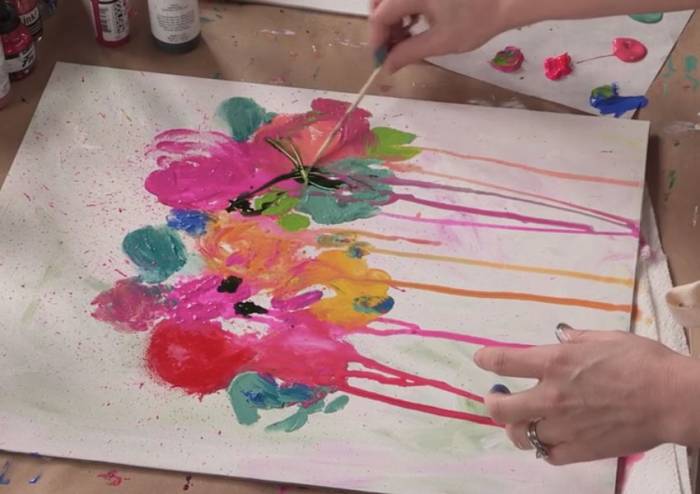
#7 Create Art.
Art is also a powerful tool for reducing anxiety. Art allows you to express yourself in ways that are therapeutic, while also giving you an activity to do that serves as a great distraction from your mind. Also, once you complete an art piece, you'll get the joy of accomplishment.
While it may seem silly, accomplishment can be a powerful anxiety reduction tool.
#8 Exercise, Exercise, Exercise!
Exercise is nature's anti-anxiety remedy. Besides clearing the mind, firing up the endorphins, and helping you sleep soundly at night, researchers have found that individuals who exercise vigorously and regularly were 25 percent less likely to develop an anxiety disorder within five years.
#9 Have Chocolates
There are logical reasons to think that chocolate may very well have benefits for those that have anxiety. This benefit isn't "strong" in the sense that you'll suddenly stop having anxiety and panic attacks, but the reason is there.
Now, when we talk about chocolate, we're talking about only dark chocolate. Milk chocolate has almost no nutritional value, and white chocolate isn't even really chocolate. The closer you get to pure dark chocolate the more likely the food has value. If you can get sugar free dark chocolate that's even better.
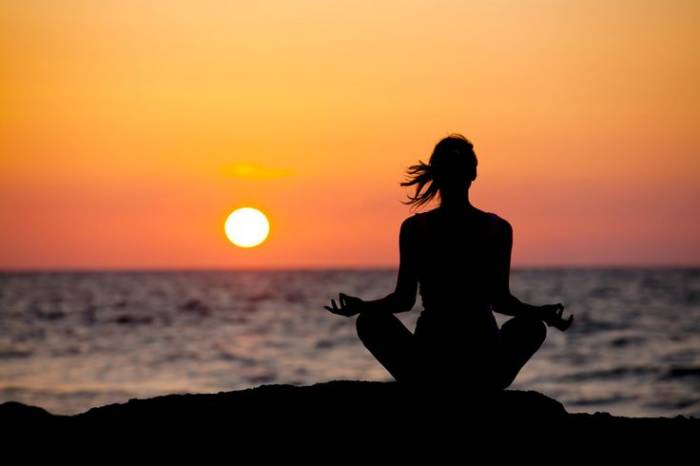
#10 Meditate
By now most of us have heard that meditation is relaxing, but what scientists are also discovering is that meditation actually increases the amount of grey matter in the brain, essentially rewiring the body to stress less. A number of recent studies highlight the positive effects of meditation on anxiety, mood, and stress symptoms.
Meditation is also a way to observe the brain, letting us figure out how our mind generates anxiety-provoking thoughts. And understanding the brain’s thought patterns can help create distance from those thoughts.
#11 Say Bye to Anxiety.
In an ideal world, we wouldn’t come up with thoughts that produce stress or anxiety. But we’re human and inevitably worry about things. So when we do start to freak, there are lots of little steps we can take to change our thoughts, calm the brain, relax the body, and get back in the game. And, as always, be sure to check with a psychotherapist if these tips don’t cut it and you need a little extra help tackling a more significant anxiety issue!
It's absolutely possible to ease your anxiety, and someday you'll be able to cure it forever. Until then, the above coping tools should help you decrease the degree to which anxiety affects you, and hopefully make your life more manageable. The more manageable your anxiety is, the easier it is to cure in the future.