

For most people, it only happens once or twice, but the experience can feel overwhelming
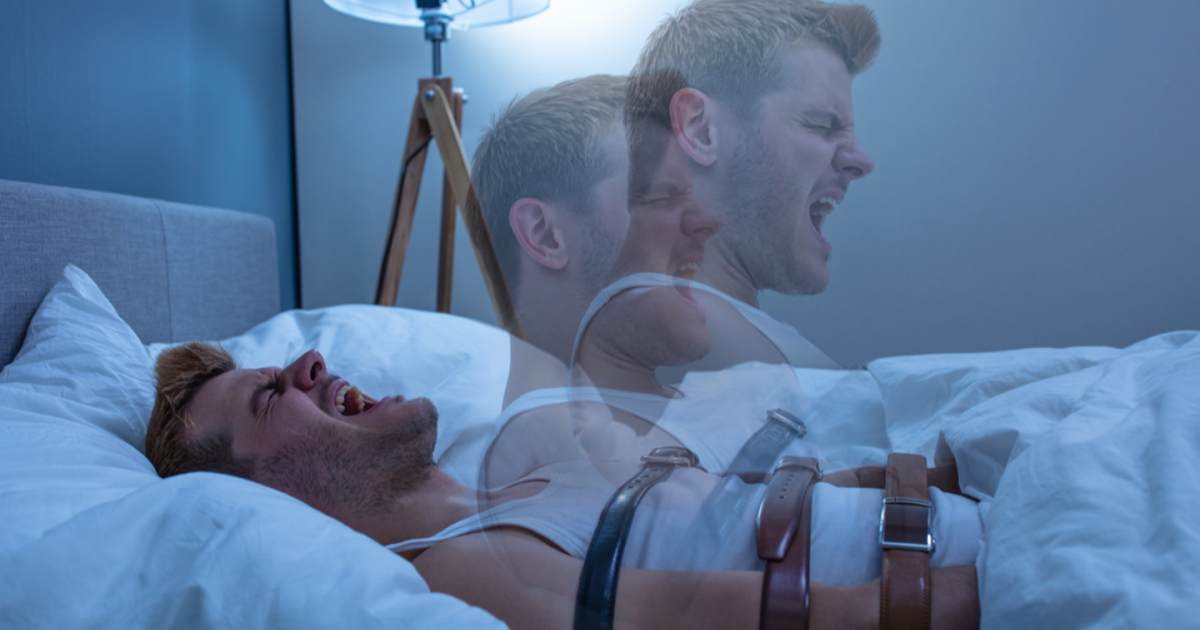
Terrifying Simulation Breaks Down What Really Happens To Your Body During Sleep Paralysis
By
maks in
Health and Fitness
On 29th December 2025
advertisement
If you have never gone through sleep paralysis yourself, it can be hard to grasp just how frightening the experience can feel while it is happening.
During an episode, you are unable to move or speak, and many people report a strong sense that someone or something is in the room or pressing down on their body, which can leave them feeling panicked and shaken afterward.
Because the sensation is so strange and intense, it is often difficult to put into words, but a recent TikTok video has managed to closely recreate what sleep paralysis feels like for many people.
The clip was shared by a user known as notanexperttt and features a simulation of an animated man waking up and slowly losing control and feeling in his arms.
Moments later, a frightening-looking figure appears in front of him, creating the impression that the creature is sitting on top of his body, even though the experience is actually a hallucination.
The video explains the sensation clearly, stating: "You'll feel like you're awake and you can still hear and see things but you can't move your body, because it's still asleep. This happens during REM sleep."
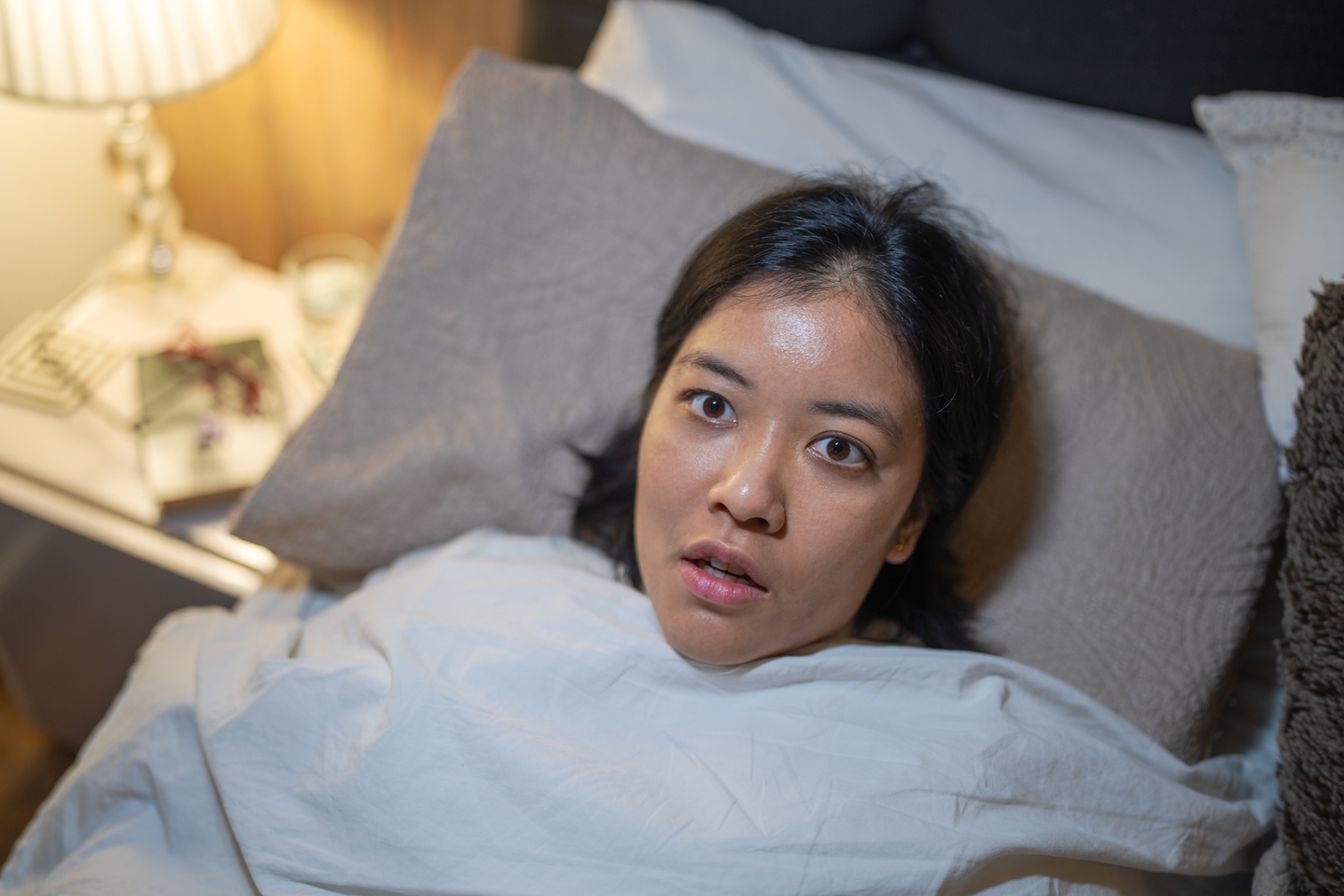
Sleep paralysis can cause hallucinations
Getty Stock Photo
advertisement
"Your brain sends signals to temporarily shut down muscle movement while you're dreaming, but sometimes you wake up before your body has a chance to turn this off, leaving you to experience frightening hallucinations while being unable to move."
Viewers on TikTok were quick to react to the simulation, with many people sharing their own encounters with sleep paralysis or expressing relief that they had never experienced it.
"I had one and I couldn't scream," one social media user wrote.
Another person shared their experience, adding: "I've never seen anything during sleep paralysis but I always feel like something is holding me or pressing against me."
A third viewer summed up their reaction by writing: "I got one of these it was HORRIBLE."
advertisement
According to the NHS, most people will only experience sleep paralysis once or twice in their entire lifetime, which can offer some reassurance to those who find it unsettling.
The exact cause of sleep paralysis is still not fully understood, but medical experts have linked it to several physical and mental health factors.
These factors include insomnia, irregular sleep schedules, post-traumatic stress disorder, generalized anxiety disorder, panic disorder, and having a family history of sleep paralysis.
advertisement
People who live with narcolepsy, a long-term condition that causes sudden and uncontrollable sleep episodes, may also be at higher risk of experiencing sleep paralysis.
Adjusting sleep habits can sometimes help reduce the chances of an episode. Experts recommend aiming for between seven and nine hours of sleep each night and keeping consistent sleep and wake times.
The NHS also advises avoiding sleeping on your back, as this position can increase the likelihood of sleep paralysis, and recommends steering clear of large meals, smoking, or drinking alcohol before going to bed.