

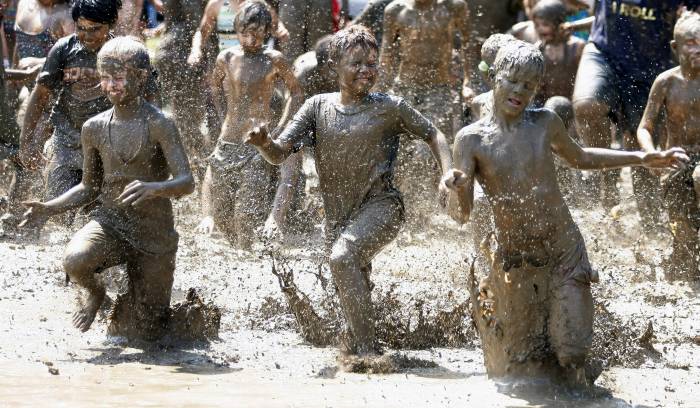
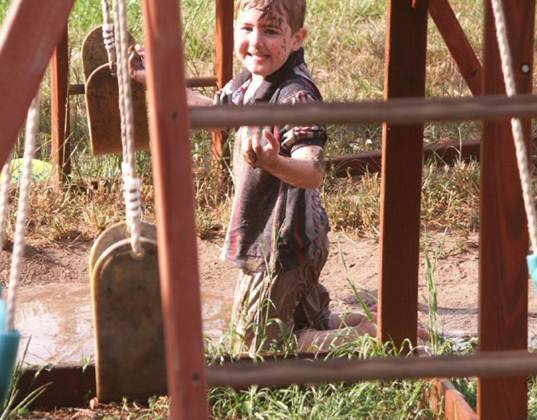
Parents, if your kids like to get down and dirty, don't stress. Apparently, it's not such a bad thing! One scientist says dirt is actually good for kids.
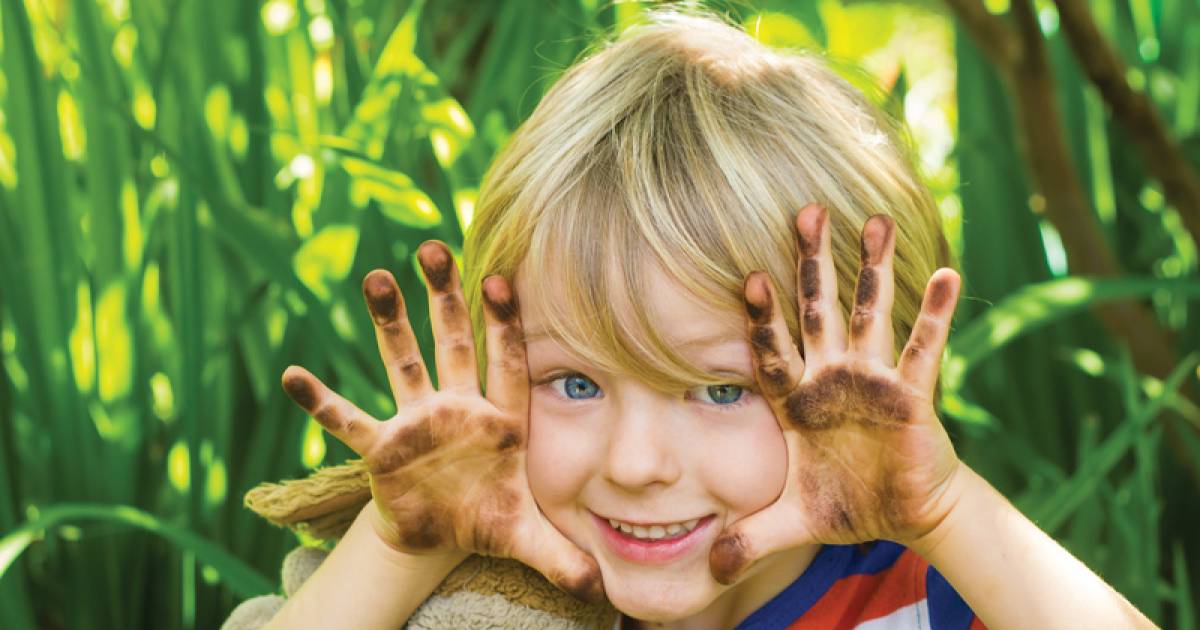
So It's Official: 'Dirt Is Good For Kids'
By
Editorial Staff in
Health and Fitness
On 25th July 2017
advertisement
#1
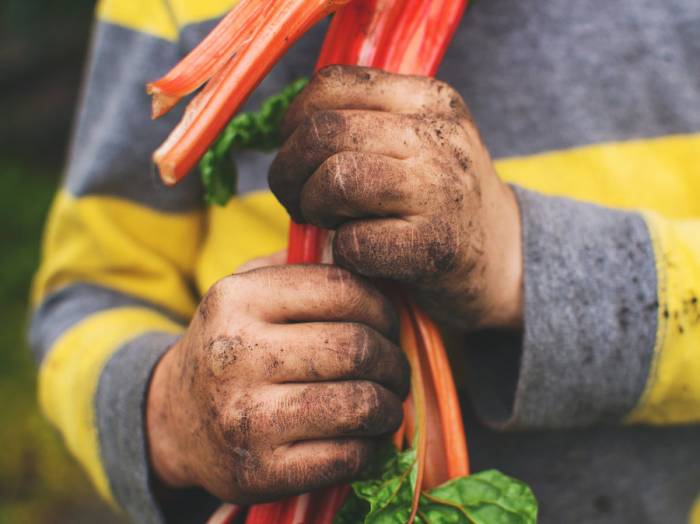
Sanitizing and sterilizing your little one’s environment is just one of any parent’s most natural instincts. We don’t want our precious little angels exposed to dirt and bacteria, especially when they’re babies. Who among us hasn’t instantly washed off a pacifier that fell on the floor? Well Jack Gilbert, an actual scientist, says dirt is actually good for babies and their immune systems. So go ahead and lick that floor binky, pop it right back in your baby’s mouth, and listen up.
#2
After the birth of his second child, Gilbert, a scientist who studies microbial ecosystems at the University of Chicago, decided to find out what's actually known about the risks involved when modern-day children come in contact with germs.
advertisement
#3
By sheltering little ones from beneficial bacteria in the environment, well-meaning parents can can unintentionally trigger future allergies, asthma and eczema, argues researcher Jack Gilbert in his new book, Dirt Is Good: The Advantage of Germs for Your Child's Developing Immune System.
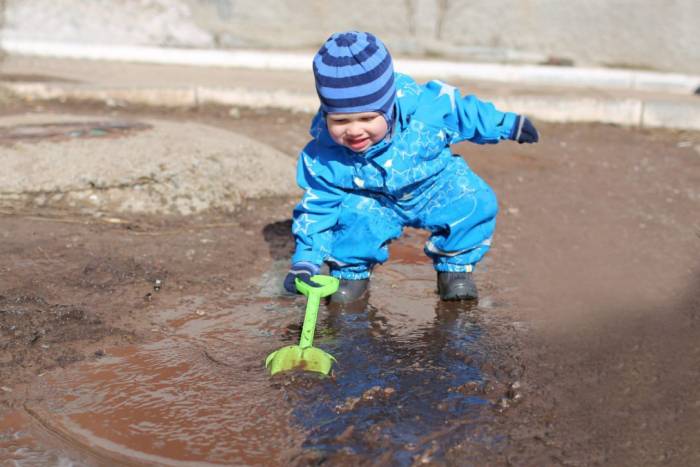
Gilbert discussed the importance of letting little ones play outside and get some face time with furry friends without immediately fishing around for the sanitizing wipes in an interview with NPR.
#4
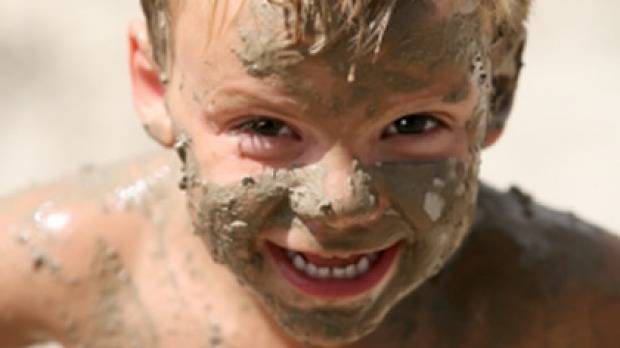
"So going out into the backyard and playing in the mud, and then as soon as they're filthy, bringing them in and sterilizing their hands with antiseptic wipes, and then making sure that none of the dirt gets near their faces," he said. "Also, keeping them away from animals. . . . It's fine to wash their hands if there's a cold or a flu virus around, but if they're interacting with a dog, and the dog licks their face, that's not a bad thing."
advertisement
#5
Another added benefit of letting your kid get a little dirty? A decreased risk of allergies. While an increase in technological development and modernization has given people some seriously improved living standards, it's also compromised the strength of babies' immune systems.
advertisement
#6
The fear that children should be kept out of contact with animals because of germs is also unfounded, according to Prof Gilbert. Instances such as a dog licking a child’s face are in fact beneficial for their immune system rather than a cause for concern,
“Obviously raw meat should be treated carefully. But in a home where no-one is presently sick there is virtually no risk to children's health. Indeed, if it were not so unpalatable, poop is generally harmless. Thanks to vaccination and general sanitation our homes are extremely safe.” Prof Gilbert adds.
advertisement
#7
The American Academy of Pediatrics (AAP) agrees that antibacterial products like hand sanitizer may "kill off normal bacteria and increase the chances that resistant bacteria may grow," but still stresses the importance of good hygiene when it comes to avoiding illness.
advertisement
#8
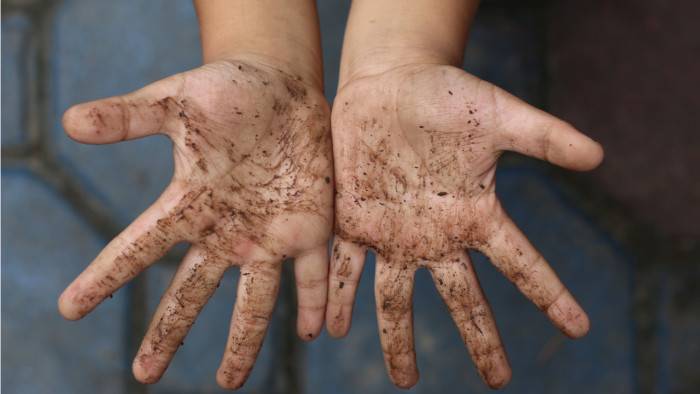
"Hand washing may be the single most important act you and your child have for disease prevention," the AAP says. "The best solution is to wash your child's hands with warm water and ordinary soap that does not contain antibacterial substances."
advertisement
#9
"You have these little soldier cells in your body called neutrophils, and when they spend too long going around looking for something to do, they become grumpy and proinflammatory," he explained. "When they finally see something that's foreign, like a piece of pollen, they become explosively inflammatory. They go crazy. That's what triggers asthma and eczema and often times, food allergies."
advertisement
#10
Gilbert references past research about dropped pacifiers to prove his point. Parents who "cleaned" them by popping them in their own mouths were less likely to have kids with allergies later on compared to other methods, according to a 2013 study published in Pediatrics. The Swedish scientists suspected that the harmless bacteria from moms' saliva stimulated their children's immune systems, building up their defenses.
advertisement
#11
Prof Gilbert also says that the five-second-rule should be debunked. When you drop a freshly buttered sticky slice of toast on the floor, it takes milliseconds for microbes to attach themselves. But the only part we should care about is if you drop the food in an area where there could be a high risk of extremely dangerous pathogens, which the professor says is “virtually impossible” in most modern homes.
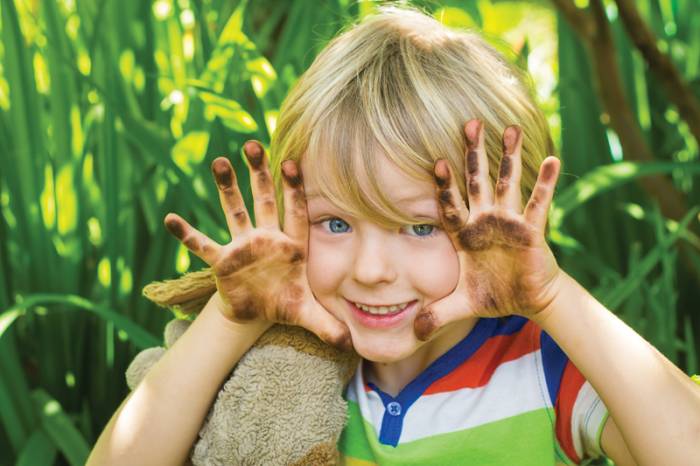
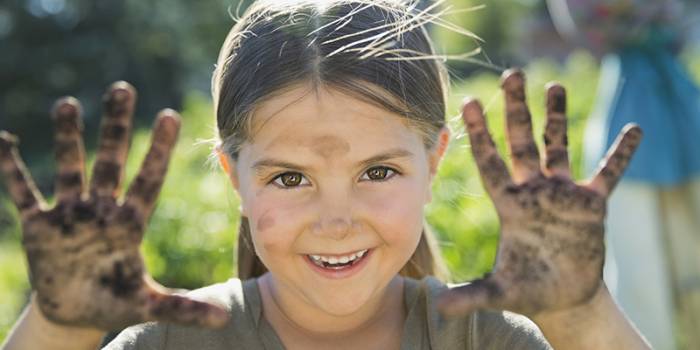
Now go on and let your kids experience the world. Let them get their hands dirty. Science says they’ll be A-Okay.