So THIS Is Why You Have To Poop So Much During Your Period
#1 It's always so hard to talk about periods
Lots of our bodily functions seem gross and that's make them hard to talk about. Specially periods. They combine bodily fluids and sex. Two topics that make people a little squeamish.
#2 But they are totally normal part of life
Period is part of the lives and experienced by half of the population.
#3 Never be afraid to ask questions about your body
Understanding our body means not to afraid to ask questions. Periods are actually an incredibly complex process, and they can tell women a wide array of things about their health.
Anna Rothchild answers three questions about periods that are normally never discussed because of the "squeamishness" of the topic.
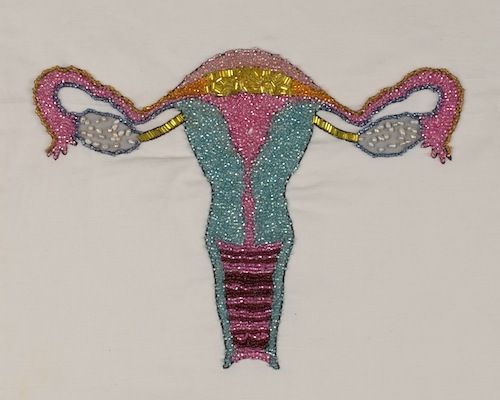
#4 What's period blood consist of?
#5 It’s not just pure blood.
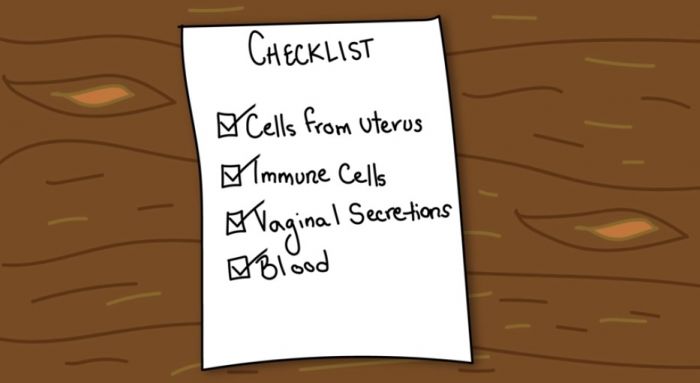
It contains cells that are shed from the uterus lining, immune cells, vaginal secretions, mixed with blood.
#6
In addition to that, menstrual blood can contain up to hundreds of unique proteins that aren't found anywhere else in the body showing that more knowledge about menstruation's details could offer clues into overall health.
Learning more about menstruation would not only offer clues about the health of about half of the population (women), but it would provide insights into reproduction, pregnancy, birth, and the resilience of the body things that matter to all of humanity.
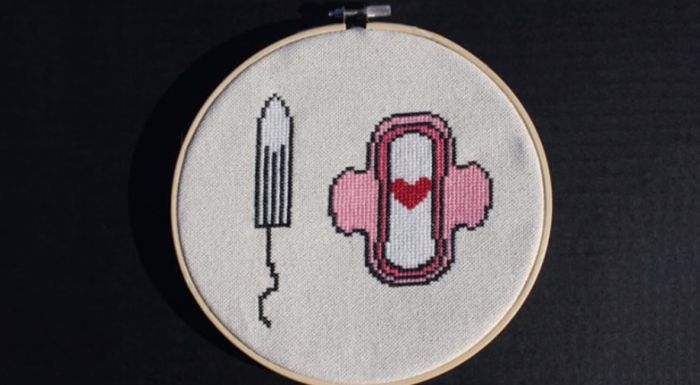
#7 How periods affect other bodily functions, like bowel movements.
#8 A lot of women experience this during periods.
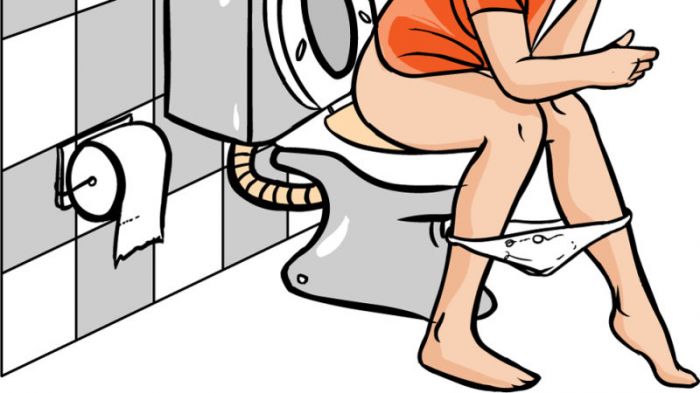
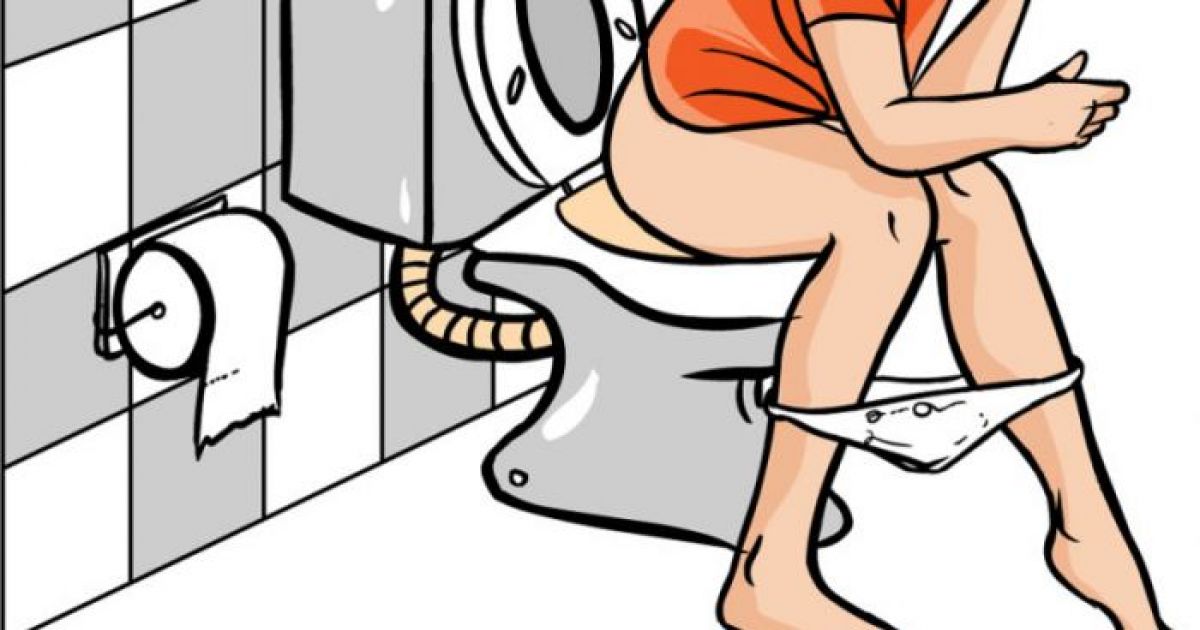
#9 There are two main chemical signals to blame for your stomach troubles: prostaglandins and progesterone
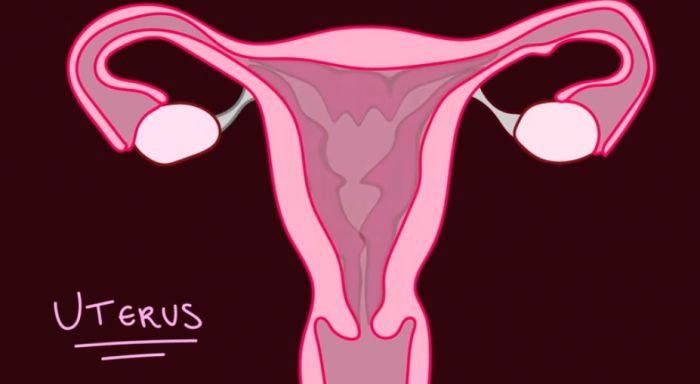
During menstruation, chemicals known as prostaglandins trigger the uterus to contract to help push out the uterus lining.
#10
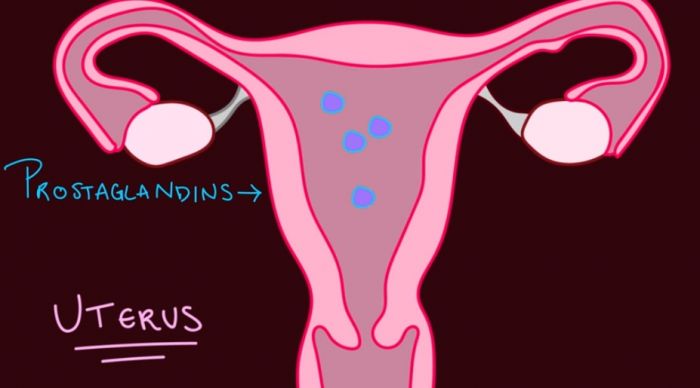
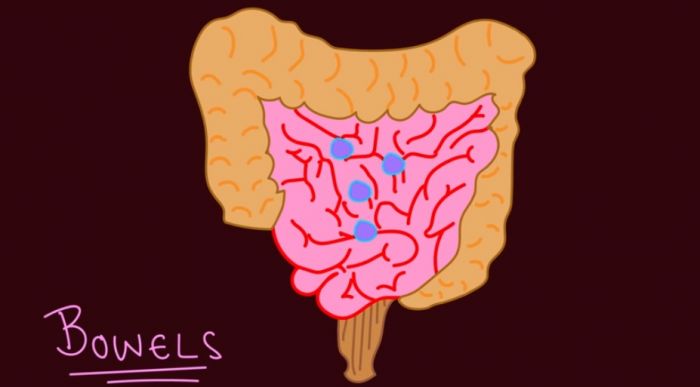
However, occasionally a number of prostaglandins make their way to the bowels and make them do the same thing, increasing the amount of BMs during your period.
#11
In addition to that, another chemical called progesterone which contributes to constipation actually decreases during menstruation, getting things to move more quickly.
Progesterone is a hormone that also helps you maintain a pregnancy.
#12 What other animals, if any, also have periods?
Finally the third question, and perhaps the most interesting one.
#13 There aren’t many others
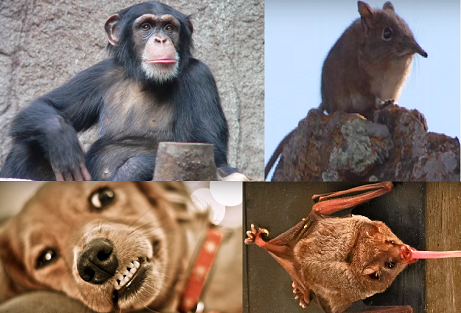
Menstruation only happens in some primates, some bats, and weirdly, elephant shrews. However, other animals like dogs bleed when they are about to be highly fertile.
#14 The uterus has ability to constantly renew itself without damage
A thick, healthy lining of the uterus, known as the endometrium is necessary for a healthy menstrual cycle and pregnancy. A fertilized egg needs the lining of the uterus to be a certain thickness to implant and begin growing.