His humor played perfectly to audiences of all ages, and for many of his younger admirers, Williams will be remembered as the funniest adult they knew growing up. It was nearly impossible to come of age in the '90s and not experience the magic of Williams' talent in movies like "Hook," "Jumanji" and "Mrs. Doubtfire."
advertisement
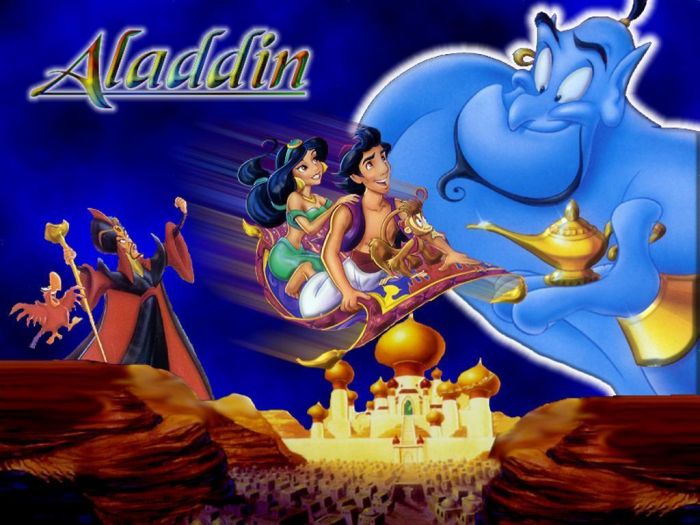
Aladdin (1992)
Williams didn't want to voice the genie for this Disney classic at first, and was only brought around after being shown an animation test reel set to his stand-up routine. Then, during his recording sessions, he asked if he could put aside the script and ad-lib some lines. And thus, Williams improvised something like 50-plus characters as Genie and created one of the most indelible characters in animation history. He reportedly improvised so much that the film was denied a chance at a Best Screenplay Oscar nomination because of it. Williams's initial skepticism would turn into a kind of love for the part. He told Little White Lies in 2010: "I once watched Aladdin, I snuck into the back of a family screening of that and it was kind of like that moment in Sullivan's Travels where I saw parents just laughing with their kids and I thought, 'Yeah, that's kind of sweet.' I'm proud of that."
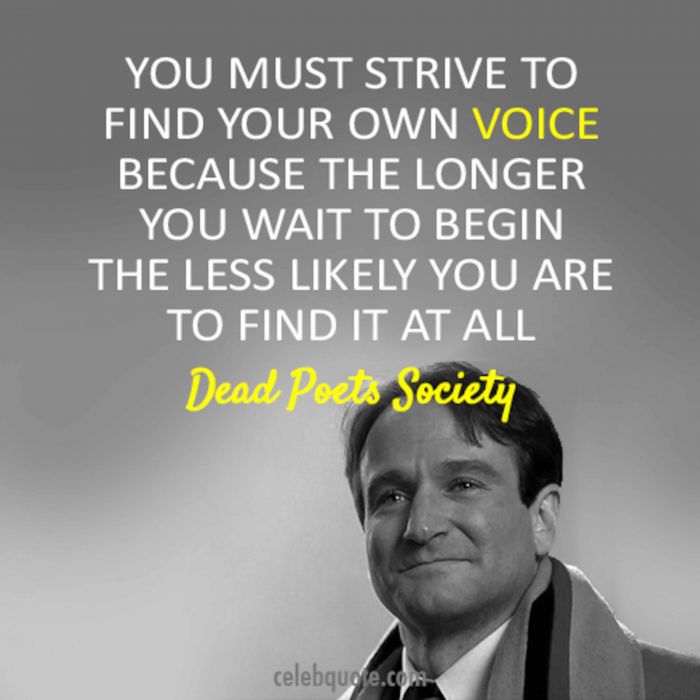
Dead Poets Society (1989)
Peter Weir's drama about the relationship between an English poetry teacher and his New England prep school students was deemed schmaltzy by critics, but it became a huge hit and earned Williams an Oscar nomination for Best Actor. Over the years, it has also become arguably his most beloved film, and also his most quotable. "Boys, you must strive to find your own voice," Williams tells his pupils in one scene. "Because the longer you wait to begin, the less likely you are to find it at all. Thoreau said, ‘Most men lead lives of quiet desperation.' Don't be resigned to that. Break out!"
advertisement
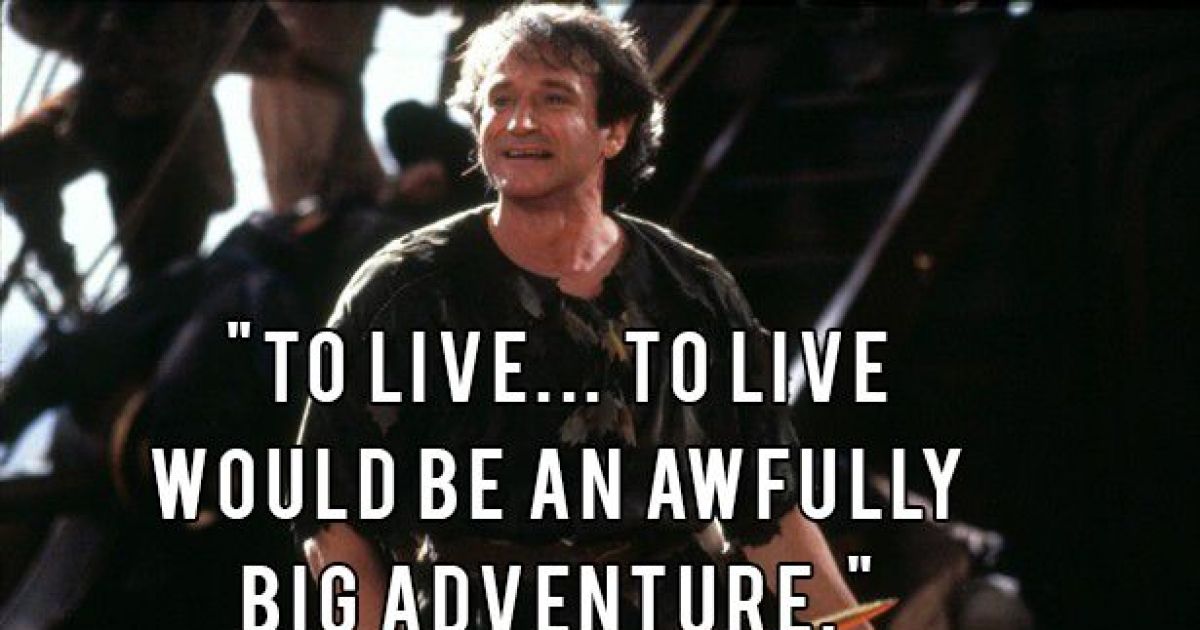
Hook (1991)
In this twist on the Disney classic, Williams plays an adult Peter Pan who must return to Neverland to rescue his children, who were kidnapped by Captain Hook. The only thing more fun than watching Williams grow up in the body of an adult, as with "Jack," is watching him reclaim his youthfulness. As Williams' Peter ventures to rescue his children, he inadvertently revisits his own childhood.
Of course, he had a little help from Tinkerbell (Julia Roberts) and Wendy (Maggie Smith), proving once again that Williams could be the star without stealing another actor's spotlight.
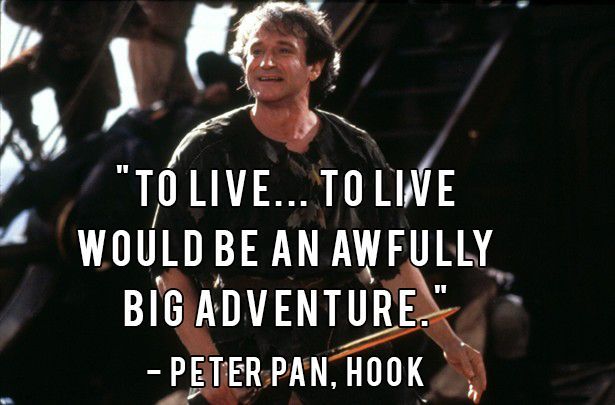
Good Morning, Vietnam (1987)
This is often seen as Robin Williams's breakout role, in part because it's the first film that got him nominated for an Oscar, and also because it was a runaway hit. The part of radio DJ Adrian Cronauer, whose irreverent, madcap style enlivens and shakes things up at the height of the Vietnam War became a showcase for the actor's improvisatory style. It also was an early example of what would become a template for some of Williams's trademark performances the man who brings laughter amid great tragedy. A template that, frankly, would start to feel a bit tired after a certain point. But here, in its fullest, earliest expression, it felt fresh and wonderful and new. It still does.
advertisement
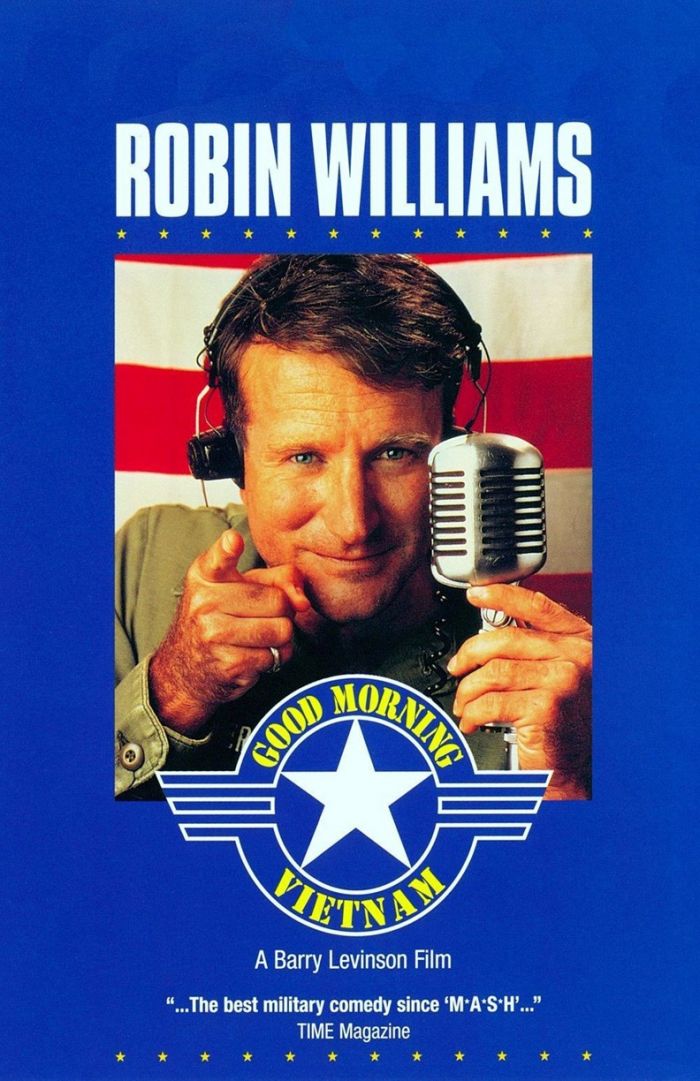
Good Will Hunting (1997)
"I'd ask you about love, you'd probably quote me a sonnet. But you've never looked at a woman and been totally vulnerable. Known someone that could level you with her eyes, feeling like God put an angel on earth just for you. Who could rescue you from the depths of hell." Williams won his first and only Oscar playing the kindly psychiatrist who tries to get to the heart of the hurt and rage that's troubling Matt Damon's titular character. At the time, the award, while certainly worthy, was seen by some as a bit of a make-up prize; the actor had been denied it for some beloved earlier performances. But the role has gained in stature since, as another example of the actor's big-heartedness shining through to his onscreen persona. At the same time, it's a strange part for Williams: A very quiet character who is very much not the center of attention. But that's also kind of the point. He's holding back for most of the movie. So at first, he has to do a lot of responding, and a lot of reacting, and then he lets loose with one of the more touching cinematic monologues you'll come across one whose resonance was deeply felt by many yesterday. And Williams's tragic passing will add an extra element of sadness to a film that's already haunted by the voice of the late Elliot Smith.
advertisement
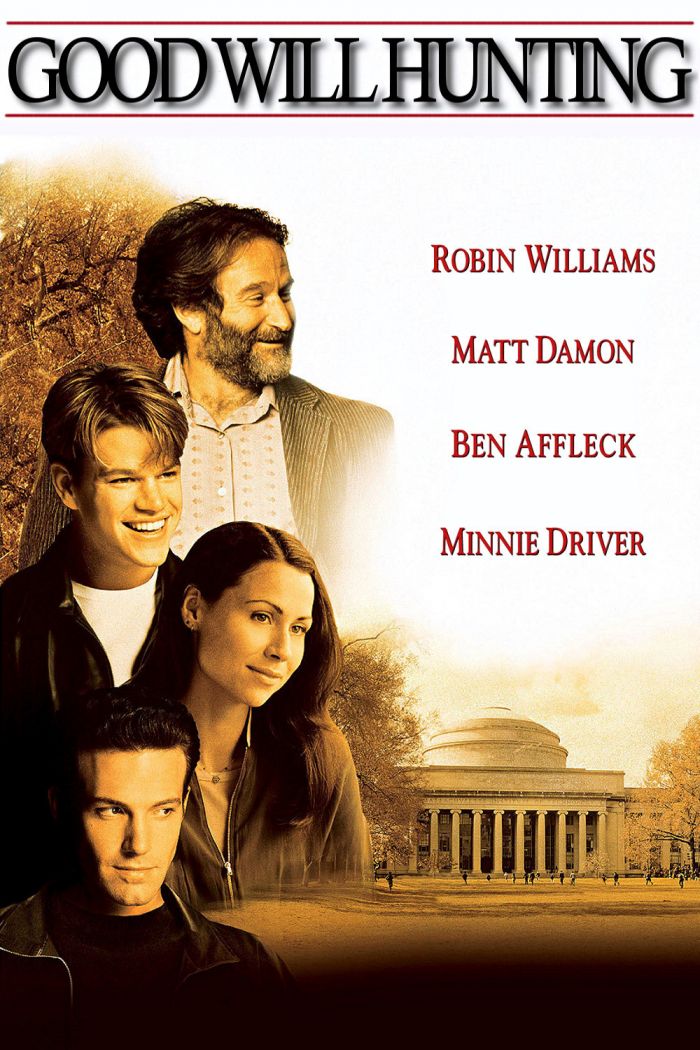
Mrs. Doubtfire (1993)
Here's another Robin Williams part that, in the years since its debut, has come to seem like something more. When Mrs. Doubtfire first came out, it seemed like a bit of a lower-brow, kid-friendly Tootsie ripoff. Turns out, there's nothing actually wrong with that. The kids of that era who were charmed by the movie have now grown up, and to them, it's a meaningful part of their childhoods. That's largely due to Williams's boisterous, hilarious performance, which also used his prodigious gift for physical comedy to go alongside his talent for impressions and rapid-fire delivery.
advertisement
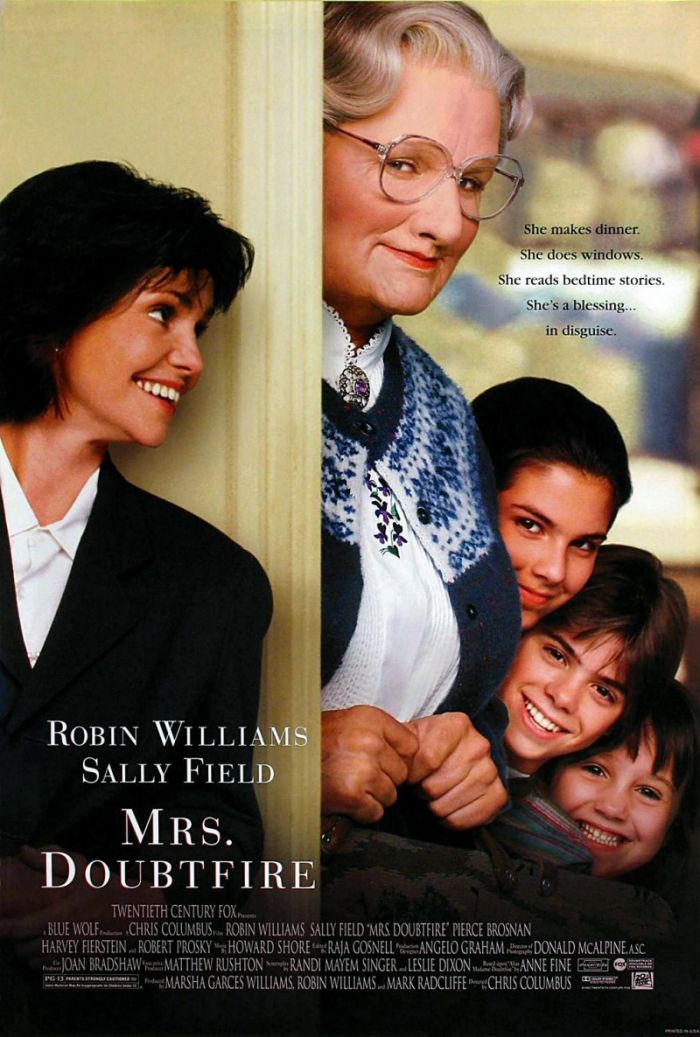
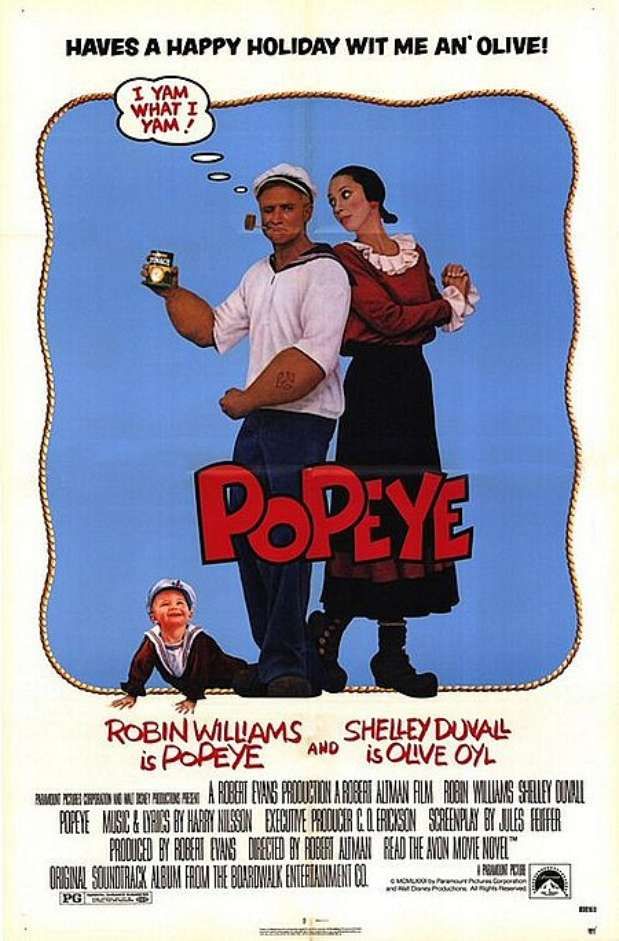
Popeye (1980)
Robert Altman's live-action adaptation of the long-running comic strip, which starred Williams at the peak of his Mork & Mindy mania, was reviled by the public and critics alike at the time of release. But Altman, who was always a bit ahead of his time, and Williams, who went full Method for the role, knew what they were doing. Still frantic and boisterous, but try watching it again today.
advertisement
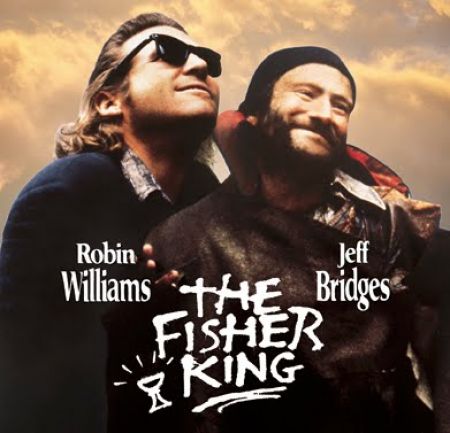
The Fisher King (1991)
Could this be Williams's greatest performance? As noted, so much of his work both comic and serious seemed to center on characters who were holding back the darkness (be it an internal or external darkness). Here, he plays a mad homeless man who used to be an academic who went off the deep end after his wife was brutally murdered. And, matched with the wit and vision of director Terry Gilliam, another funny man whose comic work dances with the horrors of the world, Williams delivers one of the most perfectly calibrated performances of his career: freewheeling in that way we know and love, but also speaking to a deep sense of loss. It's the comic as inspired madman, as wounded warrior.
advertisement
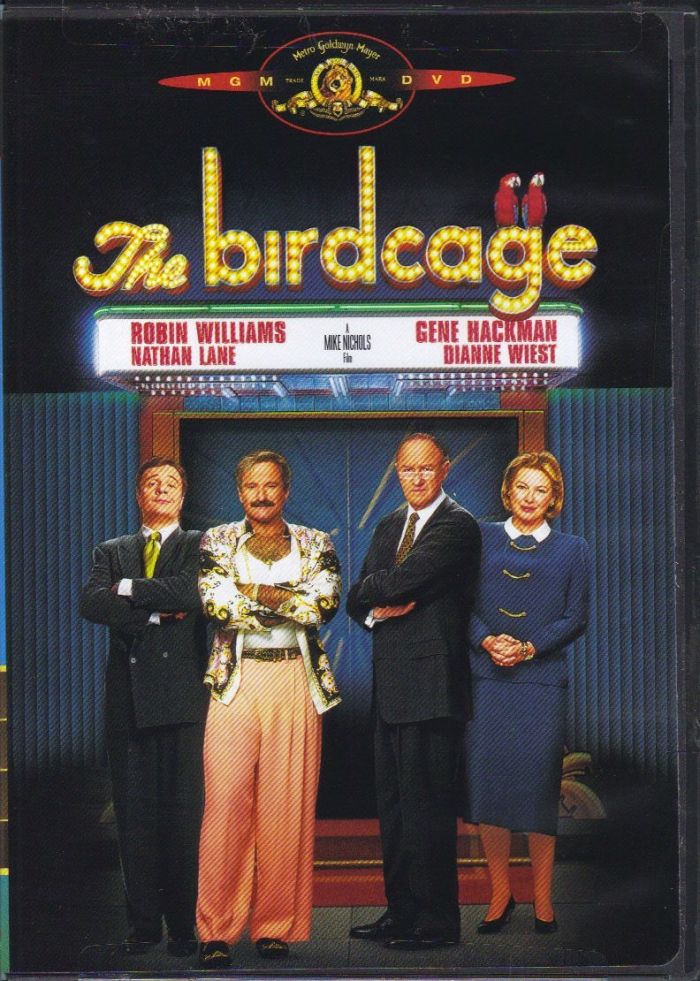
The Birdcage (1996)
Mike Nichols and Elaine May's adaptation of La Cage aux Folles, about a gay nightclub owner (Williams) and his partner (Nathan Lane) who have to pretend to be straight when his son becomes engaged to the daughter of a conservative politician, is a surprisingly sly movie. You think at first that it's going to be a (potentially offensive) movie that overdoes the flamboyance, that's all about mocking the broad affectations of gayness. But watch the performances, particularly Williams's, closely: This movie is as much about the affectations of straightness and the flamboyance of macho, about the fact that the concept of a "real man" is just as much a performance as anything else.
advertisement
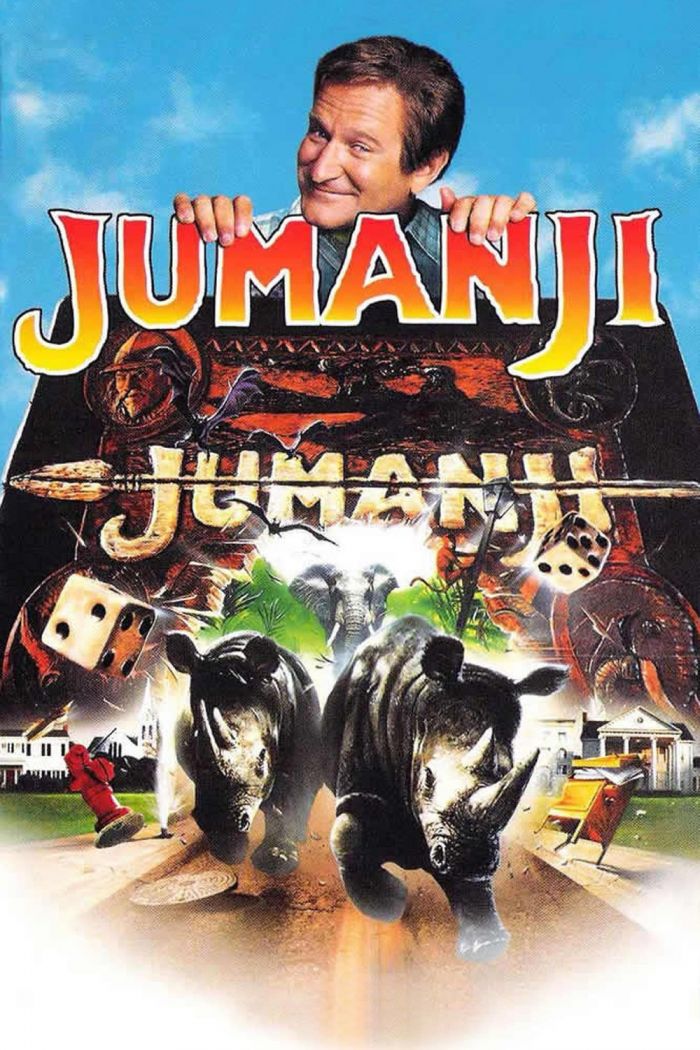
Jumanji (1995)
Williams really had his work cut out for him with "Jumanji," as he had to portray a boy who'd just been released back to the real world after 26 years stuck inside a jungle-themed board game.
Upon his release, Williams' Alan Parrish is once again forced to play Jumanji alongside his former crush Sarah (Bonnie Hunt) and kid siblings Peter and Judy (a mini Kirsten Dunst!). As the game continues and the creatures of the jungle create mass destruction across the city, Williams takes the audience for a ride on the crazy train. While this could qualify as more of an action-adventure film as opposed to a comedy, there are always laughs when Williams is involved.