The world has witnessed numerous disasters over the centuries. Although most are man-made due to wars and terrorism, mother nature certainly dishes out her fair share of damage. This list of the worst natural disasters ever recorded, ranging from lives lost to costs incurred, the earthquakes, fires, hurricanes, typhoons, and tsunamis you are about to witness are all horrific in their own right.

Some Of Worst Natural Disasters Ever Recorded In History
By
Editorial Staff in
Facts
On 12th December 2016
advertisement
#1 Haiti Earthquake (2010)
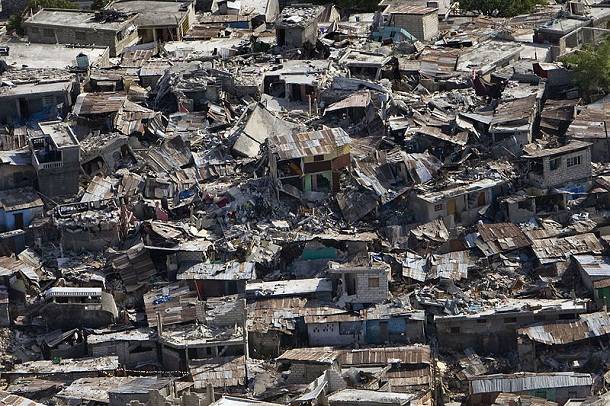
The strongest and deadliest earthquake to hit the country since 1770, it had led to over 240,000 deaths, 2 million homeless, and 3 million people in need of emergency aid. A magnitude 7.0 earthquake that has a depth of 8.1 miles rocked Haiti on January 12, 2010. At least $195 million has been given with another US $120 million pledges from different countries, along with a large number of aid workers to help with rescue operations. Six years later the country has still not recovered and building efforts are at a stand still.
#2 Pakistan Earthquake (2005)
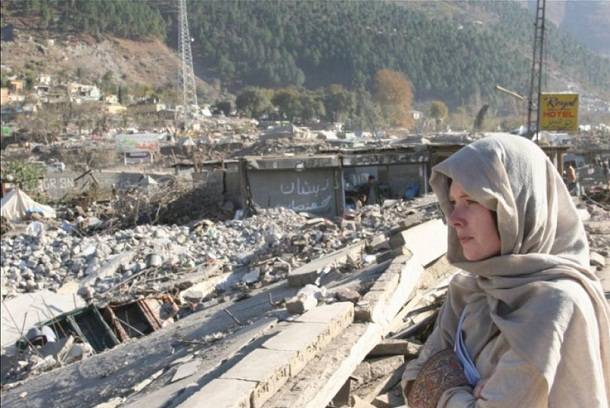
Poor building construction was blamed for the number of deaths and destruction caused by this earthquake, that hit Pakistan in 2005. It registered 7.6 and in the center of Kashmir, near Muzaffarabad. It left 120,000 injured and over 75,000 dead. The cleanup and loss cost over $5.4 billion and help arrived from all over the world.
advertisement
#3 Hurricane Katrina (2005)
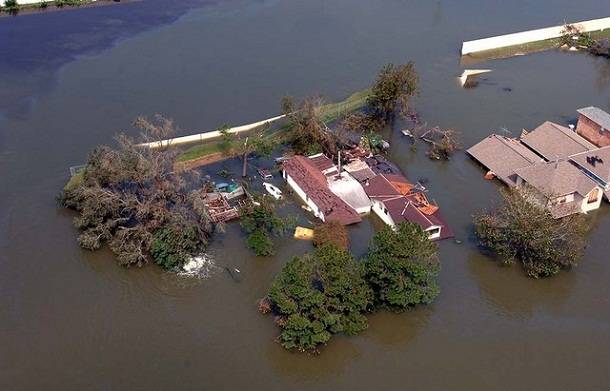
The sixth strongest hurricane to hit the United States, Katrina hit the Gulf Coast in 2005. The flooding after the initial storm caused most of the damages, which are still being assessed today. Thousands of homes and structures were lost as well as families. Wildlife and vegetation have all been destroyed. It was also one of the costliest disasters in US history with estimated property damages of $81 billion. The rescue mission was one unprecedented and the government was under scrutiny for it's handling of the situation.
#4 North Korean Famine (1994)
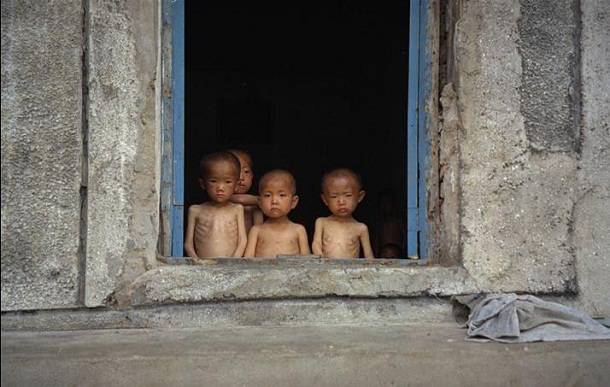
This famine that devastated North Korea from 1994 to 1998 had an estimated death toll of between 240,000 and 3,500,000 caused by starvation and hunger-related illnesses. Known as the "Arduous March" it is blamed for the death of over 85,000 people, mostly children in 1995 alone. Out of North Koreas 24 million people, 5 million are malnourished including 800,000 children with 80,000 on the brink of starvation. The numbers are all estimated since North Korea does not publicize any of its information.
advertisement
#5 Tangshan Earthquake in China (1976)
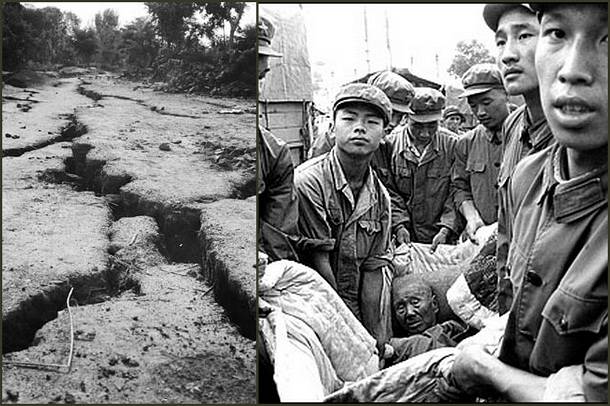
The Great Tangshan earthquake struck China on July 28, 1976, causing the death of 240,000 people and injured 164,000 more. Regarded as the deadliest earthquake of the 20th century, it also rocked, both literally and politically, the seat of the Chinese Communist Party in Beijing. The very large 7.8 earthquake hit an area where it was totally unexpected causing the city of Tangshan to be obliterated. It was caused by the 25-mile long Tangshan Fault, which runs near the city.
advertisement
#6 Hurricane Andrew (1993)
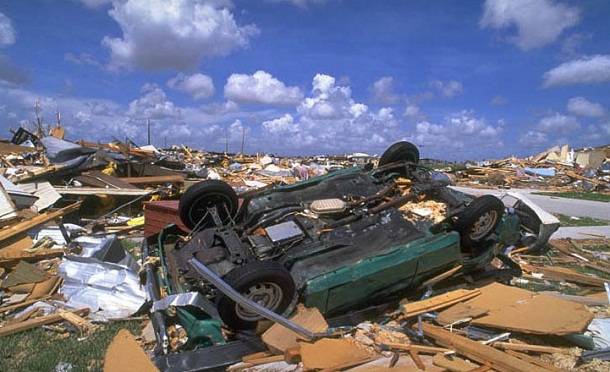
Due to the massive destruction that caused 65 fatalities and $26 billion in property damages, this became the 5th costliest hurricane in US history. This hurricane was formed by a tropical wave that moved to the west coast of Africa on August 14, 1992. It became a major tropical depression by August 16, though its intensity was initially prevented by a wind shear.
advertisement
#7 Tōhoku Earthquake and Tsunami (2011)
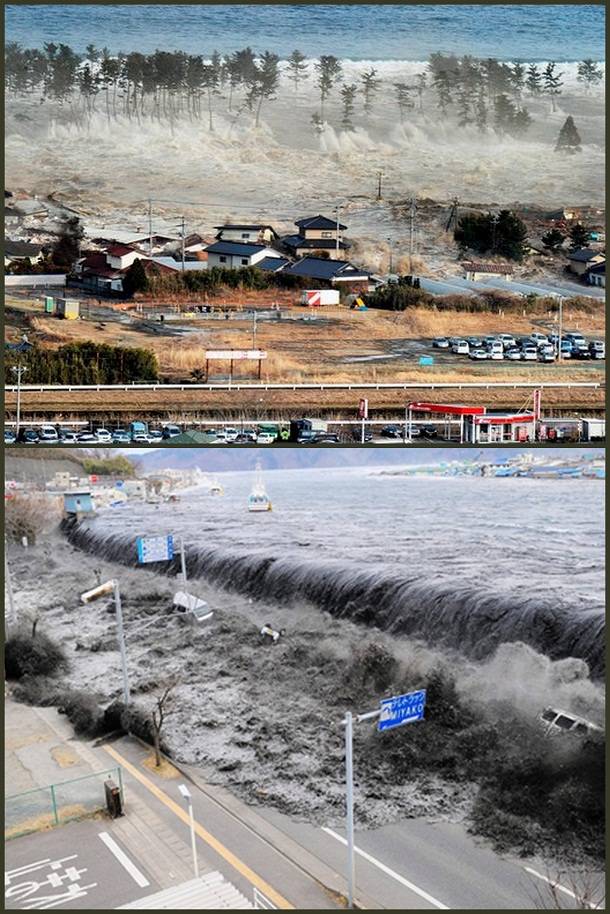
A 9.0 magnitude quake followed by tsunami waves hit the east coast of Japan in March 11, 2011. With a depth of 24.4 km, this was the largest earthquake to ever strike Japan in recorded history. Documented as the 7th largest earthquake in the world, it led to about 15 million dead or injured, and 2,814 people missing.
advertisement
#8 Bhola Cyclone (1970)
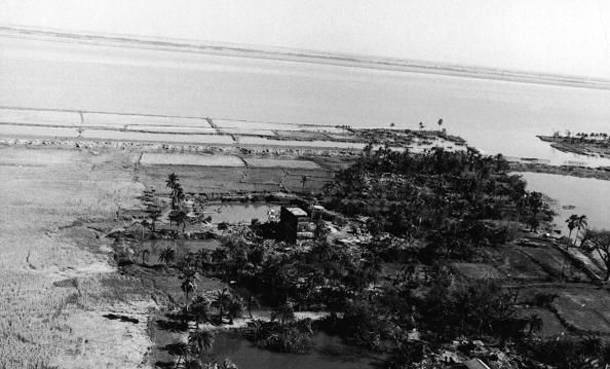
Reaching wind speeds of 185 km/h, the Bhola Cyclone in Bangladesh led to over US $490 million in damages, destroying 85% of the homes in the region. It also fetched storm surges that wiped out entire villages, killing 45% of the population in Tazumuddin. Nearly 500,000 perished during the cyclone.
advertisement
#9 New Zealand Earthquake (2011)
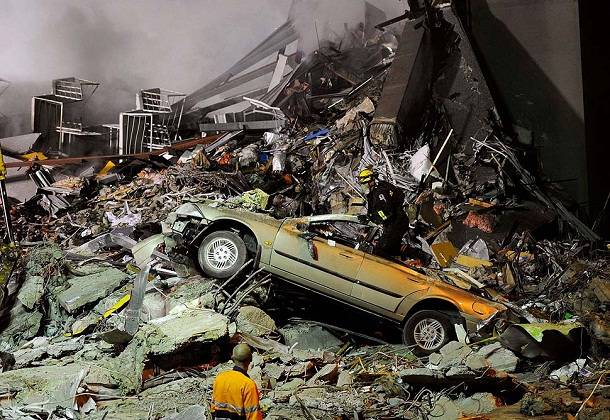
Also known as the Christchurch earthquake, this magnitude 6.3 quake that occurred on February 22, 2011, severely damaged New Zealand's second-largest city. It also killed 185 people, 238 were reported missing, and164 patients were treated for injuries. One of the nation's deadliest peacetime disasters, this caused significant damage to Christchurch and the central Canterbury region with an estimated US $16 billion worth of damages incurred.
advertisement
#10 Afghanistan Blizzard (2008)
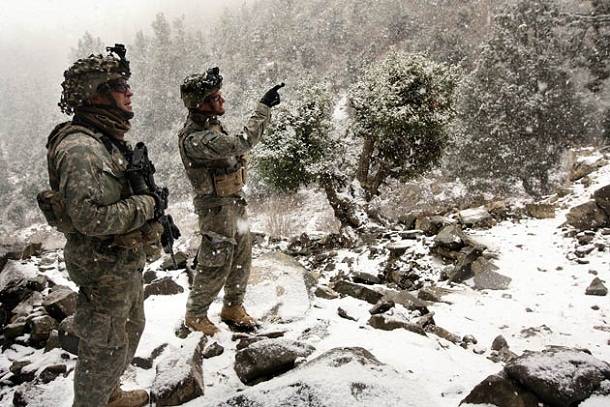
The second worst blizzard in modern history after the Iran blizzard with regards to casualties, it had an estimated death toll of 1,337 due to temperatures that fell below -30°C with up to 180 centimeters of snow in the mountainous regions. Some were frozen to death, a number died when their vehicles were blocked by snowdrifts and at least 100 people underwent frostbite amputations in hospitals across the country. It also claimed more than 100,000 sheep and goats and 315,000 cattle.
advertisement
#11 East Africa Drought (2011)
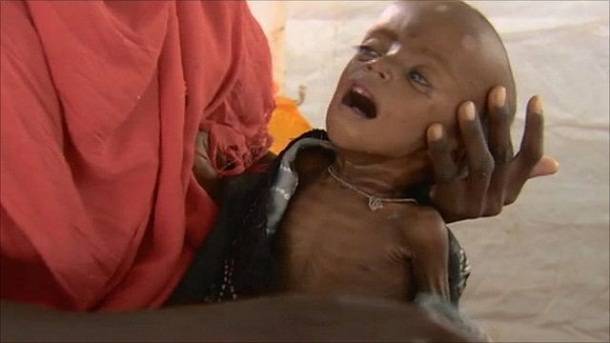
The worst drought in 60 years, the Horn of Africa experienced a severe drought since mid-July of 2011 with an estimated 12.4 million people in need of food.
It resulted in a food crisis across Kenya, Somalia, Ethiopia, and Djibouti, threatened the livelihood of more than 9.5 million people and caused widespread death and famine.
advertisement
#12 Yangtze River Floods (1931)
When torrential rains hit southern China in August 1931, it caused the Yangtze River to flood killing nearly 3.7 million people. This was considered the worst natural disaster of the 20th century.
#13 Mozambique Flood (2000)
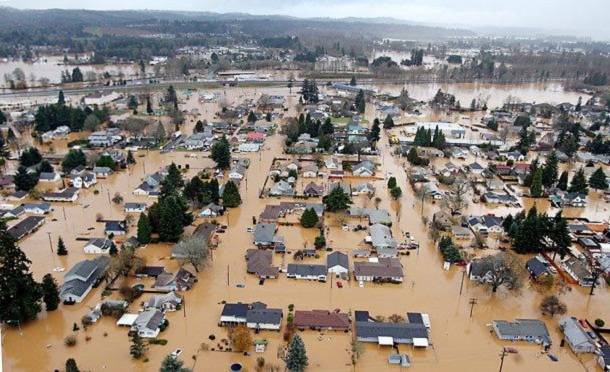
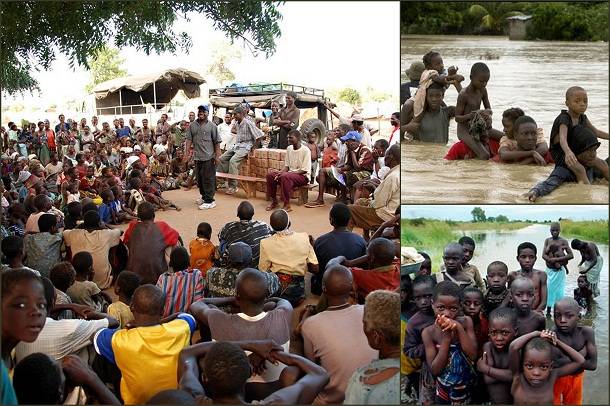
Occurring between the months of February and March in 2000 the catastrophic flooding was caused by torrential rainfall that lasted for 5 weeks. It made many people homeless as it affected 1,400 sq km of arable land, killing 800 people and 20,000 cattle.
advertisement
#14 Spanish Influenza (1918)
The first wave of the Spanish flu, which is one of the several types of influenza viruses, might have begun in March 1918 and began to spread throughout Asia, Europe, and North America. A contagious illness, it was responsible for the death of 20 million to 40 million people, though other estimates range from 40 million to 100 million people.