

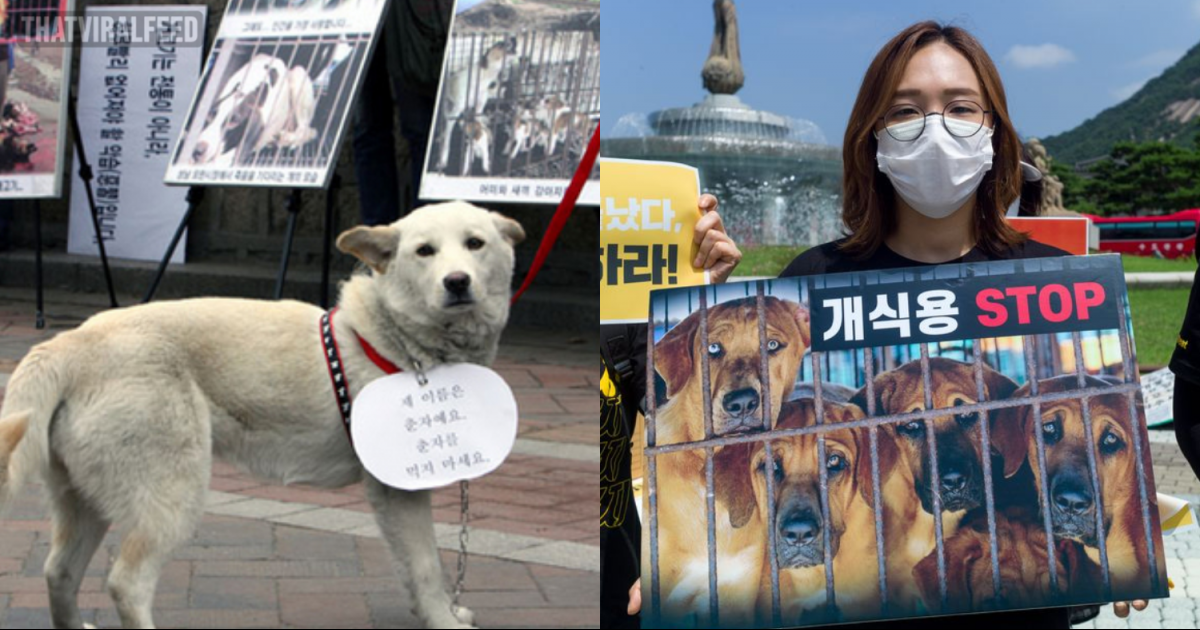
South Korea's planning to stop eating dog meat by the end of the year because of global and local pressure. Seoul authorities' decision marks a big change, showing they're putting animal welfare and ethics first.
advertisement
Credit: NurPhoto / Contributor / Getty
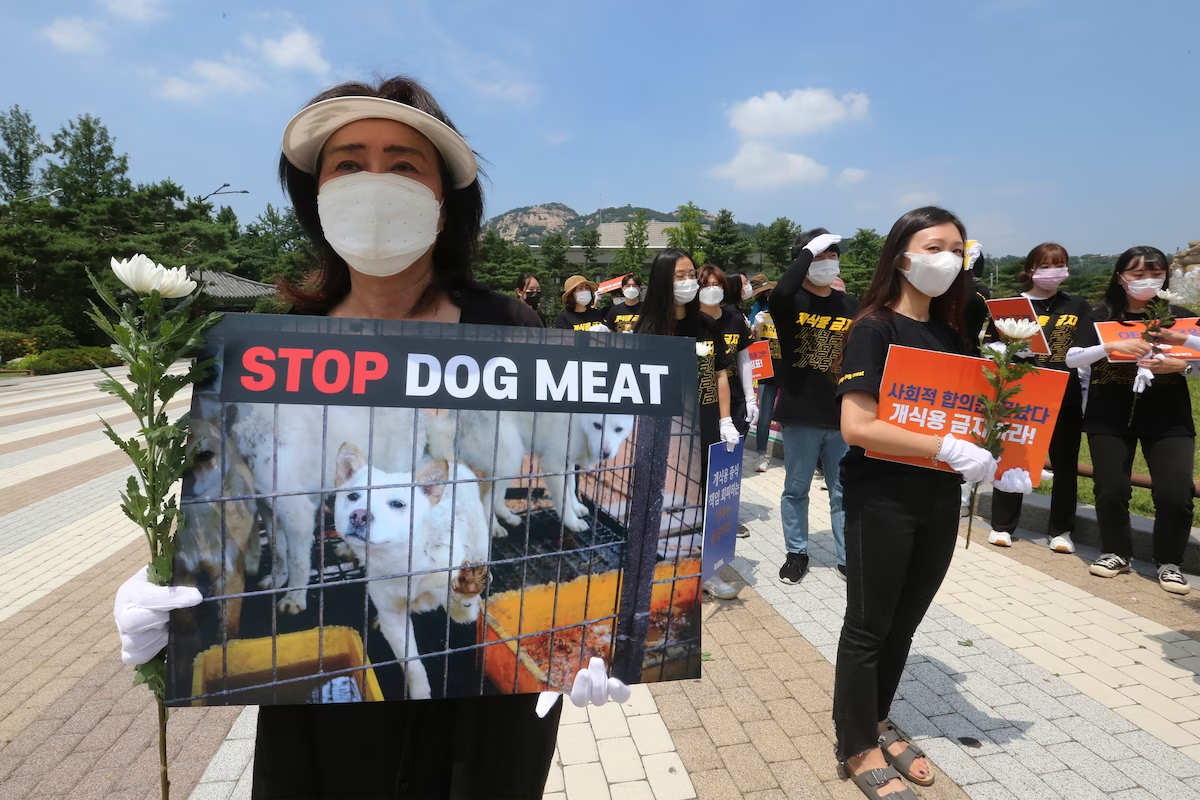
With a new rule, South Korea is getting ready to stop people from eating dog meat. It's a tradition that's been facing a lot of criticism lately, both in Korea and worldwide.
In Korea, eating dogs has been a thing for a while. But now, especially among young people, there's this growing feeling that it's not right.
People are really into animal rights and ethics these days, and it's changing how society thinks about eating dogs.
Earlier attempts to stop people from eating dogs didn't work because workers in the industry were worried about their jobs.
advertisement
But now, the government wants to introduce a new law to ban eating dogs in South Korea. It's a different approach that shows they're putting ethics ahead of the industry's concerns.
Policy chief of the ruling People Power Party, Yu Eui-dong said: "It is time to put an end to social conflicts and controversies around dog meat consumption through the enactment of a special act to end it."
Credit: NurPhoto / Contributor / Getty
The government and ruling party have announced their intention to introduce a ban on eating dog meat this year.
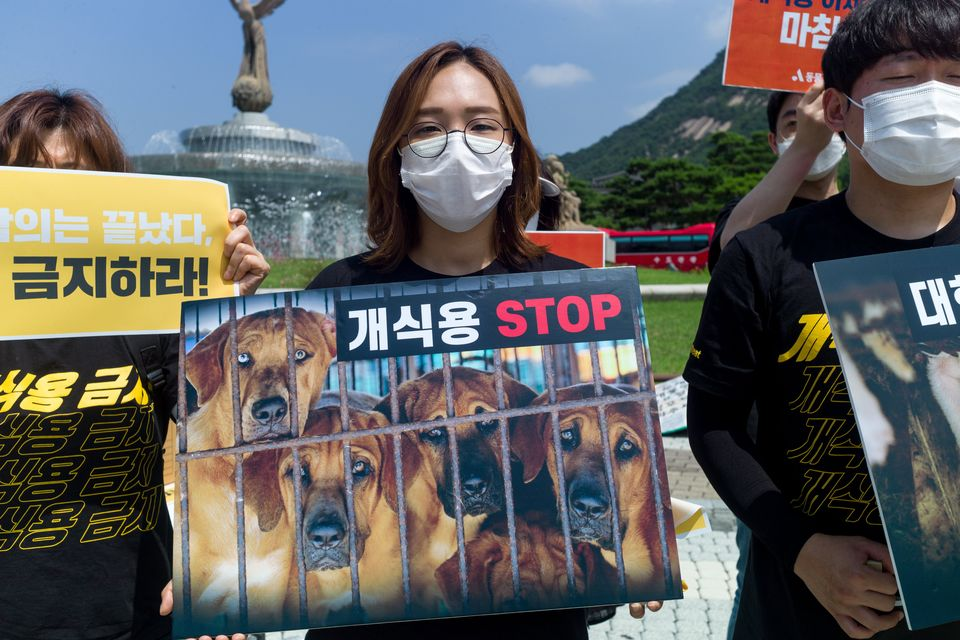
"News that the South Korean government is at last poised to ban the dog meat industry is like a dream come true for all of us who have campaigned so hard to end this cruelty," said Chae Jung-ah of the Humane Society International, who attended the parliamentary meeting.
advertisement
"Korean society has reached a tipping point where most people now reject eating dogs and want to see this suffering consigned to the history books."
The government expects an easy passage of the ban on eating dog meat, backed by both parties.
Agriculture Minister Chung Hwang-keun assures support for industry workers shifting away from dog meat.
advertisement
First Lady Kim Keon Hee openly opposes the practice and has adopted stray dogs alongside President Yoon Suk Yeol.
The bill includes a three-year transition period for businesses to move to other trades as the ban kicks in, aiming to reduce the impact on their livelihoods.
advertisement
Credit: NurPhoto / Contributor / Getty
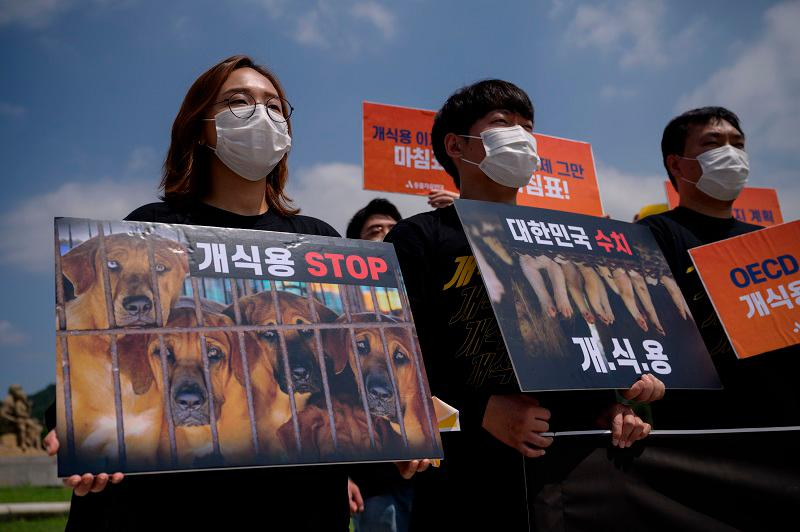
Eating dog meat has declined in popularity in South Korea in recent years, although some older individuals still partake, and certain restaurants continue to serve it.
Government data reveals approximately 1,150 dog breeding farms, 34 slaughterhouses, and 219 distribution companies involved in the dog meat trade.
advertisement
Out of approximately 8,200 restaurants in the country, an estimated 1,600 serve dog meat.
Animal rights groups have embraced the proposed ban. Humane Society International hailed it as a long-awaited victory, stating that ending this cruelty would fulfill a collective dream for those who've tirelessly campaigned against it.
advertisement
In a Gallup Korea poll conducted last year, 64% of respondents opposed dog meat consumption.
The survey revealed a significant decline in dog meat consumption, with only 8% reporting having eaten dog in the past year—a notable drop from the 27% reported in 2015.