

"Squid Game" creator Hwang Dong-hyuk lacks royalties or intellectual property ownership, emphasizing the need for fair compensation and legislation to support creators in the entertainment industry.
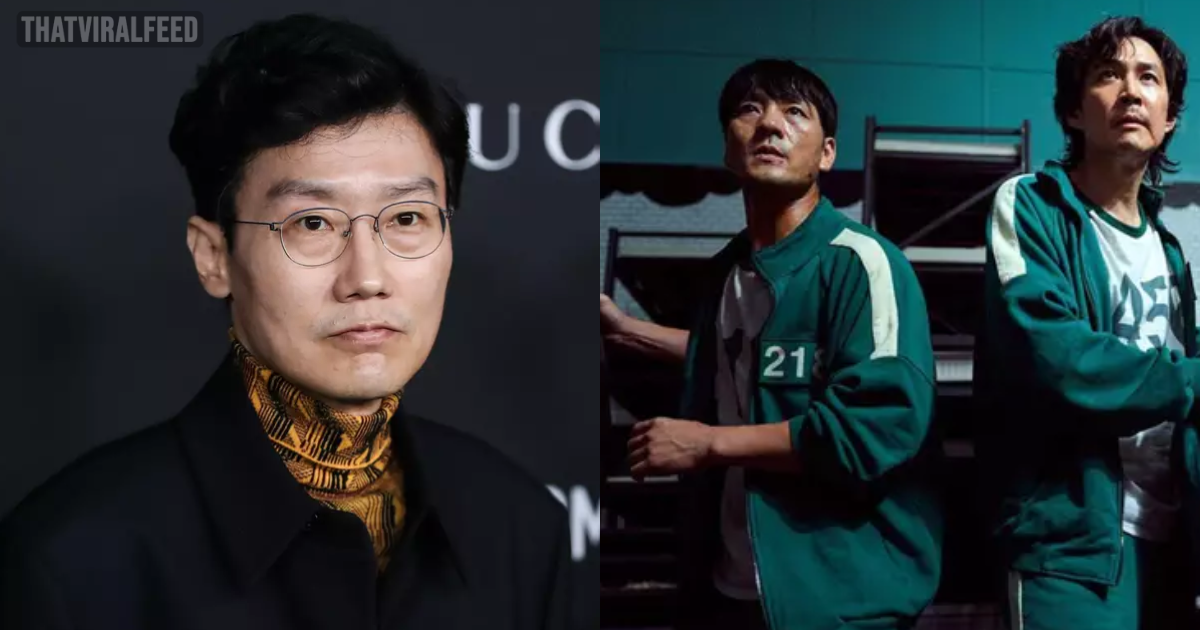
'Squid Game' Creator Receives No Royalties Despite Series Earning Netflix $900m
By
Haider Ali in
Entertainment
On 2nd July 2023
advertisement
Alamy
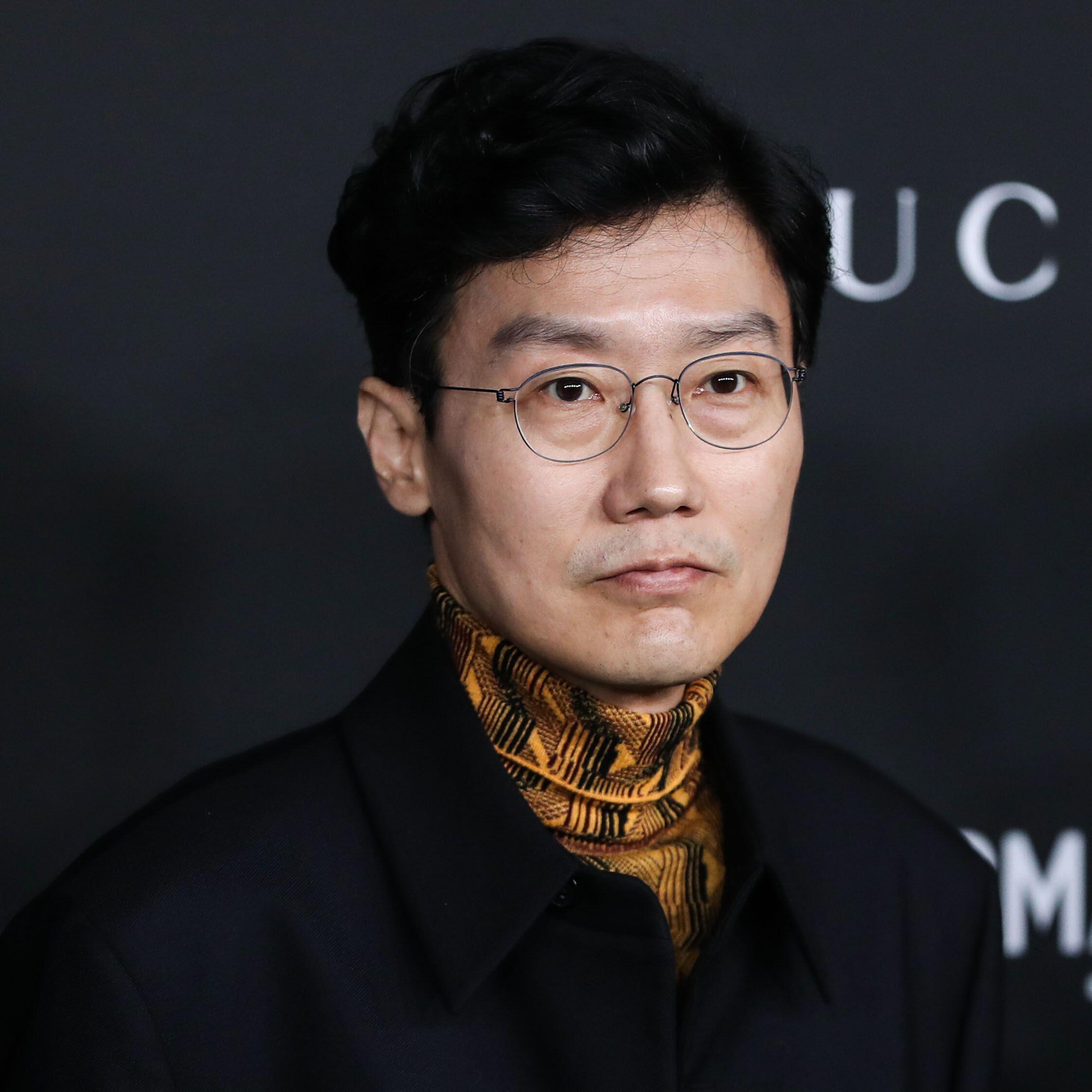
Despite the fact that the "Squid Game" series has brought in approximately $1 billion for Netflix, its creator Hwang Dong-hyuk does not receive any royalties or intellectual property ownership from it.
Hwang "forfeited all intellectual property rights and received no residuals," the Los Angeles Times reports.
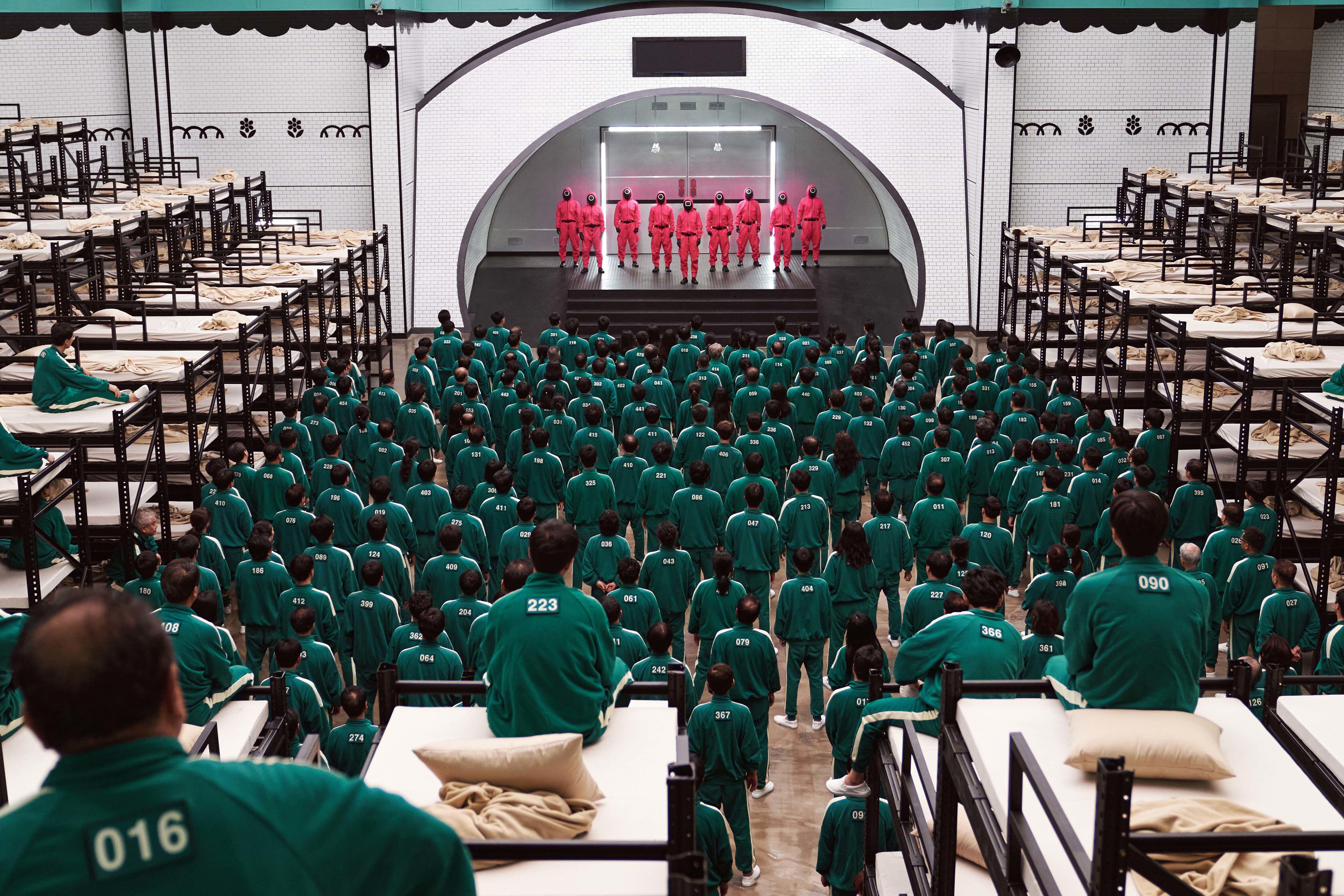
According to the Los Angeles Times, Hwang had a TV program idea that was rejected ten years prior to Netflix picking it up and turning it into a series that, according to company records, cost around $2.4 million for each episode to make.
advertisement
Netflix
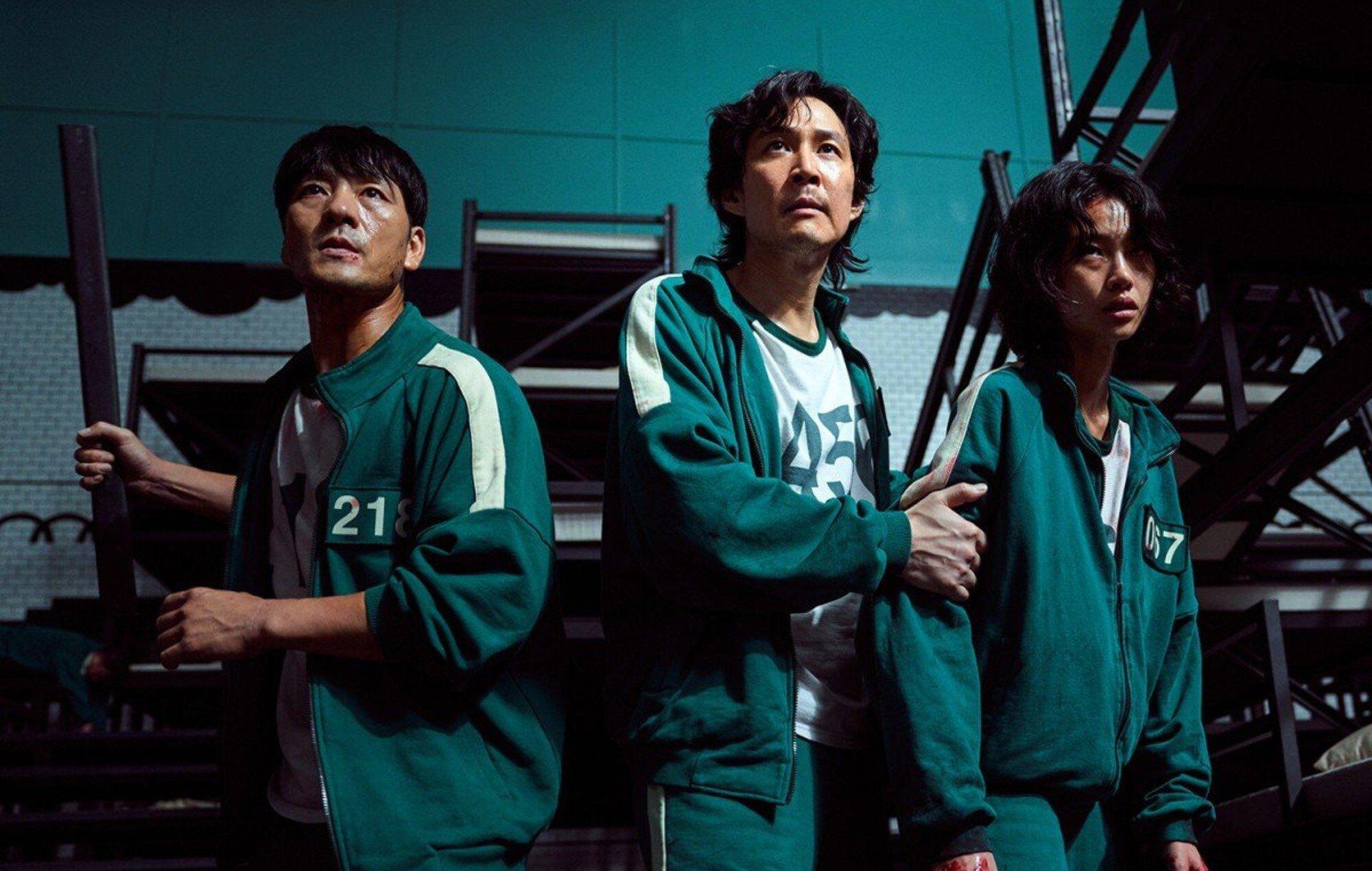
The series' creator responded to the Guardian when asked if he had amassed wealth comparable to the $38 million competition winner by saying: “I’m not that rich. But I do have enough. I have enough to put food on the table. And it’s not like Netflix is paying me a bonus. Netflix paid me according to the original contract.”
Hwang did say he had a "good deal" in place for season two of his popular show and was considering "alternative solutions" with regard to royalties and intellectual property ownership.
He backed legislation requiring the payment of residuals to creators.
advertisement
Netflix
He spoke to South Korea's National Assembly: “I ask you to look beyond the short term and approach this as a step toward nurturing the entire ecosystem. In order for there to be the next Squid Game or the next Parasite, the livelihoods of creators must be ensured.”
advertisement
The case of Hwang Dong-hyuk and "Squid Game" highlights broader discussions about the rights and compensation of creators in the entertainment industry. While streaming platforms like Netflix have revolutionized content consumption and provided opportunities for global exposure, concerns over fair compensation for creators persist.
advertisement
The current model of upfront payments and fixed contracts often leaves creators without a share in the long-term success of their work, especially when it becomes a massive hit like "Squid Game."
As the popularity of streaming platforms continues to grow and reshape the entertainment landscape, it becomes increasingly important to address these issues and establish fair and transparent systems that recognize and reward the creative contributions of individuals like Hwang Dong-hyuk.
advertisement
"In streaming, the companies have not agreed to pay residuals at the same level as broadcast, or the same reward-for-success as they have traditionally paid in broadcast," WGA West assistant executive director Charles Slocum told Deadline in April. "If you write for a streamer, you get two residual payments—one for domestic streaming and one for foreign streaming. It’s a set amount of money. If it’s a big hit, you do not get paid more residuals in streaming, whereas in the broadcast model, you do because of its success."
advertisement
The Los Angeles Times piece emphasizing Hwang Dong-hyuk's absence of residuals and intellectual property rights prompted responses from the WGA West and WGA East on Twitter. The latter wrote, "The irony is not lost on us. Pay your writers."
advertisement
Lee-Jung Jae and Wi Ha-Joon are two of the performers who will be returning for Season 2 of Squid Game, according to a Netflix announcement made earlier this month.
Additionally, there were four additional additions announced. Cheol-su, the boyfriend of the enormous mechanical doll Young-hee, would be introduced in the second season, according to Dong-hyuk, who verified this.