

The iconic flick has been described as 'one of cinema's most impressive achievements' by critics
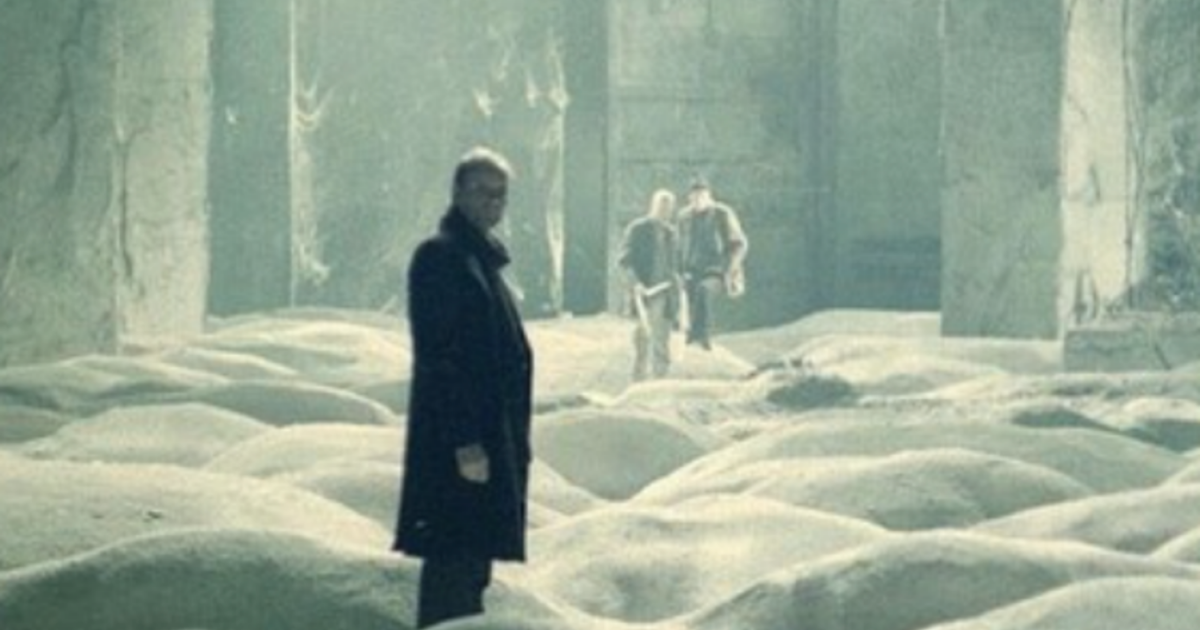
Chilling Truth Behind Movie With 100% Rotten Tomatoes Score That Allegedly Claimed Lives Of It's Director, Lead Actor, And Wife
By
Khadija Pervez in
Movies & TV
On 12th May 2025
advertisement
A haunting film that some have called one of the most visionary in cinema history holds a rare 100% score on Rotten Tomatoes but it's also linked to the deaths of three key people involved in its making.
Andrei Tarkovsky, the celebrated Soviet filmmaker and screenwriter behind the movie, is widely considered one of the greatest auteurs to ever work in cinema.
A graduate of the All-Union State Institute of Cinematography, Tarkovsky directed just seven films before his passing in 1986. His work includes classics like Ivan’s Childhood, Andrei Rublev from 1966, and Solaris, which was based on Stanislaw Lem’s science fiction novel.
But it was his 1979 film Stalker that many fans believe led to his death—along with the deaths of his wife and a lead actor from the production.
Set in a bleak, post-apocalyptic world, Stalker follows its title character, played by the late Alexander Kaidanovsky, as he guides others through a mysterious and dangerous area known simply as “The Zone.”
Within this restricted zone is a legendary room rumored to grant a person their deepest, most personal desires.
advertisement
To bring this surreal story to life, Tarkovsky chose a heavily polluted industrial area in Estonia as the main filming location.
"The opening is one of the most gripping and visionary moments I have ever seen in the cinema." one reviewer wrote on Rotten Tomatoes.
Another chimed in with high praise: "No one tops Tarkovsky's ability for immersion, and the metaphysical enigma of Stalker is one of cinema's most impressive achievements."
"An uncanny cinematic landscape to explore, investigate, and reflect upon, Stalker is an immersive and unwavering search for meaning in terms of what appears onscreen and how audiences have responded since its release in 1979." added another fan of the film.
Seven years after Stalker was released—a film loosely inspired by the novel Roadside Picnic by Arkady and Boris Strugatsky Tarkovsky died from lung cancer.
Vladimir Sharun, the film’s sound recordist, has since expressed his belief that the filmmaker’s death, along with the deaths of Tarkovsky’s wife Larissa and actor Anatoly Solonitsyn (who played “the Writer”) were all connected to the toxic environment where the movie was filmed.
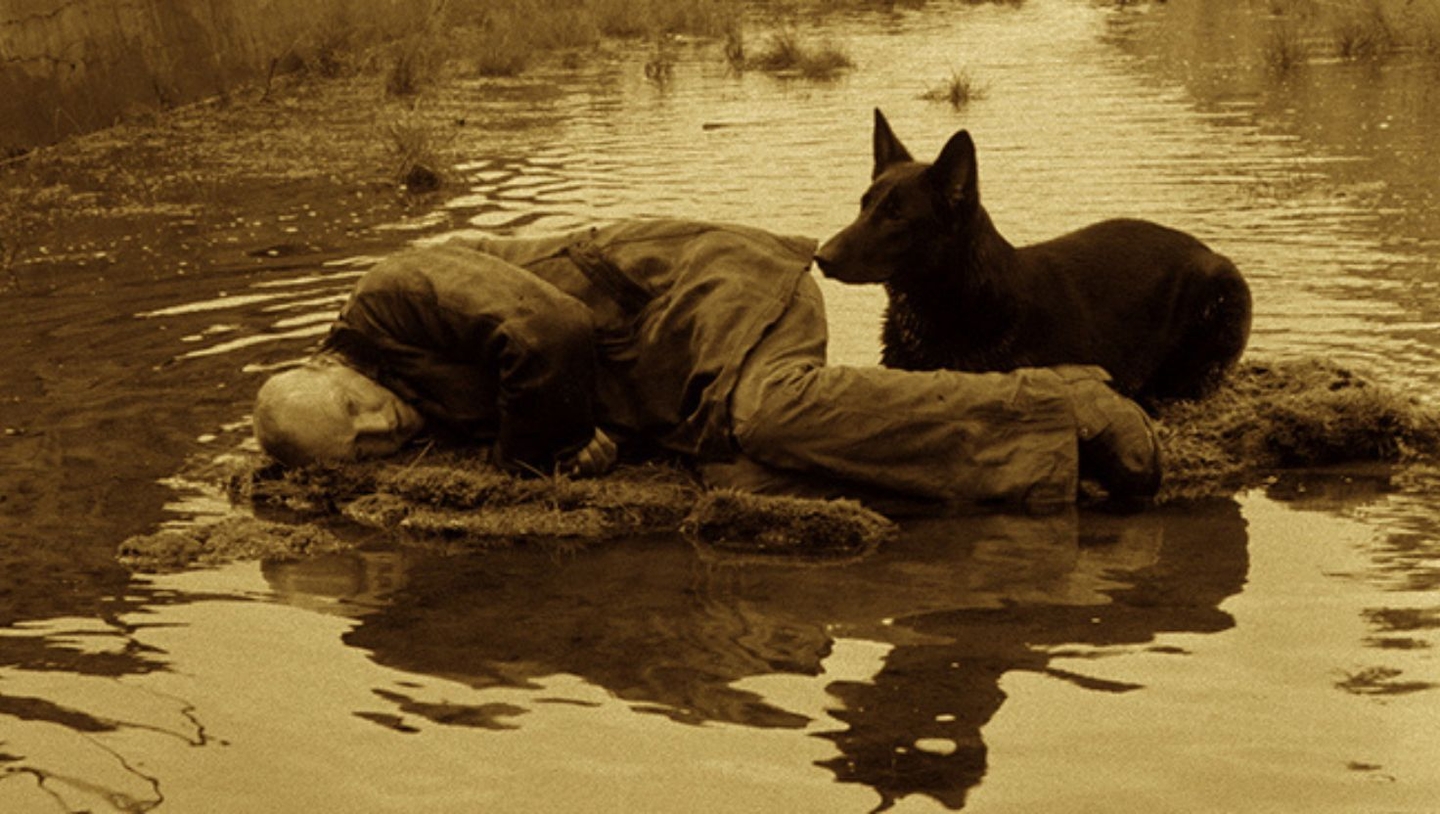
Stalker has a 100 percent Rotten Tomatoes Tomatometer score
YouTube / Film at Lincoln Center
advertisement
In a statement from 2001, Sharun explained: "We were shooting near Tallinn in the area around the small river Jägala with a half-functioning hydroelectric station. Up the river was a chemical plant and it poured out poisonous liquids downstream."
"There is even this shot in Stalker: snow falling in the summer and white foam floating down the river. In fact it was some horrible poison."
He continued, revealing more tragic details: "Many women in our crew got allergic reactions on their faces. Tarkovsky died from cancer of the right bronchial tube. And Tolya Solonitsyn too."
advertisement
"That it was all connected to the location shooting for Stalker became clear to me when Larisa Tarkovskaya died from the same illness in Paris."
That said, it’s important to note that this theory remains unconfirmed. The claims about the river’s pollution and its link to their deaths have not been scientifically verified or officially acknowledged.
Still, Sharun’s suspicions have added a dark and unsettling layer to the film’s already eerie legacy.
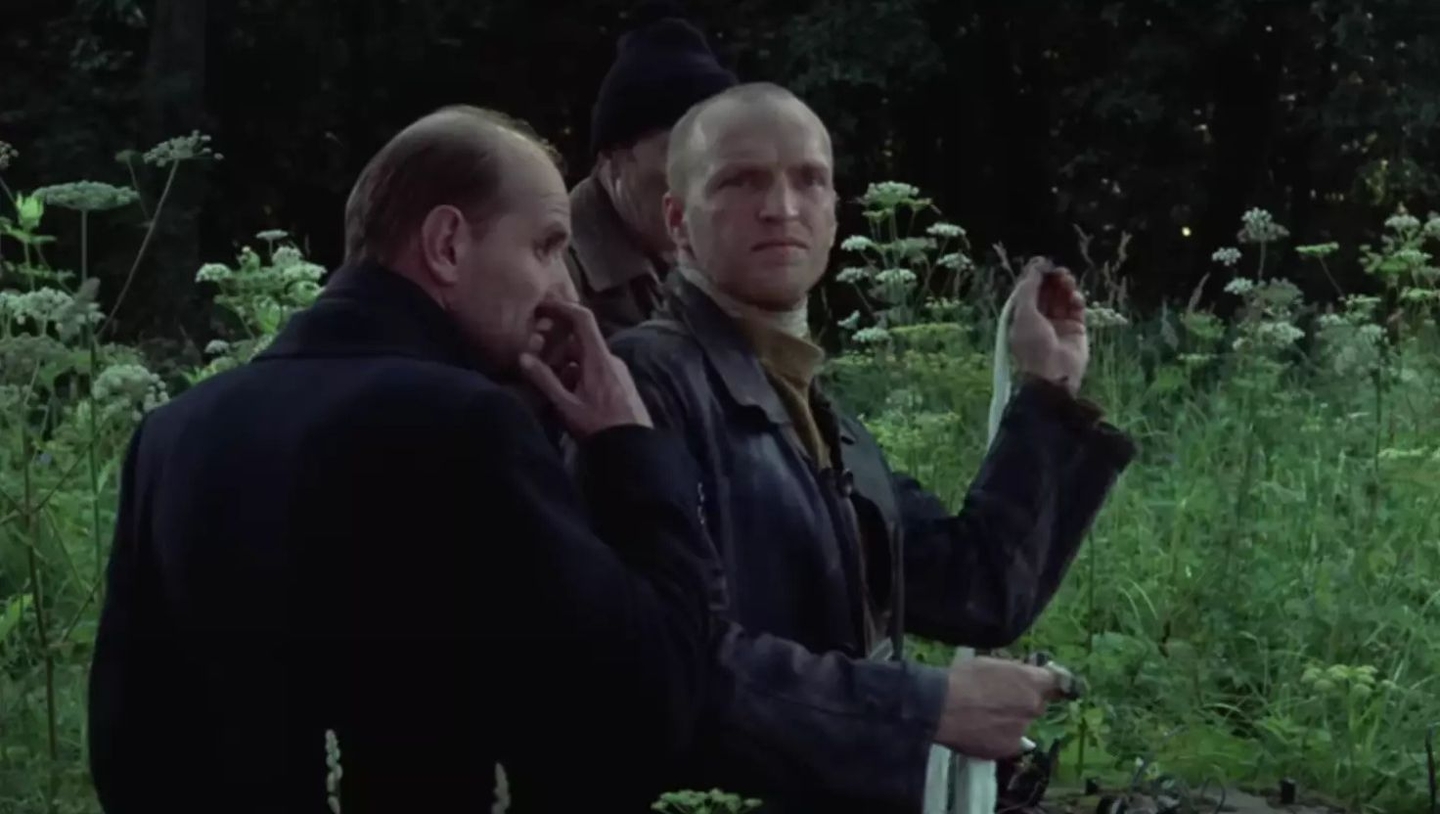
One critic called Stalker 'one of cinema's most impressive achievements'
YouTube / Film at Lincoln Center
advertisement
Today, Stalker is regarded as one of the most significant achievements in Soviet cinema. It’s a film that continues to spark both admiration and debate.
Whether or not the film’s production actually led to the deaths of those involved, it has definitely made people question just how far artists are willing to go in pursuit of their vision.
Stalker, which currently boasts a perfect score on Rotten Tomatoes and a strong 4.4-star average on Letterboxd, is available for rental on platforms like Apple TV+ and Amazon Prime Video.