

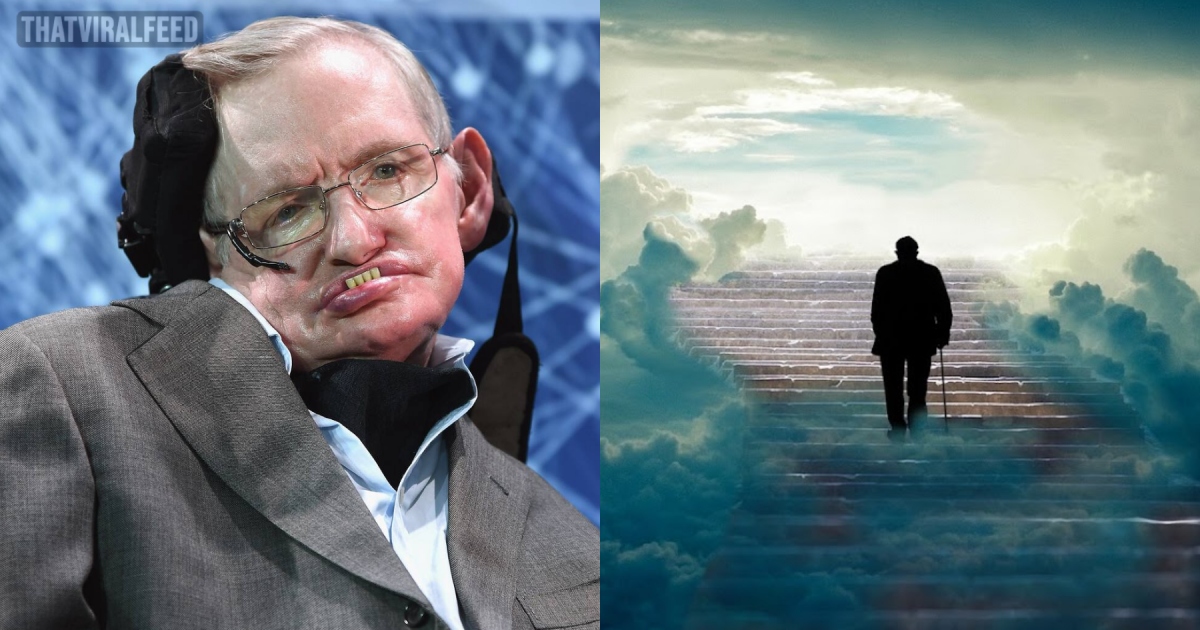
Stephen Hawking shared his opinions on the existence of God and the afterlife in his final book.
advertisement
Stephen Hawking's view on the existence of God and heaven was straightforward and to the point.
Science and religion often clash—think creation versus the Big Bang theory or miracles versus scientific explanations.
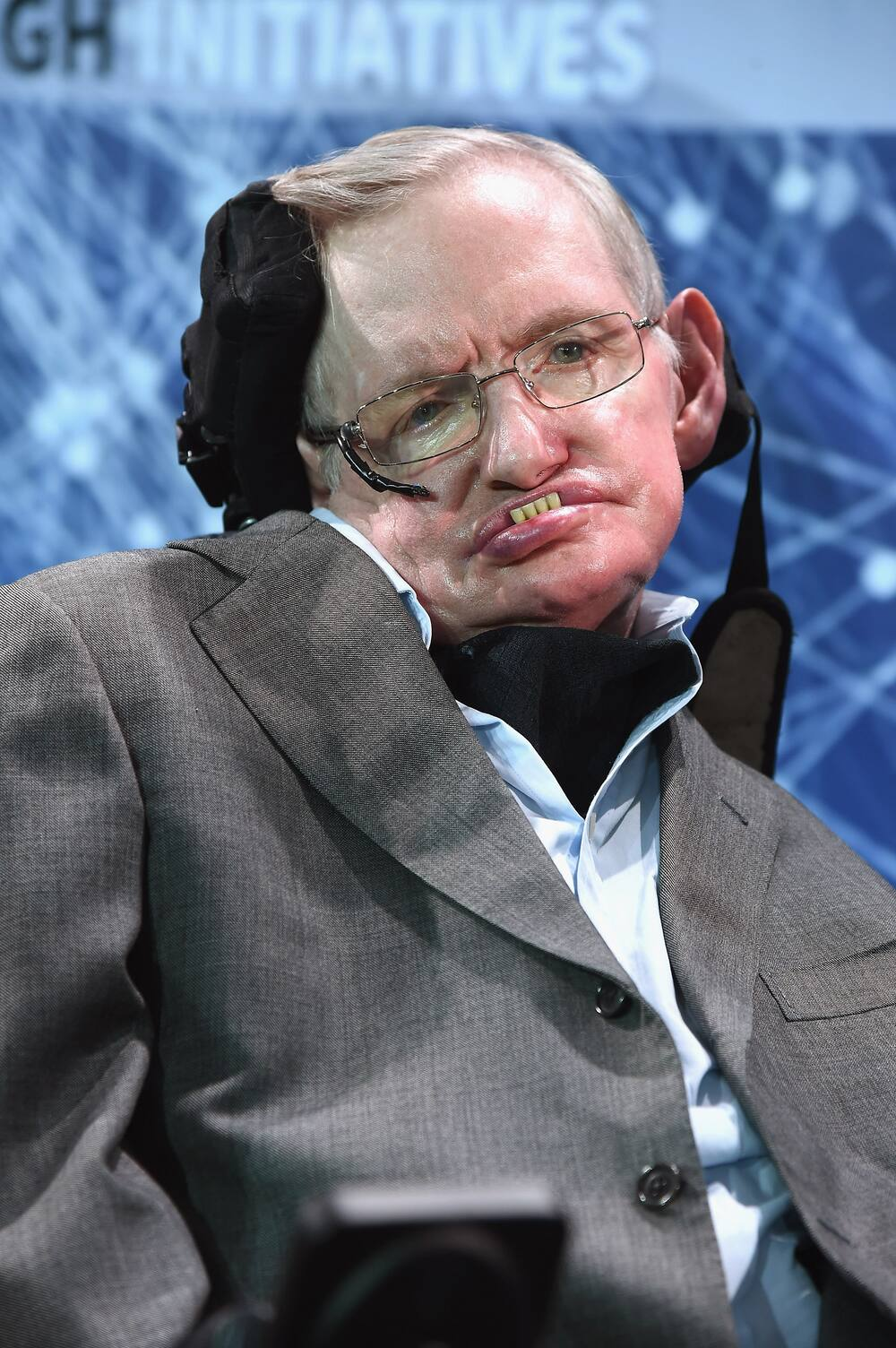
You might be curious about whether Stephen Hawking, the iconic scientist, believed in God.
Hawking, who passed away in 2018 at the age of 76, was a globally acclaimed theoretical physicist, cosmologist, and author.
He famously wrote the 2002 book "The Theory of Everything: The Origin and Fate of the Universe," and made significant contributions to the fields of general relativity and quantum gravity.
advertisement
His opinions on God and the afterlife have sparked considerable interest.
As a trailblazing theoretical physicist, his insights into the divine and what might lie beyond life were often sought after.
Over his career, through various interviews and publications, he openly discussed his views on a supreme being and life after death.
advertisement
The Issue of Faith:
When queried about his belief in God, Hawking’s answer was clear.
He saw no evidence of a supreme being and believed that the universe's mysteries could be explained through science.

In a dialogue with the Spanish newspaper El Mundo, he noted:
advertisement
"Before we understand science, it is natural to believe that God created the universe. But now science offers a more convincing explanation."
Hawking's skepticism wasn't targeted at just one religion; he viewed all religious beliefs as founded on faith rather than factual evidence, positioning himself as an atheist.
advertisement
Understanding the Universe:
In "The Grand Design," a book he co-authored with Leonard Mlodinow, Hawking delved deeper into his beliefs about the origins of the universe.
He posited that physical laws, not a divine being, are responsible for the creation of the universe.
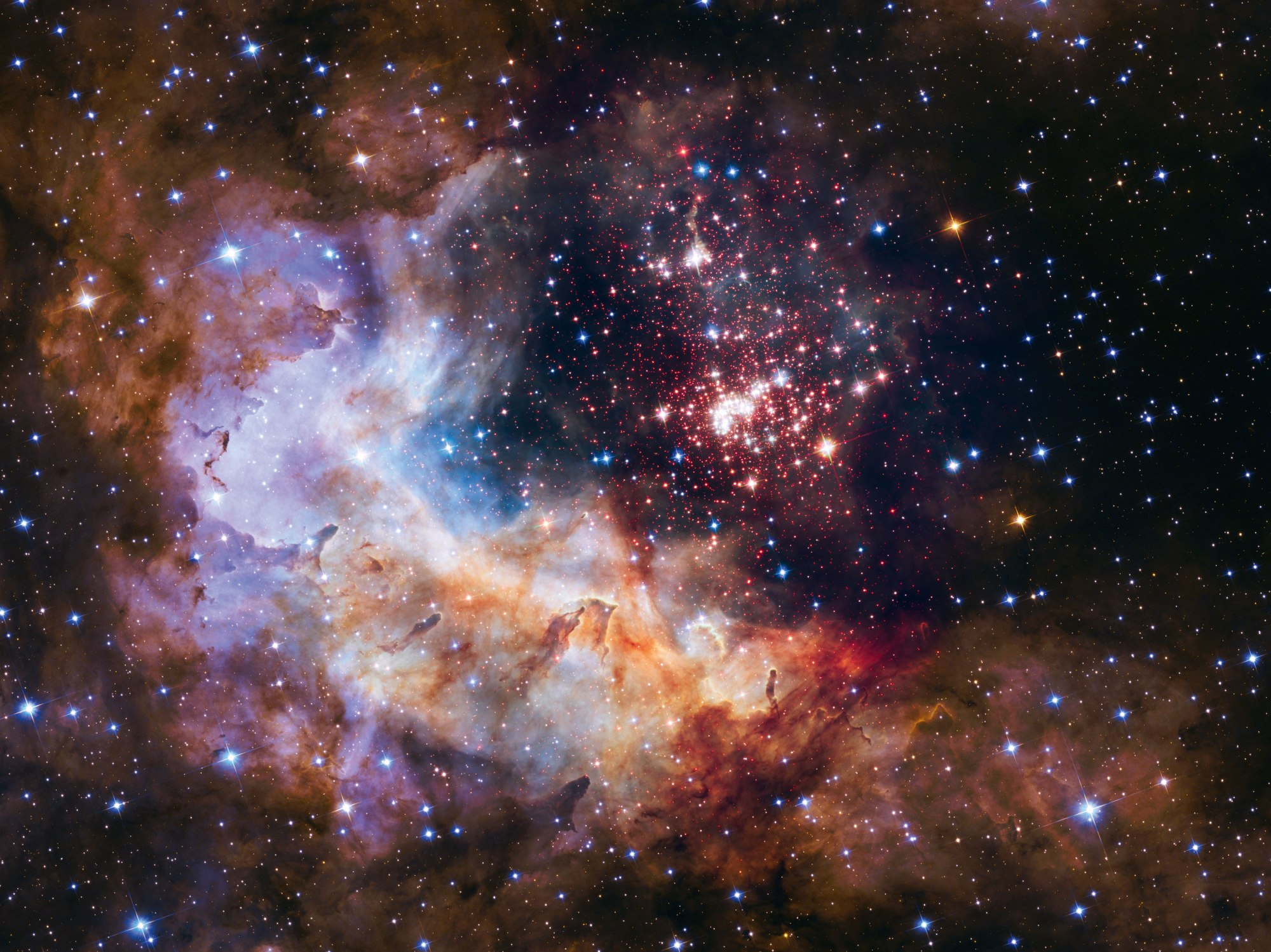
His words were: "Because there is a law such as gravity, the universe can and will create itself from nothing.
"Spontaneous creation is the reason there is something rather than nothing, why the universe exists, why we exist."
advertisement
Views on the Afterlife:
Hawking's perspective on the afterlife was also firmly rooted in scientific thought. He regarded the notion of an afterlife as merely fanciful thinking.
In "Brief Answers to the Big Questions," he discussed his disability, writing:

"For centuries, it was believed that disabled people like me were living under a curse that was inflicted by God.
advertisement
"Well, I suppose it's possible that I've upset someone up there, but I prefer to think that everything can be explained another way, by the laws of nature.
"If you believe in science, like I do, you believe that there are certain laws that are always obeyed. If you like, you can say the laws are the work of God, but that is more a definition of God than a proof of his existence."
advertisement
He continued to elaborate on his views regarding God and the afterlife.
"We are each free to believe what we want and it’s my view that the simplest explanation is there is no God," he explained.
advertisement
"No one created the universe and no one directs our fate. This leads me to a profound realization, there’s probably no Heaven and no afterlife, either.
"We have this one life to appreciate the grand design of the universe and for that I am extremely grateful."
advertisement
Diagnosed with Amyotrophic Lateral Sclerosis (ALS), also known as motor neurone disease, at just 21 in 1963, Hawking was initially told he had only two years to live.
Contrary to this grim prognosis, he lived decades longer, though his ability to move and speak declined. He later used a sophisticated computer system for communication.
This system included a tablet mounted on his wheelchair, powered by the wheelchair’s batteries, with a screen keyboard he operated by moving his cheek.
Dying at 76, Hawking became the longest-living ALS survivor in history.