

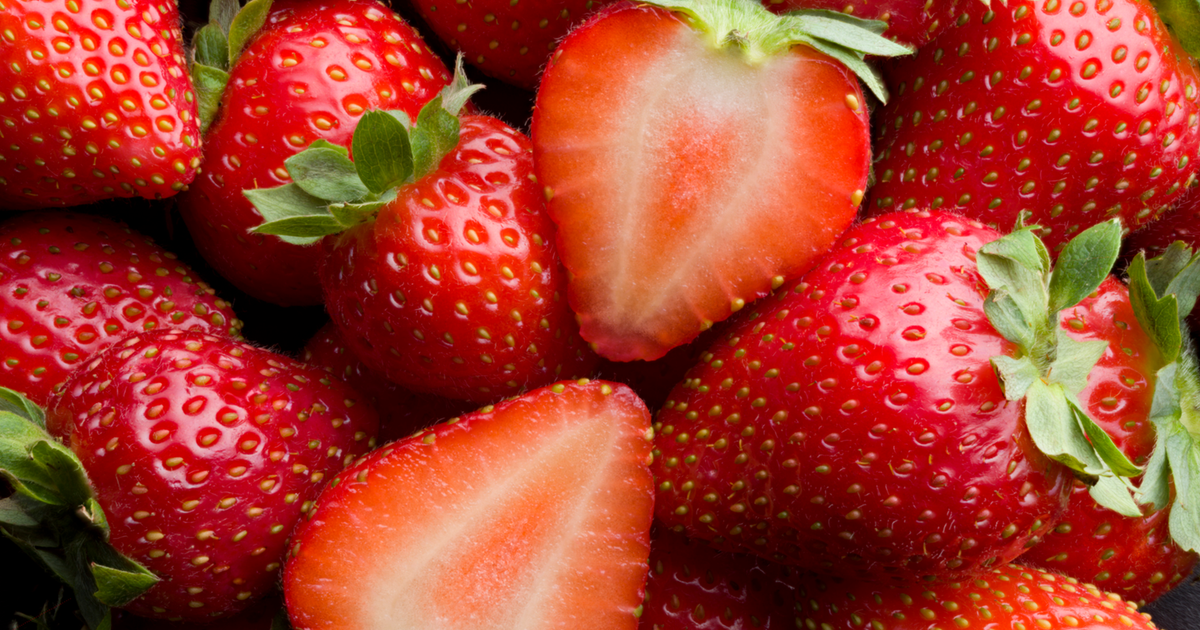
And just to add to the surprise—strawberries aren't technically berries at all
advertisement
If you've always thought those tiny white dots on strawberries were seeds, then get ready—what they actually are might surprise you.
Most of us don’t really give a second thought to how strawberries look, especially when we’re enjoying a juicy batch on a warm summer afternoon.
But it turns out that many strawberry lovers are learning a surprising fact about those little white specks on the outside—and for lots of people, it's a total game-changer.
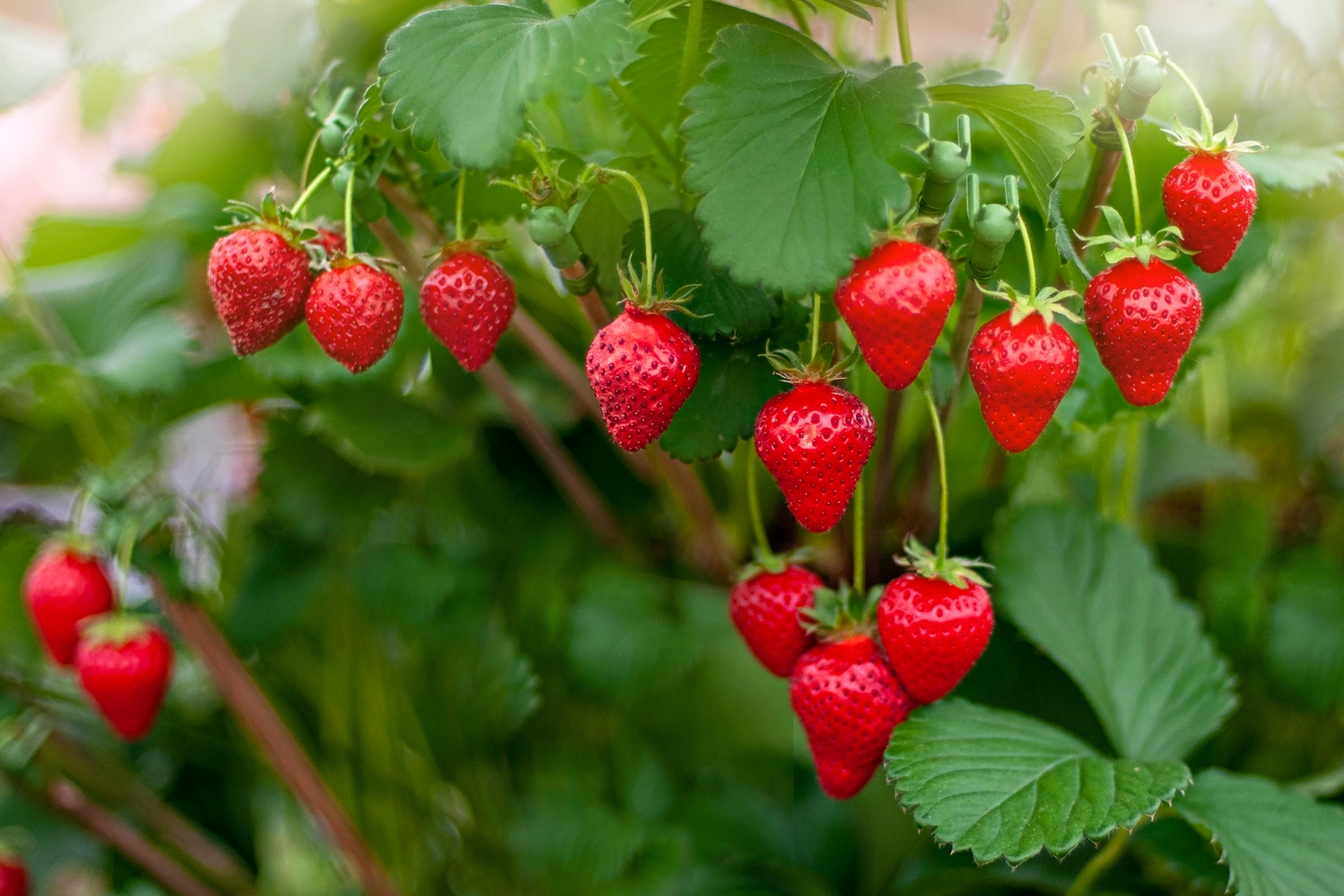
Strawberries aren't even berries
Getty Images
While it might seem obvious to call them seeds, those white dots scattered all over strawberries are actually known as achenes—and they're the actual fruit of the plant.
An ‘achene’ is a type of simple dry fruit that comes from various kinds of flowering plants. You can find them in things like buckwheat and even cannabis.
Other plants that produce achenes include dandelions and sunflowers. Some even have winged achenes, like what you’ll find on maple fruits, elms, bush willows, and hop trees.
advertisement
Each achene holds a single seed inside it. But here’s what’s interesting—the strawberry plant doesn’t actually use those seeds to reproduce.
And even though we call strawberries berries, they technically aren’t. Instead, the plant spreads through something called 'runners'.
These runners are like tiny clones of the original plant. Once they reach the soil, they take root and grow into new strawberry plants all on their own.
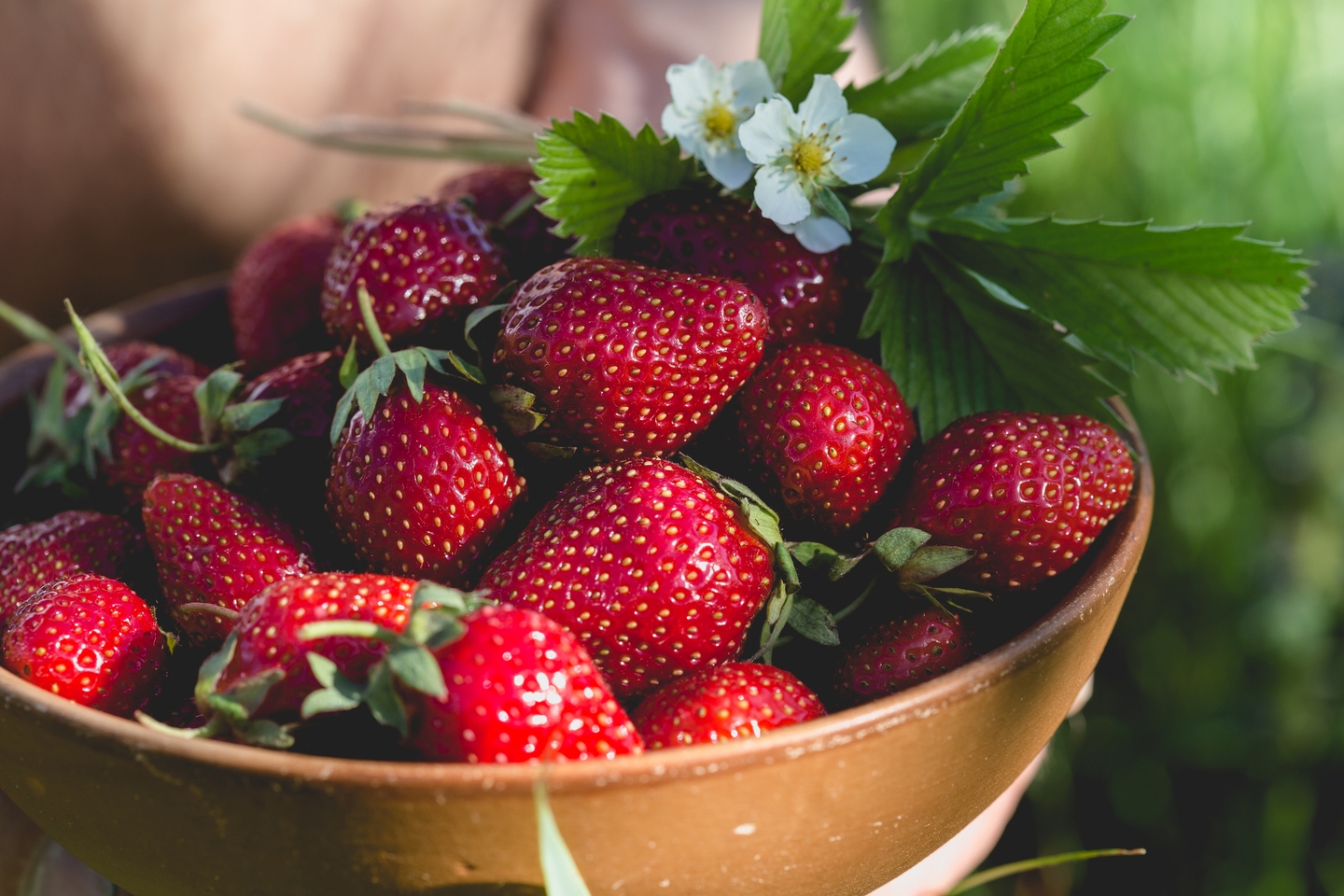
The white dots aren't actually seeds
Getty Images
According to scientists, using runners is one of the most effective and efficient ways for the strawberry plant to reproduce and spread. It's similar to how spider plants and peppermint grow.
And here’s another fun twist—what we think of as the strawberry fruit isn’t technically the plant’s fruit at all. Plus, it’s not even considered a true berry.
Instead, what we call a strawberry is what botanists refer to as an aggregate fruit. That means it’s made up of lots of small individual fruits grouped closely together.
advertisement
Chris Gunter, who is an associate professor in the Department of Horticultural Science at NC State, also helped clear up some confusion about those seed-like dots (or achenes) we now know are on the strawberry’s outer layer.
Although there’s still a bit of mystery around why strawberries developed this way, Gunter does have a few educated guesses about the evolutionary reasons behind it.
"There are a few fundamental reasons why plants have evolved different kinds of fruits. One reason is to attract something that spreads seeds," he said.
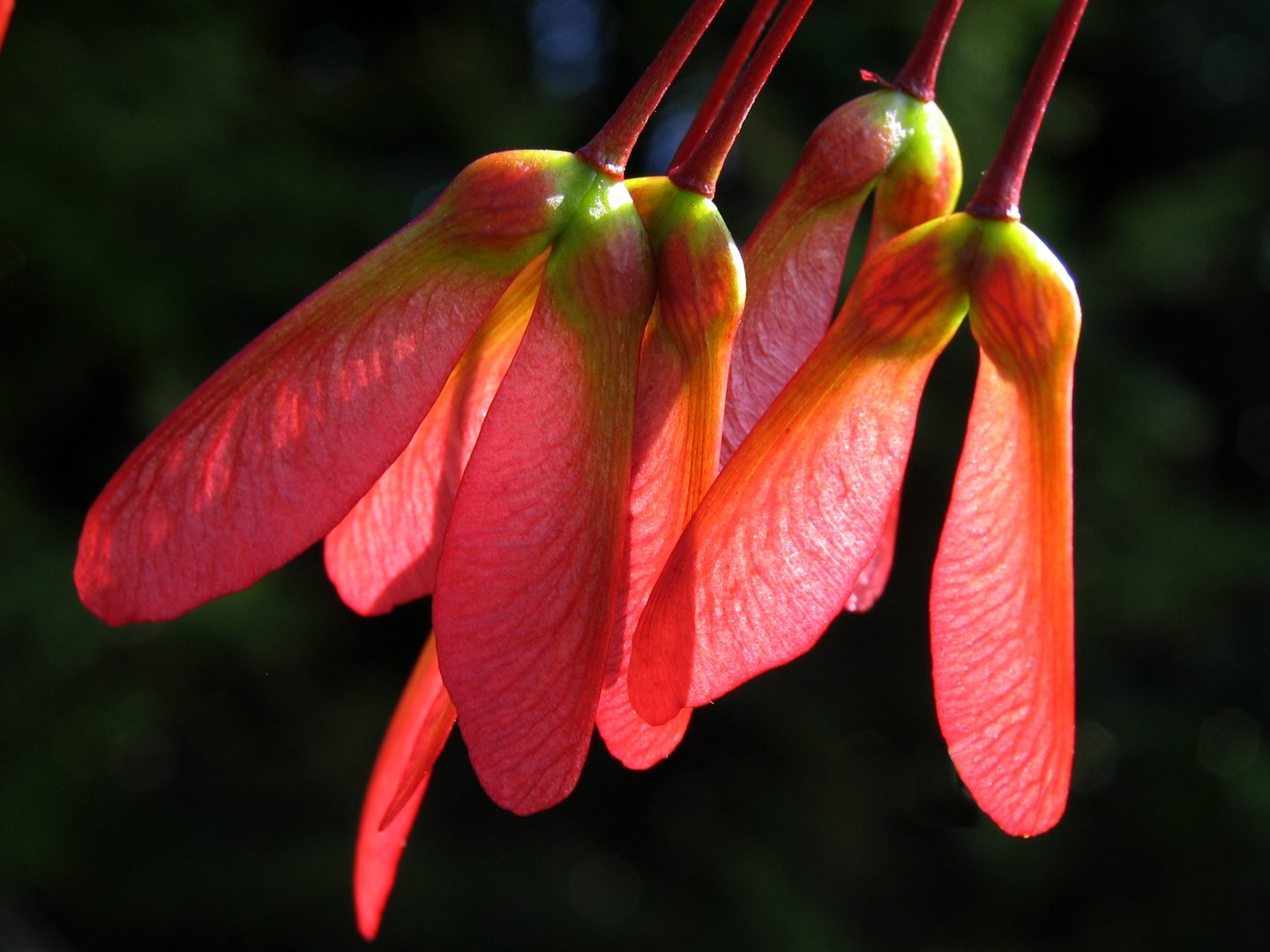
Maple fruits are also achenes but they have samara, a pair of connected, winged seeds
Getty Images
advertisement
"A second evolutionary approach is for plants to find ways for their fruit to disperse on their own. For example, they may fly in the wind, like a dandelion, or be moved by the water, like a coconut."
After learning all of this, I can safely say that strawberries will never look quite the same to me again.