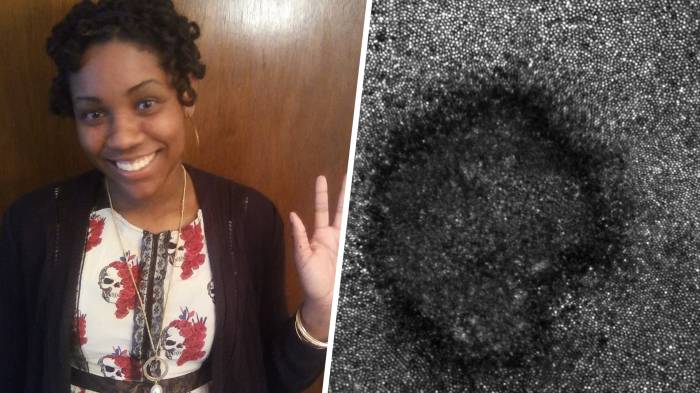
A New York woman suffered from blurred vision and permanent dark spots after staring directly into the solar eclipse in August.
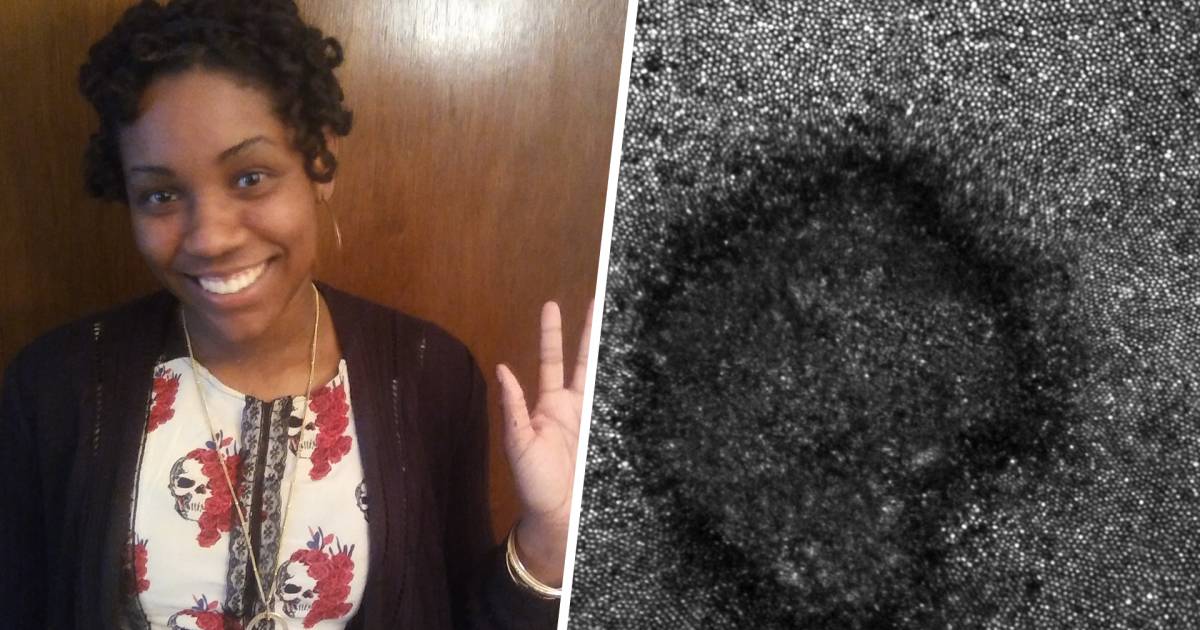
Striking Images Reveal Woman's Eye Damage From Looking At Solar Eclipse Without Protection
By
Sughra Hafeez in
Health and Fitness
On 11th December 2017
advertisement
For countless years people have been told NOT to look directly at a solar eclipse.
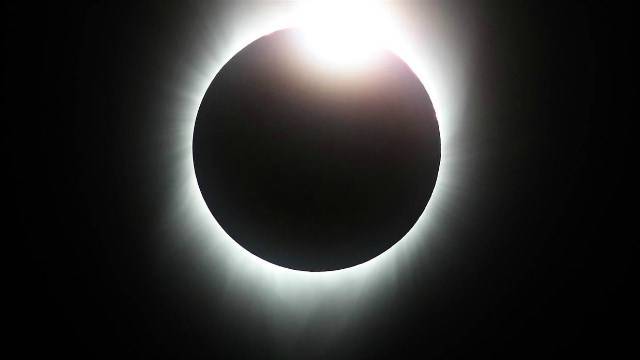
Exposing your eyes to the sun without proper eye protection during a solar eclipse can cause “eclipse blindness” or retinal burns, also known as solar retinopathy.
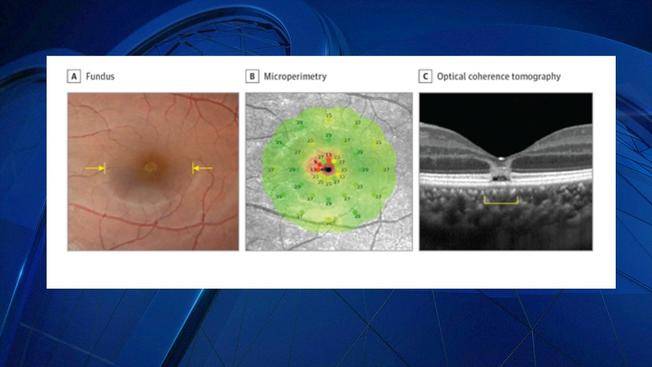
According to the case report.
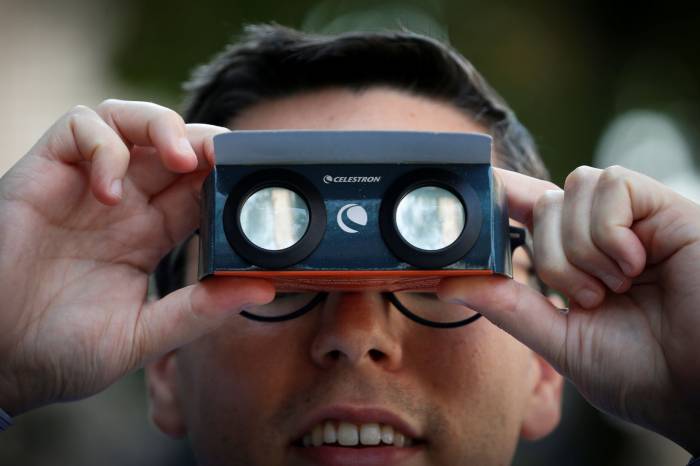
The women told doctors that during the eclipse, she looked at the sun for approximately 6 seconds several different times without protective eyewear, and then again for15 to 20 seconds with a pair of eclipse glasses.
advertisement
It gave scientists their first look at what exactly happens at the cellular level when an unprotected eye stares at a solar eclipse.
The damage can be temporary or permanent and occurs with no pain. It can take a few hours to a few days after viewing the solar eclipse to realize the damage that has occurred.
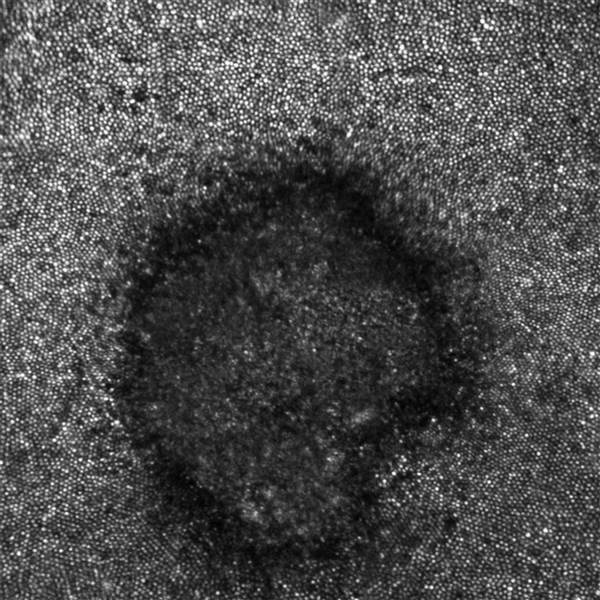
She was diagnosed with something called solar retinopathy.
Unfortunately, there is no cure or treatment for this type of eye damage.
advertisement
Dr. Avnish Deobhakta said in a statement:
"We have never seen the cellular damage from an eclipse because this event rarely happens and we haven't had this type of advanced technology to examine solar retinopathy until recently."
advertisement
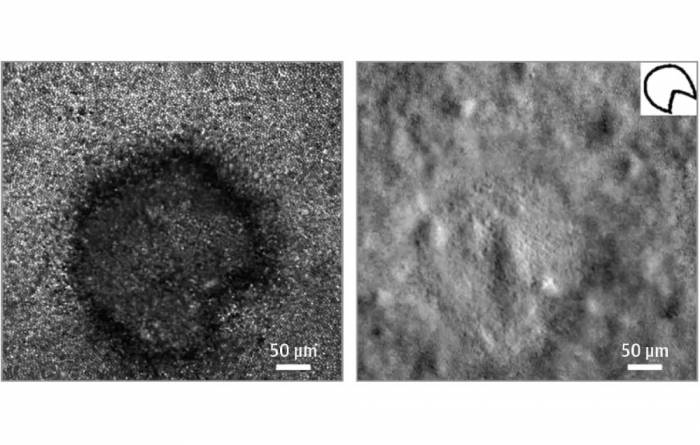
Using a new type of imaging, the researchers obtained high-resolution images of the damaged photoreceptors in the woman's eyes
When they looked a little closer into her eyes— the actual shape of a crescent burned into her retinas.
advertisement
The images showed no significant vision damage to the right eye but revealed a yellow-white spot in the left eye.
The images also showed multiple areas of decreased sensitivity and a central scotoma, or blind spot, in the left eye, according to the report.
advertisement
According to NASA:
There is a point during the eclipse where the light is the most damaging and it is best to keep eyes protected at all time during an eclipse.