


Bomb disposal experts later estimated the explosive material involved in the accident may have been up to four times stronger than TNT.
advertisement
There are very few dangerous ways to chew gum, but a chemistry student in Ukraine tragically discovered one that proved fatal. A simple mistake led to a devastating explosion that cost him his life.
Twenty-five-year-old Vladimir Likhonos was working in his room when the incident happened. According to reports from the time, the student was surrounded by different chemical substances during his experiments.
Investigators believe the fatal accident occurred after he unknowingly dipped his chewing gum into the wrong powder. When he placed the gum back into his mouth, it triggered a powerful explosion.
Local reports from 2009 explained that Likhonos had a habit of dipping his gum into citric acid while working. Citric acid is a common substance found in lemons and other citrus fruits and is generally harmless in small quantities.
Citric acid is often stored as a fine white powder, which can look almost identical to other powdered chemicals. Because of this similarity, it can be difficult to tell substances apart without proper labeling.
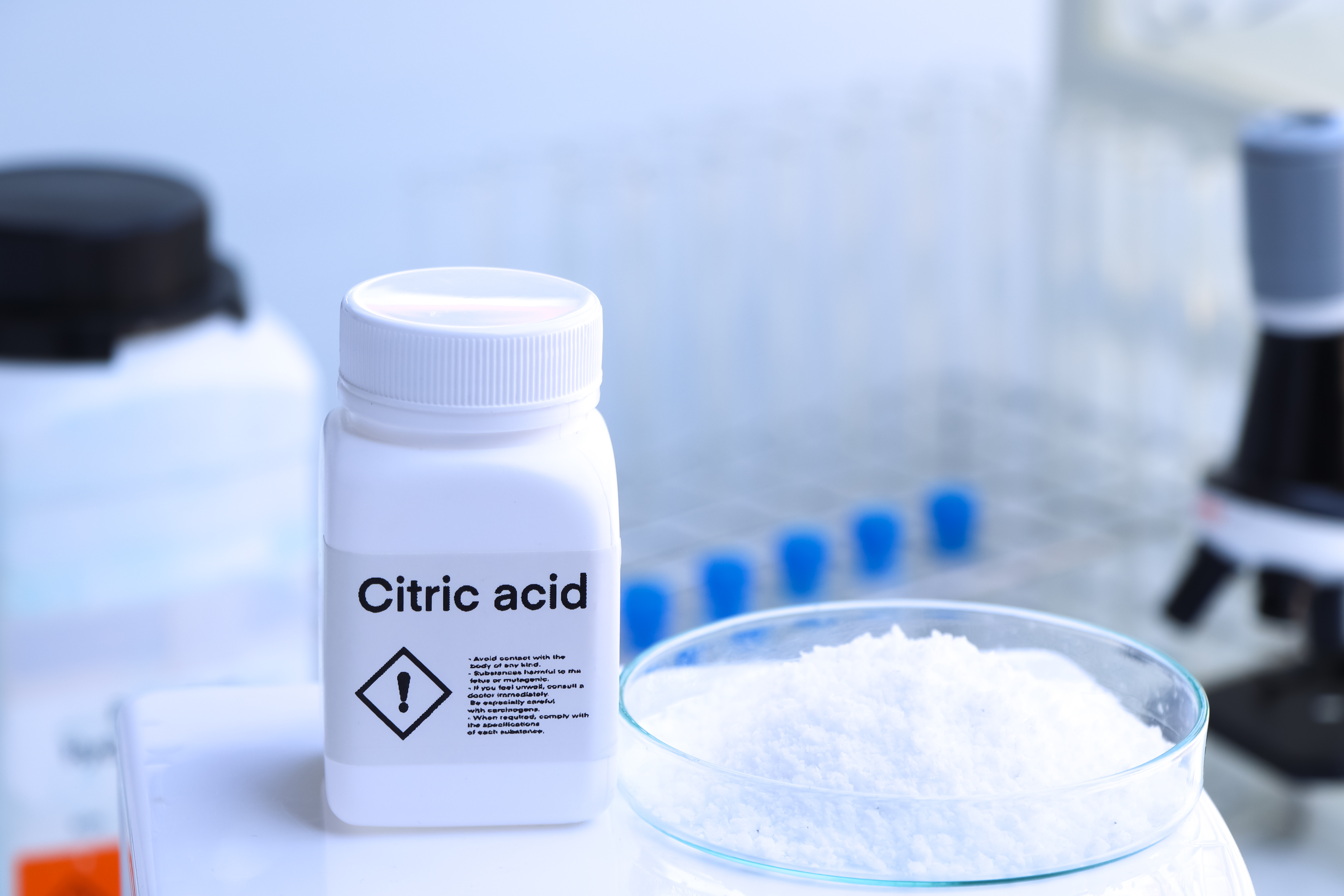
Harmless citric acid would have looked like a number of far more dangerous chemicals
Getty Stock Image
advertisement
Investigators later suggested that the powder Likhonos used that day looked almost exactly the same as the citric acid he normally used.
Sadly, instead of dipping his gum into a harmless substance that would give it a sour flavor, he appears to have dipped it into a highly explosive chemical compound.
The accident highlights how easily dangerous chemicals can be mistaken for ordinary substances when they appear similar.
In laboratories and experimental environments, even small errors involving unidentified powders can lead to extremely serious consequences.
When the Kiev Polytechnic Institute student placed the gum back in his mouth, the chemical reaction caused an explosion that destroyed his jaw and the lower half of his face.
At the time of the accident, Ukrainian police spokesperson Elvira Biganova explained that around 100 grams (about 3.5 ounces) of an unidentified explosive material had been found in the room.
This material had reportedly been stored near the citric acid. Because both substances appeared as white powder, investigators believe the two could easily have been confused.
Biganova explained that the powders looked almost identical and said that 'anybody could have mixed them up.'
advertisement
Reports from Russian media in 2009 said the student had been working alone in his room when the explosion occurred.
His mother, who was in the house at the time, reportedly heard the blast and rushed upstairs to see what had happened.
When she reached the room, she found him lying on the floor with severe injuries caused by the explosion.
Emergency crews arrived quickly, but the injuries were so severe that there was nothing they could do to save him.
Biganova added: "Even some of our seasoned officers, who have seen a thing or two, even they were pretty badly shaken up by what they found."
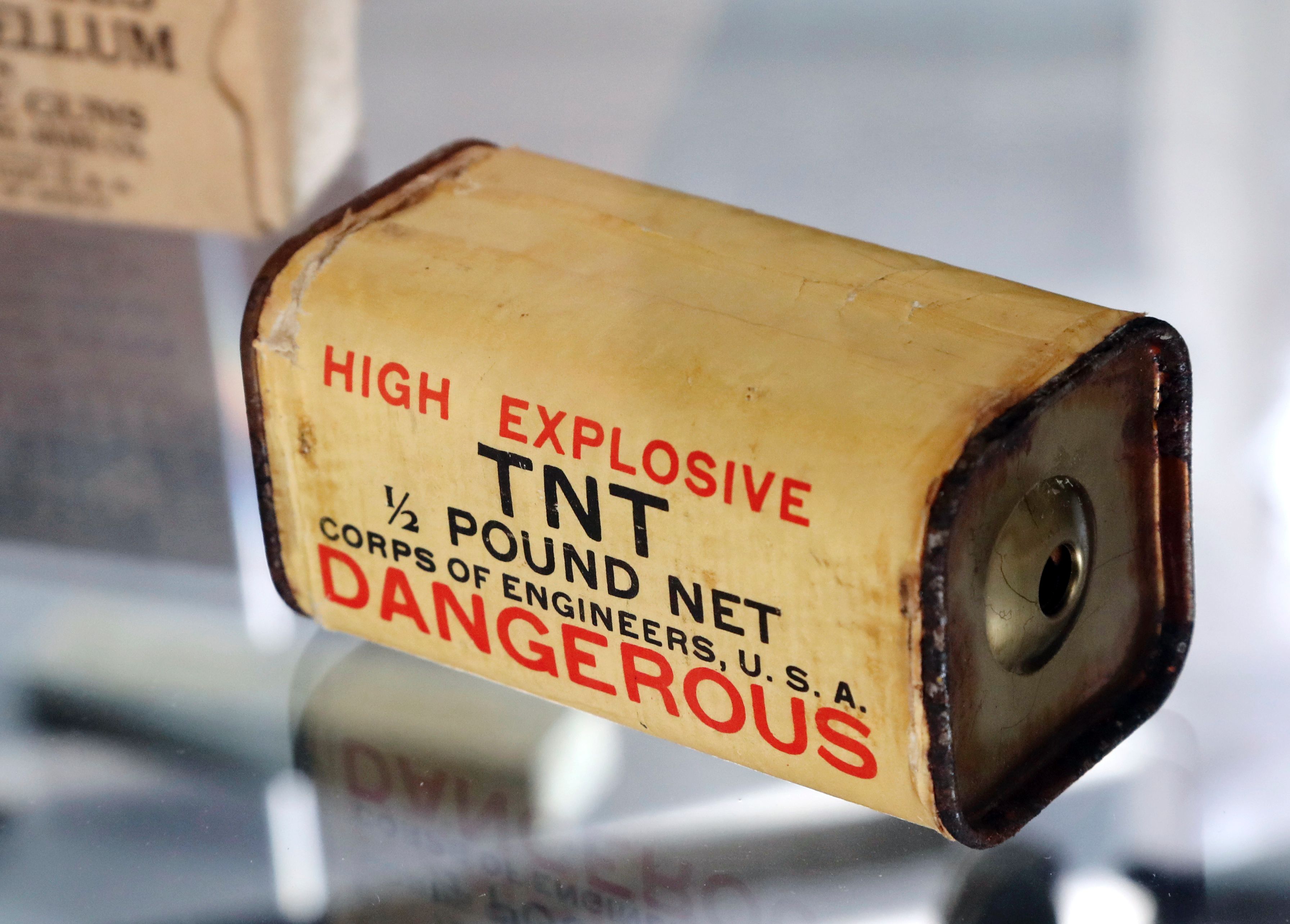
Unconfirmed estimates stated that the powder was four times more powerful than TNT
JACQUES DEMARTHON/AFP via Getty Images
advertisement
The state-run news agency RIA Novosti later spoke to people who knew Likhonos personally.
Friends described him as a quiet and thoughtful young man who had a strong interest in science subjects, especially mathematics, physics, and chemistry.
According to those who knew him, he enjoyed experimenting and often spent time working with chemicals as part of his passion for science.
Some friends also mentioned that he occasionally experimented with making small homemade firecrackers, hoping that his interests would one day lead to a professional career in the scientific field.
advertisement
Reports suggested that he had recently returned to his home in Ukraine’s Sumy region after completing his exams when the accident happened.
Much of his free time was reportedly spent either on his computer or carrying out small experiments with chemical substances.
The tragedy left many people shocked, including those who had studied and worked alongside him.
Teachers and classmates later spoke about his academic ability and his interest in scientific topics.
advertisement
Irina Lisovskaya, the deputy dean of the chemical engineering faculty where he studied, later shared some information about his academic performance.
She said: "He got an A in chemistry, but his grades in other subjects were average."
"Yes, Vladimir was not a poor student, but he never graduated [as] he could not defend his diploma thesis and was expelled last year."
After the explosion, bomb disposal specialists were called to examine the remaining powder found in the room.
Due to the potential danger, they refused to move the substance from the location where it was discovered.
Although investigators were not able to fully identify the material, experts estimated that the explosive compound could have been up to four times more powerful than TNT.