

The research examines four key areas often discussed in debates about the resurrection
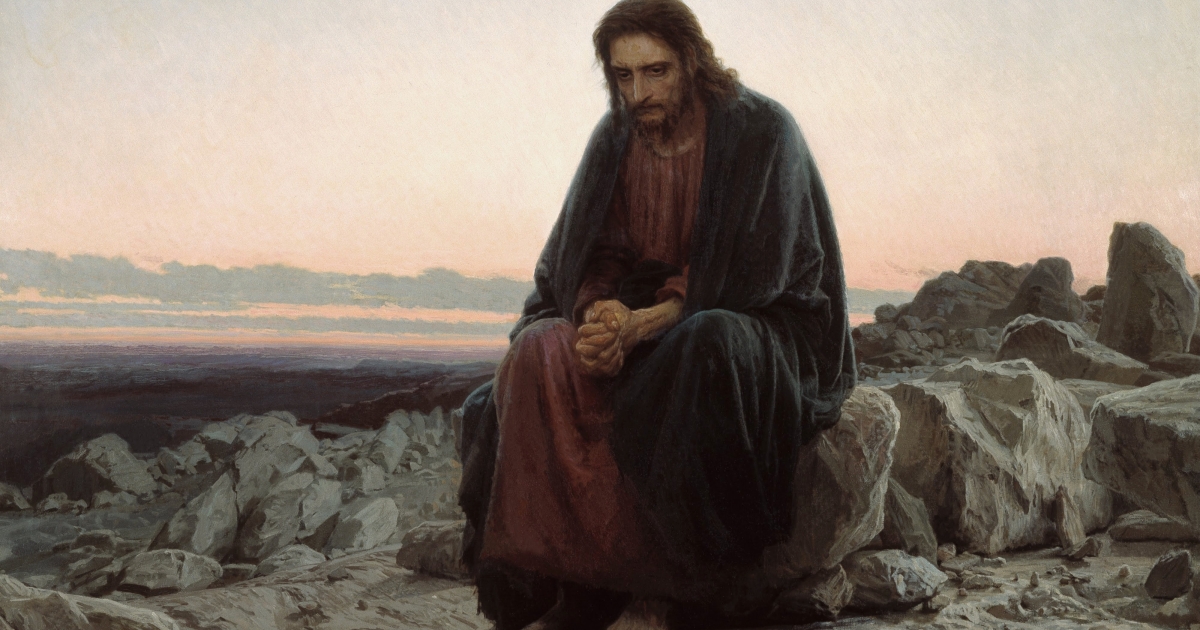
Study Claims To Present 'Evidence' That Jesus Rose From The Dead
By
maks in
Science and Technology
On 6th April 2026
advertisement
As Christians around the world mark Easter Sunday, a new study has explored what it describes as evidence supporting the central belief behind the holiday.
Easter, also known as Pasch, Pascha, or Resurrection Sunday, carries the same meaning across Christian traditions. It represents the belief that Jesus Christ rose from the dead.
According to the New Testament, this event is said to have happened three days after his crucifixion. However, these accounts have been debated and questioned for nearly 2,000 years, ever since the early days of the religion.
When scholars look at the biblical texts, claimed eyewitness reports, and physical items such as the Shroud of Turin, they often reach different conclusions about what actually happened.
Because of this, many have struggled to fully agree on whether Jesus physically rose from the dead.
This new study attempts to revisit those discussions. It examines a range of claims and argues that the so-called 'resurrection hypothesis' may be the most likely explanation for what happened after Jesus was placed in a tomb and later found missing.
The Bible depicts the return of Christ
Getty Stock Images
advertisement
The study was written by Pearl Bipin, an engineer from the National Institute of Technology in Goa, India. The research brings together several pieces of historical and religious evidence to build its argument.
These include reports of an empty tomb, accounts of people who said they saw Jesus after his death, and the shift in belief among his followers and even some skeptics.
For instance, Roman historian Tacitus wrote in the early second century about a figure called 'Christus' who was executed during the reign of Emperor Tiberius under the authority of Pontius Pilate.
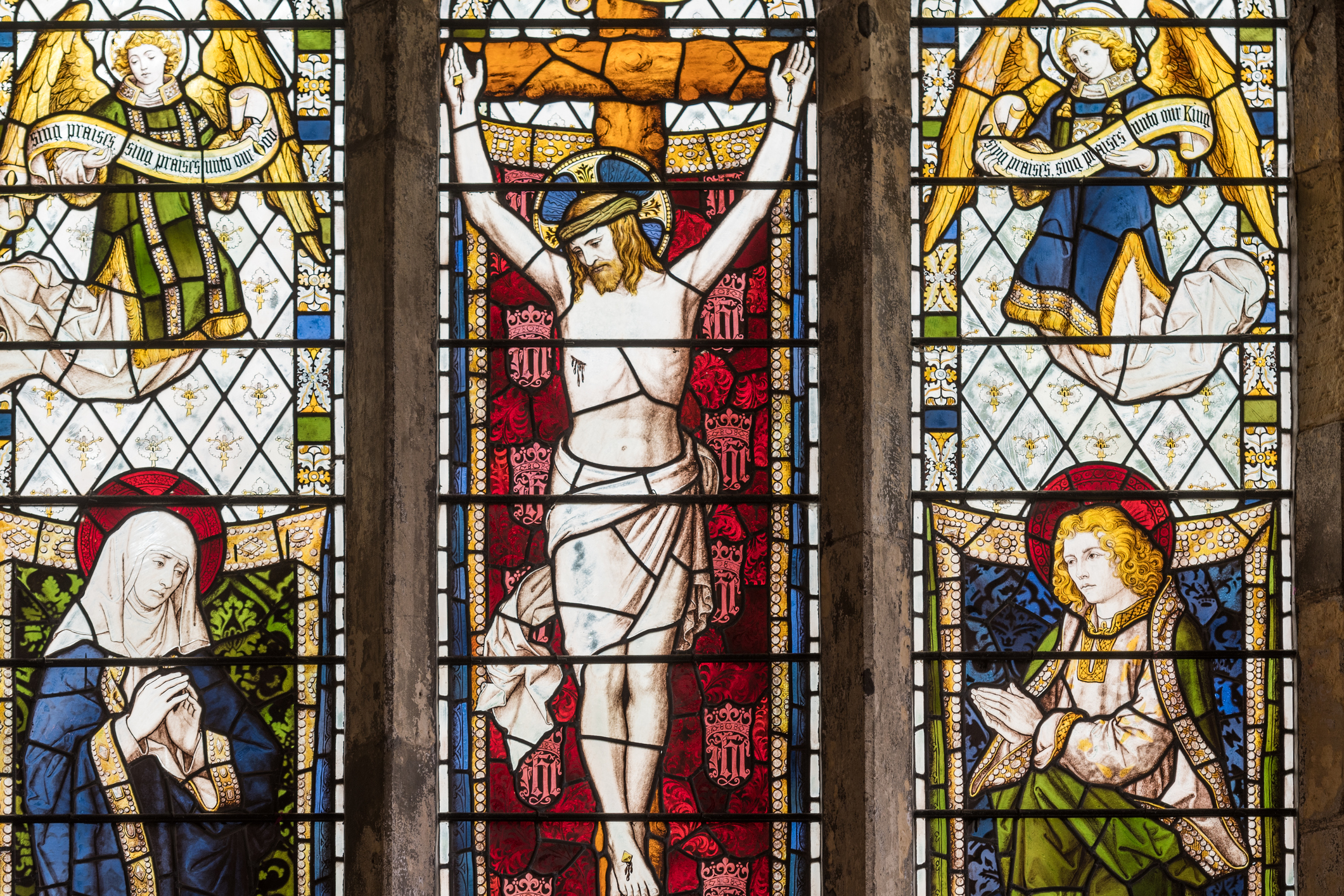
The study said it should be regarded as a serious historical event
Getty Stock Images
Jewish historian Flavius Josephus also referred to Jesus’ execution. He mentioned it while discussing the death of James, who was said to be Jesus’ brother and someone who later became a believer after reportedly seeing him.
These outside historical sources helped form what the study describes as a stronger base of certainty. They support the idea that Jesus lived, was executed, and later became the center of a growing faith.
The Gospel of John also includes a detail where a Roman soldier pierced Jesus’ side, and 'blood and water' flowed out.
advertisement
Bipin suggests that this detail could point to a medical explanation, such as a buildup of fluid around the lungs and heart caused by severe trauma and possible heart failure.
From this perspective, the study argues that the description supports the idea that Jesus did in fact die on the cross.
"If Jesus had swooned and appeared to the disciples, he would have looked like a man half-dead, desperately in need of medical attention," the study explained, adding: "As David Strauss, a German liberal Protestant theologian, noted in the 1800s, such a figure could not possibly have inspired the disciples to proclaim him the 'Prince of Life' and the conqueror of death. His survival would have elicited pity, not worship."
advertisement
The author concludes that the idea of the resurrection should not be dismissed outright and should be considered seriously when looking at historical explanations, writing: "Conversely, the resurrection hypothesis, when situated within a theistic philosophical framework supported by arguments from consciousness and modern verification of miracles, emerges not merely as a possibility, but as the most coherent and probable explanation for the rise of the Christian faith."