

Researchers in Canada followed cannabis users for more than ten years to examine possible mental health effects
New Study Reveals Worrying Link Between Cannabis Use And Anxiety — And The Consequences Could Be Deadly
By
maks in
Health and Fitness
On 4th March 2026
advertisement
A recent study focused on marijuana use has highlighted what researchers describe as a strong connection between cannabis consumption and mental health conditions such as anxiety and depression.
Cannabis is now legal for recreational use in as many as 24 US states, and it is also permitted for medical treatment in many regions. However, legalization does not necessarily mean the substance is free from potential health concerns or negative side effects.
While many people view marijuana as harmless, health experts often point out several possible downsides. These may include sleep disturbances, irritation in the respiratory system, or long-term impacts on motivation and life outcomes. The Cleveland Clinic has also noted that regular use may sometimes affect overall life achievements and daily functioning.
Even with those warnings, public support for medical cannabis remains very high. Surveys suggest that about nine out of ten adults believe marijuana should be available as a prescribed medication.
Still, opinions might shift if more people become aware of the possible mental health risks linked to regular use.
A study conducted in Canada suggests there is a growing association between cannabis use and people reporting symptoms tied to anxiety and depression.
Canadian researchers linked cannabis to mental health issues
Getty Stock Images
advertisement
Earlier research has also connected cannabis use with episodes of psychosis in some individuals.
However, a study from McMaster University, published in The Canadian Journal of Psychiatry, suggests the relationship with mental health may extend even further. Researchers found evidence that cannabis use may also be linked with depressive disorders.
"We see that Canadians who use cannabis tend to be more likely to meet criteria for anxiety and depressive disorders, and more likely to report suicidality," said Jillian Halladay, an assistant professor in the School of Nursing at McMaster. "We also see that this co-occurrence has strengthened over time."
According to a press release from McMaster University, the research team examined data from more than 35,000 Canadians who were 15 years old or older. The study covered a ten-year period between 2012 and 2022 in order to track changes in cannabis use and mental health outcomes.
During that period, the researchers observed a sharp increase in reported cases of generalized anxiety disorder and major depressive episodes among participants.
While the number of adults reporting suicidal thoughts remained relatively stable, the researchers did note a concerning increase among younger individuals. Reports of suicidal thoughts among youths rose by about 44 percent during the same time frame.

People reported more depressive and anxiety disorders
Getty Stock Images
advertisement
The study also found that individuals who used cannabis several times each week faced much higher risks. These frequent users were about five times more likely to report symptoms of anxiety, depression, or suicidal thoughts.
Halladay explained the findings further, stating: "This extends our prior study that similarly found a strengthening in the co-occurrence of cannabis use and these mental health problems between 2002 and 2012."
"It's important for people to recognize when and how their cannabis use may be impacting their mental health, and how their mental health may be influencing their cannabis use."
Researchers also explored possible biological reasons for the connection between cannabis and anxiety. One possible explanation involves how tetrahydrocannabinol, commonly known as THC, interacts with certain parts of the brain.
advertisement
THC affects the amygdala, which is a region of the brain responsible for processing fear and triggering the body’s fight-or-flight response.
Scientists believe cannabis can overstimulate this area in some people. When this happens, the brain may react with heightened feelings of fear, tension, or anxiety. Healthline explains that this overstimulation could explain why some users report paranoia after using marijuana.
These findings also come shortly after separate research from McMaster University that examined mental health trends among teenagers. That study showed that anxiety and depression rates among teens increased almost threefold over the past decade.
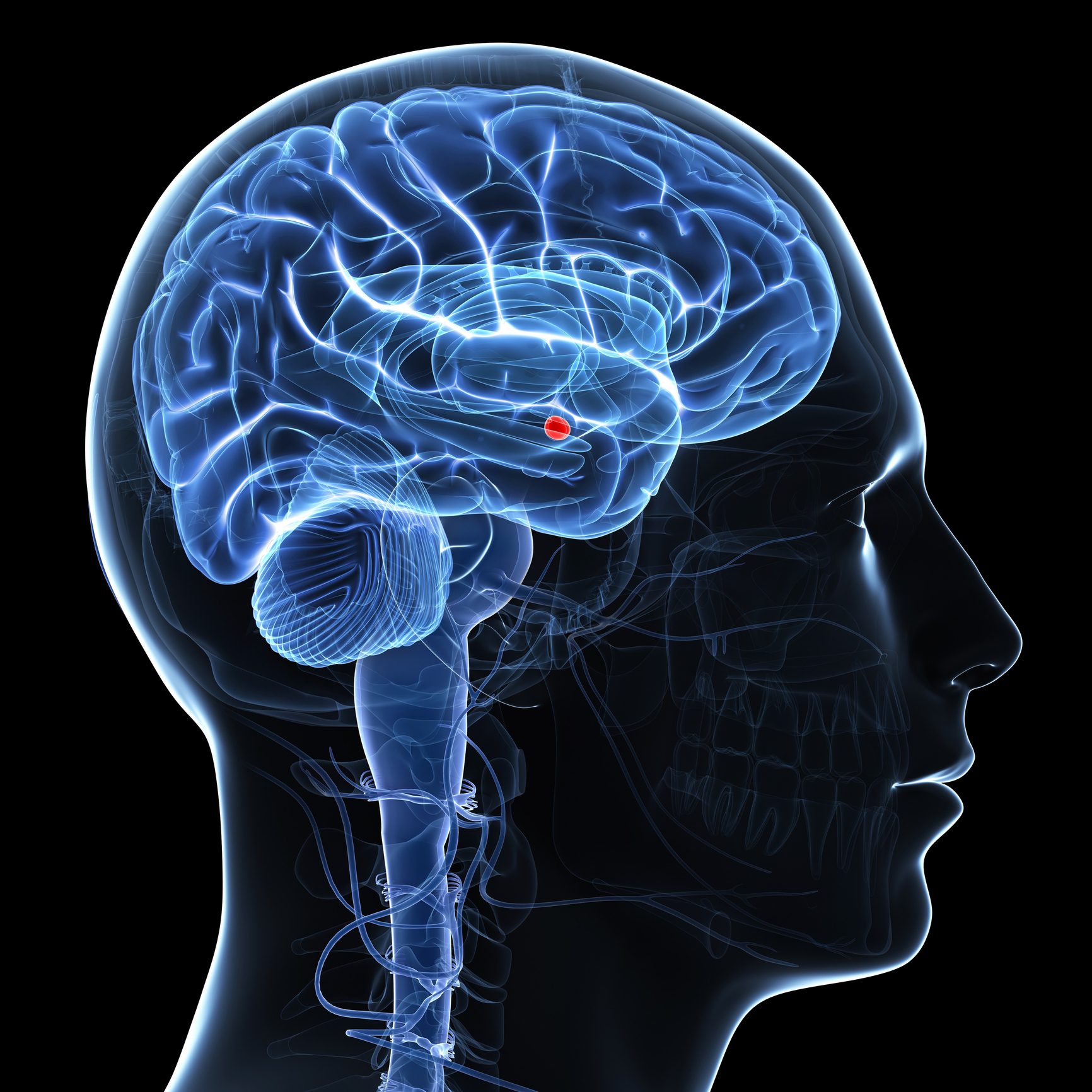
The amygdala
Getty Stock Images
advertisement
The researchers noted that the rise in anxiety and depression appeared more pronounced among teenagers who used cannabis frequently compared with those who used it rarely or not at all.
However, the scientists also cautioned that the relationship is complex. It remains unclear whether cannabis use is directly causing these mental health issues or if some young people turn to marijuana as a way to cope with stress, anxiety, or other psychological challenges.