Study Suggests Meteorites Could Have All 5 Bases Of DNA And RNA
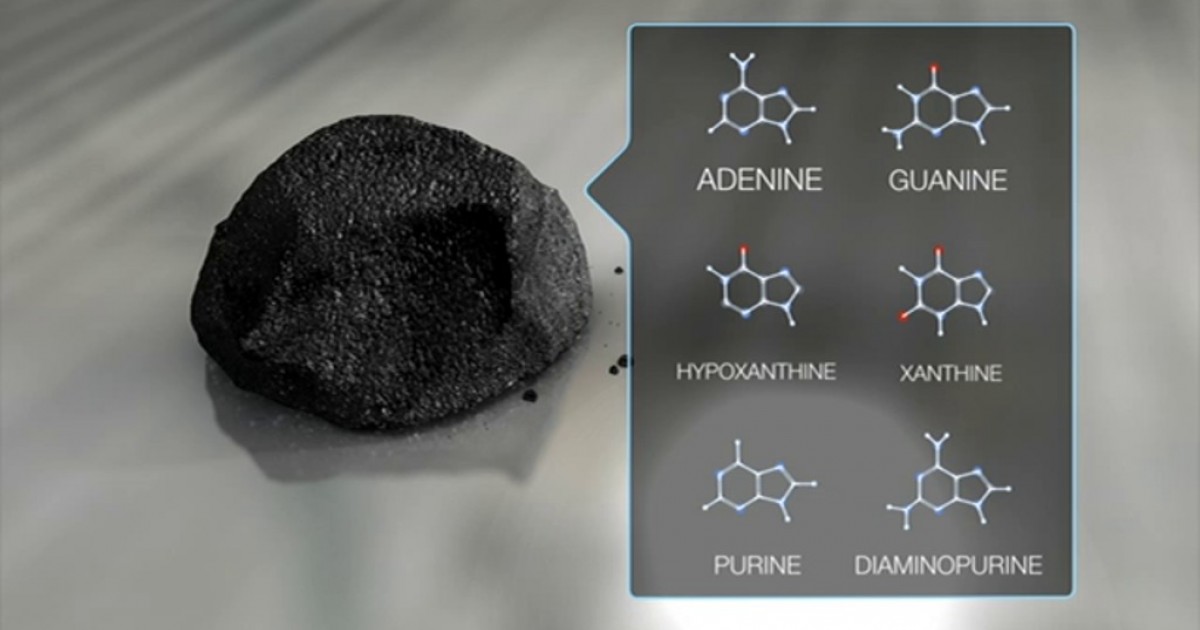
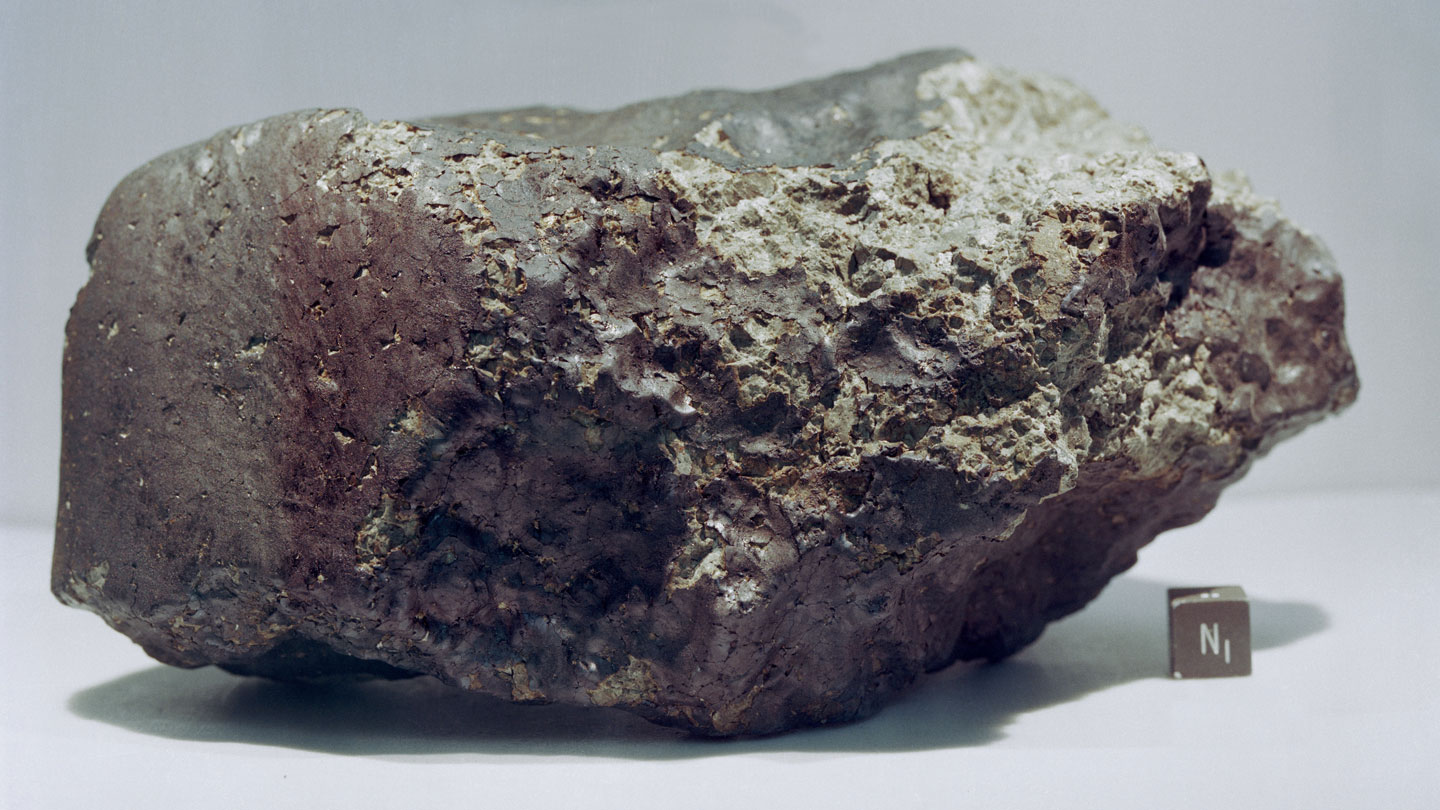
According to the researchers, they studied the space rocks that fell on Earth over the last century and found the five bases of DNA
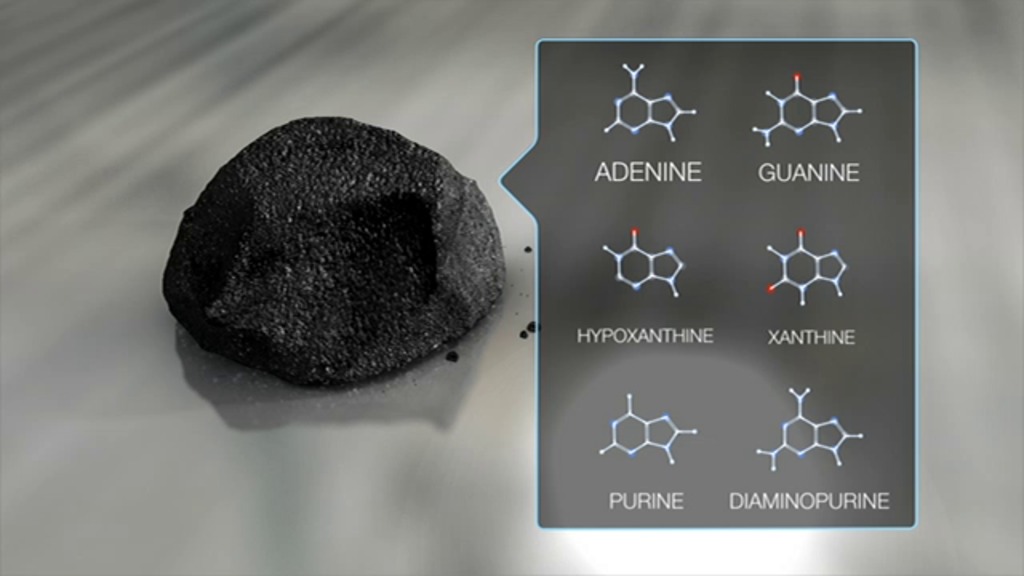
that are known for storing information in DNA and RNA. These “nucleobases” — adenine, guanine, cytosine, thymine and uracil — combine with sugars and phosphates to make up the genetic code of all life on Earth.
Scientists report April 26 in Nature Communications that the space rocks that fell to the Earth in the last century contain five bases that are known for storing information in the DNA and RNA.
These “nucleobases” — adenine, guanine, cytosine, thymine and uracil — combine with sugars and phosphates to make up the genetic code of all life on Earth.
It is still not known if these basic ingredients of life came from space first or if they were formed in a warm soup of earthly chemistry. However, this recent discovery suggests evidence that life started from space first.
Getty Images
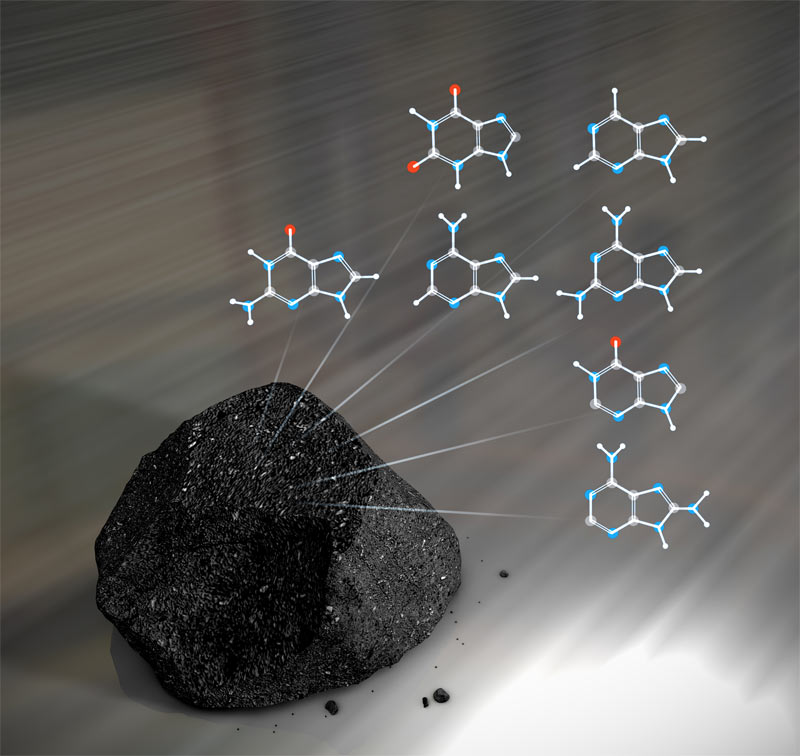
Researchers found evidence of adenine, guanine, and multiple other organic compounds in the meteorites since the 1960s (SN: 8/10/11, SN: 12/4/20). Scientists have additionally seen hints of uracil, but cytosine and thymine remained elusive, until now.
“We’ve completed the set of all the bases found in DNA and RNA and life on Earth, and they’re present in meteorites,” says astrochemist Daniel Glavin of NASA’s Goddard Space Flight Center in Greenbelt, Md.
Getty Images
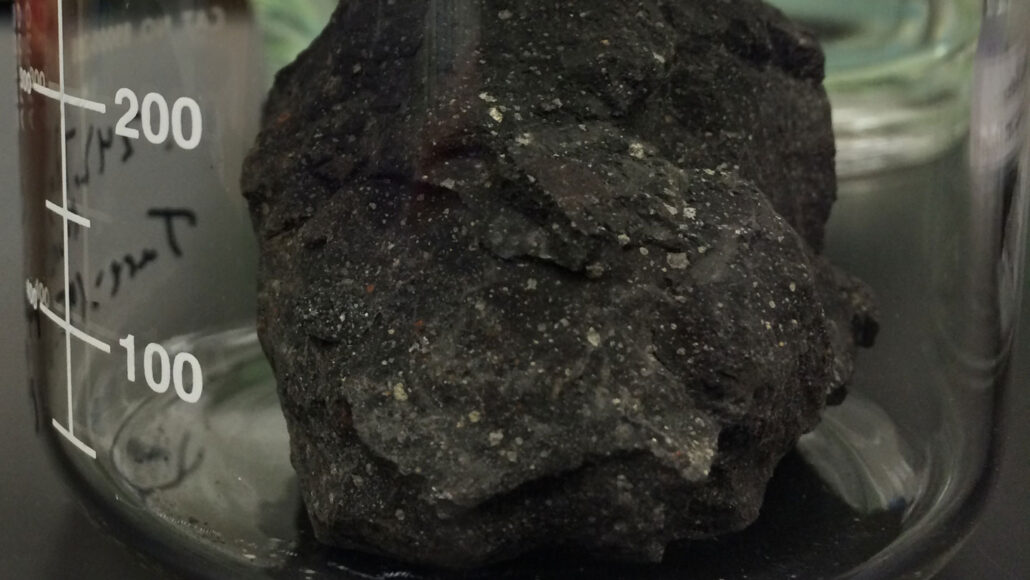
Only a few years back, geochemist Yasuhiro Oba of Hokkaido University in Sapporo, Japan, and colleagues discovered this technique in which they gently extracted and separated different chemical compounds in liquified meteorite dust to analyze them.
“Our detection method has orders of magnitude higher sensitivity than that applied in previous studies,” Oba says. Three years ago, the researchers used this same technique to discover ribose, a sugar needed for life, in three meteorites (SN: 11/22/19).
In the recent study, Oba and other colleagues joint forces with the astrochemists at NASA and analyzed one of those three meteorite samples and three additional ones, looking for another type of crucial ingredient for life: nucleobases.
Getty Images
The researchers believe their milder extraction technique, which uses cold water instead of the usual acid, keeps the compounds intact. “We’re finding this extraction approach is very amenable for these fragile nucleobases,” Glavin says. “It’s more like a cold brew, rather than making hot tea.”
Getty Images
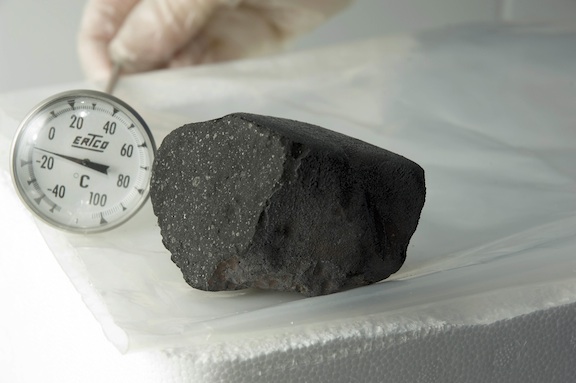
Using this technique, Glavin, Oba, and their colleagues measured the number of bases and other life-related compounds in four samples taken from meteorites that fell decades ago in Australia, Kentucky, and British Columbia.
The team detected and measured adenine, guanine, cytosine, uracil, and thymine, several compounds related to those bases, and a few amino acids in all four samples.
Copying this technique, the team then measured chemical abundances within the soil collected from the Australia site and then compared the measured meteorite values with that of the soil. For some detected compounds, the meteorite values were greater than the surrounding soil, which suggests that the compounds came to Earth in these rocks.
Getty Images
However, for other detected compounds, including cytosine and uracil, the soil abundances are as much as 20 times as high as in the meteorites. That could point to earthly contamination, says cosmochemist Michael Callahan of Boise State University in Idaho.
“I think [the researchers] positively identified these compounds,” Callahan says. But “they didn’t present enough compelling data to convince me that they’re truly extraterrestrial.” Callahan previously worked at NASA and collaborated with Glavin and others to measure organic materials in meteorites.
Getty Images
Apart from this, Galvin and his colleagues also pointed toward specific detected chemicals in order to support the hypothesis of an interplanetary origin. So based on the new analysis, the researchers measured more than a dozen other life-related compounds, including isomers of the nucleobases, Glavin says.
Isomers have the same chemical formulas as their associated bases, but their ingredients are organized differently. The team found some of those isomers in the meteorites but not in the soil. “If there had been contamination from the soil, we should have seen those isomers in the soil as well. And we didn’t,” he says.
Getty Images
It is suggested that the matter could be resolved by directly studying the source of such meteorites - pristine asteroids.
Oba and colleagues are already using their extraction technique on pieces from the surface of the asteroid Ryugu, which Japan’s Hayabusa2 mission brought to Earth in late 2020 (SN: 12/7/20). NASA’s OSIRIS-REx mission is expected to return in September 2023 with similar samples from the asteroid Bennu (SN: 1/15/19).
“We’re really excited about what stories those materials have to tell,” Glavin says.
Getty Images

