Beginning a weight-loss plan doesn't have to mean drastic changes. You don't need to live at the gym or subsist on crackers alone to get your eating and exercise on track. Instead, think of more realistic, sustainable changes you can make to your lifestyle. Sometimes small, simple adjustments can produce the biggest results. Consider these suggestions, and think about what other small changes might work for you.

Subtle Lifestyle Changes That Will Help You Shed The Pounds Fast
By
Editorial Staff in
Health and Fitness
On 11th December 2017
advertisement
Try Eating Breakfast Every Day
Eating breakfast may assist you with your weight maintenance goals. Breakfast eaters tend to have healthier habits overall, such as exercising more and consuming more fiber and micronutrients. Furthermore, eating breakfast is one of the most common behaviors reported by individuals who are successful at maintaining weight loss. One study found that 78% of 2,959 people who maintained a 30-pound (14 kg) weight loss for at least one year reported eating breakfast every day. However, while people who eat breakfast seem to be very successful at maintaining weight loss, the evidence is mixed.
Studies do not show that skipping breakfast automatically leads to weight gain or worse eating habits. In fact, skipping breakfast may even help some people achieve their weight loss and weight maintenance goals. This may be one of the things that come down to the individual. If you feel that eating breakfast helps you stick to your goals, then you definitely should eat it. But if you don't like eating breakfast or are not hungry in the morning, there is no harm in skipping it.

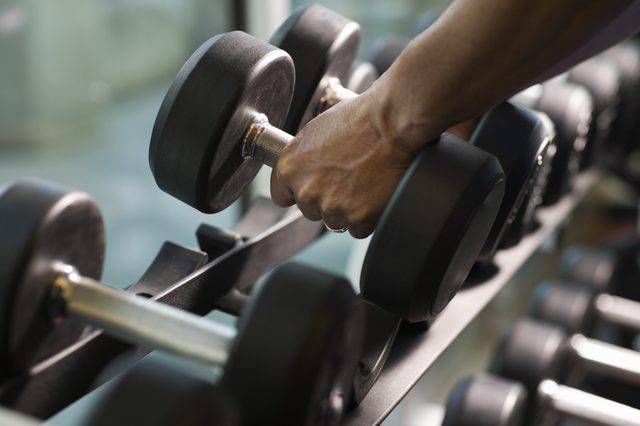
Lose weight by lifting weights
For many, it's hard to get to the gym every day. While there are plenty of other things you can do to lose weight, lifting weights remains one of the oldest and most stable methods of fat burning and weight loss. Remember, twice a week is still a hell of a lot better than zero times a week.
advertisement
Eat your food sitting down at a table, and from a plate
Food eaten out of packages and while standing is forgettable. You can wind up eating lots more than if you sit down and consciously enjoy your meals.

Close the Kitchen at Night
Establish a time when you will stop eating so you won't give in to the late-night munchies or mindless snacking while watching television. Have a cup of tea, suck on a piece of hard candy or enjoy a small bowl of light ice cream or frozen yogurt if you want something sweet after dinner, but then brush your teeth so you will be less likely to eat or drink anything else.
advertisement
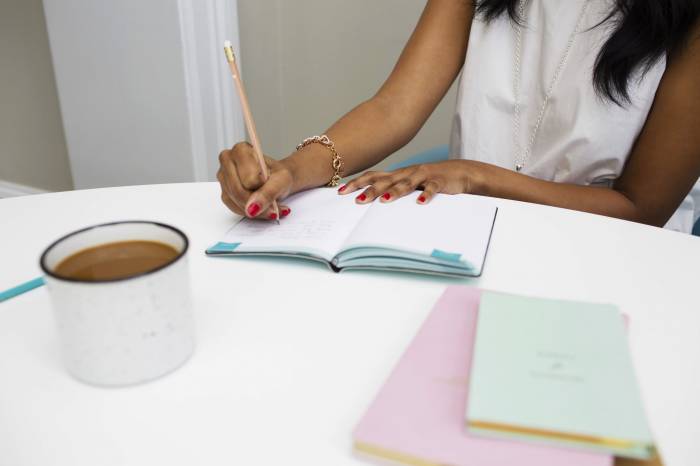
Pick up a pen
Mindlessly munching on a bag of chips could result in easily polishing off the whole thing; write down how much you've eaten and you're more likely to practice portion control—and see how to lose weight fast. Keeping a food log helps control extra calories in two ways: the combination of plain old reality check (I just ate 30 minutes ago!) and awareness that what you're putting in your mouth will soon be recorded for posterity. In a recent study, people who kept a food journal lost twice as much weight as those who didn't. When they combined it with a moderate diet and exercise plan, they lost an average of 13 pounds in 6 months. Journaling also gives you insight on your eating habits. Do you skip meals? Eat the same during the week as on the weekend? Binge when you're feeling stressed? Knowing your routine helps you figure out what changes are right for you.
advertisement
Rely on smaller plates
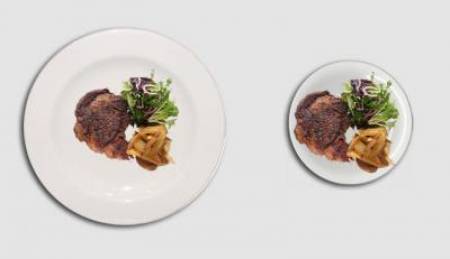
If you look at the same amount of food on a little plate vs. a large one, your eyes might convince you there's more deliciousness on the smaller dish. This is due to what's known as the Delboeuf illusion, which shows that surrounding something in a lot of white space can make it look smaller. Even if you're not eating much, cutting back on the amount of plate space around your food can trick your brain into thinking it's a bigger portion than it really is, whereas doing the opposite may stoke your hunger by making you think you only ate a bit.
advertisement
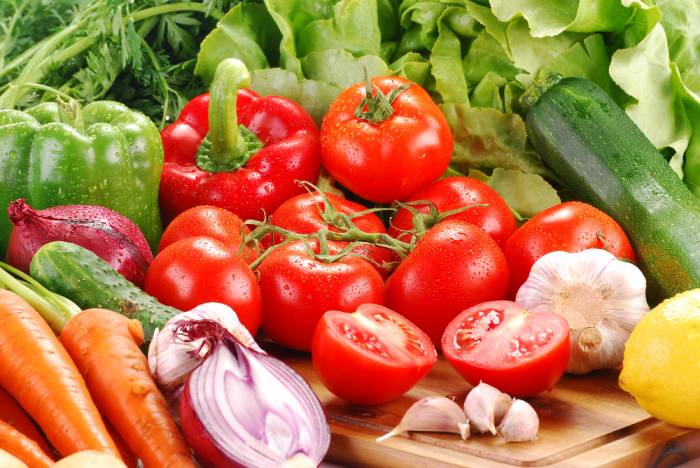
Eat Your Veggies First
Everyone eats their meals differently. Some of you may mix your food, some people may care about the order in which they eat the food on their plate. If you are looking to keep weight off, you should eat your vegetables first. This is going to keep you from overeating during your meal. The veggies give you that satiated feeling faster than other foods that are on your plate. Again, being low in calories, you are only going to benefit from this. Not overeating will keep your calorie intake low which is something that allows you to drop pounds faster.
advertisement
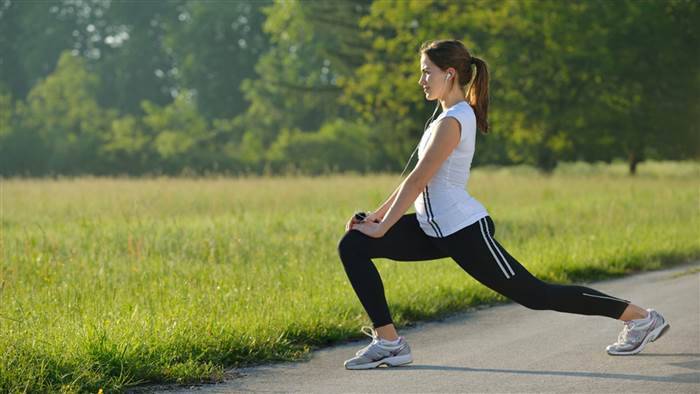
Move more
All exercise helps. The key is to do what you enjoy and follow an exercise program you can stick with. You do not have to spend thousands of dollars on a fancy gym. Lifestyle activities also add up. For example, take the stairs and walk around the block at lunch. I also advise taking advantage of different exercises you enjoy during the different seasons: swimming outdoors in the summer, taking a walk on the beach, and skiing in winter. The key is to follow an exercise program that you can stick with for the long haul.
advertisement
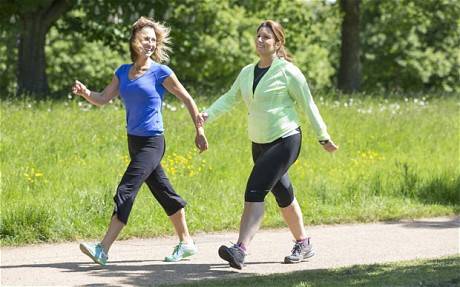
Walk at Lunch
Instead of standing in line at a fast food joint or spending your lunch hour at a restaurant, why not eat a healthy lunch and then go for a walk? You can save a lot of money by bringing lunch to work instead of buying food every day, and you can make much healthier, low-calorie choices. If your lunch break is short, eat and walk at the same time. Pack a sandwich, an apple, and carrot sticks, all of which are easy to eat while walking.
advertisement
Sleep is a must
Get to bed one hour earlier, and see one pound less on your scales after a week. Research recently conducted by the University of Pennsylvania proved that people deprived of sleep for several nights gained weight almost immediately; the well-rested group showed excellent weight loss results. It will certainly be hard to discipline yourself, but the result is so worth it.