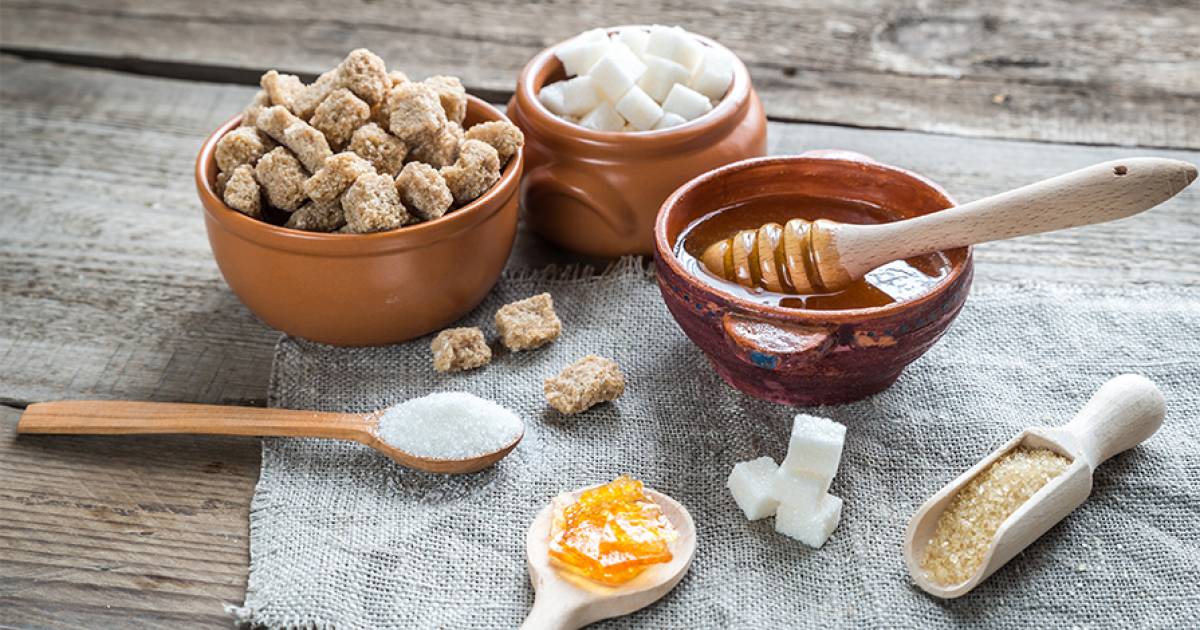
The white table sugar we all know and readily recognize is a refined and processed mix of glucose and fructose, called sucrose, that comes mainly from sugarcane. It barely resembles a plant-based food any longer and has been stripped of all nutrients. High fructose corn syrup is another problem that has been refined and stripped of any nutritional value. It’s cheaper to produce than sucrose so this sweetener has made its way into more and more processed foods, even savory ones, as a way to make them taste better. We don’t have to settle for table sugar or overly processed corn syrup any longer, but we do need to know more about the natural sweeteners that have cropped up. Not all of them are as healthy as they seem.
Sugar Substitutes That’ll Save Your Health
By
Editorial Staff in
Health and Fitness
On 18th August 2017
advertisement
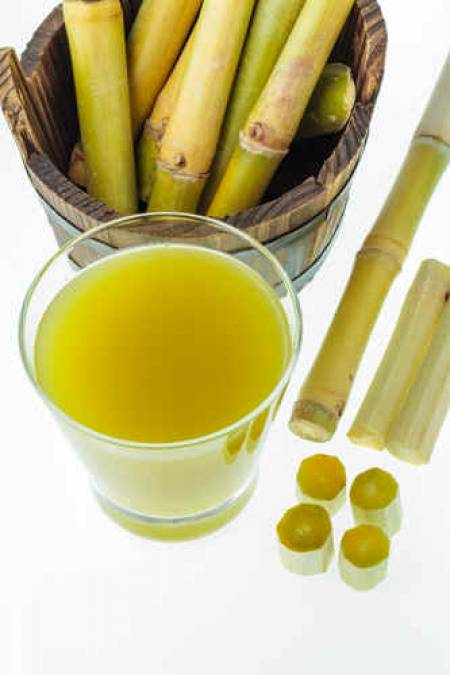
#1 Evaporated Cane Juice
This is less refined than sugar, pretty much just the cane juice with the water content removed. This means it still contains minerals, vitamins, and plant material that make it a better choice. Use it in moderation though. It is still very high on the glycemic index.
#2 Agave Syrup
Sap from the leaves of the blue agave plant, which is boiled down
It’s intensely sweet, so you don’t need as much as sugar.
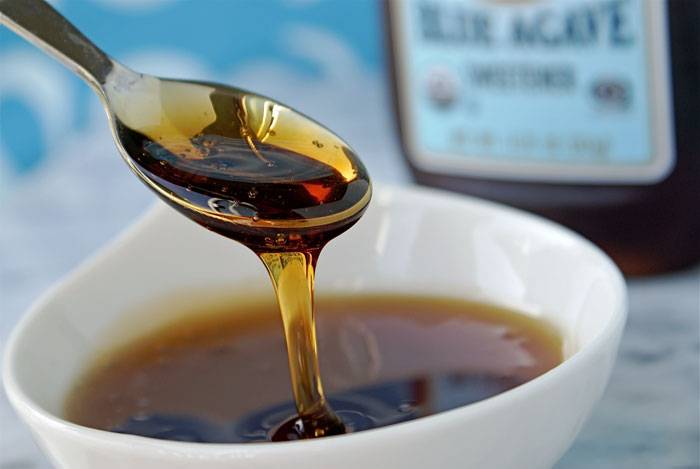
It has an extremely high fructose content — 75 to 90 percent, which is even more than that of the dreaded high fructose corn syrup — meaning it doesn’t metabolize well, and therefore raises blood sugar levels.
advertisement
#3 Date Sugar
Created from dehydrated, ground dates, it goes through minimal processing and tastes slightly sweeter than white sugar and therefore less needs to be used.
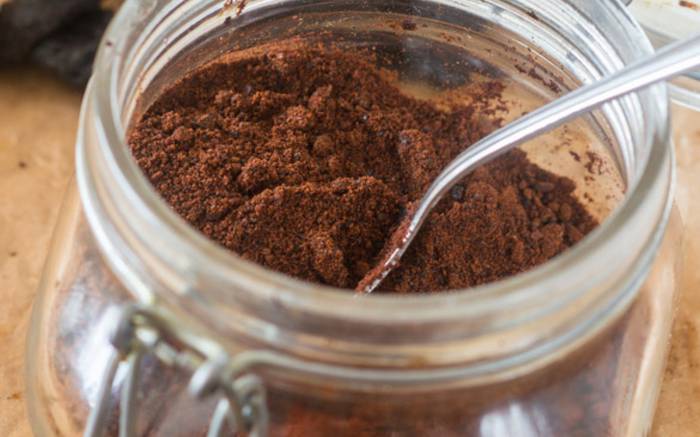
Crammed with fibre, vitamins, and with energy-boosting qualities, the slightly thicker consistency makes it great for use in baking.
Since it doesn't melt, the brown powder can't be used as a direct alternative for sugar; so don't think about stirring it into a tea or coffee.
#4 Molasses
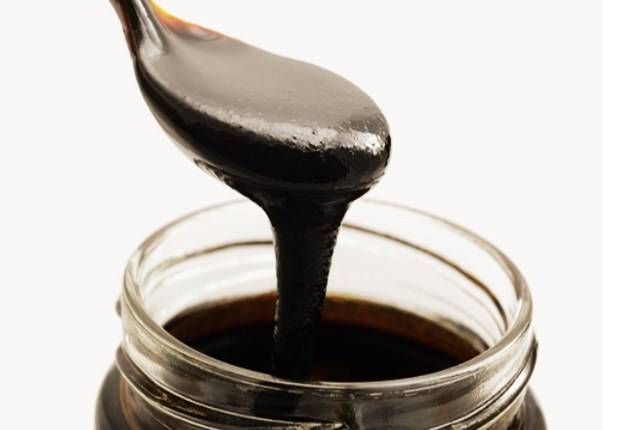
Molasses is what’s left over during the process of refining of sugar cane into white sugar. Molasses is perhaps the most nutrient rich of all sweeteners, providing a significant amount of calcium, iron, magnesium, potassium and vitamin B6.
advertisement
#5 Pure maple syrup
Nope, not the kind with the bottle shaped like a jolly old woman. That’s not real maple syrup — check the ingredient list an you’ll see it’s mostly high fructose corn syrup with some artificial colorings, flavors, and sweeteners.
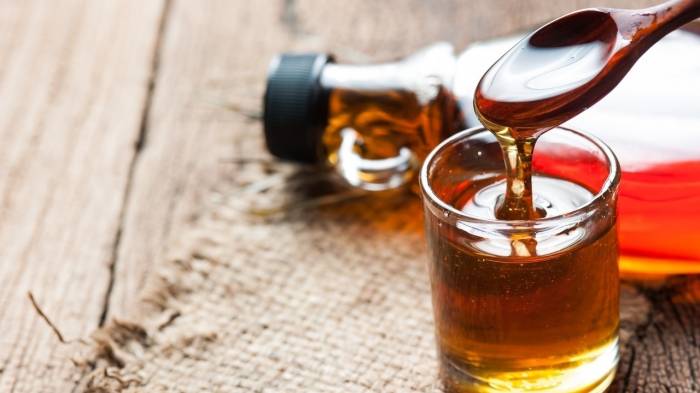
Pure maple syrup, on the other hand, contains only evaporated maple tree sap. It is high in manganese and zinc: 100 grams of syrup provides 22% and 3.7% of their RDVs respectively. Manganese is necessary for several enzymes that are needed for energy production and antioxidant defenses. Zinc is essential for optimal immune system function. Deficiencies of either may lower white blood cell counts and reduce immune system responses.
advertisement
#6 Brown Rice Syrup
Made from boiling brown rice, the syrup is gluten and wheat free. More suitable for cooking than adding to tea, it can also be used as a condiment and drizzled over pancakes or porridge. It has a slightly butterscotch flavour to it.
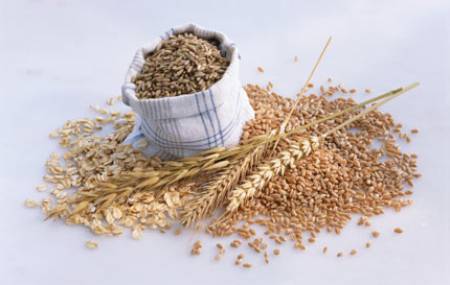
Although more heavily processed than some of the others on this list, it does transfer many of the benefits of brown rice to the eater (and without the 25-minute cooking time).
advertisement
#7 Raw Honey
Raw honey is not only all-natural, but it contains antibacterial properties, especially in the darker varieties. Studies have also shown that people who consumed honey instead of sugar showed a reduction in both their body weight and fat.
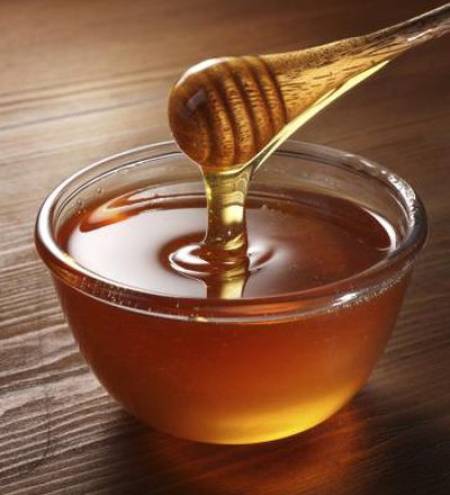
It also has a molecular structure that resembles glucose, making it easy for the body to digest.
advertisement
#8 Stevia
Sweetener that you should really consider using on a regular basis — and this is especially good if you have blood sugar issues, if you’re overweight or if you have diabetes — is stevia. Stevia is a no-calorie, all-natural sweetener that comes from the leaf of a flowering plant.
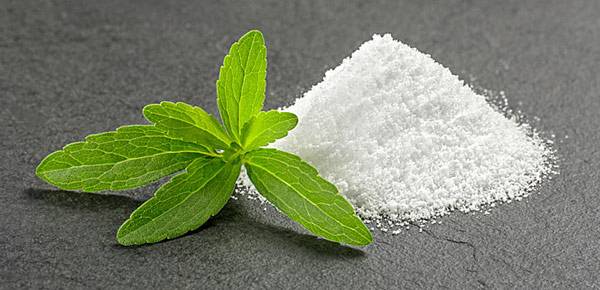
There are many types of stevia. Ideally, you should get full, green leaf stevia. Another form of stevia that’s suitable is stevia that’s just ground and part of it is extracted.The great thing about stevia is there’s no sugar involved at all, making it truly one of the best sugar substitutes around. So if you have diabetes or blood sugar issues, or are looking to lose weight fast, this is a great no-carbohydrate solution.
In fact, a study published in the Journal of Dietary Supplements performed on diabetic rats found stevia improved diabetic symptoms and insulin reactions after 30 days of stevia consumption.
advertisement
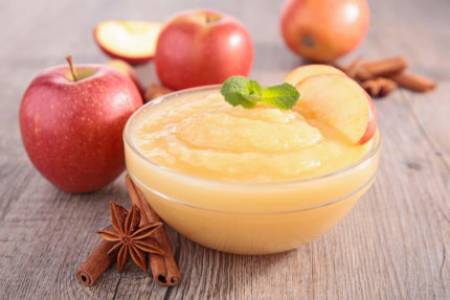
#9 Applesauce
Instead of a half-cup white sugar in a batch of oatmeal cookies, swap in an equal amount of applesauce! The natural sweetness from a Golden Delicious or Fuji apple is perfect in an after-dinner treat. Purchase the no sugar-added kind, or make some at home.
advertisement
#10 High-fructose corn syrup
This hotly debated sweetener contains the sugars fructose and glucose from processed corn syrup.Because it's cheaper than sucrose and gives products a longer shelf life, more packaged foods in the U.S.—especially soda, cereal, and yogurt—contain HFCS as added sugar instead of sucrose.
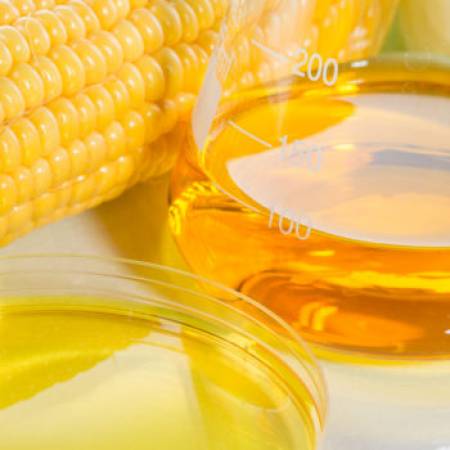
Some studies say beverages sweetened with HFCS contribute to obesity more than sucrose, but others show it’s no worse for health. It’s best to limit your consumption.
advertisement
#11 Coconut Sugar
Coconut sugar is extracted from the sap of the coconut plant.
It contains a few nutrients, including iron, zinc, calcium and potassium, as well as antioxidants.
It also has a lower glycemic index than sugar, which may be partly due to its inulin content. Inulin is a type of fiber that has been shown to slow glucose absorption .
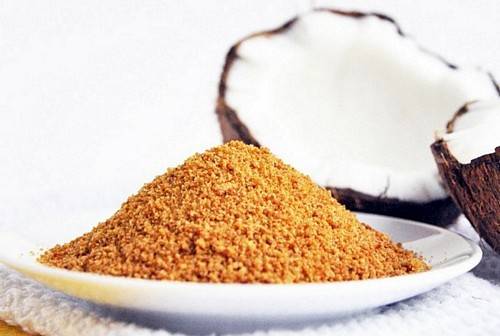
Nevertheless, coconut sugar is still very high in calories, containing the same number of calories per serving as regular sugar.
It's also very high in fructose, which is the main reason why regular sugar is so unhealthy in the first place.
At the end of the day, coconut sugar is very similar to regular table sugar and should be used sparingly.
advertisement
#12 Cranberries
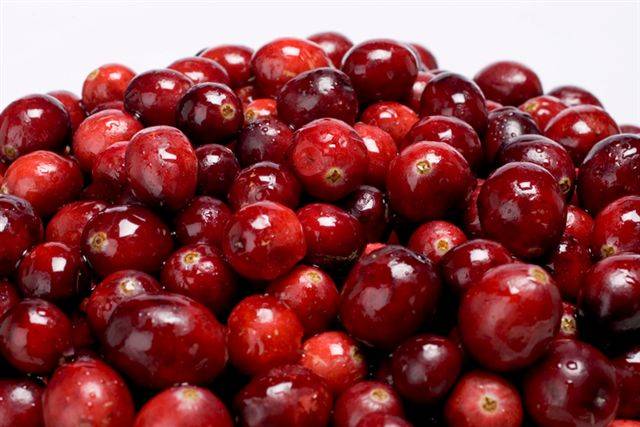
Skip the cup of sugar and add cranberries to a batch of muffins or scones. These little tart treats add a dose of antioxidants refined sugar can’t offer.