MONEY! You spend it, you save it, and you crave it, but did you know these cool facts about US money?
advertisement
#1 Americans And Debt
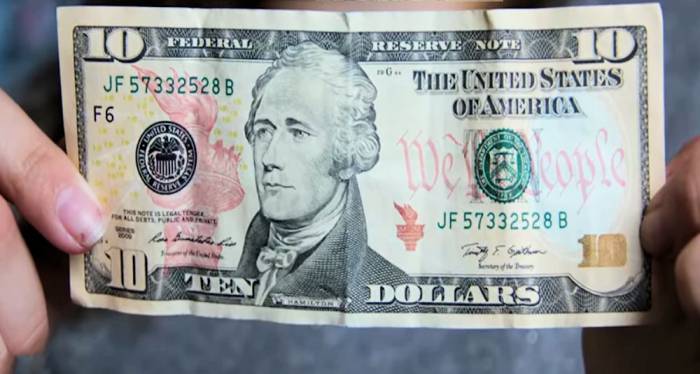
If you have $10 in your pocket and no debts, you are wealthier than 25% of Americans. Last year, Credit Suisse released a report revealing just how poor people are, especially in the United States where debt runs rampant. Mostly, it's young people who are deep in debt because they graduate from college with massive student loans. And there's a disturbing trend of buying things people can't afford just to impress other people.
#2 The Walton Family
As if this weren't nerve-racking enough: 6 members of the Walton family, who own the Walmart fortune, are wealthier than 30% of Americans today. That means that these 6 people have more money between them than all the money combined of approximately 94.2 million people in the US today.

advertisement
#3 Why Green?
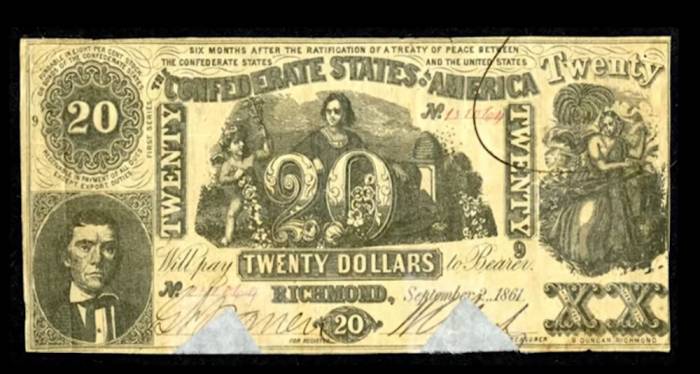
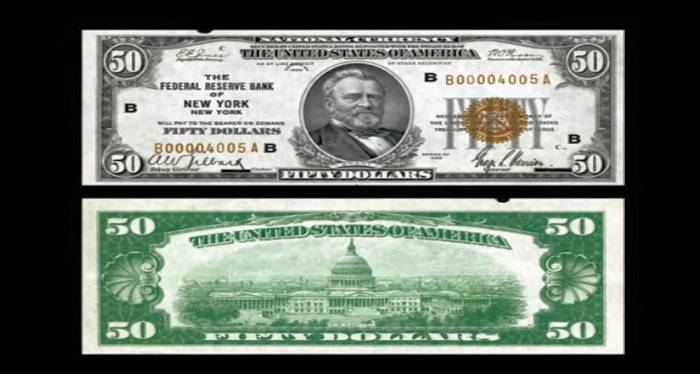
In 1861 the federal government began issuing paper money to help finance the American Civil War. These new bills became known as greenbacks because the back side was printed in green ink. It was a way to prevent people with cameras from counterfeiting black and white bills.
#4 The Official Color
In 1929 it was made official. Bills would be green! Green pigment was readily available in large quantities and the color was very resistant to chemical and physical changes. People also tend to psychologically identify the color green with the strong and stable credit of the Government. Since then, other colors have been added to US currency to make it more difficult to counterfeit.
advertisement
#5 Cocaine
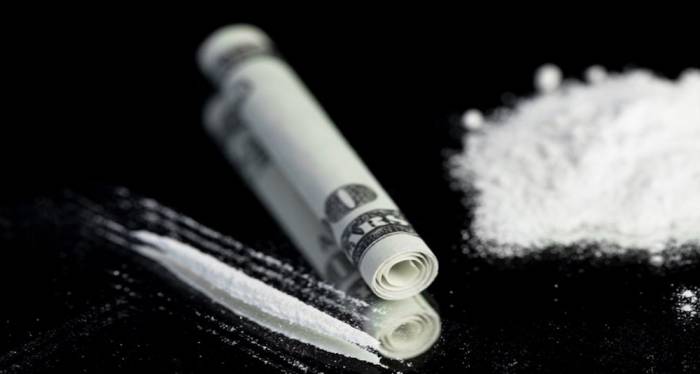
Four out of every 5 bills in circulation is tainted with cocaine. That doesn't mean someone recently used that bill to snort a line of coke or it was used to smuggle by the cartel. The reason behind this is that the powder is so fine that it can easily spread from one bill to another when just one contaminated bill is passed through an ATM or a counting machine at the bank. Almost every ATM passes as positive for cocaine, so therefore, most money coming through is also contaminated with the drug.
advertisement
#6 Only 8% Of The World’s Currency Is Actual Physical Money
Our world is becoming more and more digital by the day. Only 8% of all money around the world is actual physical cash. The rest is digital money that exists only on computers. Money is only a representation of value so it's easy for money to be nothing but a series of ones and zeroes, used online or transferred via online accounts. How often have you bought something on Amazon and never actually touched the cash you used in the exchange? This digital existence of currency makes up the vast majority of all money around the world today.

advertisement
#7 North Korea Is The Biggest Counterfeiter Of US Currency
They began counterfeiting US bills in the 1970s and may still be doing so. Their efforts went undetected for over a decade until a bank teller in Manilla found a suspicious $100 bill and turned it over to officials. Officials were shocked that North Korea had mastered the art of counterfeiting US bills, specializing in creating perfect replicas of the 50 and 100 dollar bills.

advertisement
#8 The Created Super Bills In Room 39
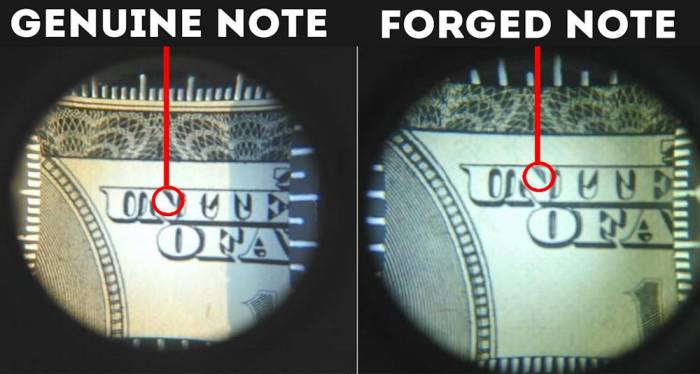
The Korean fake bills were so perfect that it wasn't until 1988 that South Korean intelligence confirmed that the North had been responsible for the scam that lasted for so long. The level of perfection in the fake money caused them to be known as 'super dollars' and were only able to be found as fraudulent with special equipment at the Federal Reserve. Only three cases of the counterfeit super dollars have been reported since 2005, but there seems to be some suspicious activity coming out of room 39 at the secretive North Korean organization that looks for ways to maintain the currency and keep Kim Jong-Un in power.
advertisement
#9 Almost Every Bill Is Contaminated With Bacteria
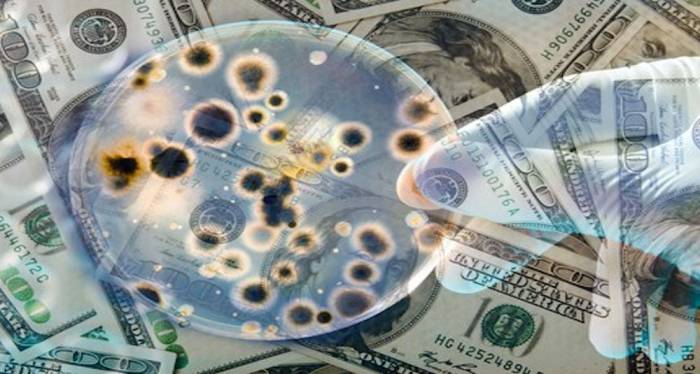
In 2002 researchers at the Wright-Patterson Air Force Base in Ohio found that 94% of bills they tested were contaminated with bacteria. Most of it benign. However, before you breathe a sigh of relief, they found that 7% harbored dangerous pathogens that could cause pneumonia, strep throat, and skin and other infections. Other experiments have found the fecal bacteria E. Coli.
It should also be noted that the flu virus, which can normally survive outside the human body for a period of only 48 hours, can actually live on a dollar bill for over 10 days. Remember that the next time someone sniffling hands you a dollar.
advertisement
#10 Slug Repellent
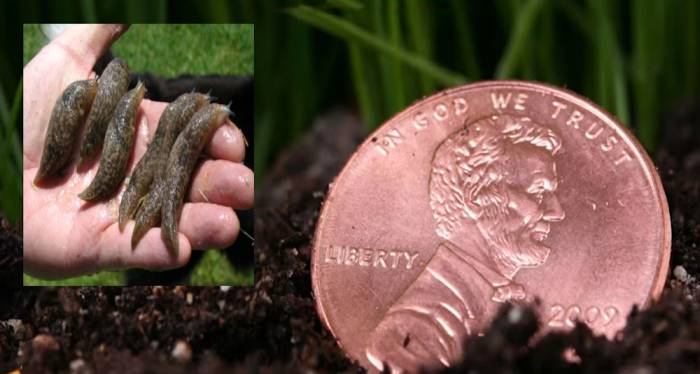
Pennies act as a mild repellant for slugs. For those of you that are facing this problem, apparently copper is toxic to slugs and they actually receive electric shocks from touching copper and zinc. Modern pennies are mostly zinc with a thin copper coating. Experiments involving copper and slugs found that the slugs chose to avoid the copper whenever they could. If the slug really, if it really wanted to cross the copper barrier it would. I'm not sure how scientific this is or what would make a slug really, really want to do something or not, but now you know what to do with all those pennies you find laying around.
advertisement
#11 Dancing Liberty Bell
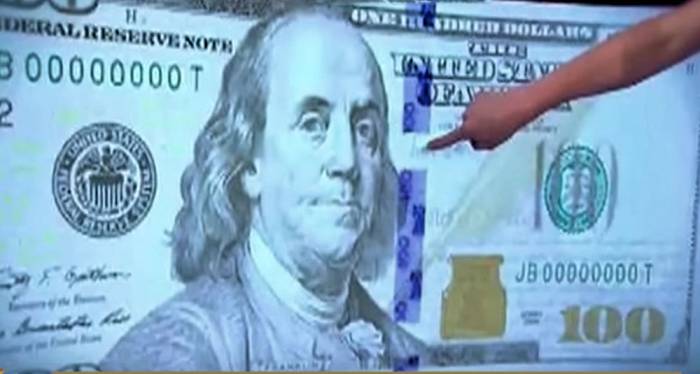
The blue ribbon woven through the new $100 dollar bill contains 650,000 micro lenses that creates an illusion of a dancing, 3D Liberty Bell appear. This was done to make duplication difficult, verification easier, and to discourage counterfeiters in general. Another safety measure in the new bill was Nano Ink in the blue ribbon. Nano Ink, owned by the same company that supplies the Federal Reserve with the paper to make our currency, was used with the idea that counterfeiters would have a hard time getting it. Unfortunately, anyone can look up the patent for Nano Ink and learn how to make it themselves.
advertisement
#12 Why Coins Have Edges
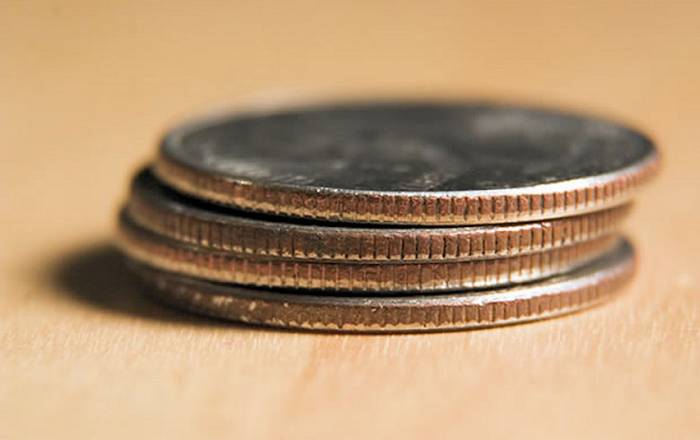
According to the US Mint, There is a reason why coins have edges. When American coins were first made, the quarter, dime, dollar, and half-dollar were made partially from precious metals like silver and gold. A special reeded edge was added to the coins to protect them. Before the new edges, people who needed money would file down the sides of coins to try to collect bits of the precious metal inside to sell at market value. Coins no longer contain any precious metals but the ridges remain to aid blind people in distinguishing one coin from another.
#13 The Cost Of Making Money
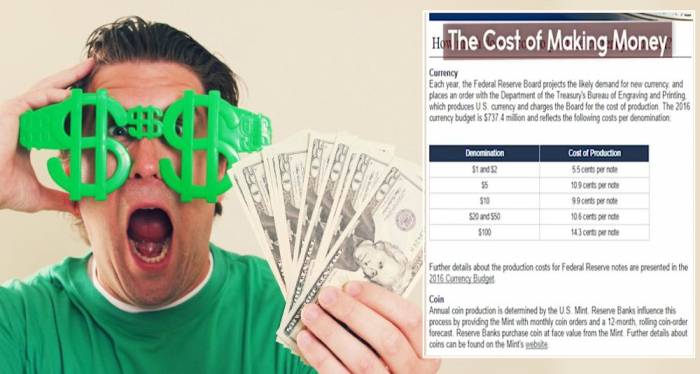
There are over 1.5 TRILLION dollars in coins and paper money in circulation in the United States. It costs 5 cents to produce every one dollar bill and about 13 cents to make a one-hundred dollar bill, the highest denomination currently in circulation. The US Mint cut the cost of making a penny by nearly a third over the past few years but a penny still costs more than a cent to produce. It actually costs 1.7 cents to make one penny. The mint could save 53 million dollars by discontinuing the penny and almost 70 million by ditching both the penny and nickel. The life span of a one dollar bill is about six years, and a $100 bill usually stays in circulation for about ten years.
advertisement
#14 The Dollar Coin
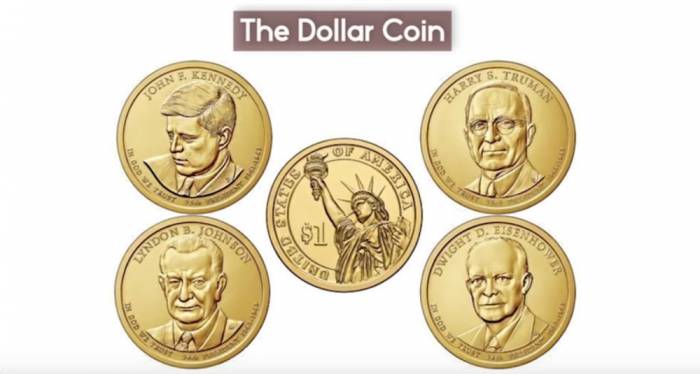
If the US switched from paper money to coins it would save $1.7 million every year. The US technically already has a dollar coin, but when the Sacajawea coin came out people decided it was a collectible and saved it instead of spending it. It was the same size as a quarter, which people found confusing. In 2005 Congress created a new series of one dollar coins, featuring the presidents in a series to be released yearly. The idea is a flop because Congress refuses to get rid of paper bills. The state quarters are popular, however, experts predict that all coins will be discontinued within 14 years.
#15 Paper Money Isn't Actually Paper
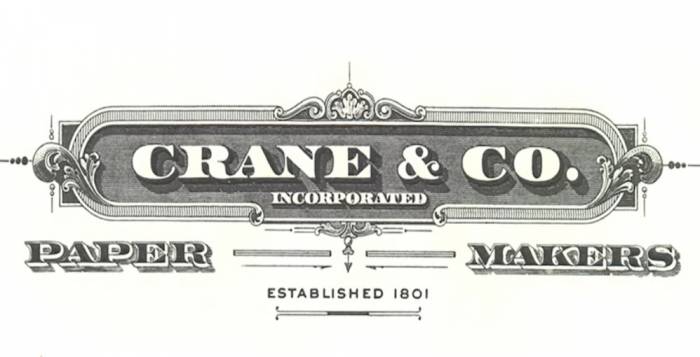
It's true that money doesn't grow on trees, but did you know that trees are not involved in the money making process at all? Today's money is made from a cotton and linen fiber, 75% cotton and 25% linen, though it is still referred to as paper. The Bureau Of Engraving & Printing has used the same cotton fiber from the Crane & Company since 1879. Fluorescent security threads, watermarks, colorings, and security markings, are already woven into the fabric before the money is printed on it. This process creates the distinctive look and feel of American currency.
advertisement
#16 Super Printing
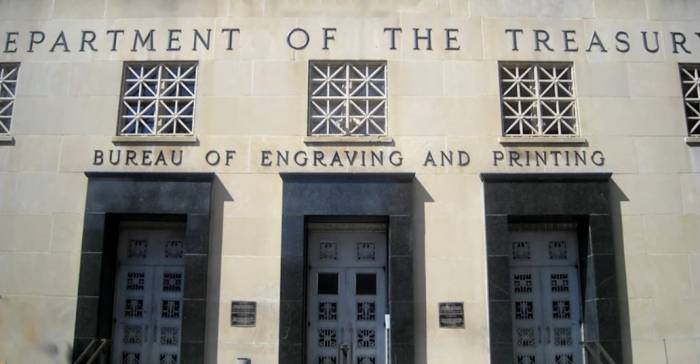
In 2001 the Bureau Of Engraving And Printing printed 26 million notes every single day. The presses are capable of printing eight colors on each side of the paper, and it holds 20,000 sheets and prints 32 bills per sheet. This KBA press is capable of creating up to 10,000 sheets per hour. The prints are made from original handmade engravings, making US bank notes the finest bills being created in the world. Engravers at the bureau have an intense 10-year training at the department before being given their jobs and allowed to engrave actual notes.
#17
Thi highest denomination of bill ever printed in the United States was the $100,000.00 note which was an interbank and trading note. Since 1999 the highest denomination printed is the $100 note.The note produced the most is the one dollar bill. However, people prefer to carry a $20 over any bill.