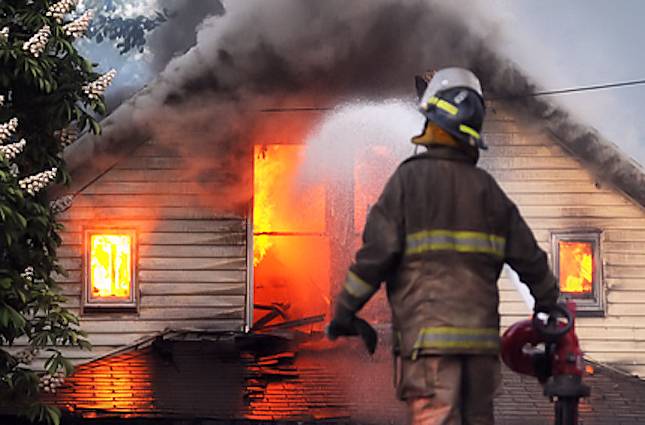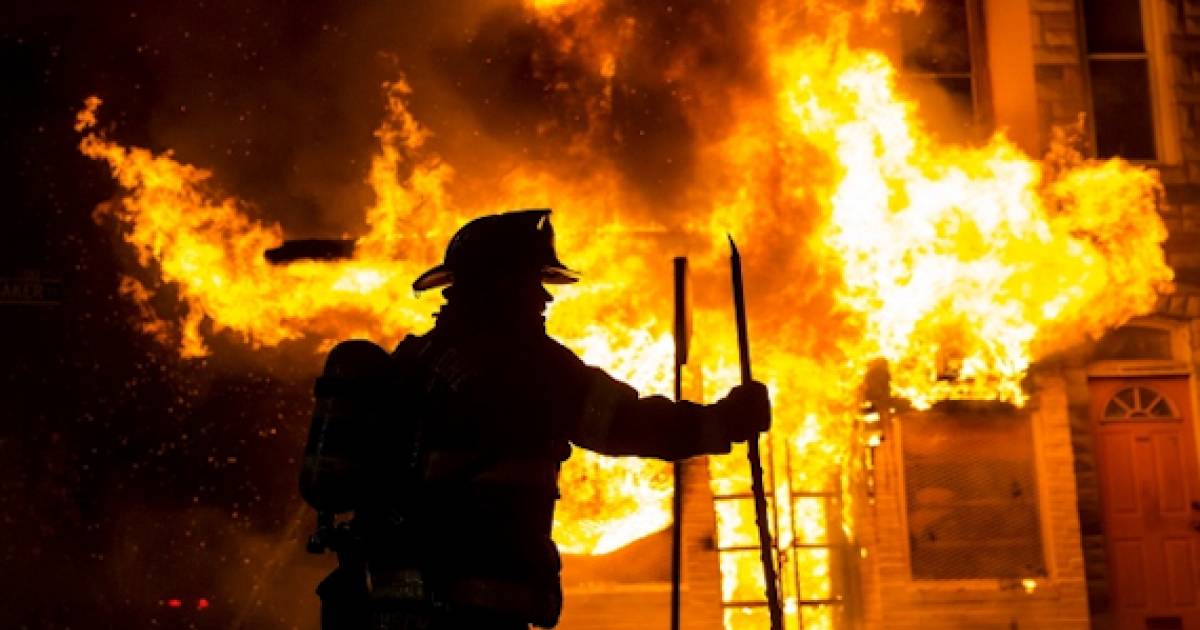
Everyone knows that firefighters are our unspoken heroes. Firefighters risk their lives under horrific circumstances continuously and every day over 70 firefighters die in the line of duty. But the history of the firefighter is full of interesting surprises.
advertisement
#1 The Firefighter
Firefighters, the men, and women who risk their lives each day to keep us safe and fire-free. We all know how brave and daring they are, risking everything to save our homes, pets, environment, and lives. But unless you work in the field, you probably didn't know some of these facts about firefighters that highlight the sacrifices they make for their communities. Some things may surprise you, and some may just show you how far the firefighter has come in our history.
#2 Benjamin Franklin's Volunteers
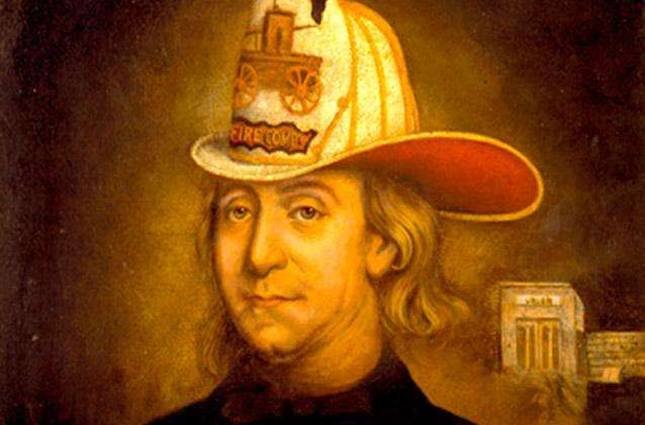
The very first fire department was established and organized in Boston, Massachusettes in 1678, and the firemen were paid wages by the city. In 1736, Benjamin Franklin made a breakthrough by having the first all-volunteer firefighting service in Philadelphia, PA. The firefighters were known as the Union Fire Company or sometimes Benjamin Franklin's Bucket Brigade. Thomas Jefferson, George Washington, and Samuel Adams were all volunteer firemen.
advertisement
#3 First Female Firefighter
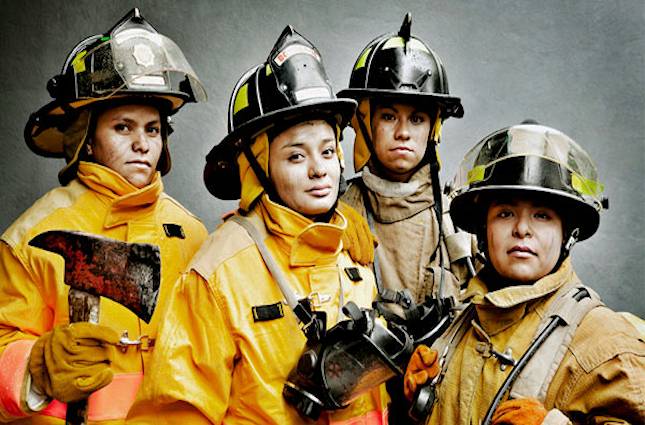
The first woman to become a firefighter was Molly Williams who was signed on as part of the New York City Fire Department in 1815. She was also the first black American to become a firefighter as well, which meant her only job was cooking for the men on the job. During the influenza epidemic in 1818, almost every fireman was out sick, which allowed Molly to basically run the city fire department on her own, hauling equipment and the fire pump to emergencies. Men still dominate the field (just under 4% of firefighters are women), but the number of women firefighters is increasing and there are even all female departments in California and Texas.
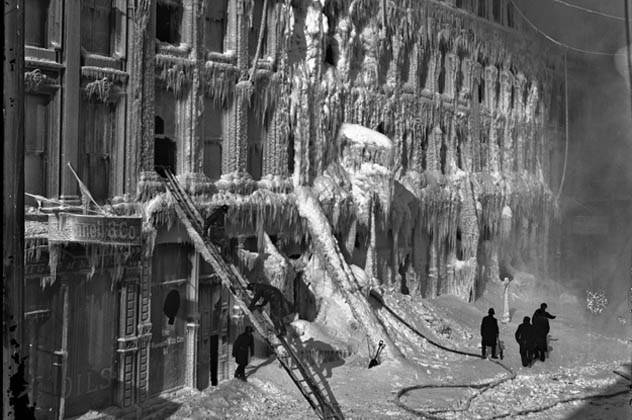
#4 Gender Discrimination
Despite the fact that women entered the fire department far earlier than they did the military or the police force, the US firefighters have extreme issues with gender bias since the very beginning. Women today still face many hurdles to becoming full-time firefighters, such as equipment that doesn't fit feminine curves correctly and a lack of facilities for women to shower without having to endure male locker-room talk. Many female fighters must cook, clean, and even perform the duties while on the job that are normally thought to be female work. A study showed that 70% of female firefighters faces sexual harassment while on the job as well.
advertisement
#5 Most Are Volunteers
Most firefighters have other jobs besides using their free time keeping the community safe. Of the more than 1 million firefighters in the nation, 73% are volunteers. Many fire stations use both volunteer and career firefighters to serve the community, and there are only about 2,100 career-only stations of the 30,600 stations in the country. Most little towns and villages are totally 'volunteer' at their stations which serve only that community. But just because a firefighter is unpaid or works only part-time does not mean they don't do the same work. They go through the same rigorous training and die in the line of duty just as frequently as those who fight fire full time in paid positions.
advertisement
#6 A Dangerous Profession
Surprisingly, the top killer of on-duty firefighters is heart attacks. In fact, more than 45% of firefighters who die while on duty die from heart disease. This is due to the stress of dealing with life-threatening situations. If a fighter already has underlying heart issues like high cholesterol or high blood pressure, they put themselves at risk every time they respond to a life-threatening emergency. If the increased risk of heart attack wasn't bad enough, firefighters are also twice as likely to get cancer than the average person. Buildings are constructed with a lot of chemicals, some very dangerous. When on fire, they often emit dangerous chemicals like formaldehyde or sulfur dioxide which can get into the lungs and absorbed through the skin.
advertisement
#7 First Responders To 9/11
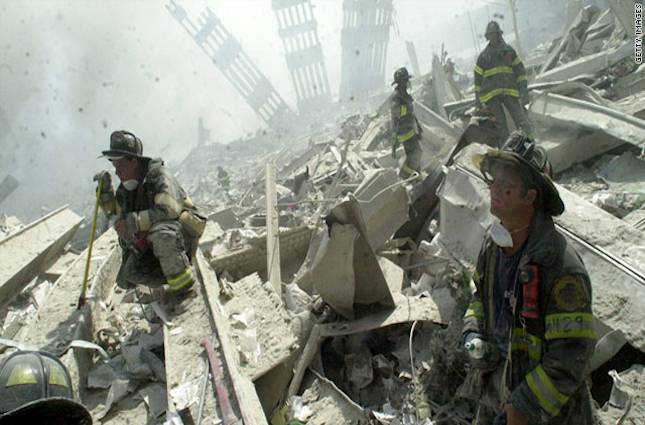
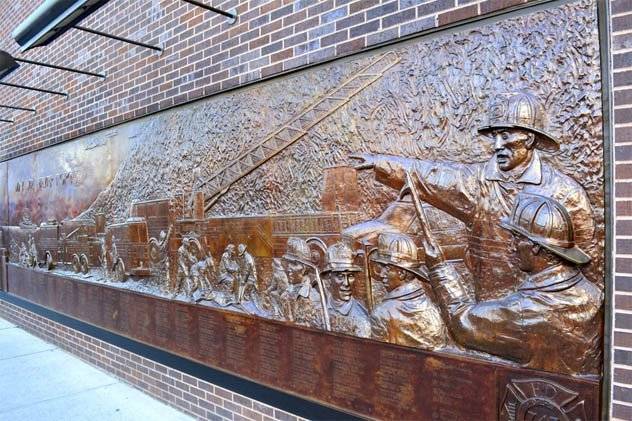
The first responders to the September 11, 2001, attacks on the World Trade Center were supposed to receive medical coverage for life under the Zadroga Act. However, during the budget talks in the summer of 2015, government officials debated stopping this coverage after the initial funding ran out. After an outcry from the media and the public, the funding was fully restored, giving coverage to 9/11 first responders for their Ground Zero-related health issues for the next 75 years. President Obama signed the act into law in December of 2015.
advertisement
#8 Smoke Jumpers
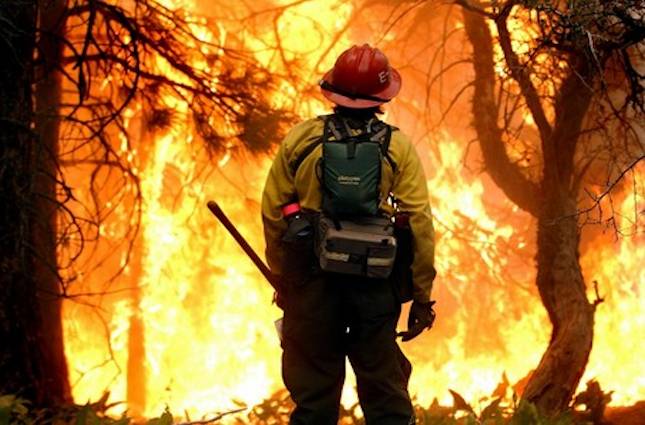
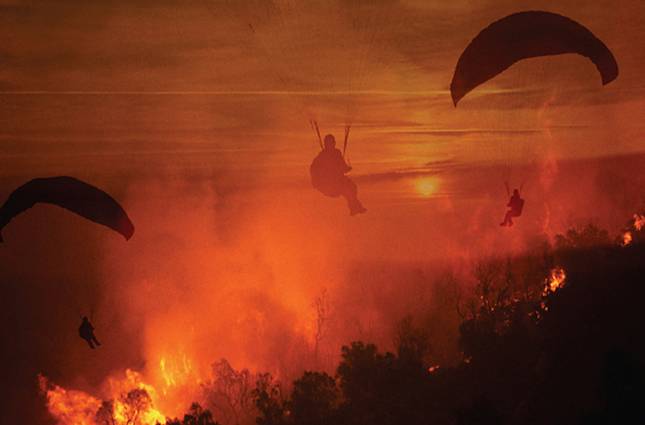
Two of the most harrowing experiences anyone could ever endure, smoke jumpers combine skydiving with firefighting. Because it was a more efficient and costly way to get people and equipment to a blaze, smoke jumping began in 1939 in the Pacific Northwest region of North America. During WWII the program also became an organization known for putting conscientious objectors to work fighting fires when the enlisted were at war. The conscientious objectors were only paid around $5 a month for their efforts and were all laid off when the men returned from war. Today there are over 270 full-time smoke jumpers who perform their valiant miracles in treacherous conditions.
advertisement
#9 Firefighters Resisted Technology
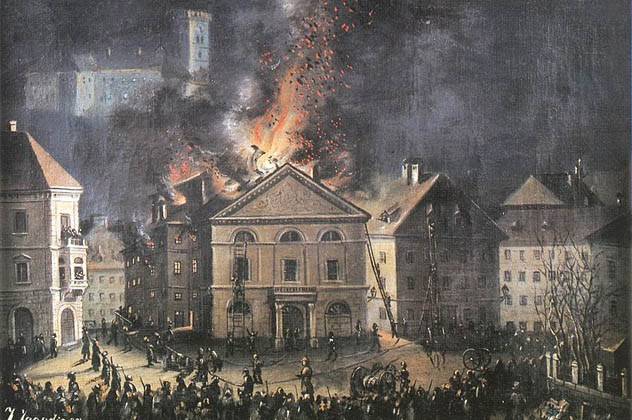
The invention of the steam engine in the early 19th century threatened the need for volunteer firefighters as many saw it as a way to cut down on larger crews needed to pull wagons and man pumps. Since early firefighters were literally street gangsters, they attacked the steam engines in the streets of major cities like New York and St. Louis, totally destroying them. Additionally, automatic fire alarms lessened the need for lookouts and more fresh crews, which raised the ire of firefighters as well. They started doing fire alarm pranks to convince cities not to adopt the new technologies. We don't even need to tell you about the 'bucket brigades'.
advertisement
#10 Japanese Firefighters Sprayed Themselves
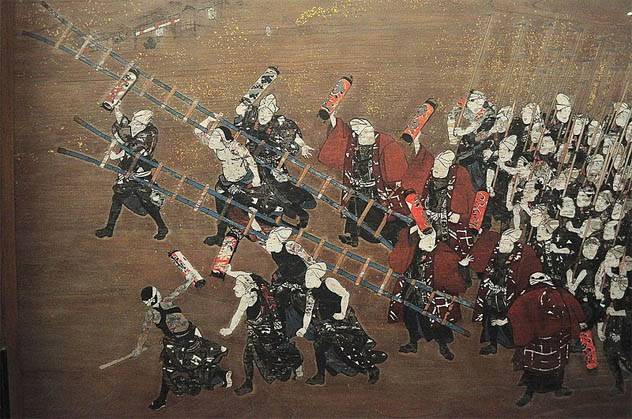
Japanese firefighters once had an unusual technique for fighting fires. The didn't aim their hoses at the blaze, but instead they sprayed each other down to make themselves less flammable. Once drenched, they would run to poles in their now 80-pound suits, and pull the entire building down so the fire would smother itself and burn out before spreading. Unbelievably, their technique has worked, as Japan has one of the lowest recorded death tolls by fire in history. Even when groups of city blocks housing thousands of people burned down (as happened in Kanda in 1880 and 1881), there were no reported deaths.
advertisement
#11 Chile’s Unique Firefighters
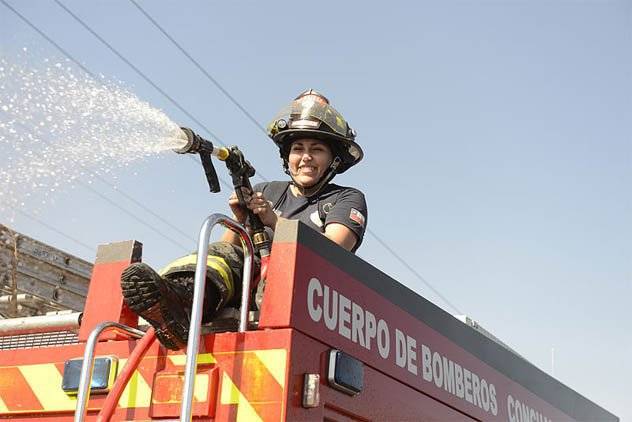
All of Chile's 40,000 firefighters who directly fight fires are volunteers who pay monthly fees to serve as bomberos, or firefighters, and it's been that way since the mid-19th century. Yes, they pay for the privilege of serving their community. After a fire disaster in Valparaiso in 2015 left 15 dead, destroyed 3,000 homes, and left the nation wondering if they needed reforms, the country came under scrutiny for its unusual firefighting practices. However, people still volunteered, they just stopped paying to serve in the line of duty.
advertisement
#12 There Are Many Arsonist Firefighters
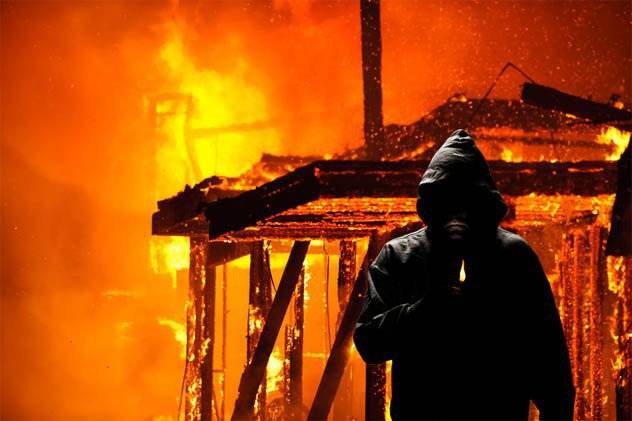
Hard to believe, but there are a lot of arsonists who join fire departments. Each year in the US there are over 100 firefighters arrested for arson, and some of those have been found to be 'serial arsonists'. While it is believed that these arsonists have some sort of psychological disorder, recent findings show that many engage in this behavior simply out of boredom. Also, some only get paid if they are actually fighting a fire, so it's best to have something to do continuously. Fire chief John Orr killed four people doing this and caused millions of dollars worth of damage. It's believed that John Orr started more than 2,000 fires, most of which he personally investigated afterward because he wanted more money in his paycheck. Another case is that of a fire chief in Minnesota who confessed to setting nine fires, but there were 39 suspicious ones in his area during a two-year period and zero after he was arrested.
#13 Eastern European Anti-Firefighter Prejudice
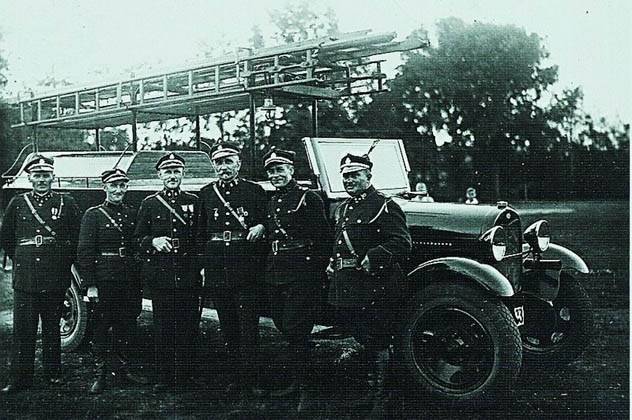
While everyone believes that firefighting is an admirable a profession, it wasn't always the case. In the late 19th century, firefighting was one of the few professions in Russia, Ukraine, and Poland that allowed Jews to enlist. The public would throw rocks at them, hit them with sticks, and even chase the firefighters with knives. Eastern Europe is notorious for its anti-Semitism. Even after World War II, there were incidents like the 1946 Kielce Pogrom in Poland, where as many as 40 Jews were murdered. It was incidents like this that caused some communities to begin a farming tax to fund their fire departments, something that did not sit well with most of the residents at the time.
advertisement
#14 Underrated Profession
Our firefighters are to be admired, cherished, and honored for their service as they face life threatening circumstances every single day to keep us and our communities safe. It is truly one of the most honorable professions, and children should be encouraged to enter the field as they once were, since the number of qualified firefighters is dwindling. They are often only thought about when it is too late, but they are on the job 365 days a year, prepared for the next emergency.