Surprising Reasons Why You Can’t Get A Good Night’s Sleep
By
Editorial Staff in
Facts
On 8th August 2017
A regular lack of sleep makes us feel exhausted right after waking up. Moreover, it’s one of the main reasons for gaining weight.
We would like to give you a few tips on how to fight the "monsters" that prevent you from sleeping soundly and, as a result, feeling and looking well.
#1
Is a good night's sleep the first thing you sacrifice when life gets too full and busy? If so, this is your wake-up call: You're not just sabotaging your next day's performance (news to none of us), but you're actually harming your health.
"Sleep deprivation is a serious medical risk, but few people are aware of that," says Joyce Walsleben, PhD, an associate professor of medicine at NYU School of Medicine. "You have to pay as much attention to your sleep as you do to eating a nutritious diet."
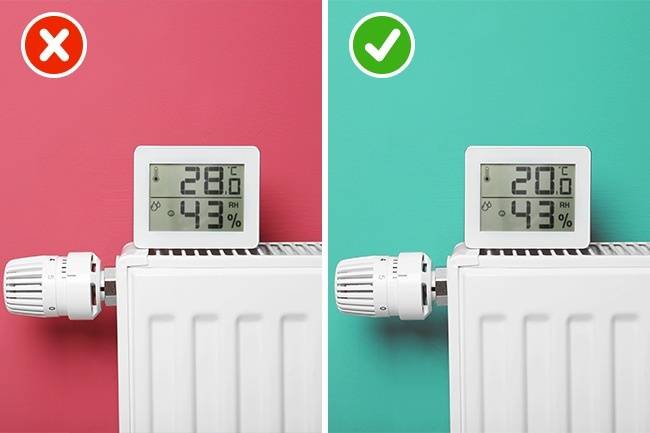
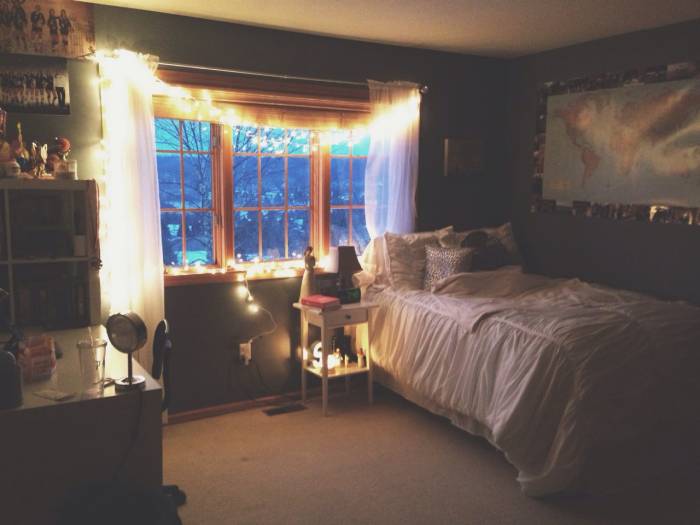
#2 YOUR BEDROOM IS TOO WARM
It’s hard to sleep when you’re hot—and there’s actually some science behind why. “When you go to sleep, your body temperature is higher,” says Grant. "Throughout the night your body temperature will drop to what we call the core level, or the lowest it’s going to be." Your core temperature is typically at its lowest point about two hours before your normal wake-up time. If your room is too warm, you won’t be able to reach that level. That may interfere with your circadian rhythm, or body clock, and cause you to wake up.
Make sure to set your room temperature between 60 and 67 degrees Fahrenheit. It sounds chilly, but it’s better to be cold and bundle up than to be warm and wake before you want to. Your sheets matter, too. Cotton sheets are lightweight and breathe better, which can help keep your body temperature down.
#3 Working out too late
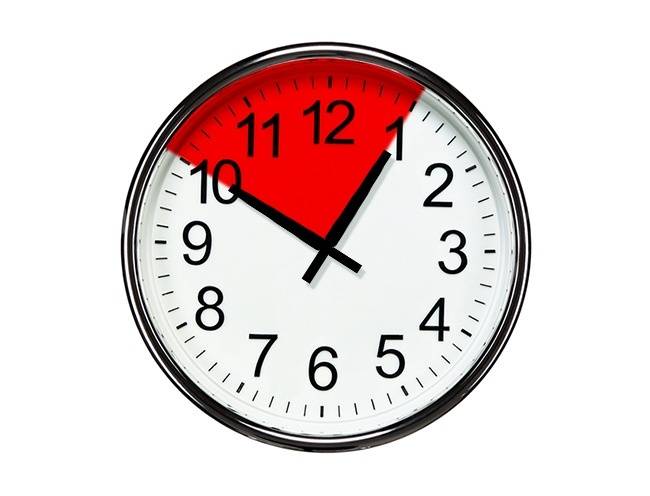
Exercising warms up the body & wakes up your brain, and both these processes can interfere with your sleeping process at night. The best time to exercise is four to six hours before getting to bed. You should consider exercising in the early morning if in case you are unable to cope with your schedule. To enjoy a regular sleep-wake cycle, do not overstimulate your metabolism by working out too much.
#4 You're Not On A Sleep Schedule
According to Mayo Clinic, circadian rhythms are a powerful biological process, and sleep schedules are no exception. If you follow a regular routine, your body will get acclimated to winding down around 11 p.m. and starting up again at 7 a.m. (or whatever times fit your schedule). You'll fall into the rhythm, and won't even have to think about forcing yourself to sleep, and you might be able to even do away with your alarm. Staying up late on certain nights, or totally changing your sleep schedule on the weekends can tamper with the routine you've already created, making it harder to actually get to bed when you want to. Your body is pretty perceptive and has the ability to do what it's supposed to do (read: sleep) if you just let it.
#5 You can hear a pin drop
For some people, any sound (the television, rowdy neighbors, traffic) keeps them up at night. Other folks—namely, city dwellers—are creeped out in super quiet places.
Fix It: Surprisingly, it's not the sound or lack thereof that's keeping you awake, "it's the inconsistency of sound or silence that's disruptive," says Thomas Roth, PhD, director of the Sleep Disorders and Research Center at Henry Ford Hospital in Detroit. Turn on a nearby ceiling or exhaust fan. "This will act as white noise, both blocking out disruptive sounds and providing just enough noise for those who can't stand total silence," Roth says. A white-noise machine will do the trick, too—the devices help patients sleep in the busy, active intensive care units of hospitals, according to a report in Critical Care Nursing Clinics of North America.
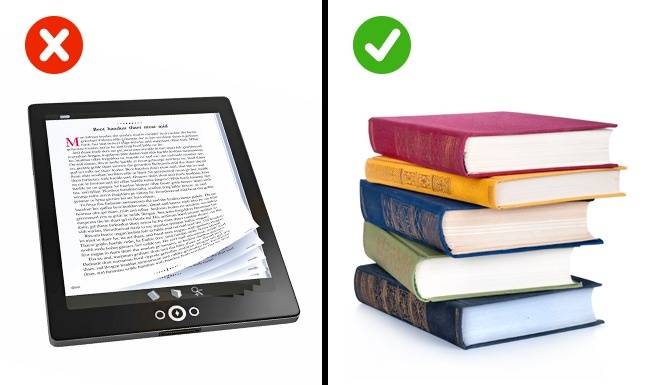
#6 You're Using Electronics Before Bed
You've probably heard by now that screen time before bed is sabotaging your sleep — and it's true. According to an article in The New Yorker, of all the factors that contribute to poor-quality sleep, using electronics right before bed is the biggest culprit. Your body interprets the blue light that shines off computers and phones as daylight, which triggers our circadian rhythms to go into awake mode. By watching TV or reading on a Kindle, you're actually preventing your body from going into rest mode and delaying sleep.
#7 You're Having Too Much Caffeine Alcohol, Nicotine Too Close To Bed
Coffee may be your best friend in the morning, but come mid-afternoon, your cup of joe may be seriously hindering your ability to get to sleep. Studies have found that caffeine, alcohol and nicotine all have negative effects on sleeping, and the effects worsen the later you consume these substances during the day. So if you can, avoid that 4 p.m. pick-me-up or that after dinner glass of port when you really want to capitalize on your sleep time. And since smoking is all around bad for your health, do your best to try and quit!
#8 YOU SNUGGLE UP WITH FIDO AT NIGHT
More than half of dog and cat owners allow their pups to sleep in bed with them. And while cuddling with a pet may comfort you and lower your stress levels, Grant says it’s not a good idea. If your cat or dog wakes up scratching, barking, meowing or moving around, it can wake you up, too. If you have asthma or allergies, your pet can make congestion and coughing worse.
If you don’t have allergies or asthma, having the family feline in your room is fine, says Grant—but she should be on the floor (and if you have a dog, the crate is fine, too). Just be sure to give her extra attention the next morning.
#9 Alcohol
Although alcohol lets you fall asleep faster, it negatively affects rapid eye movement sleep, and you wake up tired and nauseous.
Solution: Consume alcohol no less than 2 hours before sleep. Better still, quit drinking altogether.
#10 You think too much
The reason you sometimes obsess over a tricky work project or an argument with your best friend when you're trying to fall asleep: "You can't refocus your thinking at the edge of slumber the same way you can when you're alert," says Colleen E. Carney, PhD, an assistant professor of psychiatry at the Insomnia and Sleep Research Program at Duke University Medical Center. "People have little control over their thoughts, because they may be going in and out of a light stage of sleep, even though they think they're awake," she says.
Fix It: When fretful, get up and go to another part of the house (but leave the lights off). "Your anxious thoughts will usually stop right away. Then you can go back to bed and fall asleep," Carney says. This well-studied strategy, called stimulus control, also prevents you from associating your bed with anxiety. Another tip: Set aside time early in the evening to problem solve. Write down your pressing concerns, along with a possible solution for each, a few hours before retiring.
#11 Taking Shower at late hours
Taking a shower before the bed sounds like a great idea but it can actually warm up your body which can disturb your sleeping even more. The key aspect to keep in mind before going for a hot shower or bath at night is the timing. It is best to take a shower two-three hours before the bedtime to facilitate the cooling-off in your body temperature, and thus experience a sound sleep.
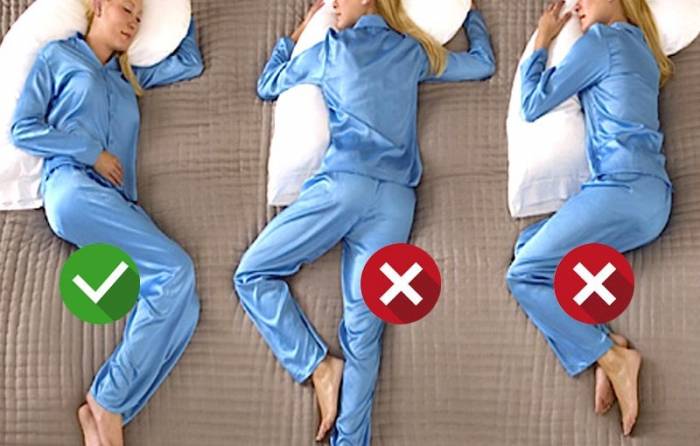
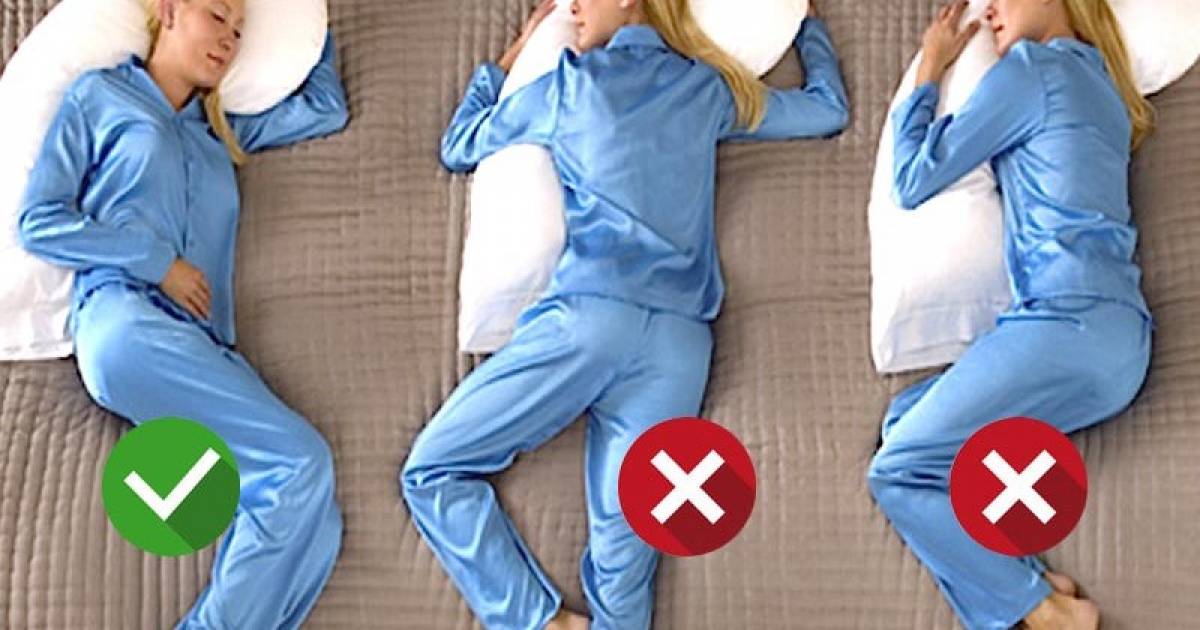
#12 Sleep position
Going to sleep in an uncomfortable position, whether you’re alone or with your partner, stresses your body, resulting in a lack of rest.
Solution: Assume a position that you feel most comfortable in, and try not to change it until you fall asleep.
#13 Your Pillow Is Too Hot:
According to the University of Pittsburgh resting your head on a cool pillow helps you fall asleep faster. Researchers stated that insomniacs who wore a special cooling cap at bedtime fell asleep within 13 minutes and 89% of them slept through the night. Try putting your pillowcase in the freezer while you get ready for bed to achieve more restful sleep.
#14 Light
How it disrupts sleep: You probably already know that when you stay up late under bright lights, you interrupt your body's natural sleep-wake cycle, because light tricks your brain into remaining in daylight mode. Less well known is that the light from computer screens and iPads shining directly into your eyes at close range is especially troublesome. Why? Part of the problem is that the light from these devices is at the blue end of the spectrum, which scientists believe is particularly disruptive to circadian rhythms. Blue light, although common during the day, doesn't occur naturally during the evening.
Similarly, light shining in your eyes while you sleep -- even very small amounts coming from, say, a lighted clock -- makes your brain think it's morning and emerge out of deep sleep. Darkness triggers production of the hormone melatonin, the hormone that triggers sleepiness and the onset of sleep. Light prevents this release or shuts it off.
#15 Your Diet
Now Yahoo is reporting that the microbes in our digestive tracts could be influencing how well you sleep at night. “Recent evidence indicates that what you eat and when you eat can in turn affect sleep,” says Dr. Phyllis C. Zee, director of the Center for Circadian and Sleep Medicine at Northwestern University’s Feinberg School of Medicine. The body’s sleep rhythms are linked to other processes like metabolism, and new studies show that they are also linked to the gut microbiome. “There is evidence that the gut microbiome also has circadian rhythms and cycles,” Zee explains. “When healthy, its rhythm is regulated and in sync with the brain’s clock that regulates the timing of melatonin secretion.” To ensure that you have a healthy gut, the doctor recommends that you stick to regular sleep, wake, and meal times and that you feed the microbes in your stomach. Take probiotic supplements, and add fermented foods like kimchi and miso to your diet. Avoid sugar and refined carbs.