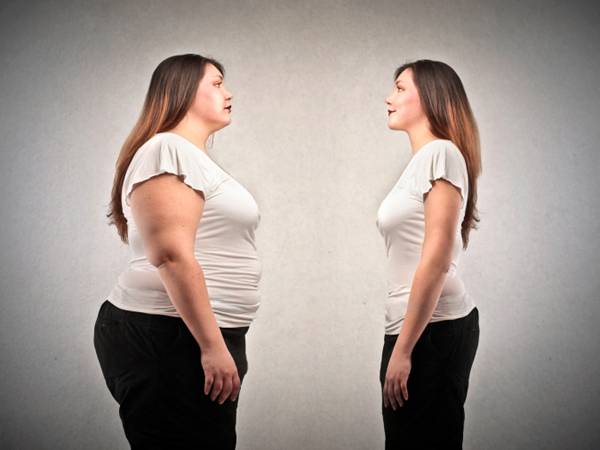
You may be experiencing a series of symptoms of hormonal imbalance even though you don’t realize it. After all, a hormonal imbalance can happen more easily than you might think. Our hormonal balance is very fragile. It can become unbalanced due to natural reasons, changes in our environment, or changes in our body. This imbalance can also be a sign of the poor functioning of certain organs. In this case, the exact cause can only be identified by a doctor. Here are some of the telltale signs you may have a hormonal imbalance.
Symptoms Of A Hormonal Imbalance That Affect Your Physical Appearance
By
Editorial Staff in
Health and Fitness
On 18th November 2017
advertisement
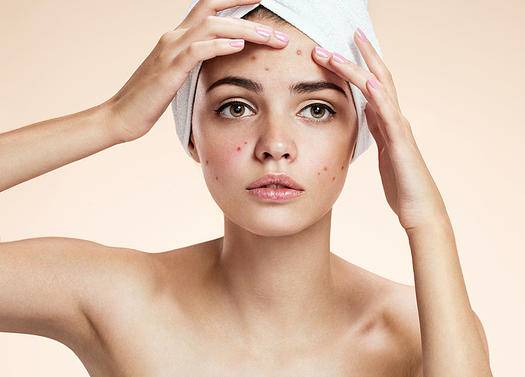
#1 Acne
An excess of High androgen (testosterone) causes an increase in sebum production which can lead to acne. While most of us think of testosterone as the male sex hormone, women have it and need it too. Most women experience a surge if they take high-androgen birth control pills, have polycystic ovary syndrome and sometimes naturally during peri-menopause.
#2 Fatigue
Chronic fatigue can be a sign that your hormones are off balance. Even those who get 8 hours of sleep can constantly look tired.
A high level of progesterone may be to blame for this. A simple blood test will help to measure the concentration of progesterone in your blood.

advertisement
#3 Ageing
Ageing also impacts your hormone levels. While we do add beauty and
When men age their testosterone levels decline. The problem is that oestrogen in men decreases at a slower pace, causing an uneven ratio: too much oestrogen compared to little testosterone.
When women age, both oestrogen and progesterone will decline. Unfortunately, progesterone levels often drop at a faster rate than oestrogen and can even get to zero. Oestrogen doesn’t decrease as quickly as progesterone and this difference cause hormone imbalances, resulting in an oestrogen dominance (menopause) once again.

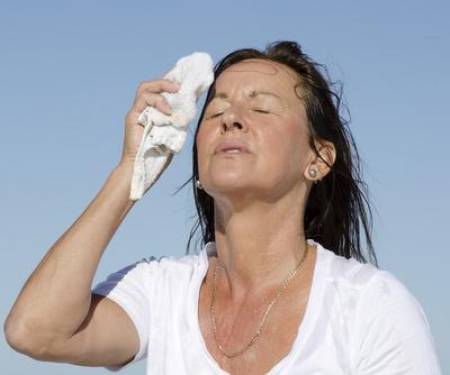
#4 Sweating
Irregular and excessive sweating could also be a sign of a hormonal imbalance. Hormones control your body’s temperature and if your hormones are off balance, they may cause you to sweat more.
Researchers found that sweating could be a symptom of a hormonal condition. However, this is usually harmless and the only problem it may cause is discomfort or embarrassment if you sweat excessively.
advertisement
#5 Hair Loss
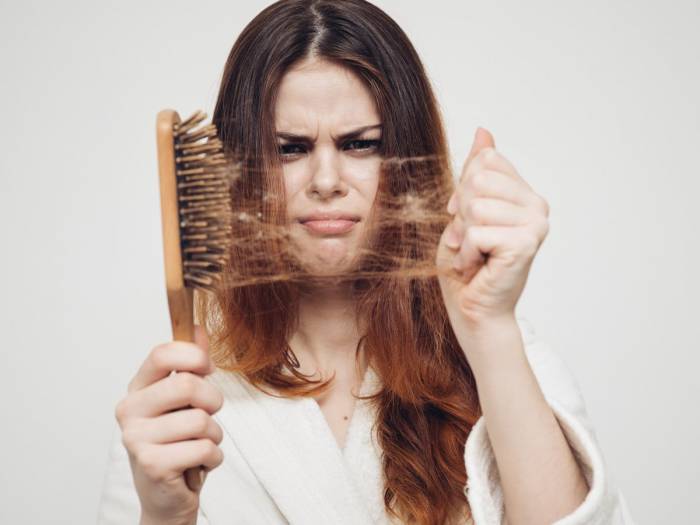
It’s perfectly normal for some hair to fall out each day, but if you notice more hair coming out than usual, this could be a sign of low testosterone. It can happen in both men and women, and is known as androgenetic alopecia. The resulting hair loss occurs when testosterone converts to DHT, a chemical that harms hair follicles, and can be caused by stress, birth control, pregnancy, and menopause.
advertisement
#6 Headaches and migraines
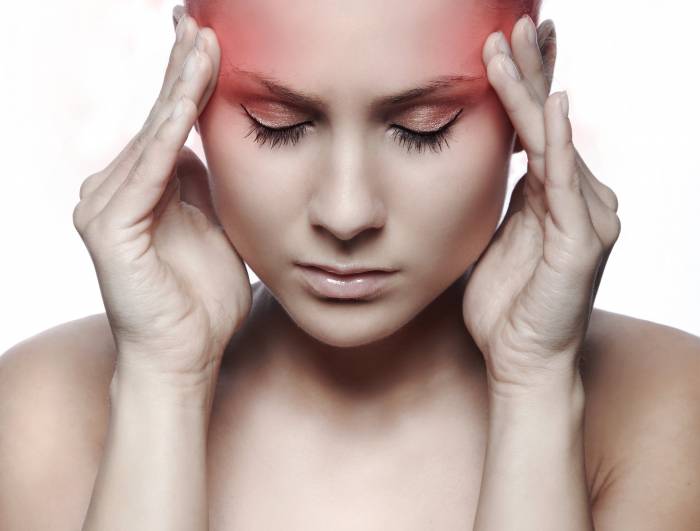
Headaches and migraines have long been linked to the female hormone estrogen. This powerful hormone controls the chemicals in the brain that cause or alleviate the feelings of pain. As such, a decline in estrogen levels can lead to headaches. According to a research, around two-thirds of women who regularly have migraines say their symptoms gradually dissipate when they reach menopause. But for others, the symptoms worsen.
advertisement
#7 Dry Eyes
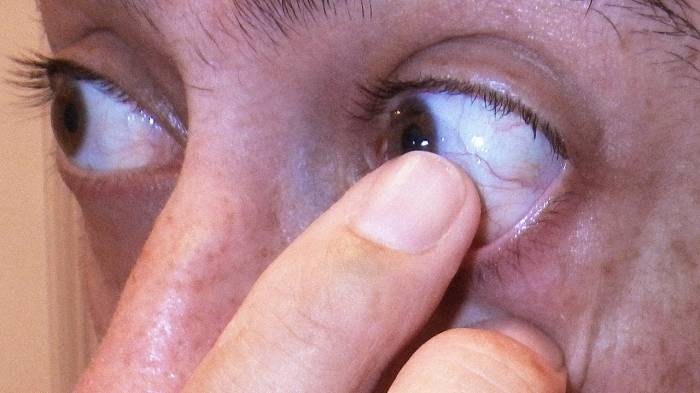
If your eyes are constantly dry or watering unexpectedly, it may be due to an inability to build the fatty layer of your tears. Proper production of tears has been shown to be influenced by testosterone, DHEA, progesterone, and the estrogen hormones.
advertisement
#8 Hyperpigmentation of skin
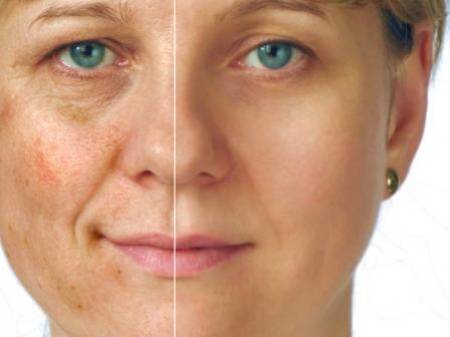
Melasma is hyper-pigmentation of the skin associated with hormone disturbances, especially with pregnancy and birth control pill use. Sun exposure may trigger melasma, or make it worse. However, the underlying hormone responsible is melanocyte stimulating hormone (MSH). This hormone increases the production of melanin, which is responsible for darkening the skin.
advertisement
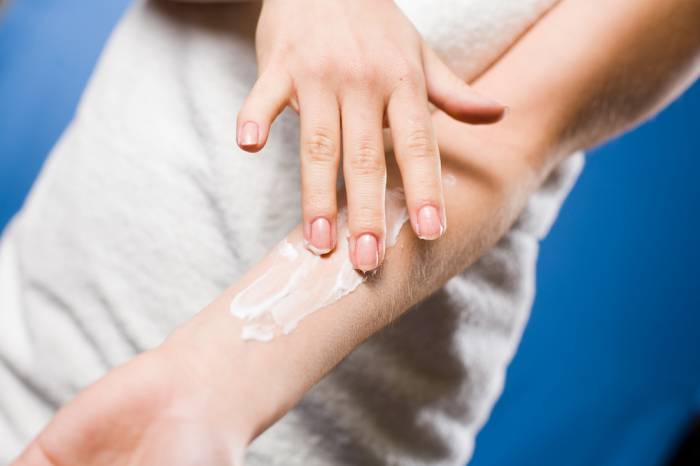
#9 Excessive body hair
On the contrary to the previous point, if you have excessive body hair, this could also be due to an excess of hormones. Dark hairs on the bust, face, back of the hands or other uncommon areas in women can be a sign of a hormonal disorder that can be more serious than you think, so bear this in mind.
advertisement
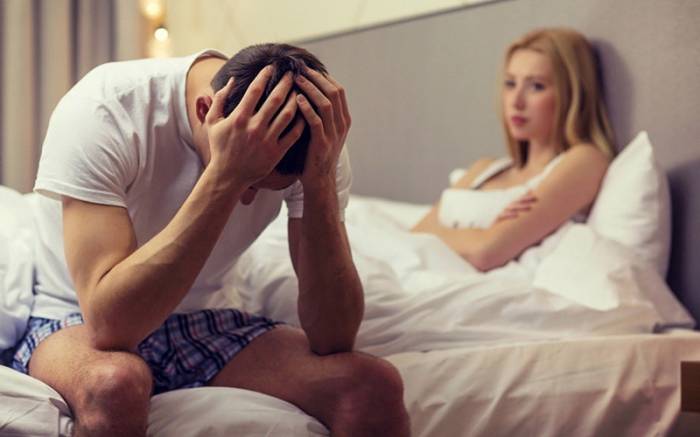
#10 Low sex drive
Because your ovaries produce sex hormones, any imbalance in your hormone levels can affect your sexual desire. Estrogen is associated with increased sex drive and progesterone with reduced desire for sexual intimacy. Researchers have found that the menstrual fluctuations in estrogen and progesterone greatly affect libido. When progesterone levels increased in the body before the menstrual period the sex drive decreased.
advertisement
#11 Excessive Weight Gain
If you’re gaining weight inexplicably or just can’t seem to lose it, consider that a hormone imbalance might be the root of the problem. Weight gain on account of low thyroid hormone tends to be mild and causes symptoms like fatigue and dry skin.
As men and women age, declining levels of sex hormones can make it hard to keep off the extra pounds. The third major cause of hormone imbalance, cortisol (stress hormone), can trigger excessive hunger pangs and lead to an increased appetite.