

Renowned director James Cameron warns of AI's dangers and doubts its ability to match human creativity. "Terminator: Dark Fate" achieves moderate box office success but faces profitability challenges due to high costs.
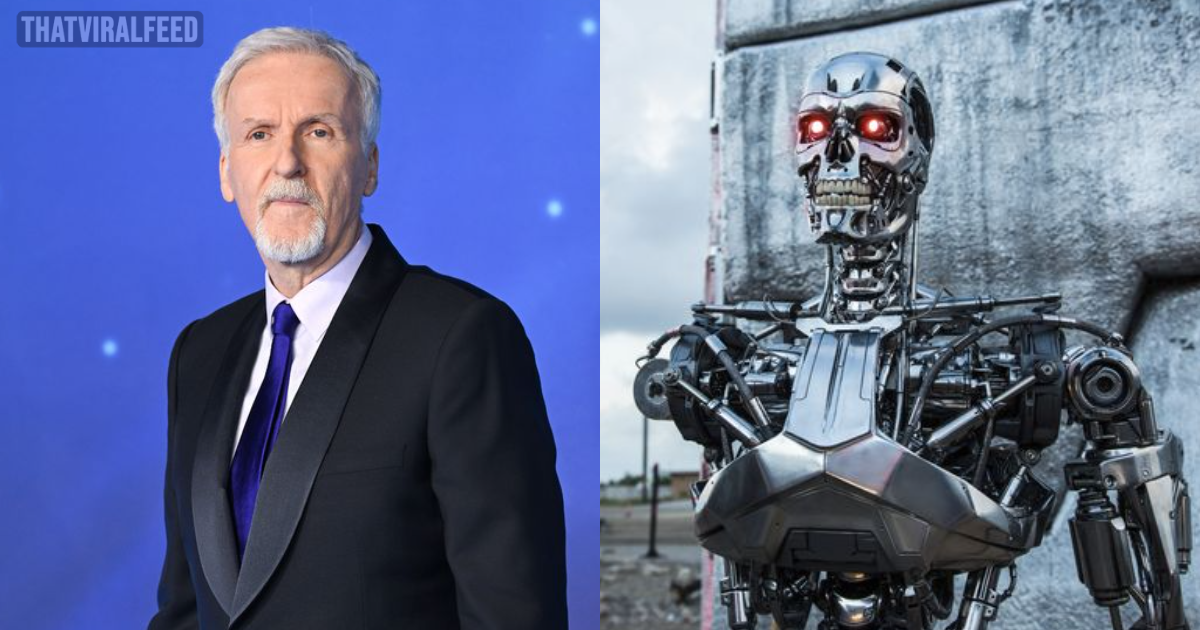
Terminator Director James Cameron on AI: 'I Warned You Guys In 1984 And You Didn't Listen'
By
Haider Ali in
Showbiz
On 22nd July 2023
advertisement
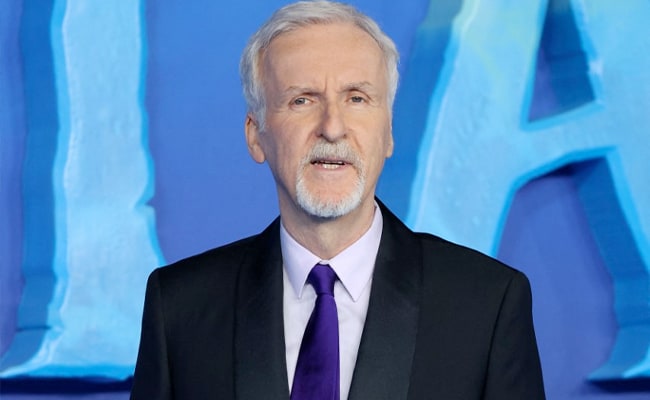
(Image: WireImage)
James Cameron, who directed the movie The Terminator in 1984, spoke on the growth of artificial intelligence and the potential threats it might pose in the future.
In a recent interview with CTV News, Cameron reflected on the motivations of those creating the technology, questioning if it is for profit ("teaching greed") or for defense ("teaching paranoia"), although he acknowledged the threat AI could pose to humans as more developments are made.
"I warned you guys in 1984, and you didn't listen," he said. "I think the weaponization of AI is the biggest danger. I think that we will get into the equivalent of a nuclear arms race with AI, and if we don't build it, the other guys are for sure going to build it, and so then it'll escalate.”
advertisement
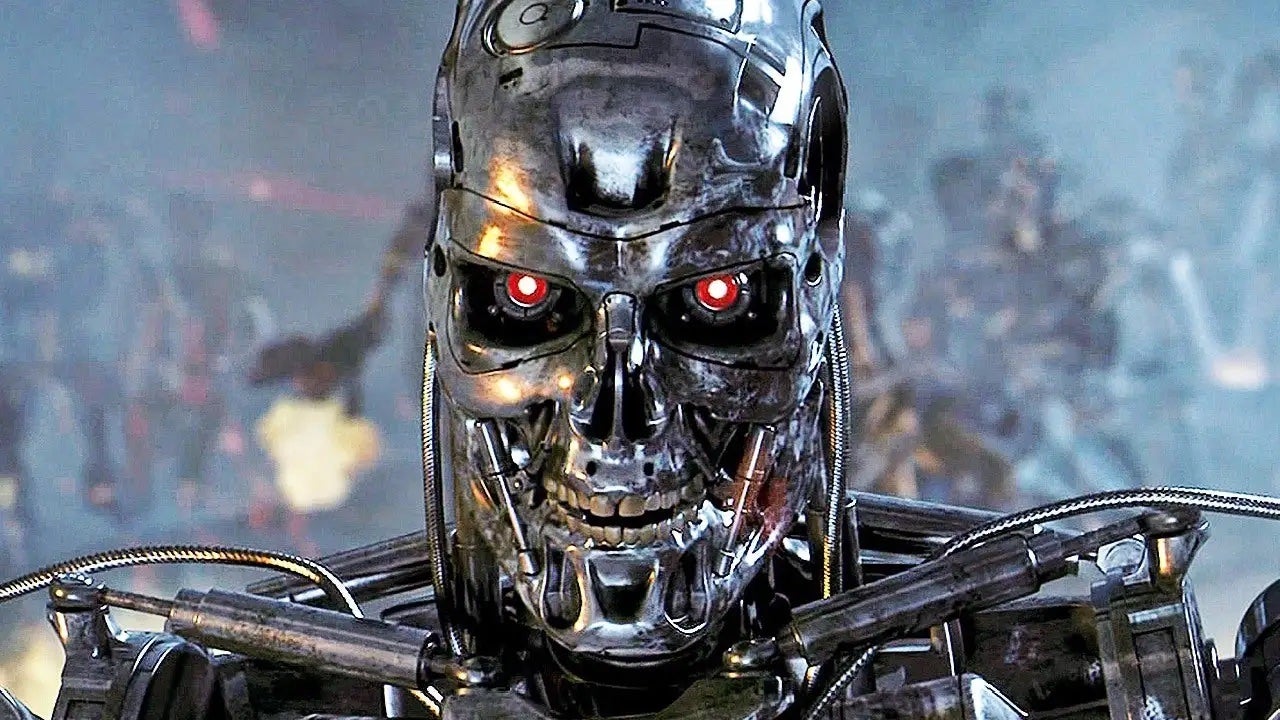
Shutterstock
"You could imagine an AI in a combat theatre," he added. "The whole thing is just being fought by the computers at a speed humans can no longer intercede, and you have no ability to de-escalate."
Hollywood is currently trying to figure out how to give artificial intelligence (AI) to the creators of movies and television series without sacrificing their own artistic talents. The Screen Actors Guild - American Federation of Television and Radio Artists (SAG-AFTRA) and the Writers Guild of America (WAG) joined forces in an unprecedented double strike, demanding protections against AI technology.
advertisement
This issue has been the subject of intense discussion in recent weeks.
The WGA has expressed concerns about AI taking the place of authors on screenplays, and SAG-AFTRA has called for protections against AI utilizing actors' likenesses without their agreement or payment.
advertisement
However, Cameron is of the opinion that technology will not replace writers anytime soon because "it's never an issue of who wrote it, it's a question of, is it a good story?"
"I just don't personally believe that a disembodied mind that's just regurgitating what other embodied minds have said — about the life that they've had, about love, about lying, about fear, about mortality — and just put it all together into a word salad and then regurgitate it… I don't believe that have something that's going to move an audience," he said.
advertisement
As a result, Cameron stated that at this time, he "wouldn't be interested" in AI producing tales or being willing to accept a script written by AI, saying: "Let's wait 20 years, and if an AI wins an Oscar for Best Screenplay, I think we've got to take them seriously."
Cameron has expressed interest in further studying the use of AI in movies, despite the fact that he is opposed to the practice in the field of filmmaking.
advertisement
If he were to relaunch The Terminator franchise in the future, he had previously stated that he would prefer to explore the topic of AI rather than merely "bad robots gone crazy."
Terminator 2: Judgment Day was the last installment of the franchise that Cameron directed.
advertisement
The three sequels that came after didn't involve him, but he came back as a producer for Terminator: Dark Fate, a film he called "reasonably happy" with although acknowledging that it would have worked better without the original stars.
The global box office revenue for Terminator: Dark Fate exceeded $250 million, but with a production cost of $185 million, plus $80 million to $100 million in global marketing and distribution costs, analysts predicted the movie would need to gross close to $450 million to break even.
advertisement
James Cameron's cautionary words about AI serve as a vital reminder of the responsibilities that come with technological advancements. As AI continues to evolve, society must approach its development with caution and consideration of the potential risks. In Hollywood, striking a balance between AI and human creativity remains an ongoing challenge. Only time will reveal the true impact of AI on the creative industries.