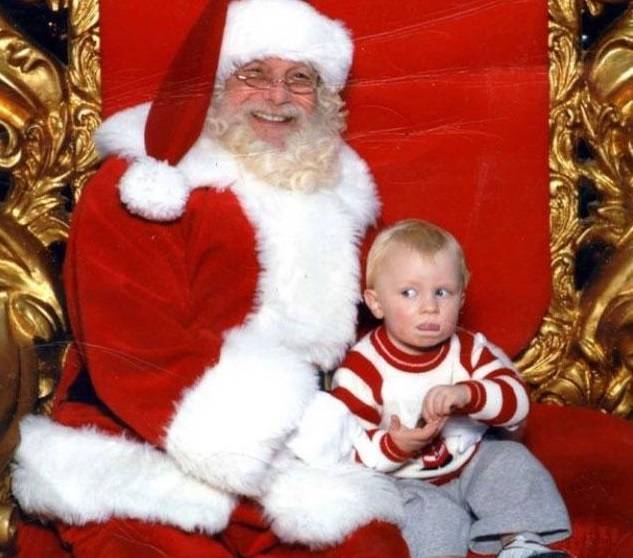
Every holiday season when Santa comes to town, children and their parent's line-up to meet the jolly big man but one Maryland toddler wasn’t having it.
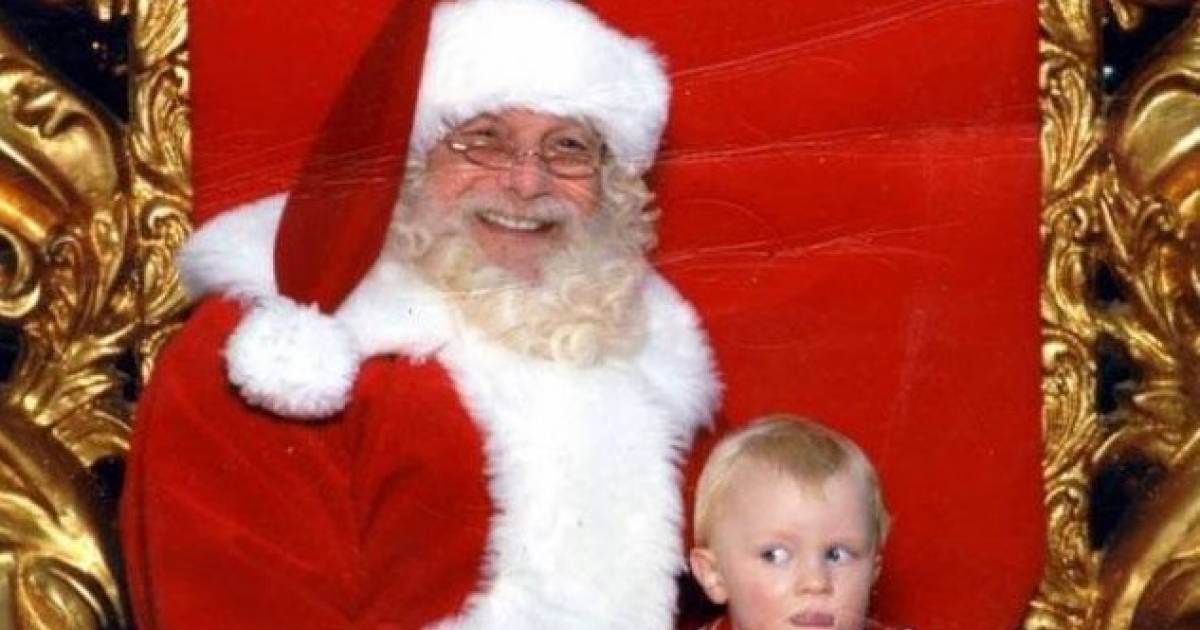
Terrified Toddler Signals For Help In Sign Language While Sitting On Santa's Lap
By
Sughra Hafeez in
Life Style
On 11th December 2017
advertisement
Kerry Spencer said the picture was taken at Provo Town Center Mall in Provo, Utah, when her son, Samuel Spencer, was one year old. Samuel is now 13. And during his photo with Santa – he made the sign.
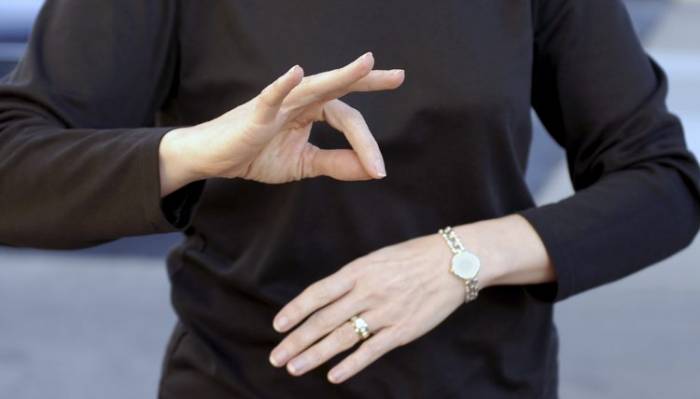
“We taught our baby sign language. This is the sign of “help.” You’re welcome,” she wrote on Twitter.
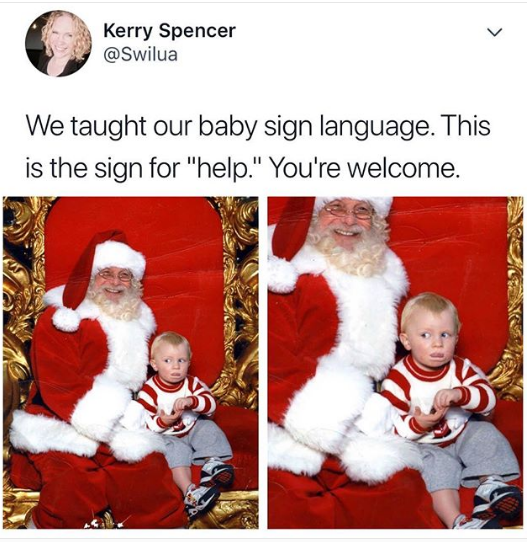
The photo has captured so much attention that she shares it on Facebook every year. This year, Spencer's friend, Author Mette Harrison, told her to tweet it, so she could retweet it. It was retweeted more than 6500 times and gained more than 25,000 likes at the time of writing.
advertisement
American Sign Language (ASL) is a natural language that serves as the predominant sign language of Deaf communities in the United States and most of Anglophone Canada.ASL signs have a number of phonemic components, including movement of the face and torso as well as the hands.
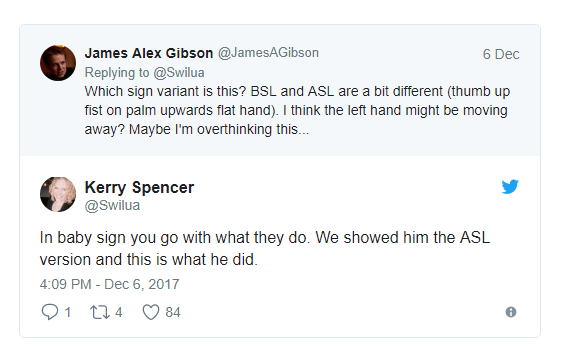
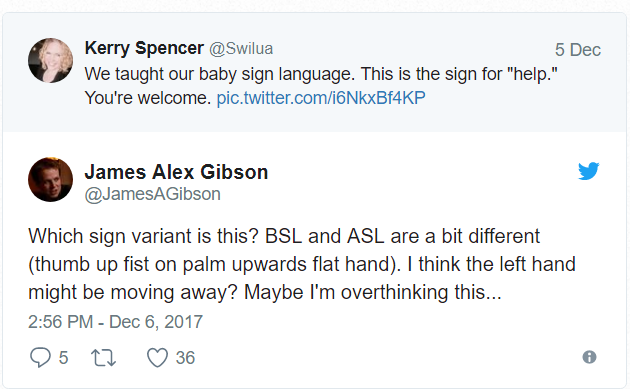
Many users said it didn't look like the toddler was signing for help.
One user wrote:
"Which sign variant is this? BSL and ASL are a bit different (thumb up fist on palm upwards flat hand). I think the left hand might be moving away? Maybe I'm overthinking this..."
advertisement
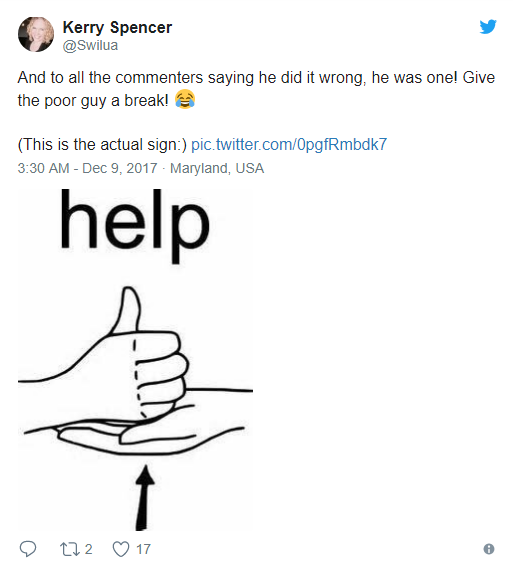
Spencer said it was just a different variation of the ASL sign. For comparison, she even tweeted the proper way to sign help.
advertisement
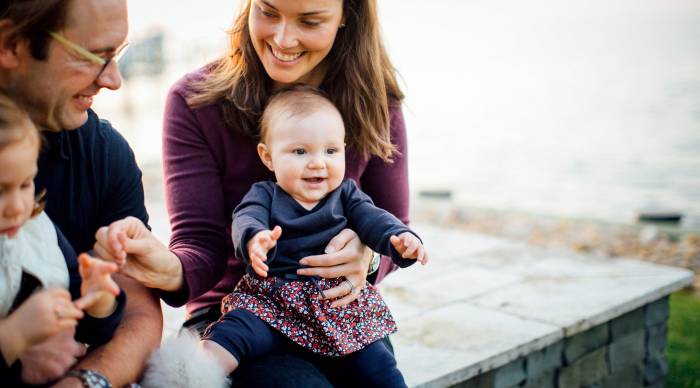
Baby sign language is the use of manual signing allowing infants and toddlers to communicate emotions, desires, and objects prior to spoken language development.
advertisement
Some common benefits that have been found through the use of baby sign programs include an increased parent-child bond and communication, decreased frustration, and improved self-esteem for both the parent and child.
advertisement
Researchers have found that baby sign neither benefits nor harm the language development of infants. Baby sign is used by hearing parents with hearing children to improve communication.
advertisement
The baby sign promotes communication before a child is able to verbally communicate with others.Children who learned enhanced symbolic gestures performed better on both expressive and receptive verbal language tests compared to those who had not been encouraged to learn such gestures.