The 12 Early Warning Signs Of Dementia Every Woman Should Know
If you’ve ever known anyone who has suffered from dementia, then you know they don’t suffer alone.
Dementia is a disease that weighs heavily not only on the person who has it, but also on their friends and families, as they watch someone they love become unrecognizable shadows of their former selves.
Dementia is a terrifying disease, and sadly, there isn’t a cure for it (at least, not yet!). There’s a lot of ongoing research that will help us better understand the disease, too.
For now, though, catching it early can truly make all the difference when it comes to managing the disease and slowing its progression. But how do you even know what to look for?
There are certain signs of dementia that make themselves apparent right away, and these early hints are crucial for catching the disease in its early stages.
You might notice that some of them look like fairly common habits, like forgetfulness or losing track of time. These things happen to everyone from time to time, especially during times of stress or hormonal changes.
However, if you start to notice it happening with someone you know and it seems more often than normal, take note of it. It might help them a great deal.
Learn the warning signs below and if you spot them in someone you know, speak up!
#1 What is dementia?
Dementia is a collection of symptoms that can occur due to a variety of possible diseases. Dementia symptoms include impairments in thinking, communicating, and memory.
Possible causes of dementia include:
Alzheimer's disease, which is the leading cause of dementia
brain damage due to injury or stroke
Huntington's disease
Lewy body dementia
#2 Subtle short-term memory changes
Trouble with memory can be an early symptom of dementia. The changes are often subtle and tend to involve short-term memory. An older person may be able to remember events that took place years ago but can't remember what they had for breakfast.
Other symptoms of changes in short-term memory include forgetting where they left an item, struggling to remember why they entered a particular room, or forgetting what they were supposed to do on any given day.
#3 Difficulty Speaking
Another early symptom of dementia is struggling to communicate thoughts. A person with dementia may have difficulty explaining something or finding the right words to express themselves. Having a conversation with a person who has dementia can be difficult, and it may take longer than usual to conclude.
#4 Changes in mood
A change in mood is also common with dementia. If you have dementia, it isn't always easy to recognize this in yourself, but you may notice this change in someone else. Depression, for instance, is typical of early dementia.
Along with mood changes, you might also see a shift in personality. One typical type of personality change seen with dementia is a shift from being shy to outgoing. This is because the condition often affects judgment.
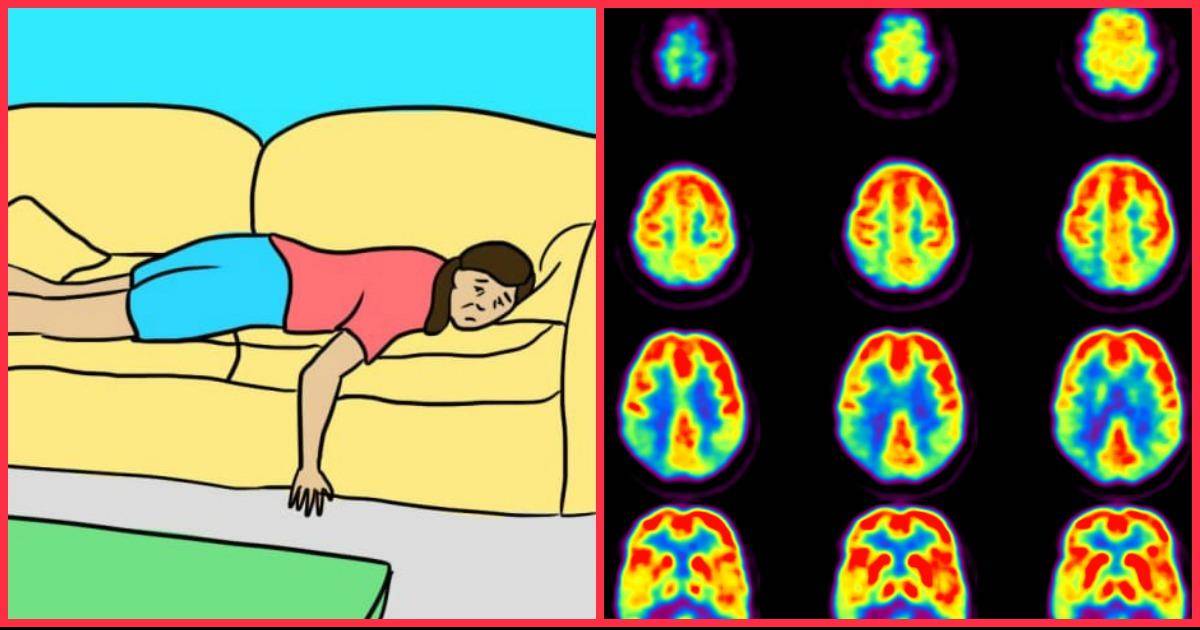
#5 Feeling Lethargic
The gloom that individuals with dementia feel may likewise show as dormancy.
The individual may lose enthusiasm for an once-most loved side interest, or all of a sudden not have any desire to go out any more.
Dormancy is additionally an indication of despondency, so if this is the main side effect, it may not be dementia. In any case, if noted with different side effects, it might be a sign.
#6 Apathy
Apathy, or listlessness, commonly occurs in early dementia. A person with symptoms could lose interest in hobbies or activities. They may not want to go out anymore or do anything fun. They may lose interest in spending time with friends and family, and they may seem emotionally flat.
#7 Difficulty completing normal tasks
A subtle shift in the ability to complete normal tasks may indicate that someone has early dementia. This usually starts with difficulty doing more complex tasks like balancing a checkbook or playing games that have a lot of rules.
Along with the struggle to complete familiar tasks, they may struggle to learn how to do new things or follow new routines.
#8 Trouble Understanding Time
While the world works by measuring time, someone with dementia is no longer able to do that.
Minutes, days, and years seem all the same, and the passage of time suddenly stops meaning anything to them.
If you notice that saying something will happen in an hour, or tomorrow, or next week seems to mean nothing to someone, it may be a sign that their understanding of time has become altered.
#9 Having Trouble Remembering Where You Are
Just like it can be difficult to understand time, understanding space can be a challenge, too.
People with dementia will often suddenly not recognize where they are, even if it's somewhere familiar, or they'll have no memory of how they got to that place.
#10 Difficulty Writing
Much the same as it gets to be hard to pick words while talking, picking words while composing additionally gets to be influenced by dementia.
It can likewise be hard for them to focus sufficiently long to assemble an entire sentence, so accomplishing something like composition a card or sending an email can turn into a drawn-out, disappointing undertaking.
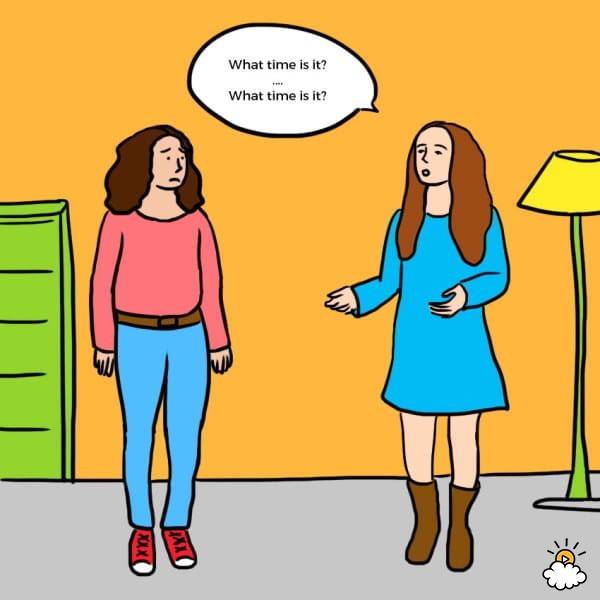
#11 Repeating
A major sign of dementia to watch for in someone is repetition.
This can be telling you something twice, asking the same question, or repeating a task they've already completed.
#12 Sudden Fear Of Change
The worst part about the onset of dementia is that the person suffering from it is aware of the changes in their mind, and it's terrifying.
Because of this, they may suddenly start resisting any changes to routine, even small ones, for fear of forgetting what to do or becoming disoriented.
#13 Difficulty following storylines
Difficulty following storylines may occur due to early dementia. This is a classic early symptom.
Just as finding and using the right words becomes difficult, people with dementia sometimes forget the meanings of words they hear or struggle to follow along with conversations or TV programs.
#14 A failing sense of direction
The sense of direction and spatial orientation commonly starts to deteriorate with the onset of dementia. This can mean not recognizing once-familiar landmarks and forgetting regularly used directions. It also becomes more difficult to follow a series of directions and step-by-step instructions.
#15 What Can You Do If You Spot Any Of These Signs?
Unfortunately, dementia is incurable as of now.
However, getting an early diagnosis and starting a treatment plan as early as possible is the best thing to do, and can slow the progress of the disease considerably.
With the right support, as well as with counseling and care, dementia can be managed.
If you or someone you know might be experiencing these symptoms, talk to a doctor today, and check out the Alzheimer's Association website for information, support, and guidance.
And be sure to SHARE this important information with everyone you know.