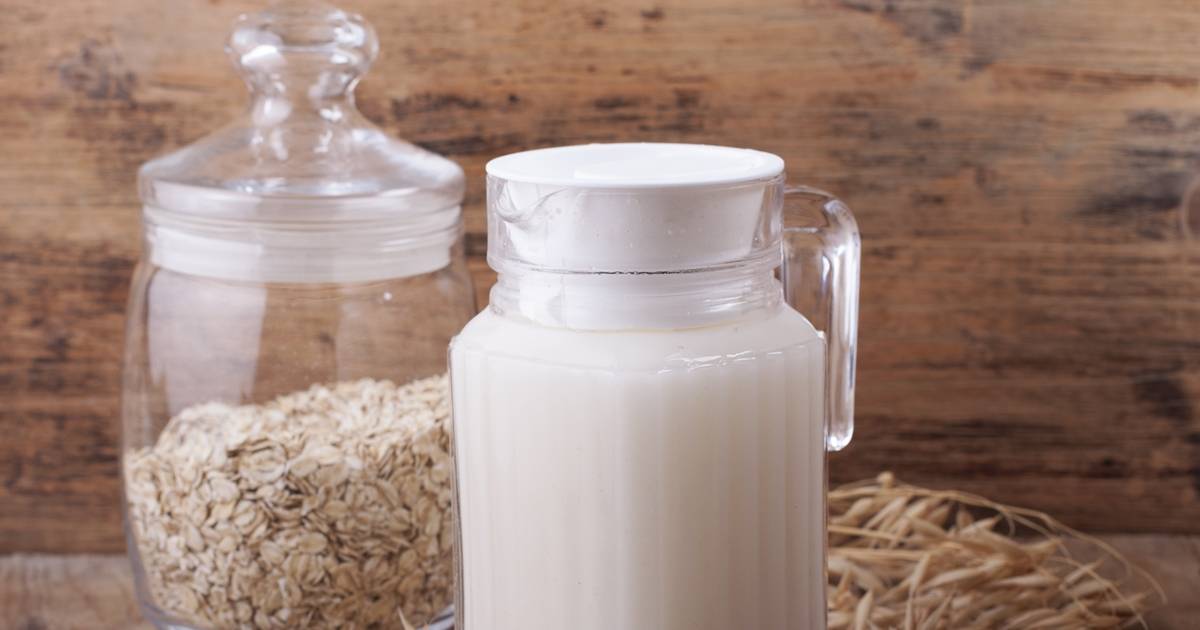
Have you heard about the benefits of drinking oat milk? More and more people are opting to take dairy out of their diets and replace it with milk from vegetables. It’s not only for digestive reasons, but also for their many healthy properties. As the name indicates, this is a product that comes from oats, which makes it 100% vegetable. It’s one of the most chosen products for those who follow a vegan diet or those who are lactose intolerant. You can drink oat milk cold or hot with tea, coffee or chocolate. Also, it can be used in different recipes, such as creams, sauces, smoothies and pastries.
advertisement
#1 Improve Blood Sugar Control
Type 2 diabetes is a common disease, characterized by significantly elevated blood sugars. It usually results from decreased sensitivity to the hormone insulin. Oats may help lower blood sugar levels, especially in people who are overweight or have type 2 diabetes.
They may also improve insulin sensitivity. These effects are mainly attributed to beta-glucan's ability to form a thick gel that delays emptying of the stomach and absorption of glucose into the blood.

#2 Cholesterol Free
Since oat milk is made only from grains, it is a great option for vegetarians and vegans. Another benefit of drinking a grain-based beverage: no cholesterol; compare that with regular whole milk from cows, which contains 24mg of cholesterol per serving.
advertisement
#3 Improves Vision
There is quite a bit of vitamin A found in oat milk, which can act as an antioxidant in certain situations. More specifically, vitamin A is known to reduce macular degeneration and oxidative stress in the retina.

#4 Loaded with Essential Nutrients
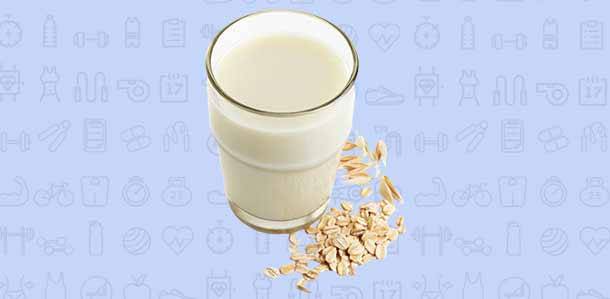
Oat milk also provides many important vitamins and minerals including manganese, potassium, phosphorus, many B vitamins, vitamin E, and Vitamin A. Oat milk also contains a type of antioxidant called phytochemicals, which can protect against diseases including heart disease, stroke, and some cancers. Oat milk is extremely high in magnesium. This nutrient helps boost the production of enzymes that regulate insulin secretion. Magnesium also assists in the utilization of glucose by the body.
advertisement
#5 Low in Fat and Calories
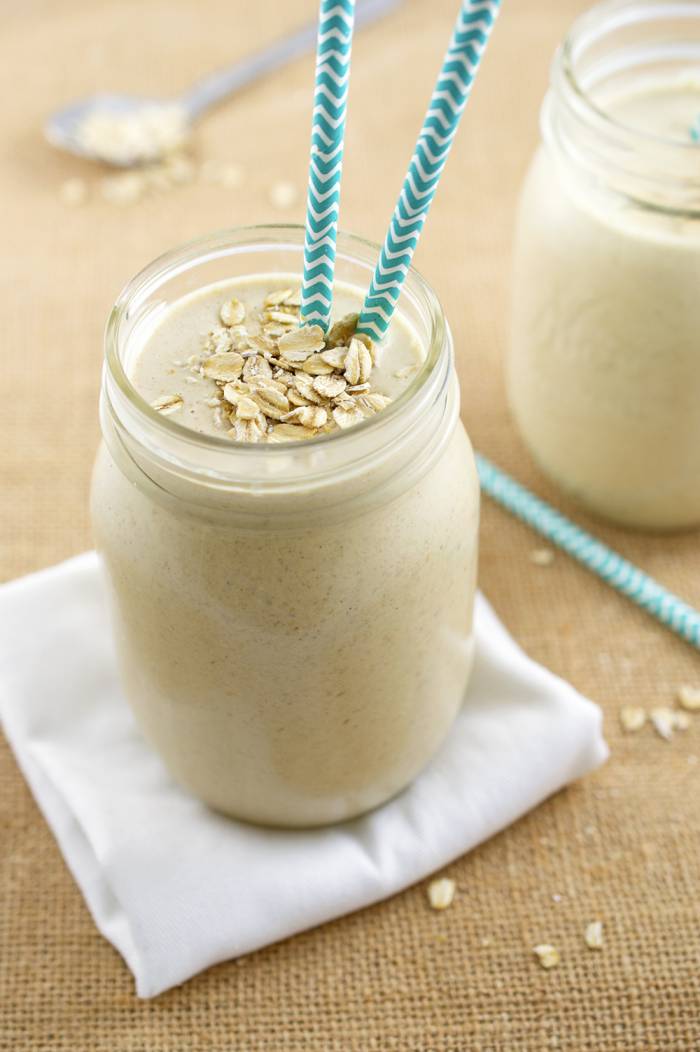
Are you watching what you eat? Then replace milk with oat milk! Oat milk packs a serious nutritious punch. It’s also low in fat. So low that a serving only contains 2.5 grams of fat. It has no saturated fat at all! On the other hand, a serving of whole milk contains about 8 grams of fat and 5 grams of saturated fat. Oat milk is also incredibly low in calories than any other type of milk products. You can drink oat milk and you won’t gain a pound!
advertisement
#6 Promotes Healthy Heart
Though according to many pediatricians, the fat content in cow milk is healthy for your child but at the same time, considering the fact that your child is already exposed to so many other fat sources it is always a worry that he/she might end up consuming more fat than required thereby clogging the heart at a premature age. Many children nowadays are suffering from heart diseases and keeping that in mind, fat and cholesterol free oat milk is definitely a good choice.

advertisement
#7 Protects skin
Oats have been used as a soothing agent to relieve itch and irritation while also providing an array of benefits for the skin. Oat milk is able to normalize the skin’s pH. It also helps moisturize and soften the skin.

advertisement
#8 It helps your muscles and your bones
This vegetable drink has many proteins that strengthen your muscles. If you exercise, oat milk can even prevent cramps. If you go through the whole day sitting at your desk, it can help reduce the possibility of muscle spasms. Also, it contains potassium, zinc and magnesium, three of the most important nutrients for the formation and strengthening of your bones. That’s why it is recommended for children and older individuals.

advertisement
#9 Strengthening of Immunity
Oat milk is naturally obtained from oats and hence are rich in fibers and proteins which aid your child in a number of ways including cellular development and strengthening immunity. This kind of nutritious background is essential to obtain in the early stages of development.