
Besides the common domestication for labor and food purposes, animals have lots of benefits to offer humans.
Animal therapy has resulted in a wider animal selection assisting humans through many kinds of temporary and permanent health conditions.


Besides the common domestication for labor and food purposes, animals have lots of benefits to offer humans.
Animal therapy has resulted in a wider animal selection assisting humans through many kinds of temporary and permanent health conditions.
Animal-assisted therapy improves patients' mental, physical, social and emotional functioning with the aid of animals. Depending on the needs of the patient, many different animals can be used in therapy, including horses (also called equine-assisted therapy), dogs (also called canine-assisted therapy), dolphins, llamas, rabbits and other animals.
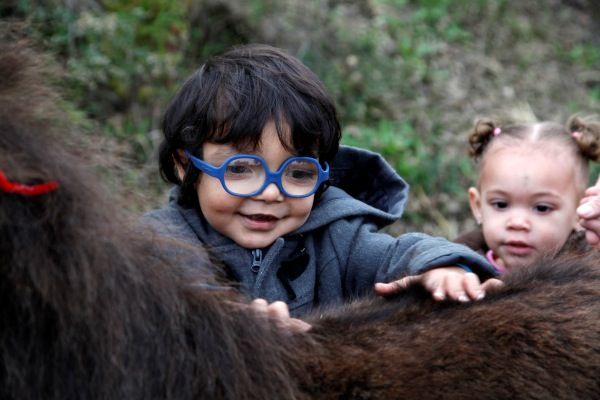
Animal-assisted therapy takes place in a variety of settings, including prisons, hospitals, nursing homes, therapeutic boarding schools for teens and mental health facilities. This form of treatment can take place individually or in groups, and is led by a qualified therapist or professional with specialized expertise.
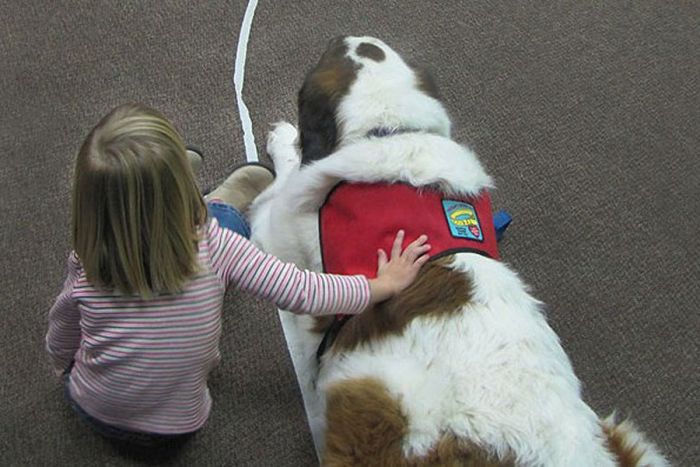
Much more than simply spending time with an animal, animal-assisted therapy involves specific therapeutic goals, strategies and outcomes measures. Therapeutic experiences can include walking, brushing, petting and caring for an animal, as well as processing the experience of trying to achieve a given task.
People with a variety of conditions can benefit from animal-assisted therapy, including:
Autism spectrum disorders
Addiction
Cancer
Heart disease
Dementia
Developmental disorders
Psychiatric disorders such as schizophrenia
Emotional and behavioral disorders
Chronic pain
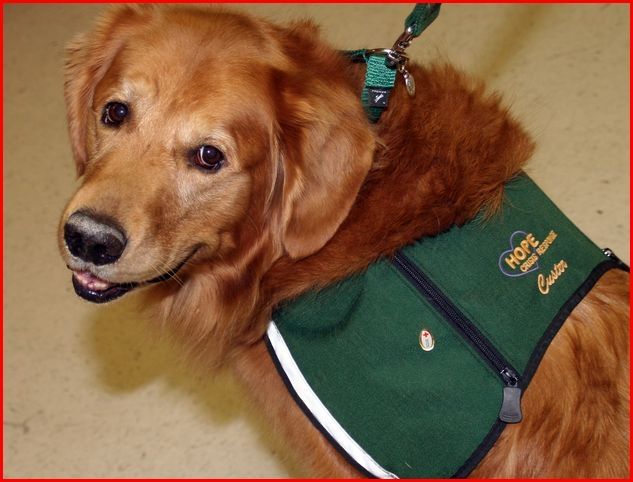
Anyone who's ever felt a deep connection with a pet and experienced their unconditional love, acceptance and friendship knows that an animal is capable of helping you feel better.
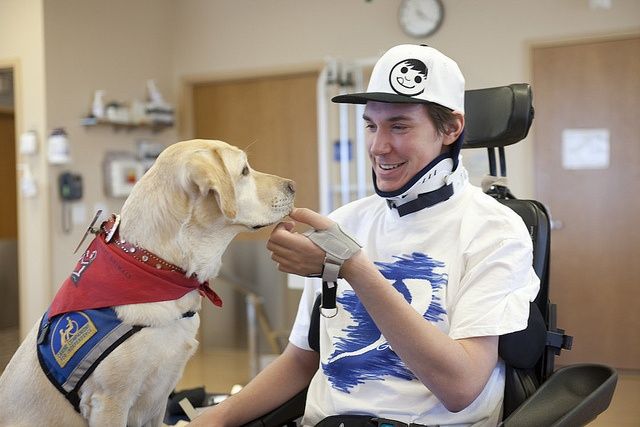
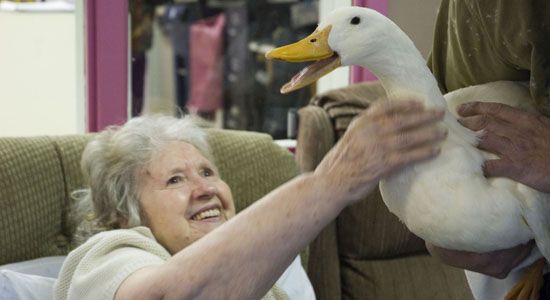
Nursing homes, hospitals, addiction recovery centers, mental health facilities and hospices are now aware that pets help heal. Animal-assisted therapy (AAT), when animals like dogs, cats, rabbits and horses are used to visit with patients and/or take an active role in helping them recover from illness, is cropping up where you once least expected to see it.
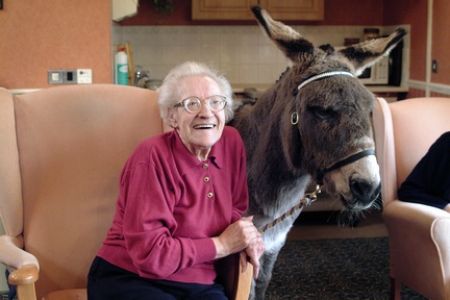
More than simply having patients spend time with an animal, animal-assisted therapy may also involve specific therapeutic goals and strategies. Getting patients to walk, brush, pet and care for an animal not only helps the patient feel better mentally but assists with physical health goals as well. Benefits include improving motor skills, balance, and focus, self-esteem, reducing anxiety and depression, blood pressure and risk of heart attack and stroke, reduced need for medications and improving social skills.
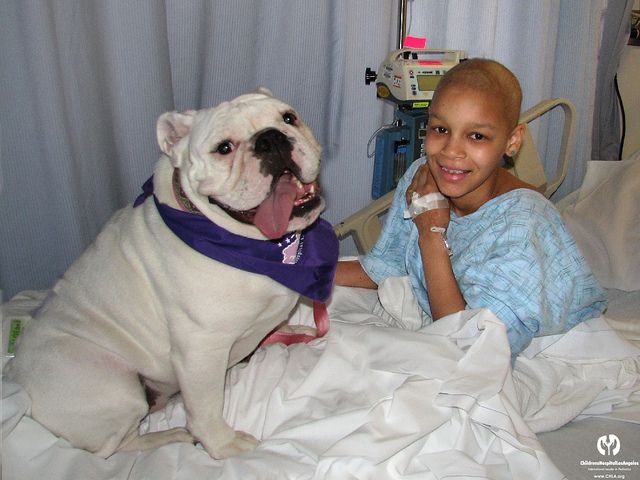
For children with special needs, the ability to interact with a dog, cat, or other furry friend can have a very positive impact upon their quality of life. Interacting with a pet can sometimes enhance recovery following a serious illness. It can change behavior, create a sense of responsibility and even improve a child's ability to participate in therapeutic treatment leading to achievement in relation to identified goals and objectives. Children are often extremely trusting and easily achieve a level of intimacy with animals. This special bond contributes to pets' effectiveness as co-therapists.
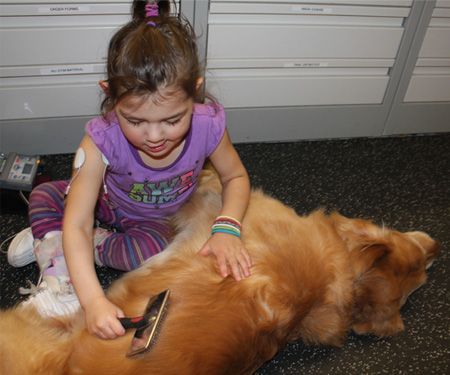
There is a strong bond between animals and people. Animals are accepting, non-threatening and non-judgmental, making it easier for people to open up. Some of the benefits of animal-assisted therapy include:
Improved fine motor skills
Improved balance
Increased focus and attention
Increased self-esteem and ability to care for oneself
Reduced anxiety, grief and isolation
Reduced blood pressure, depression, and risk of heart attack or stroke
Improved willingness to be involved in a therapeutic program or group activity
Increased trust, empathy and teamwork
Greater self-control
Enhanced problem-solving skills
Reduced need for medication
Improved social skills
Because many children, teens and adults enjoy working with animals, animal-assisted therapy can be particularly beneficial for individuals who are resistant to treatment or have difficulty accessing their emotions or expressing themselves in talk therapy.
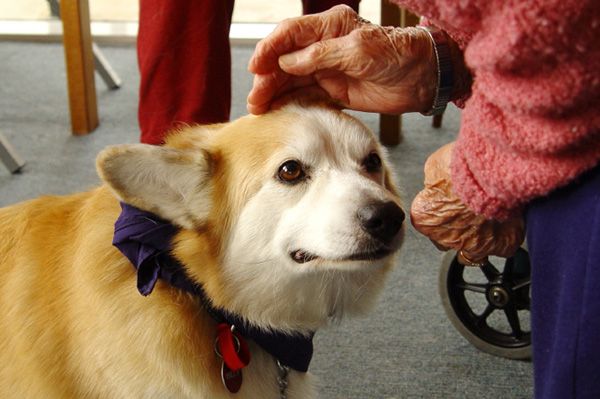
The most widely used therapy animals are the ones functioning as assistants or aids to both elderly and disabled. Dogs are great companions and organization s continue devoting their resources and time to dog training. Aside from assisting the blind, dogs also aid individuals with wheelchairs and also people with physical or sensory impairments who are currently facing difficulty getting around. Monkeys also provide the same services. Monkeys have an in born intelligence and agility that make them great for reaching very high spots for the desired items.
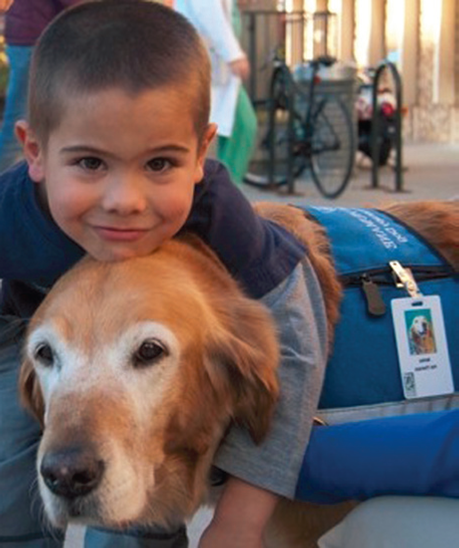
Animal therapy is not simply restricted to physical benefits. For those with emotional trauma, having gentle animals present may help reduce the pain. Even though it is not a totally replacement for medication, simply allowing those who have undergone lots of stress to stay with a therapy horse, dog or cat offers a great supplement to regular treatment. For instance, soldiers who have returned from war positively respond to dog exposure. Simply petting and playing with them fills these hurt soldiers with all the energy and endorphins they need for healing. Individuals with autism also find their emotions soothed following horse exposure.
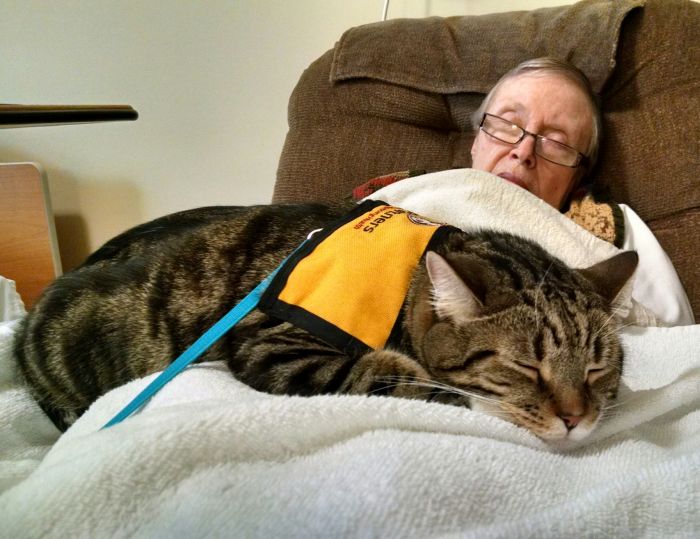
The simple fact of having a pet may offer some additional benefits. For instance, cats assist those with asthma to enhance their respiratory systems and also reduce levels of cholesterol. Aside from relieving the mental anguish linked to various developmental and psychological conditions, keeping a pet makes life less lonely.
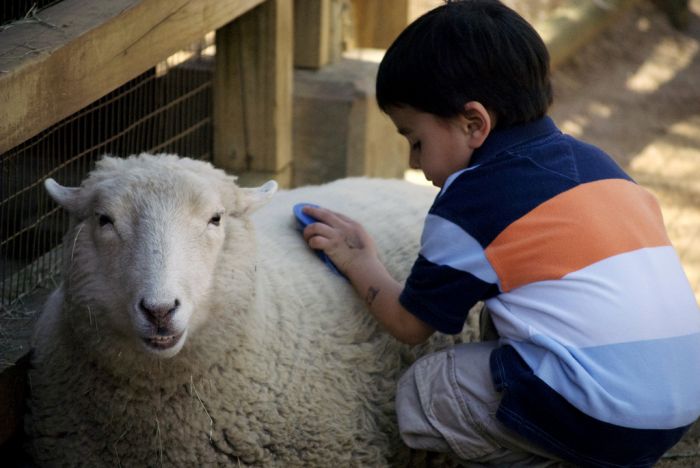
If you've ever owned a pet, you already know how much fun and affection they can bring. But did you know that pets also come with some pretty powerful mental and physical health benefits? Dogs in particular can reduce stress, anxiety, and depression, ease loneliness, encourage exercise and playfulness, and even improve your cardiovascular health. Caring for a dog can help children grow up more secure and active or provide valuable companionship for older adults. Perhaps most importantly, though, a dog can add real joy and unconditional love to your life.

Dog owners are less likely to suffer from depression than those without pets.
People with dogs have lower blood pressure in stressful situations than those without pets. One study even found that when people with borderline hypertension adopted dogs from a shelter, their blood pressure declined significantly within five months.
Playing with a dog or cat can elevate levels of serotonin and dopamine, which calm and relax.
Pet owners have lower triglyceride and cholesterol levels (indicators of heart disease) than those without pets.
Heart attack patients with dogs survive longer than those without.
Pet owners over age 65 make 30 percent fewer visits to their doctors than those without pets.
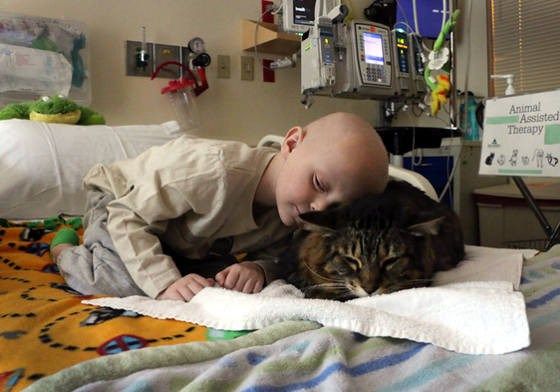
One of the reasons for these therapeutic effects is that dogs (and cats) fulfill the basic human need to touch. Even hardened criminals in prison have shown long-term changes in their behavior after interacting with dogs, many of them experiencing mutual affection for the first time. Stroking, hugging, or otherwise touching a loving animal can rapidly calm and soothe us when we're stressed or anxious. The companionship of a pet can also ease loneliness, and most dogs are a great stimulus for healthy exercise, which can substantially boost your mood and ease depression.
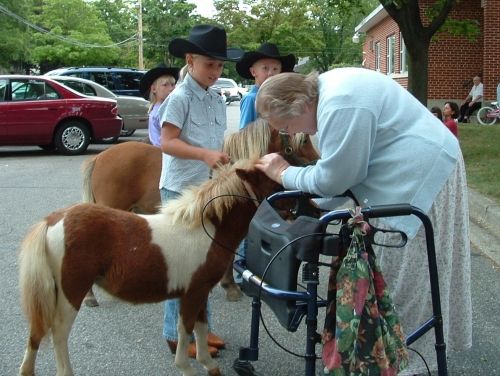
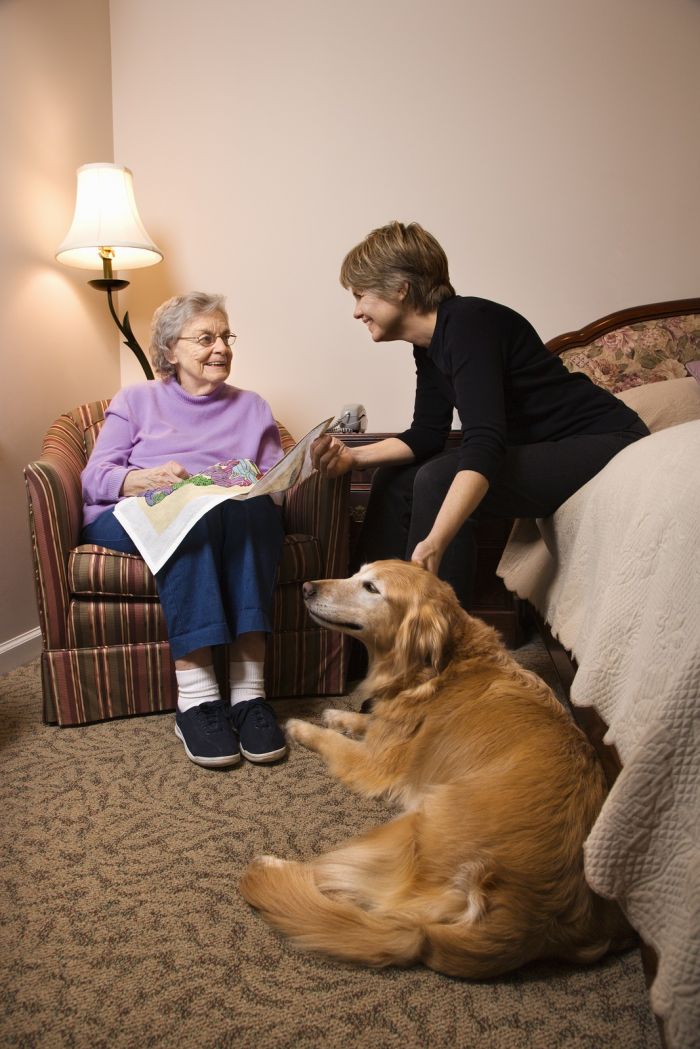
Some assisted living facilities are offering pet therapy because of the numerous benefits interaction with animals offer to seniors. American Senior Communities are among such facilities.
Seniors suffer from depression usually as a result of loneliness or isolation, either because friends and family members cannot visit on a regular basis, or they aren't as active as they previously were. Perhaps a loving spouse has passed away. Contact with therapy animals can bring some withdrawn seniors out of their shells, making them happier and more communicative.
Studies show that seniors who are active and always around others, or who own a pet decline in health far less rapidly than isolated or depressed seniors.
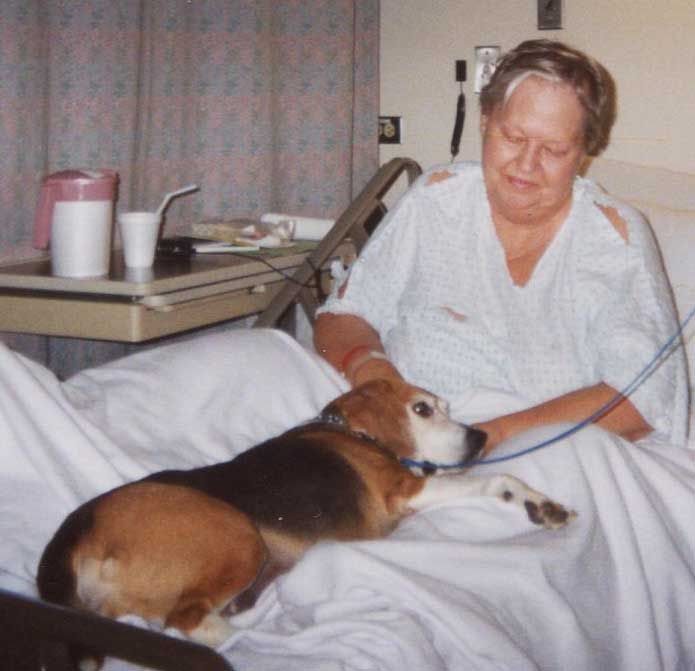
Seniors with heart conditions who own pets tend to outlive those who don't.
Walking a dog provides much-needed physical exercise, which leads to improved mobility and a healthier lifestyle overall.
The ability to have something to pet or touch can result in lower blood pressure, normal heart rate and reduced stress.
Pets provide emotional stability during stressful situations, helping to reduce anxiety and depression.
Caring for a pet helps increase a senior's self-confidence and self-esteem, providing them a way to feel useful and responsible for something.
For dementia patients, animals can be soothing to those who have difficulty using language.
Feeding and grooming can help increase seniors' physical skills and help them become more active.
Animals can help improve socialization- they listen without judgment and give unbiased affection, especially when a senior may desire to share the thoughts they may not be comfortable telling family or friends.
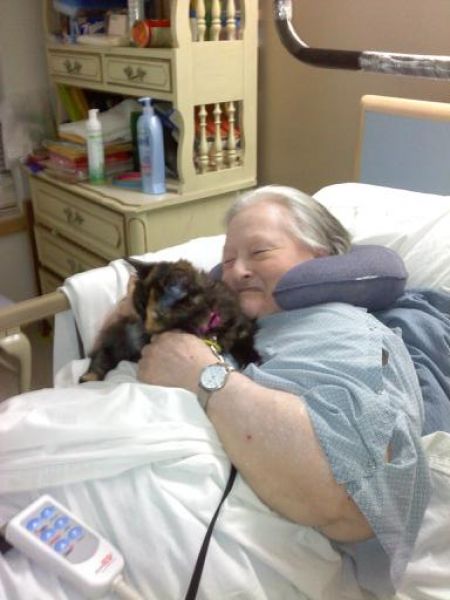
For example, psychologist Fine, who works with troubled children, uses dogs in his practice and also a cockatoo and even a bearded dragon named Tweedle.
"One of the things that's always been known is that the animals help a clinician go under the radar of a child's consciousness, because the child is much more at ease and seems to be much more willing to reveal," he says.
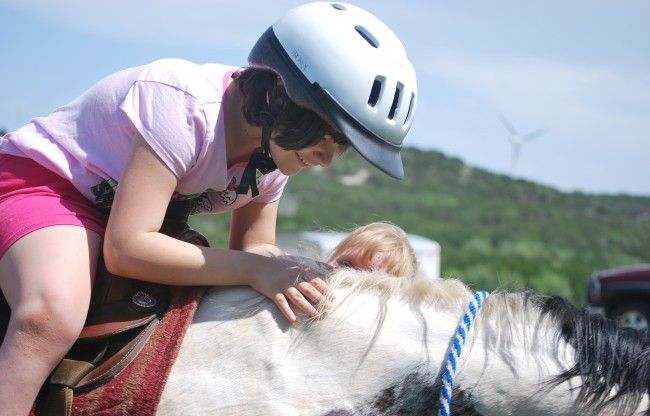
Horses have also become popular therapists for people with disabilities.
The National Institutes of Health, with funding from pet food giant Mars Inc., recently created a federal research program to study human-animal interaction. The program, operated through the National Institute for Child Health and Human Development, offers scientists research grants to study the impact of animals on child development, in physical and psychological therapeutic treatments, and on the effects of animals on public health, including their ability to reduce or prevent disease.