We’ve dug back into the crazy decade, to find the Best TV Shows of the 1980s. We were judging each series on its content during the '80s so some great ’70s shows that lasted into the ’80s fell further down the list, while others that previewed in the '80s but peaked in the '90s didn't make the cut. Let us know your favorite shows of the 1980s in the comments section below.
advertisement
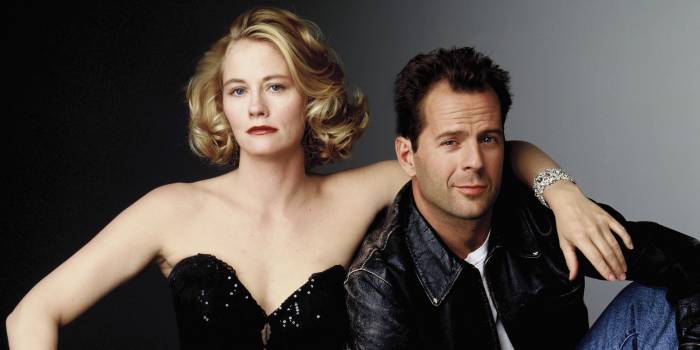
#11 Moonlighting
Since the Blue Moon Detective Agency stopped investigating crimes, David Addison (Bruce Willis) and Maddie Hayes (Cybill Shepherd) have become a cautionary tale in the will-they-or-won’t-they television trope. But during the heyday of Moonlighting, no TV couple did sexual tension like Willis and Shepherd. When they finally decided to consummate their relationship, they literally burned the house down. While the series had plenty of behind-the-scenes strife (starting with the fact that Shepherd and burgeoning movie star Willis didn’t get along), it consistently entertained, pioneered the dramedy genre that is so popular today, and regularly broke the fourth wall in innovative ways.
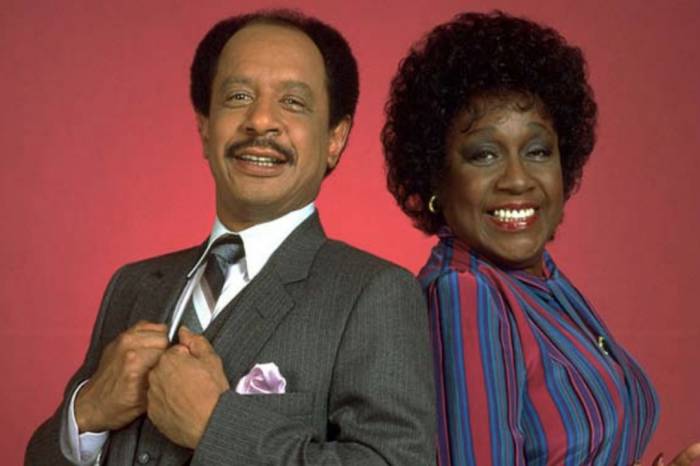
#10 The Jeffersons
Norman Lear created a run of hit shows in the 1970s, beginning with All in the Family, Sanford and Son (and its British predecessor Steptoe and Son), The Jeffersons, Maude, One Day at a Time and Good Times. It could be argued that no one had a bigger audience for interracial dialogue than Lear. "The Jeffersons" was his longest-running series, lasting well into the ’80s, and in it, he gave America an affluent African American family dealing with new surroundings. George Jefferson might not have been a model for race relations (referring to Louise’s interracial couple friends as “zebras”), but as with Archie Bunker, bigotry in the show was revealed for what it was.
advertisement
#9 Thirtysomething
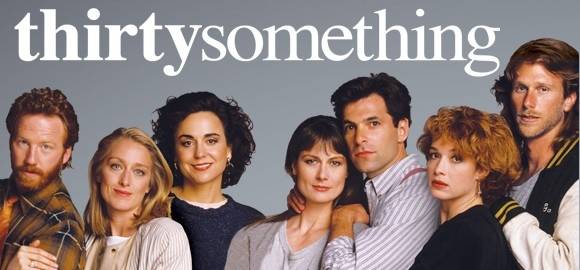
Few shows captured the spirit of the ’80s, and of growing up, as well as Thirtysomething. It wasn’t a family show or a workplace comedy; it showed how adult life is about balancing both those aspects of your life. It wasn’t about the struggles of being single or about the interactions of various couples; it was just about a group of friends, all of whom happened to be at different points in their relationships. And though the Thirtysomething characters were former hippies now trying to fit into a regular, quite un-counter-culture upper-middle-class lifestyle, they never became parodies of themselves. For four seasons, Thirtysomething blurred the lines between film and television, comedy, and drama, and managed to make the characters feel like real people. Sure, there was the suburban couple, the womanizer, the climber, and all those other archetypes, but they still came across as—believe it or not—actual people. Who just happened to speak incredibly eloquently.
#8 Newhart
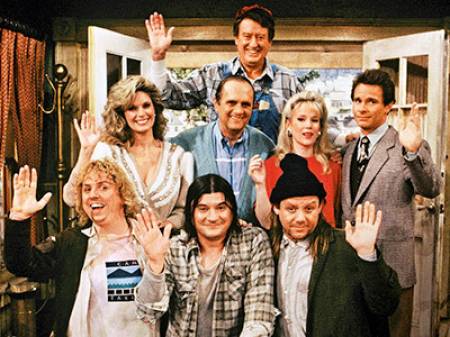
You could always count on the writers on Bob Newhart’s second successful sitcom to be playful. In the pre-meta-pop-culture era, they’d invite Russell Johnson (the professor on Gilligan’s Island) to appear as a Beaver Lodge member watching Gilligan’s Island. But it was the original characters who really made the show. Larry and his two silent brothers, Daryl and Daryl. Handyman George Utley. Spoiled maid Stephanie. And the ultimate straight man, Bob Newhart, as Dick Loudon. Too bad it was all just a dream…
advertisement
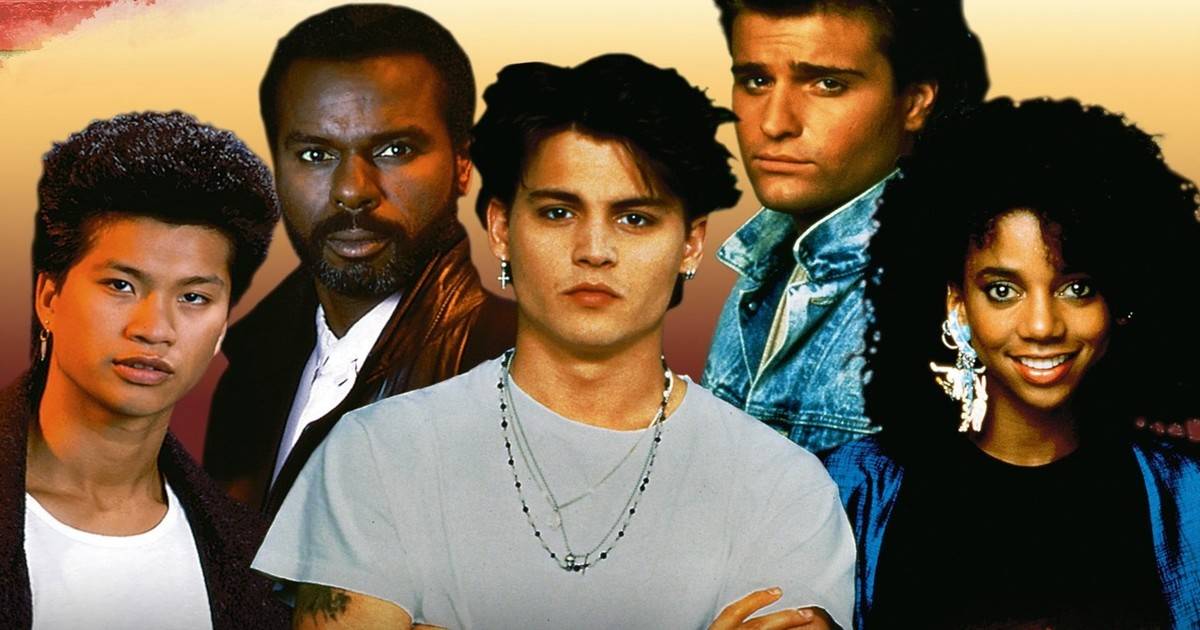
#7 21 Jump Street
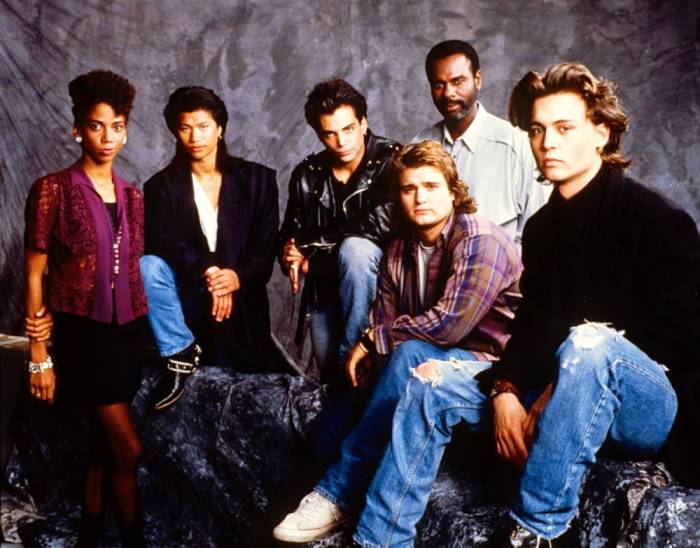
This was one of the first Fox hour-long dramas, and Fox definitely wore its heart on its sleeve. Like the CW now, Fox wanted to lure in a teenage audience with its good-looking young stars. Luckily for those stars, 21 Jump Street was a rather good vehicle and stood on its own merits.
Kind of like a Mod Squad for the 80s, the "teens" in 21 Jump Street were cops. Hip cops. They would infiltrate schools, drug rings, gangs, wherever teenagers were in trouble... unlike the Mod Squad, though, the storylines were always passable, and quite often excellent. Almost every episode touched upon subjects that were taboo for the big 3 networks (and still are)- AIDS, statutory rape, drug use, abortion, child abuse- and presented it in a moralistic way, but without being maudlin.
The show kind of faltered in its last few seasons; Johnny Depp was becoming a star, and execs started pushing other "stars" into the spotlight, hoping for cash rewards and spin-offs. Richard Grieco was most heavily promoted, to an audience that didn't really care. He became a teenage heartthrob for a while, but never achieved the momentum to carry his career skyward. With this pushing of the stars, the storylines took a back seat to character preening. The end result was faltering ratings, and cancellation.
Until it became an actors' showcase, though, 21 Jump Street was probably the best drama on TV.
advertisement
#6 MacGyver
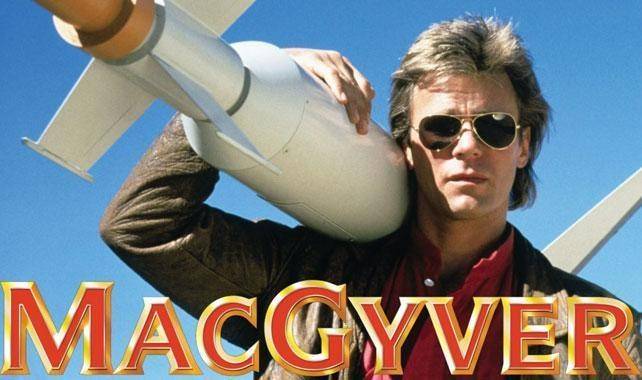
This show was excellently written and cast. Richard Dean Anderson was by far the best person for this role and he brought the character the attitude and look that added to his "no drinks, drugs, or guns" outlook that was inspirational and enjoyable for all ages. It'd be refreshing to see another show like this come along, but I don't believe it will.
MacGyver focused on the incurable do-gooder who couldn't say no to someone in trouble, and he always had a scientifically sound, absolutely brilliant solution. He was always as optimistic as possible, and he wasn't one to immediately jump in bed as is the norm for most television. His compadres always added to the action/adventure/comedy, and throughout the season you learn new things about the characters that add so much more depth to the story.
Quirky, smart, clean, nostalgic and full of ageless values... (the mullet and leather jacket didn't hurt either) MacGyver will be around forever, and well it should be.
advertisement
#5 Magnum, P.I.
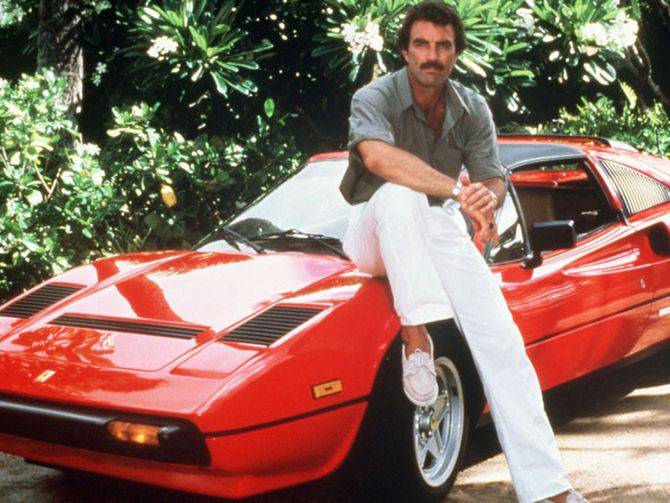
When every other adolescent male of the ’80s and I grew up, we wanted the life of Tom Magnum, played by Tom Selleck and his mustache: living in an opulent Hawaii beach house as a guest of a never-present millionaire novelist and driving his Ferrari 308 GTS; wracking up a never-to-be-paid tab at the country club run by one war-vet buddy and bumming helicopter rides from another; and periodically solving mysteries using a combination of smarts, toughness and mostly chutzpah. I never did figure out how to walk that particular career path, but it was fun to dream.
advertisement
#4 The A-Team
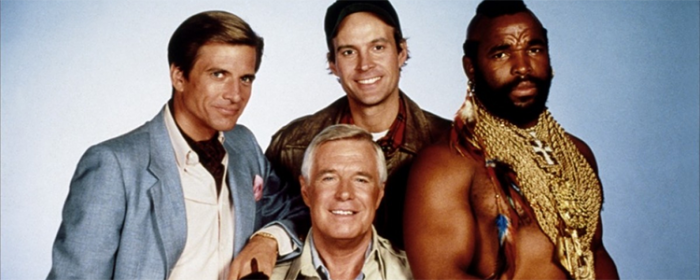
The A-Team was like the live-action adaptation of a Saturday morning cartoon, G.I. Joe for slightly older audiences. In the style of The Incredible Hulk, it’s one of those “traveling adventure” shows—each week, the A-Team hits a new locale to help out a new group of people by driving their combat van through a brick wall. Its success is all thanks to its instantly iconic characters—strategist Hannibal, con man “Face,” wild man Murdock and Mr. T as B.A. Baracus, the role that has literally defined the man’s entire life. Honestly, if Mr. T hadn’t landed the role of B.A. Baracus, what would he have done with his life?
advertisement
#3 The Cosby Show
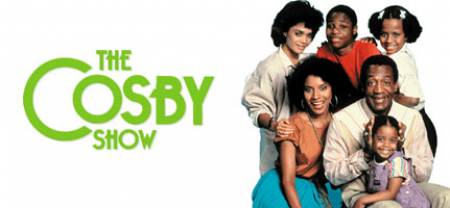
George Jefferson may have been moving on up, but The Cosby Show gave the nation a more relatable glimpse of the growing middle-class among African Americans, dealing with race, but much more often, dealing with the trials that we all faced. Inspired by Cosby’s own family experiences which had been a staple of his stand-up routine, the show dominated the second half of the ’80s, topping the Neilsen ratings from 1985-90 and averaging more than 30 million viewers in the ’86-87 season. Cosby’s legacy might currently be in shambles, but the show was bigger than the man.
advertisement
#2 Hill Street Blues
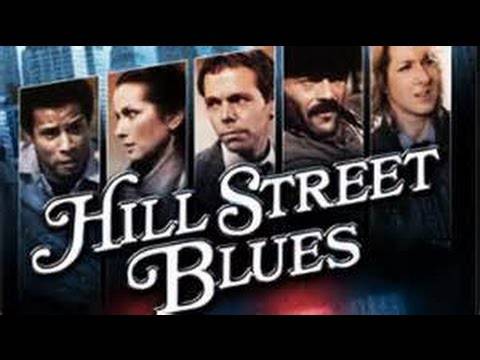
In many ways, the 1980s served as the coming-of-age period for TV crime dramas. With its handheld, cinema verite-style camera work, widespread incorporation of slang and large ensemble cast, Hill Street Blues marked the first shot fired in what would become an artistic revolution. Centering on a single police station in an unspecified city, the show combined the grittiness of ’70s crime thrillers with the loose, natural feel of a Robert Altman production. In the process, it became a defining example for how TV could equal the scope and depth of cinema. Homicide: Life on the Streets, Law & Order, NYPD: Blue, The Shield, The Wire—all owe at least partial debt to the foundation laid down by the men and women of Hill Street.
advertisement
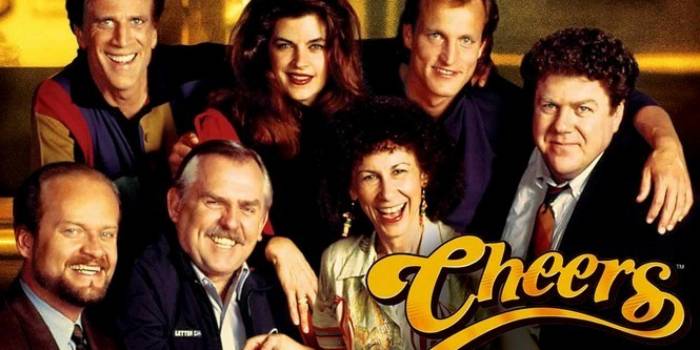
#1 Cheers
The idea of place where everybody knew your name was central to the success of Cheers, even as Coach (Nicholas Colasanto) was replaced by Woody (Woody Harrelson), Diane (Shelley Long) was replaced by Rebecca (Kirstie Alley) and Frasier Crane (Kelsey Grammer) found his own stool at the bar. This was the idea of a “third place,” after home and work, where a community could gather to socialize. Tackling sometimes serious issues in an always hilarious manner, the show created a place without class, where Frasier could grab a bar stool across from Norm and Cliff with an equal sense of belonging. Anchoring it all was Sam Malone (Ted Danson), the womanizing former ball player, who grew a little more with each passing season.